Family Owned & Operated
Licensed & Certified
Free Estimates


Tracy T1-11 Siding
Choose the best for your Tracy home with our T1-11 Siding service. Bay Area Siding Company gives you diverse options, ensuring a remarkable look you'll definitely cherish.


Schedule Your Consultation & Save Up to $1,500!
Request Free Pricing Today for Your Exterior Renovation Needs!


T1-11 is grooved plywood or OSB panel siding. The grooves run vertically so the wall reads like boards. It is inexpensive, fast to put up, and has an honest rustic look. It also depends on its paint to survive. Once the coating fails, the panel edges start drinking water, and the plies or strands swell and separate.
In Tracy, the long, hot valley summers wear down the paint, and the wind-driven rain off the Altamont finds the open edges. Together they make that failure show up sooner than many owners expect.
Bay Area Siding Company is a Marin-based siding and window contractor working across the Central Valley. On a Tracy T1-11 job, we tell you plainly whether the panels can be saved, what should replace them, and what the wall needs underneath.
Dealing with soft or swollen panels? Request a bid or call (415) 619-5167 and we'll come look at the wall.
Where T1-11 shows up around Tracy
Tracy has a wide mix of buildings, and T1-11 turns up across it:
- Older homes near the historic core, often mixed with other claddings
- Budget-built additions and garage conversions
- Detached sheds, workshops, and accessory buildings on larger lots
- Some builder-grade tract homes, where panel siding was used on rear or side elevations
The newer subdivisions that filled in through the 1990s, 2000s, and 2010s used a lot of engineered-wood and hardboard panels. Some of that is T1-11-style grooved panel. Some of it is a different product that simply looks similar.
Knowing which one you have matters. It changes both what's failing and what the fix should be. We identify it on the walkthrough rather than assume.
How T1-11 fails in this climate
T1-11 rarely fails all at once. The pattern tends to look like this:
The bottom edge goes first. The lowest few inches of a panel sit closest to sprinklers, soil, and splash-back. Once that end grain loses its seal, it wicks water up into the panel. The result is flared, swollen, or crumbling bottom edges, often along the whole base of a wall.
Paint breaks down on the sunny elevations. Tracy's summer sun is hard on any painted wood product. It is especially hard on T1-11, because the coating is the panel's only real defense. South- and west-facing walls typically show peeling and checking years before the shaded side does.
Seams and grooves hold water. The shiplap edges between panels, and the horizontal joints where two courses stack, should be protected with flashing. On many older installs, that flashing was skipped or has since corroded. Winter storms driven by the Altamont wind push rain straight into those joints.
Delamination. Plywood T1-11 can separate between plies once moisture cycles through it. OSB versions tend to swell and lose their surface texture instead. Either way, a panel that has delaminated or swollen won't be restored by paint.
A few isolated bad panels can sometimes be cut out and replaced. Widespread swelling, repeated paint failure, or soft spots around windows usually mean the wall needs a replacement conversation instead.
The technical detail most people don't know about T1-11
T1-11 is installed in two different ways, and the difference affects your project scope.
- Panel over sheathing. The T1-11 is fastened over a separate sheathing layer and a water-resistive barrier (WRB). Removing the panels exposes that sheathing, WRB, and flashing for inspection. This is the same as an ordinary re-side.
- Single-layer, direct to framing. This approach is common on sheds, outbuildings, and some budget construction. The T1-11 panel serves as both the siding and the sheathing, and it may also be providing wall bracing. Removing it does expose the framing, because there is no other layer behind it.
On a single-layer wall, replacement means adding new sheathing (or otherwise addressing bracing) and a proper WRB before the new cladding goes on. That is a larger scope, and it's one reason T1-11 replacement quotes vary so much.
We determine which type you have before pricing the job. Any structural or bracing requirements get confirmed with the City of Tracy Building Safety Division rather than assumed.
Your three real options
1. Replace T1-11 with fiber cement
This is the most common upgrade we discuss. Fiber cement comes in vertical panels, including board-and-batten styles, that keep a similar look. It is also available in lap siding if you'd rather change the look entirely.
Fiber cement doesn't swell with moisture, holds paint well in strong sun, and is noncombustible. It is heavier and needs a skilled install.
Learn more about the fiber cement category or the brand-specific James Hardie siding page. For Tracy homes specifically, see our Tracy James Hardie page.
2. Replace T1-11 with LP SmartSide
LP SmartSide is engineered wood treated to resist moisture and decay. It keeps a warm, wood-grain texture and offers panel products that are a close visual match to T1-11.
It is lighter and easier to work than fiber cement, which some owners like for additions and accessory buildings. It still needs periodic painting.
3. Reinstall T1-11 where it makes sense
On a detached shed, workshop, or outbuilding where the rustic look is the point, new T1-11 can be a reasonable, budget-conscious choice. It lasts much longer when it's installed with:
- Proper flashing at horizontal joints
- Sealed edges
- Clearance above grade
- A good paint system
It's the lowest-cost route. The trade-off is ongoing maintenance, and in heat and wind that means repainting on a regular cycle.
Weighing other materials too? Compare vinyl and natural wood siding. For the full re-side decision on a Tracy home, start with our Tracy siding replacement page.
Permits, HOAs, and fire-zone questions
The City of Tracy Building Safety Division, part of the Community and Economic Development Department, handles building permits through the city's eTRAKiT online portal. Replacing siding on a home is generally a permitted alteration. Work on accessory structures can have its own requirements depending on size and scope. We confirm what your specific project needs and pull the permit as part of the job.
If you're in one of Tracy's newer subdivisions, your HOA may restrict profiles or colors. Plan for architectural approval before materials are ordered.
T1-11 is a wood product and is combustible. If a parcel is mapped in a fire hazard severity zone or wildland-urban interface area, Chapter 7A of the California Building Code can govern exterior wall materials. Whether it applies depends on the parcel, the assembly, and the scope. We check the Cal Fire maps and confirm with the City before recommending a material, rather than making blanket claims.
How a job typically goes
- Walkthrough. We identify the panel type and how it was installed, then probe the bottom edges and window openings for soft spots.
- Written scope. You get options covering patch vs. replace and your material choice.
- Approvals. We pull the permit and get HOA sign-off where needed.
- Tear-off. We remove the old panels and correct the sheathing, WRB, flashing, or bracing as the wall requires.
- Installation. New cladding goes on to the manufacturer's specifications.
- Finish. We complete trim, clean up, and do a final walk with you.
Window work can be coordinated in the same project. See our Tracy window replacement page. You can also browse past work in our projects gallery or explore our Central Valley service area.
What drives the cost
We price after seeing the wall, not before. The main factors are:
- Square footage and number of stories
- Whether the T1-11 is single-layer (so new sheathing is needed) or installed over existing sheathing
- How much rot turns up at tear-off
- The replacement material and finish
- Trim and window integration
- HOA-required profiles or colors
FAQ
Can I just paint my swollen T1-11? Paint can protect sound panels, but it won't reverse swelling or delamination. If bottom edges are flared or panels feel soft, those sections need replacing. Painting over them only hides the damage for a season or two.
Why is my Tracy T1-11 failing faster on some walls than others? It usually follows exposure. The south- and west-facing elevations take the brunt of the valley sun, which breaks down the paint that protects the panel. Walls facing the prevailing wind see more wind-driven rain at the joints during winter storms.
Will removing T1-11 expose my studs? It depends on how it was installed. If the T1-11 sits over separate sheathing, removal exposes the sheathing and WRB, not the framing. If it was installed as a single layer directly to the framing, which is common on sheds and some budget construction, then yes. In that case, new sheathing and a WRB become part of the scope.
Do I need a permit to replace T1-11 in Tracy? Generally, yes, for re-siding a home. The City of Tracy Building Safety Division handles permits. We confirm the requirement for your specific building, including accessory structures, and handle the paperwork.
Ready to deal with failing panels? Request a bid or call (415) 619-5167 to schedule a walkthrough of your Tracy home.
Serviced ZIP Codes: 95304, 95376, 95377, 95378, 95385
- Alamo T1-11 Siding
- Albany T1-11 Siding
- American Canyon T1-11 Siding
- Angels Camp T1-11 Siding
- Antioch T1-11 Siding
- Apple Hill T1-11 Siding
- Arnold T1-11 Siding
- Belmont T1-11 Siding
- Benicia T1-11 Siding
- Berkeley T1-11 Siding
- Blackhawk T1-11 Siding
- Bodega Bay T1-11 Siding
- Brentwood T1-11 Siding
- Burlingame T1-11 Siding
- Calistoga T1-11 Siding
- Cambrian Park T1-11 Siding
- Campbell T1-11 Siding
- Castro Valley T1-11 Siding
- Chico T1-11 Siding
- Clayton T1-11 Siding
- Clear Lake T1-11 Siding
- Concord T1-11 Siding
- Cordelia T1-11 Siding
- Corte Madera T1-11 Siding
- Cotati T1-11 Siding
- Cupertino T1-11 Siding
- Daly City T1-11 Siding
- Danville T1-11 Siding
- Discovery Bay T1-11 Siding
- Dixon T1-11 Siding
- Dublin T1-11 Siding
- East Bay T1-11 Siding
- El Cerrito T1-11 Siding
- El Sobrante T1-11 Siding
- Emeryville T1-11 Siding
- Fairfax T1-11 Siding
- Fairfield T1-11 Siding
- Foster City T1-11 Siding
- Fremont T1-11 Siding
- Galt T1-11 Siding
- Gilroy T1-11 Siding
- Grass Valley T1-11 Siding
- Half Moon Bay T1-11 Siding
- Hayward T1-11 Siding
- Hercules T1-11 Siding
- Hidden Valley Lake T1-11 Siding
- Isleton T1-11 Siding
- Jackson T1-11 Siding
- Kentfield T1-11 Siding
- Lafayette T1-11 Siding
- Lakeport T1-11 Siding
- Larkspur T1-11 Siding
- Livermore T1-11 Siding
- Los Altos T1-11 Siding
- Los Gatos T1-11 Siding
- Lower Lake T1-11 Siding
- Manteca T1-11 Siding
- Marin City T1-11 Siding
- Martinez T1-11 Siding
- Menlo Park T1-11 Siding
- Mill Valley T1-11 Siding
- Millbrae T1-11 Siding
- Milpitas T1-11 Siding
- Moraga T1-11 Siding
- Morgan Hill T1-11 Siding
- Mountain View T1-11 Siding
- Murphys T1-11 Siding
- Napa T1-11 Siding
- North Bay T1-11 Siding
- Novato T1-11 Siding
- Oakland T1-11 Siding
- Oakley T1-11 Siding
- Orinda T1-11 Siding
- Pacifica T1-11 Siding
- Palo Alto T1-11 Siding
- Paradise T1-11 Siding
- Petaluma T1-11 Siding
- Piedmont T1-11 Siding
- Pinole T1-11 Siding
- Pittsburg T1-11 Siding
- Pleasant Hill T1-11 Siding
- Pleasanton T1-11 Siding
- Pollock Pines T1-11 Siding
- Rancho Calaveras T1-11 Siding
- Redwood City T1-11 Siding
- Richmond T1-11 Siding
- Rio Vista T1-11 Siding
- Rodeo T1-11 Siding
- Rohnert Park T1-11 Siding
- Roseland T1-11 Siding
- San Andreas T1-11 Siding
- San Anselmo T1-11 Siding
- San Bruno T1-11 Siding
- San Carlos T1-11 Siding
- San Jose T1-11 Siding
- San Leandro T1-11 Siding
- San Mateo T1-11 Siding
- San Pablo T1-11 Siding
- San Rafael T1-11 Siding
- San Ramon T1-11 Siding
- Santa Clara T1-11 Siding
- Santa Cruz T1-11 Siding
- Santa Rosa T1-11 Siding
- Saratoga T1-11 Siding
- Sausalito T1-11 Siding
- Scotts Valley T1-11 Siding
- Sebastopol T1-11 Siding
- Sonoma T1-11 Siding
- South Bay T1-11 Siding
- South Lake Tahoe T1-11 Siding
- South San Francisco T1-11 Siding
- St. Helena T1-11 Siding
- Stanford T1-11 Siding
- Stockton T1-11 Siding
- Suisun City T1-11 Siding
- Sunnyvale T1-11 Siding
- Sutter Creek T1-11 Siding
- Tiburon T1-11 Siding
- Tracy T1-11 Siding
- Truckee T1-11 Siding
- Union City T1-11 Siding
- Vacaville T1-11 Siding
- Vallejo T1-11 Siding
- Valley Springs T1-11 Siding
- Walnut Creek T1-11 Siding
- Windsor T1-11 Siding
- Yountville T1-11 Siding
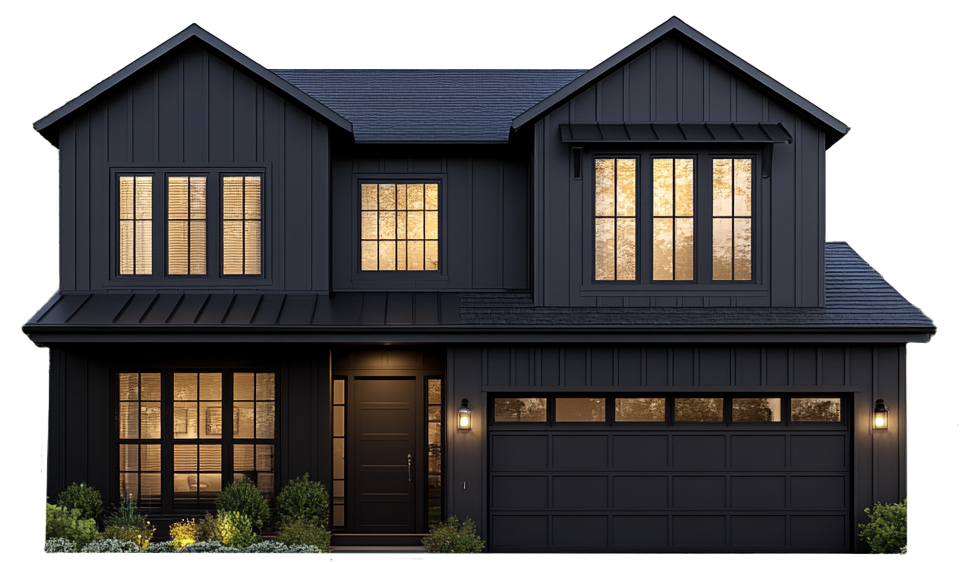
*Offer expires September 30, 2026
Try Our 3D Home Design Visualizer!
Excited to explore new possibilities for your home? Snap a photo to kickstart your journey with our online design tool or get inspired by our sample homes.
Start Designing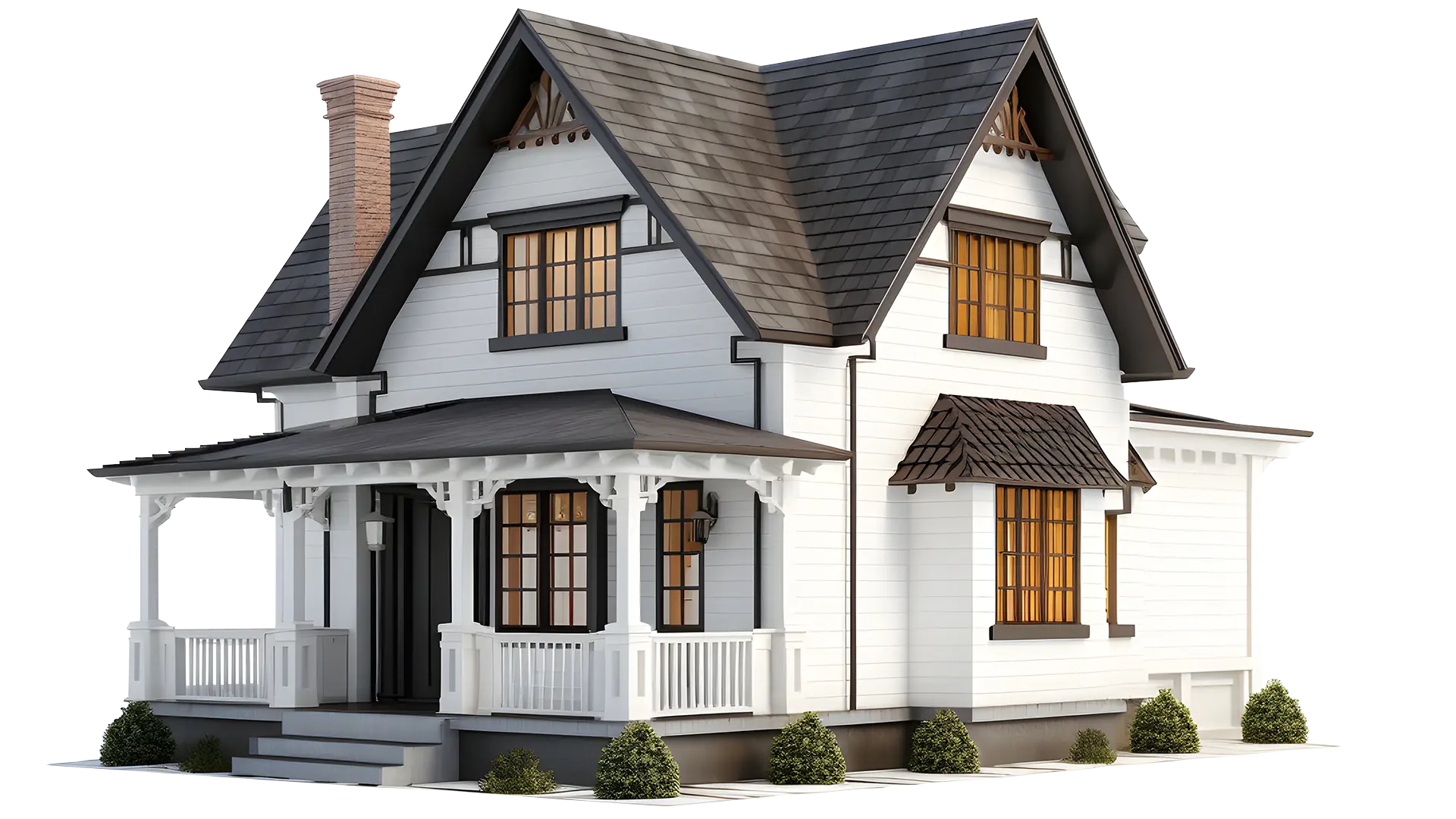
Why Choose Us?
Top Rated Siding & Window Experts
- FREE, Detailed Estimates
Receive clear, detailed quotes on-site, with no hidden fees.
- Fire Resistant Products
Enjoy peace of mind with quality materials like James Hardie siding and Anlin Windows.
- Local, Family-Owned Company
Decades of unparalleled expertise. No subcontractors!
- Licensed, Certified & Insured
We are fully licensed and certified, guaranteeing top-notch craftsmanship.
- Old-school Professionalism
Thorough cleanup and dependable follow-through with every siding and window project.


Dive Into Your Next Project with Tracy T1-11 Siding Today!
Discover the benefits of T1-11 Siding in Tracy. Reach out to us now for a consultation!
Get StartedWhy Us
- Free Quotes, Competitive Pricing
- On-Time Service
- Local, Family-Owned & Operated
- Reliable, Experienced, Certified
- Licensed & Certified
- Elite Preferred Contractor
- Family Owned & Operated
Replacement Windows
© 2026 Bay Area Siding Company, Inc. All Rights Reserved.Full-Service Siding & Window Experts in Bay Area. Bay Area Siding Company rated 5 / 5 based on 150 reviews.