Family Owned & Operated
Licensed & Certified
Free Estimates


San Jose T1-11 Siding
Choose the best for your San Jose home with our T1-11 Siding service. Bay Area Siding Company gives you diverse options, ensuring a remarkable look you'll definitely cherish.


Schedule Your Consultation & Save Up to $1,500!
Request Free Pricing Today for Your Exterior Renovation Needs!


T1-11 is the grooved plywood or OSB panel siding that shows up on many San Jose homes from the postwar building boom. It covers tract ranches in Cambrian and Berryessa, garages and additions across Willow Glen, and plenty of backyard sheds and accessory structures in between. It was affordable and fast to hang, and it looks good when it is kept up. After several decades of valley sun and winter rain, though, a lot of it is at the end of its life.
Bay Area Siding Company is a Marin-based siding and window contractor working throughout the South Bay. We handle T1-11 in three ways:
- Replacing failing panels with fresh T1-11 where a rustic vertical-groove look is the goal.
- Upgrading to an engineered-wood or fiber-cement panel that keeps the same look with more durability.
- Re-siding in a different profile entirely.
Want a straight answer on your T1-11? Call (415) 619-5167 or request a bid.
What T1-11 is and why it fails
T1-11 comes as large sheets, typically 4×8 feet, with vertical grooves milled into the face. It is installed vertically, so one panel reads like a series of boards. It is a wood-based product. Plywood versions are layered veneers, and OSB versions are compressed wood strands. Either way, its durability depends entirely on keeping water out of the wood.
That is where older installs struggle. The weak points are predictable:
- Bottom edges near grade, concrete, or planters, where exposed end grain wicks up moisture.
- Horizontal joints where one panel stacks on another. These rely on a Z-flashing that was sometimes skipped or has since corroded.
- Cut edges around windows and doors that were never sealed or have lost their paint.
- The grooves themselves, which hold water and are the first place paint breaks down.
San Jose's climate also works against a neglected finish. Hot, high-UV summers bake and chalk the paint. The wet season then puts water into any spot where the coating has cracked. Once plywood starts to delaminate, or OSB starts to swell, repainting won't reverse it.
Signs your T1-11 has moved from "needs paint" to "needs replacing":
- Layers peeling apart at panel edges.
- Swollen, fuzzy, or "mushroomed" bottom edges.
- Soft spots that give under a screwdriver.
- Grooves where the veneer has split.
- Nails pulling through.
- Staining or musty smells inside the wall.
The detail most T1-11 quotes skip: it's often your sheathing too
Many homes with standard lap siding have a separate layer of sheathing behind the cladding. On those homes, tearing off the siding exposes the sheathing, the water-resistive barrier (WRB), and the flashing, and the framing stays covered.
T1-11 is frequently different. On a lot of older homes, garages, and additions, the panel was nailed directly to the framing. It serves as both the siding and the sheathing, and it may be part of what braces the wall. On those walls, removing the T1-11 opens the wall to the framing.
That changes the scope in two ways:
- New sheathing and nailing. The replacement plan has to restore the wall's sheathing and bracing, not just hang new siding.
- A WRB layer. Many older panel installs have little or none, and it needs to go in.
We check which condition your home has before we price anything. It is the single biggest variable in a T1-11 project, and it is why two quotes for "the same" job can differ so much.
Where your T1-11 was installed over separate sheathing, a standard tear-off applies. The panels come off, and we inspect the substrate, WRB, and flashing. We then repair any rot we find before new cladding goes on.
Your options: stay with T1-11 or change materials?
New T1-11
This is the right call when you want the classic vertical-groove look at a budget-friendly price, or when you are matching an existing structure such as a detached garage or ADU-adjacent outbuilding. New T1-11 performs far better when it is installed correctly:
- A proper WRB behind it.
- Flashed horizontal joints.
- Sealed or primed edges.
- Adequate clearance above grade.
The trade-off is maintenance. It has to be kept painted or sealed. If you let the finish go, you will be back where you started.
Engineered wood panels (LP SmartSide)
LP SmartSide offers panel siding, including grooved-panel styles. It is made from treated wood strands, so you keep a real-wood texture and a vertical look. It is also designed to resist moisture and decay better than untreated wood panels. It is lighter and easier to work than fiber cement, though it still needs periodic painting. See our San Jose LP SmartSide page.
Fiber cement
Fiber cement is made from cement, sand, and cellulose. It is dimensionally stable, rot- and pest-resistant, holds paint well, and is noncombustible. Vertical panel and board-and-batten configurations can carry a similar look. It is heavier and takes skilled installation. For brand-specific details, see James Hardie siding in San Jose.
A new look entirely
Some homeowners use the tear-off to switch to horizontal lap siding, vinyl, or natural wood. Our San Jose siding replacement page walks through that broader decision.
San Jose specifics that affect a T1-11 job
Permits through the City of San José. The City of San José requires a building permit to replace exterior siding. Repairs under 10 square feet of wall area are exempt. Qualifying like-for-like replacements on single-family and duplex properties can often be handled over the counter, while other scopes need plan review. Two things can push a job past a simple over-the-counter permit:
- Replacing the wall's sheathing, which is common with T1-11.
- Changing materials.
We confirm the path for your scope with the city and handle the paperwork.
Mid-century architecture. San Jose has notable mid-century modern pockets. One example is the Fairglen Additions in Willow Glen, a 218-home Eichler tract built from 1959 to 1961 and listed on the National Register of Historic Places in 2019. On homes like these, vertical panel and board-style cladding is part of the design language. Choosing a replacement that keeps the right groove spacing and proportions matters more than it would on a generic tract ranch. If your home is on the city's historic inventory, additional review may apply, and we check before we spec.
Foothill parcels and fire code. T1-11 is a wood product, and wood is combustible. San Jose has designated Wildland-Urban Interface and Fire Hazard Severity Zone areas, largely in the eastern and western foothills. Parcels in those areas may be subject to Chapter 7A of the California Building Code, which sets ignition-resistant requirements for exterior walls. Whether it applies depends on your specific parcel and scope. On a flatland Willow Glen lot it may not come up at all. On a hillside Evergreen parcel it can drive the material choice, and noncombustible fiber cement is one commonly used option. We verify with the city before recommending a product.
How a T1-11 project typically goes
- Assessment. We walk the house, probe the panels, and determine whether the T1-11 is doing double duty as sheathing.
- Proposal. You get a recommendation, not just a price: repair, like-for-like, or upgrade.
- Permit. We take care of it once the scope is set.
- Removal. Old panels come off, and any rot in the substrate or at the bottom of the wall is repaired.
- Rebuild the wall layers. Sheathing is installed where needed, followed by the WRB and flashing (including the horizontal joint and window flashings).
- Install and finish. The new siding goes on to the manufacturer's specifications, then paint or finish and a final walkthrough.
If your windows are original single-pane aluminum, re-siding is the cleanest moment to replace them, since the siding and windows meet at the flashing. See San Jose window replacement.
What drives the cost
We can't price a T1-11 job sight unseen. The main factors are:
- Whether the panels are also the sheathing.
- How much rot turns up at tear-off.
- The replacement material and trim package.
- Wall area, stories, and site access.
- Paint or finish.
- Permit scope.
We give you specifics after an on-site look.
Frequently asked questions
Can I just repair or repaint my T1-11? Sometimes. If the damage is limited to a few panels and the rest is sound, replacing those sections and repainting can buy years. If panels are delaminating or swelling across multiple walls, patching usually just chases the problem.
Do I need a permit to replace T1-11 siding in San Jose? Generally yes. The City of San José requires a permit to replace exterior siding. Repairs under 10 square feet of wall area are exempt, and qualifying like-for-like single-family and duplex jobs can often be permitted over the counter. Scopes that include new sheathing or a material change may need more review.
Is new T1-11 a bad idea? No. It is a legitimate budget-friendly choice when it is installed with a proper WRB, flashed joints, sealed edges, and grade clearance, and then kept painted. If you want less upkeep, engineered wood or fiber cement panels offer a similar look.
My home is in the foothills. Can I still use T1-11? It depends on your parcel. If it falls in a designated fire hazard or WUI area, Chapter 7A requirements may apply to your exterior walls, which can rule out or restrict standard wood panels. We confirm with the city before recommending a material.
See finished exteriors in our project gallery and nearby services on our South Bay service area page.
Ready to deal with that T1-11? Call (415) 619-5167 or request a bid.
Serviced ZIP Codes: 94088, 95002, 95110, 95111, 95112, 95113, 95116, 95117, 95118, 95119
- Alamo T1-11 Siding
- Albany T1-11 Siding
- American Canyon T1-11 Siding
- Angels Camp T1-11 Siding
- Antioch T1-11 Siding
- Apple Hill T1-11 Siding
- Arnold T1-11 Siding
- Belmont T1-11 Siding
- Benicia T1-11 Siding
- Berkeley T1-11 Siding
- Blackhawk T1-11 Siding
- Bodega Bay T1-11 Siding
- Brentwood T1-11 Siding
- Burlingame T1-11 Siding
- Calistoga T1-11 Siding
- Cambrian Park T1-11 Siding
- Campbell T1-11 Siding
- Castro Valley T1-11 Siding
- Chico T1-11 Siding
- Clayton T1-11 Siding
- Clear Lake T1-11 Siding
- Concord T1-11 Siding
- Cordelia T1-11 Siding
- Corte Madera T1-11 Siding
- Cotati T1-11 Siding
- Cupertino T1-11 Siding
- Daly City T1-11 Siding
- Danville T1-11 Siding
- Discovery Bay T1-11 Siding
- Dixon T1-11 Siding
- Dublin T1-11 Siding
- East Bay T1-11 Siding
- El Cerrito T1-11 Siding
- El Sobrante T1-11 Siding
- Emeryville T1-11 Siding
- Fairfax T1-11 Siding
- Fairfield T1-11 Siding
- Foster City T1-11 Siding
- Fremont T1-11 Siding
- Galt T1-11 Siding
- Gilroy T1-11 Siding
- Grass Valley T1-11 Siding
- Half Moon Bay T1-11 Siding
- Hayward T1-11 Siding
- Hercules T1-11 Siding
- Hidden Valley Lake T1-11 Siding
- Isleton T1-11 Siding
- Jackson T1-11 Siding
- Kentfield T1-11 Siding
- Lafayette T1-11 Siding
- Lakeport T1-11 Siding
- Larkspur T1-11 Siding
- Livermore T1-11 Siding
- Los Altos T1-11 Siding
- Los Gatos T1-11 Siding
- Lower Lake T1-11 Siding
- Manteca T1-11 Siding
- Marin City T1-11 Siding
- Martinez T1-11 Siding
- Menlo Park T1-11 Siding
- Mill Valley T1-11 Siding
- Millbrae T1-11 Siding
- Milpitas T1-11 Siding
- Moraga T1-11 Siding
- Morgan Hill T1-11 Siding
- Mountain View T1-11 Siding
- Murphys T1-11 Siding
- Napa T1-11 Siding
- North Bay T1-11 Siding
- Novato T1-11 Siding
- Oakland T1-11 Siding
- Oakley T1-11 Siding
- Orinda T1-11 Siding
- Pacifica T1-11 Siding
- Palo Alto T1-11 Siding
- Paradise T1-11 Siding
- Petaluma T1-11 Siding
- Piedmont T1-11 Siding
- Pinole T1-11 Siding
- Pittsburg T1-11 Siding
- Pleasant Hill T1-11 Siding
- Pleasanton T1-11 Siding
- Pollock Pines T1-11 Siding
- Rancho Calaveras T1-11 Siding
- Redwood City T1-11 Siding
- Richmond T1-11 Siding
- Rio Vista T1-11 Siding
- Rodeo T1-11 Siding
- Rohnert Park T1-11 Siding
- Roseland T1-11 Siding
- San Andreas T1-11 Siding
- San Anselmo T1-11 Siding
- San Bruno T1-11 Siding
- San Carlos T1-11 Siding
- San Jose T1-11 Siding
- San Leandro T1-11 Siding
- San Mateo T1-11 Siding
- San Pablo T1-11 Siding
- San Rafael T1-11 Siding
- San Ramon T1-11 Siding
- Santa Clara T1-11 Siding
- Santa Cruz T1-11 Siding
- Santa Rosa T1-11 Siding
- Saratoga T1-11 Siding
- Sausalito T1-11 Siding
- Scotts Valley T1-11 Siding
- Sebastopol T1-11 Siding
- Sonoma T1-11 Siding
- South Bay T1-11 Siding
- South Lake Tahoe T1-11 Siding
- South San Francisco T1-11 Siding
- St. Helena T1-11 Siding
- Stanford T1-11 Siding
- Stockton T1-11 Siding
- Suisun City T1-11 Siding
- Sunnyvale T1-11 Siding
- Sutter Creek T1-11 Siding
- Tiburon T1-11 Siding
- Tracy T1-11 Siding
- Truckee T1-11 Siding
- Union City T1-11 Siding
- Vacaville T1-11 Siding
- Vallejo T1-11 Siding
- Valley Springs T1-11 Siding
- Walnut Creek T1-11 Siding
- Windsor T1-11 Siding
- Yountville T1-11 Siding
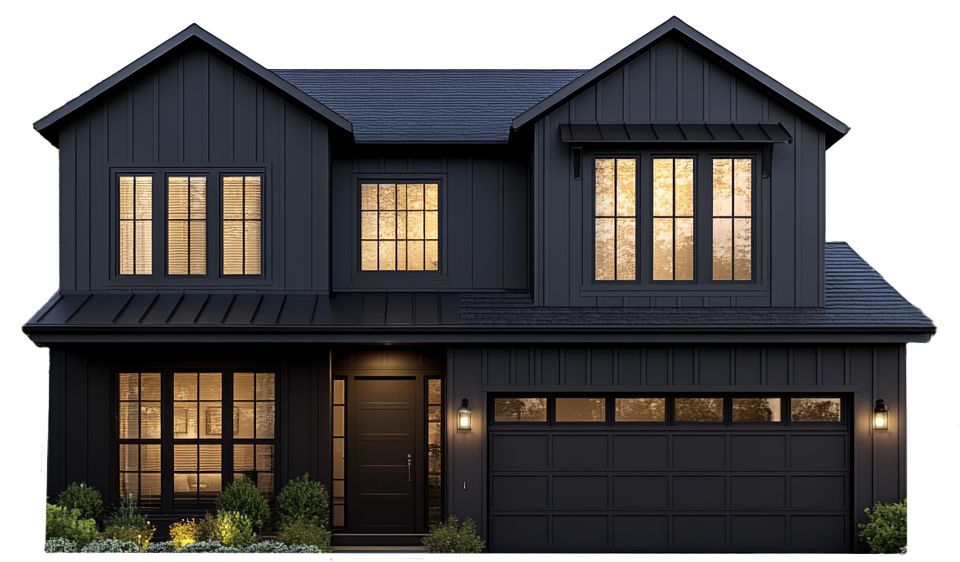
*Offer expires September 30, 2026
Try Our 3D Home Design Visualizer!
Excited to explore new possibilities for your home? Snap a photo to kickstart your journey with our online design tool or get inspired by our sample homes.
Start Designing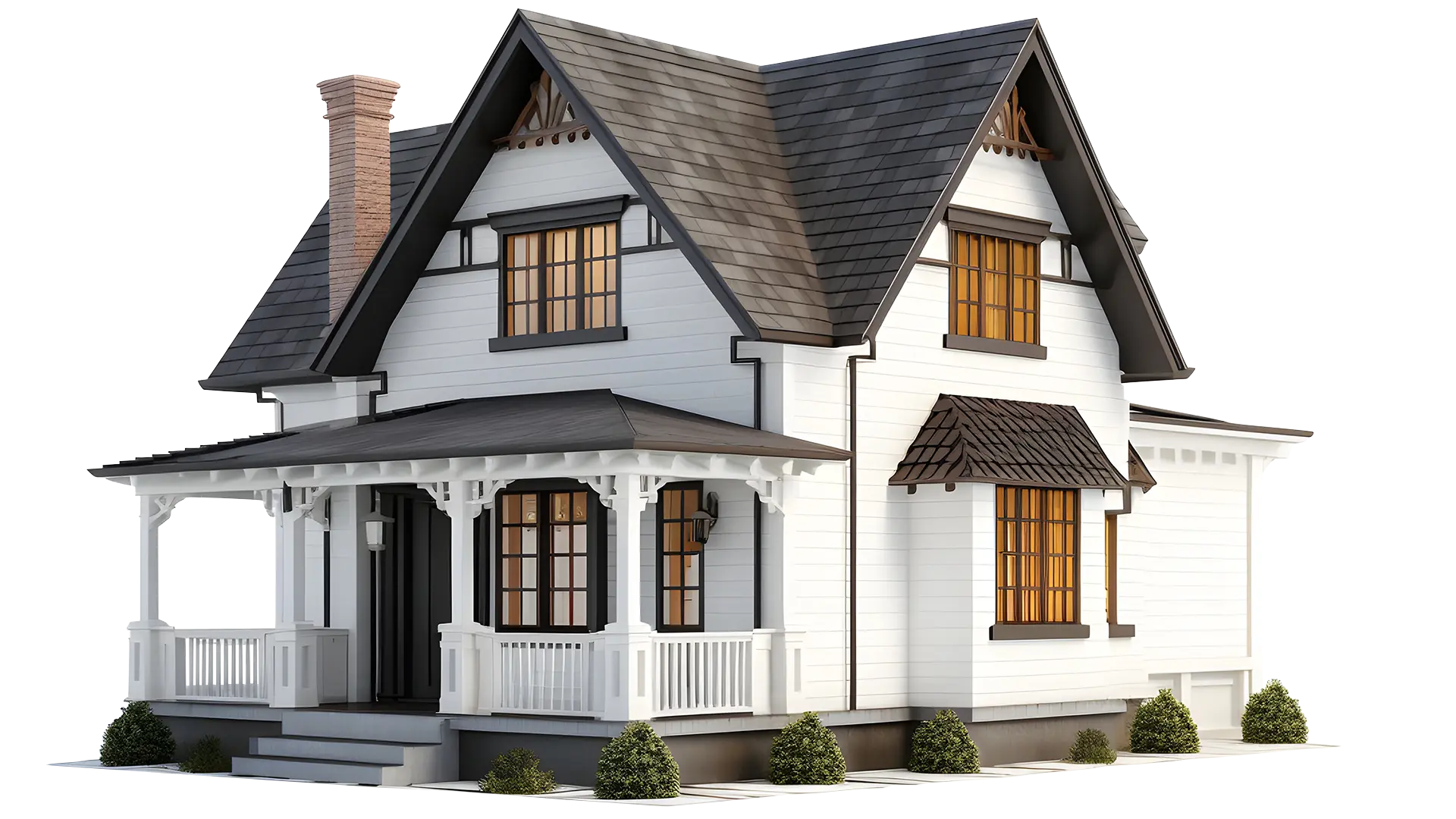
Why Choose Us?
Top Rated Siding & Window Experts
- FREE, Detailed Estimates
Receive clear, detailed quotes on-site, with no hidden fees.
- Fire Resistant Products
Enjoy peace of mind with quality materials like James Hardie siding and Anlin Windows.
- Local, Family-Owned Company
Decades of unparalleled expertise. No subcontractors!
- Licensed, Certified & Insured
We are fully licensed and certified, guaranteeing top-notch craftsmanship.
- Old-school Professionalism
Thorough cleanup and dependable follow-through with every siding and window project.


Dive Into Your Next Project with San Jose T1-11 Siding Today!
Discover the benefits of T1-11 Siding in San Jose. Reach out to us now for a consultation!
Get StartedWhy Us
- Free Quotes, Competitive Pricing
- On-Time Service
- Local, Family-Owned & Operated
- Reliable, Experienced, Certified
- Licensed & Certified
- Elite Preferred Contractor
- Family Owned & Operated
Replacement Windows
© 2026 Bay Area Siding Company, Inc. All Rights Reserved.Full-Service Siding & Window Experts in Bay Area. Bay Area Siding Company rated 5 / 5 based on 150 reviews.