Family Owned & Operated
Licensed & Certified
Free Estimates


San Bruno James Hardie Siding
Let Bay Area Siding Company enhance your San Bruno home with James Hardie Siding. Our selection guarantees superior durability, stunning aesthetics, and weather resistance.


Schedule Your Consultation Today & Save Up to $1,500!
Request Free Pricing Today for Your Exterior Renovation Needs!


For most San Bruno homeowners, the case for James Hardie fiber cement starts with the weather. This is a city that lives in the marine layer — fog, salt, and hard afternoon wind funneling in off the ocean — and it's full of mid-century tract homes whose original wood or hardboard siding has spent decades soaking that up. Hardie is dimensionally stable in damp, wind-driven conditions, comes in a line built specifically for California, and holds a factory finish far longer than repainted wood in a fog belt. For the smaller number of homes on San Bruno's hillside and open-space edges, it also happens to be noncombustible. This page covers where Hardie fits here, how the city's permit and fire-zone rules can affect the job, and what a correct install involves.
Thinking about a re-side? Request an estimate or call (415) 619-5167.
Why fiber cement suits San Bruno
Wood siding in the San Bruno Gap is on a maintenance treadmill: the same wind that keeps the city cool drives rain into every seam, and salt-laden marine air is unkind to paint. Fiber cement doesn't rot, doesn't feed mold, and won't swell at the joints the way aging T1-11 or hardboard does. On the postwar ranch and split-level homes that make up much of Crestmoor, Rollingwood, and Mills Park, Hardie's lap and panel profiles can hold the era's clean horizontal lines while ending the repaint-every-few-years cycle. It's a durability-and-upkeep decision first — and on the right parcels, a fire-resilience one too.
The San Bruno climate spec
James Hardie builds to regional specifications through its HardieZone system, and all of California falls in HZ10 — the line engineered for hot, dry inland stretches and the state's UV and seasonal-moisture swings, as opposed to the HZ5 products made for freeze-thaw regions. HZ10 is the right baseline for a San Bruno home. Within the city, exposure still varies: homes catching the full brunt of the gap wind and fog benefit from careful drainage and clearance detailing, while the factory ColorPlus finish earns its keep everywhere here, resisting fade and moisture with much less maintenance than field-painting wood in this climate.
Fire-hazard parcels: check before you assume
San Bruno is largely a built-out, lower-hazard city, and most homes are not in a mapped high-fire zone. But the city is a Local Responsibility Area that has adopted the state's updated Fire Hazard Severity Zone map, and parcels along the western hills and the protected open-space margins — for example lots in or near Portola Highlands and the Sweeney Ridge foothills — can be designated where housing meets wildland. Where a parcel is in a designated zone, California Building Code Chapter 7A governs the exterior wall covering, generally requiring a noncombustible material or a tested ignition-resistant assembly. Fiber cement is noncombustible and is one of the recognized compliant options; standard untreated cedar or redwood generally is not. Whether Chapter 7A applies to your project depends on the parcel's designation and the scope of work, so we verify your address against the city's map first rather than treating it as automatic either way.
San Bruno permits and Design Review
Re-siding in San Bruno runs through the city's Building Division, and a building permit is required before siding or stucco work starts. If the project changes the exterior in a way the city treats as more than an in-kind replacement, additional planning review can come into play; we confirm what your specific scope triggers with the Community & Economic Development Department rather than assuming. Planning for that up front keeps the schedule honest.
What a quality re-side involves on an older San Bruno home
Taking the old cladding off — instead of wrapping over it — is what lets a crew find and fix what's actually behind the wall:
- Tear-off and substrate inspection. With the siding gone, we can read the sheathing, catch concealed dry rot around windows and at the base of walls, and see where marine moisture has been getting in.
- Water-resistive barrier and flashing. A code-compliant WRB and correct flashing at windows, doors, penetrations, and transitions is what keeps the wall dry — in the gap's wind-driven rain, this detailing matters more than the brand on the boards.
- Clearances and fastening. James Hardie publishes ground, roof, and deck clearances plus fastening and joint specs, and the warranty depends on installing to them.
- Window and trim integration. Many re-sides pair with window replacement; the flashing has to be sequenced correctly between siding and windows.
- Hillside access. Homes on San Bruno's western slopes can mean tighter staging that shapes the plan.
James Hardie vs. the alternatives here
| Consideration | James Hardie (fiber cement) | Standard wood (cedar/redwood) | Vinyl | |---|---|---|---| | Marine fog + salt air | Won't rot or swell; holds finish | Needs constant sealing and repaint | Low-maintenance but can distort | | Fire-zone (Chapter 7A) parcels | Noncombustible — a compliant option | Untreated wood generally not compliant | Not noncombustible | | California climate line | HZ10, engineered for the state | Ongoing upkeep | N/A | | Look on mid-century homes | Profiles hold the era's lines | Authentic | Least authentic |
For most San Bruno homes the deciding factor is fog-belt durability and low upkeep; on a designated edge parcel, noncombustibility moves the shortlist toward fiber cement, a tested ignition-resistant assembly, or stucco.
Warranty
James Hardie backs its siding, trim, and soffit with a transferable 30-year, non-prorated substrate limited warranty, and its ColorPlus Technology finish carries a 15-year limited warranty against peeling, cracking, and chipping. These are manufacturer warranties and depend on installation to James Hardie's published specifications.
What drives cost
The honest drivers on a San Bruno Hardie project are tear-off complexity and any hidden substrate repair found at inspection; the number of stories and any hillside access; window and trim integration; the product line and finish (ColorPlus versus primed); any Chapter 7A assembly detailing if the parcel is in a designated zone; and any planning review the scope triggers. A walkthrough is the only way to price it honestly.
Frequently asked questions
Is James Hardie worth it in San Bruno's climate? For most homes here, yes — fiber cement doesn't rot or swell in the marine damp and holds a factory finish far longer than repainted wood in the fog and salt air, which is the main upkeep headache in the San Bruno Gap.
Does my San Bruno home need noncombustible siding? Only if your parcel is in a designated Fire Hazard Severity Zone, which mainly affects hillside and open-space-edge lots, not the flatland tracts. Where it applies, Chapter 7A steers toward noncombustible or ignition-resistant materials, and fiber cement qualifies. We check your address first.
Which James Hardie line is right here? HZ10, the California line James Hardie engineers for the state's climate. Specific products, profiles, and colors depend on your home's style and exposure.
Do I need a permit to re-side in San Bruno? Yes — the city requires a building permit for siding and stucco work through its Building Division, and some scopes bring additional planning review. We handle it.
What warranty comes with James Hardie siding? A transferable 30-year non-prorated limited product warranty on the fiber cement and a 15-year limited finish warranty on ColorPlus, when installed to James Hardie's specifications.
Get started
Let's assess your home's siding, substrate, exposure, and any fire-zone status, and spec a Hardie system that fits San Bruno's climate. Request an estimate or call (415) 619-5167. See the broader material category on our fiber cement hub, browse the project gallery, explore the Peninsula service area, and for the rest of the exterior see San Bruno siding replacement and San Bruno window replacement.
Serviced ZIP Codes: 94066
- Alamo James Hardie Siding
- Albany James Hardie Siding
- American Canyon James Hardie Siding
- Angels Camp James Hardie Siding
- Antioch James Hardie Siding
- Apple Hill James Hardie Siding
- Arnold James Hardie Siding
- Belmont James Hardie Siding
- Benicia James Hardie Siding
- Berkeley James Hardie Siding
- Blackhawk James Hardie Siding
- Bodega Bay James Hardie Siding
- Brentwood James Hardie Siding
- Burlingame James Hardie Siding
- Calistoga James Hardie Siding
- Cambrian Park James Hardie Siding
- Campbell James Hardie Siding
- Castro Valley James Hardie Siding
- Chico James Hardie Siding
- Clayton James Hardie Siding
- Clear Lake James Hardie Siding
- Concord James Hardie Siding
- Cordelia James Hardie Siding
- Corte Madera James Hardie Siding
- Cotati James Hardie Siding
- Cupertino James Hardie Siding
- Daly City James Hardie Siding
- Danville James Hardie Siding
- Discovery Bay James Hardie Siding
- Dixon James Hardie Siding
- Dublin James Hardie Siding
- East Bay James Hardie Siding
- El Cerrito James Hardie Siding
- El Sobrante James Hardie Siding
- Emeryville James Hardie Siding
- Fairfax James Hardie Siding
- Fairfield James Hardie Siding
- Foster City James Hardie Siding
- Fremont James Hardie Siding
- Galt James Hardie Siding
- Gilroy James Hardie Siding
- Grass Valley James Hardie Siding
- Half Moon Bay James Hardie Siding
- Hayward James Hardie Siding
- Hercules James Hardie Siding
- Hidden Valley Lake James Hardie Siding
- Isleton James Hardie Siding
- Jackson James Hardie Siding
- Kentfield James Hardie Siding
- Lafayette James Hardie Siding
- Lakeport James Hardie Siding
- Larkspur James Hardie Siding
- Livermore James Hardie Siding
- Los Altos James Hardie Siding
- Los Gatos James Hardie Siding
- Lower Lake James Hardie Siding
- Manteca James Hardie Siding
- Marin City James Hardie Siding
- Martinez James Hardie Siding
- Menlo Park James Hardie Siding
- Mill Valley James Hardie Siding
- Millbrae James Hardie Siding
- Milpitas James Hardie Siding
- Moraga James Hardie Siding
- Morgan Hill James Hardie Siding
- Mountain View James Hardie Siding
- Murphys James Hardie Siding
- Napa James Hardie Siding
- North Bay James Hardie Siding
- Novato James Hardie Siding
- Oakland James Hardie Siding
- Oakley James Hardie Siding
- Orinda James Hardie Siding
- Pacifica James Hardie Siding
- Palo Alto James Hardie Siding
- Paradise James Hardie Siding
- Petaluma James Hardie Siding
- Piedmont James Hardie Siding
- Pinole James Hardie Siding
- Pittsburg James Hardie Siding
- Pleasant Hill James Hardie Siding
- Pleasanton James Hardie Siding
- Pollock Pines James Hardie Siding
- Rancho Calaveras James Hardie Siding
- Redwood City James Hardie Siding
- Richmond James Hardie Siding
- Rio Vista James Hardie Siding
- Rodeo James Hardie Siding
- Rohnert Park James Hardie Siding
- Roseland James Hardie Siding
- San Andreas James Hardie Siding
- San Anselmo James Hardie Siding
- San Bruno James Hardie Siding
- San Carlos James Hardie Siding
- San Jose James Hardie Siding
- San Leandro James Hardie Siding
- San Mateo James Hardie Siding
- San Pablo James Hardie Siding
- San Rafael James Hardie Siding
- San Ramon James Hardie Siding
- Santa Clara James Hardie Siding
- Santa Cruz James Hardie Siding
- Santa Rosa James Hardie Siding
- Saratoga James Hardie Siding
- Sausalito James Hardie Siding
- Scotts Valley James Hardie Siding
- Sebastopol James Hardie Siding
- Sonoma James Hardie Siding
- South Bay James Hardie Siding
- South Lake Tahoe James Hardie Siding
- South San Francisco James Hardie Siding
- St. Helena James Hardie Siding
- Stanford James Hardie Siding
- Stockton James Hardie Siding
- Suisun City James Hardie Siding
- Sunnyvale James Hardie Siding
- Sutter Creek James Hardie Siding
- Tiburon James Hardie Siding
- Tracy James Hardie Siding
- Truckee James Hardie Siding
- Union City James Hardie Siding
- Vacaville James Hardie Siding
- Vallejo James Hardie Siding
- Valley Springs James Hardie Siding
- Walnut Creek James Hardie Siding
- Windsor James Hardie Siding
- Yountville James Hardie Siding
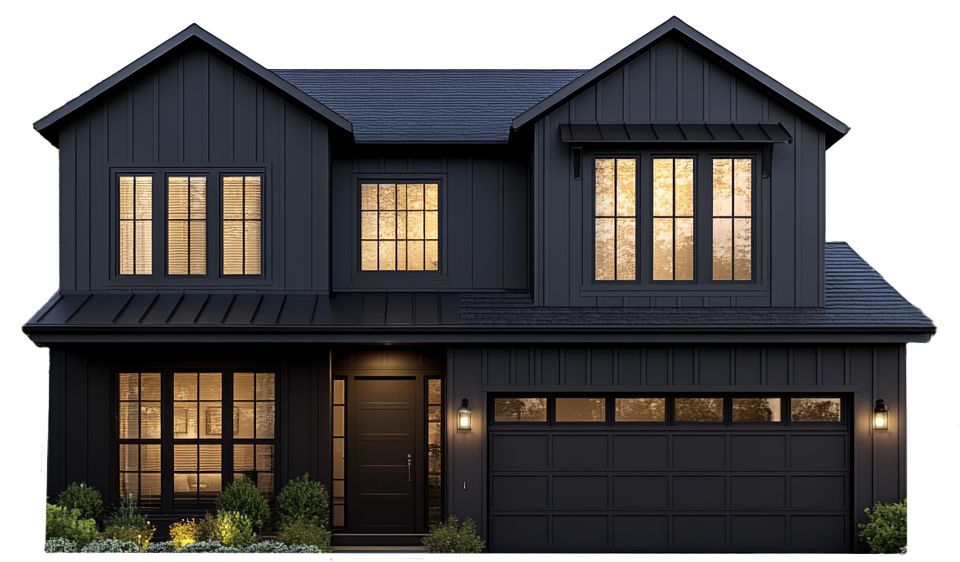
*Offer expires October 31, 2026
Try Our 3D Home Design Visualizer!
Excited to explore new possibilities for your home? Snap a photo to kickstart your journey with our online design tool or get inspired by our sample homes.
Start Designing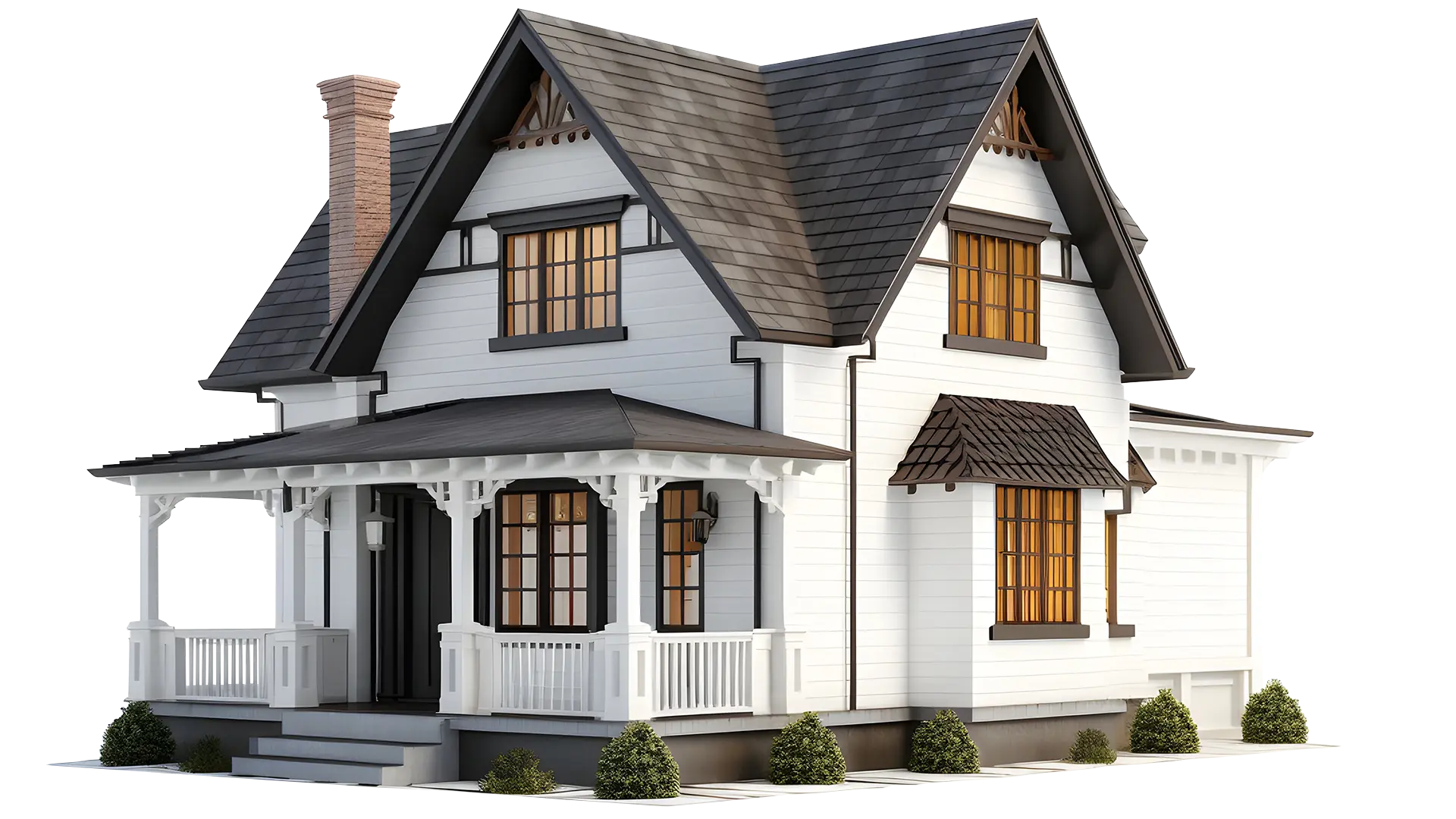
Why Choose Us?
Top Rated Siding & Window Experts
- FREE, Detailed Estimates
Receive clear, detailed quotes on-site, with no hidden fees.
- Fire Resistant Products
Enjoy peace of mind with quality materials like James Hardie siding and Anlin Windows.
- Local, Family-Owned Company
Decades of unparalleled expertise. No subcontractors!
- Licensed, Certified & Insured
We are fully licensed and certified, guaranteeing top-notch craftsmanship.
- Old-school Professionalism
Thorough cleanup and dependable follow-through with every siding and window project.


Start Transforming Your Home with San Bruno James Hardie Siding Today!
Don't wait to elevate your San Bruno home with James Hardie Siding. Reach out today for further details!
Get StartedWhy Us
- Free Quotes, Competitive Pricing
- On-Time Service
- Local, Family-Owned & Operated
- Reliable, Experienced, Certified
- Licensed & Certified
- Elite Preferred Contractor
- Family Owned & Operated
Replacement Windows
© 2026 Bay Area Siding Company, Inc. All Rights Reserved.Full-Service Siding & Window Experts in Bay Area. Bay Area Siding Company rated 5 / 5 based on 150 reviews.