Family Owned & Operated
Licensed & Certified
Free Estimates


Bay Area James Hardie Siding
Enhance your home's durability and aesthetic with James Hardie Siding from Bay Area Siding Company. Experience high-quality service and unrivaled craftsmanship.


Schedule Your Consultation Today & Save Up to $1,500!
Request Free Pricing Today for Your Exterior Renovation Needs!


James Hardie Siding Installation in the Bay Area
Bay Area homes face coastal fog, inland sun and, on many parcels, wildfire exposure. James Hardie fiber cement handles all three because it does not burn, rot or soften.
Bay Area Siding Company installs James Hardie siding on homes across the SF Bay Area, from shingle-style houses in Marin to mid-century tract homes in the East Bay and South Bay. Below you'll find how the material behaves, which Hardie line suits which house, and how it compares with other claddings we install.
Considering Hardie for your home? Request an estimate and we'll walk the house with you.
Call (415) 619-5167Why James Hardie holds up in Bay Area conditions
Fire. Fiber cement is noncombustible. That matters on the growing number of parcels that Cal Fire maps place in Fire Hazard Severity Zones. On those lots, Chapter 7A of the California Building Code sets requirements for specific parts of the house, including exterior wall coverings, vents, eaves, and certain windows and decks. It does not simply say "the whole house." Noncombustible siding is one recognized way to meet the exterior-wall requirement. We confirm exactly what your parcel requires with the local building department (the AHJ) at permit time.
Fog and salt air. Near the coast and along the bay, the marine layer can keep walls damp for much of the day. Wood siding in those conditions needs frequent finish maintenance to avoid checking and decay. Fiber cement does not rot, and it holds paint well. Cut edges still need to be sealed or primed per James Hardie's instructions, because water can wick into raw board edges.
Sun and heat. Inland valleys see strong UV and summer heat. Fiber cement moves very little with temperature, so joints stay tighter than on claddings that expand and contract more. James Hardie's HZ10 line is formulated for California's climate zone. The ColorPlus factory finish is baked on for fade resistance.
The honest trade-offs. Hardie is heavy, brittle until fastened, and unforgiving of sloppy work. Its warranty and performance depend on correct clearances, fastening and joint detailing. Cutting it creates silica dust, so crews need dust-collecting saws or shears and should cut outdoors. The upfront cost is typically higher than vinyl, and a sharp blow can chip a corner. For many Bay Area homes those trade-offs are worth it. For some they aren't, and we'll say so.
The James Hardie lineup we install
HardiePlank lap siding
The classic clapboard profile and the most common Hardie install. It suits Craftsman, ranch and tract homes where you want a traditional horizontal look.
HardiePanel vertical
Large-format panels for board-and-batten and clean vertical looks. It's a natural match for Eichlers, modern remodels and accent walls.
HardieShingle
Gives the shingle or shake appearance common on Marin and Peninsula homes without the upkeep and combustibility of solid-wood shingles.
Artisan
A thicker, higher-end lap line with deeper shadow lines. It fits period homes and projects where the look justifies the added cost and weight.
ColorPlus Technology
A baked-on factory finish backed by a 15-year finish limited warranty. It's worth considering where sun or fog makes field paint work harder.
How Hardie compares with other siding options
| James Hardie fiber cement | LP SmartSide | Vinyl | Cedar | |
|---|---|---|---|---|
| Material | Cement, sand, cellulose | Treated engineered wood | PVC | Natural wood |
| Fire | Noncombustible | Combustible; WUI acceptance depends on the assembly, so confirm with the AHJ | Combustible; can soften and distort under intense heat | Combustible unless specially treated |
| Moisture & rot | Rot-resistant; cut edges must be sealed | Treated for rot and termites; edges and clearances matter | Doesn't rot; relies on the WRB behind it | Needs consistent finish upkeep in damp climates |
| Appearance | Crisp, paintable profiles; many textures | Convincing real-wood look | Wide color range; seams more visible | Authentic grain and warmth |
| Weight & install | Heavy; needs skilled crews and dust control | Lighter, easy to work, good impact resistance | Light, fast to install | Moderate; workable |
| Good fit | Fire zones, fog belts, long-term ownership | Wood look with lighter weight and durability | Budget-conscious projects where low maintenance and lower upfront cost matter | Owners who value natural wood and will maintain it |
What drives the cost of a Hardie project
- Wall area and complexity: gables, bays, dormers and multi-story walls add cutting, staging and flashing work.
- Product line and finish: HardiePlank, HardieShingle and Artisan differ in material and labor, and ColorPlus versus primed-and-painted changes the finishing scope.
- What's under the old siding: damaged sheathing, failed WRB or missing flashing found at tear-off needs correcting before new siding goes on.
- Removal and disposal: the type of existing siding, and whether it involves lead paint or other regulated materials, affects removal.
- Trim, openings and details: window and door flashing, trim packages, corners and rainscreen furring all add scope.
- Site and permit conditions: hillside access, tight lot lines and fire-zone requirements from the AHJ can all shape the job.
Our James Hardie installation process
- Consultation and estimate. We walk the house, check for fire-zone status and moisture clues, discuss product lines, and write a clear scope.
- Permits. We confirm current requirements with the local building department, including any Chapter 7A items for your parcel.
- Tear-off to the sheathing. We remove the old siding down to the sheathing/substrate so the water-resistive barrier and flashing can actually be seen.
- Inspect and correct. We look for soft or stained sheathing around windows, below decks and at roof-wall intersections, and repair damage before anything is covered.
- WRB and flashing detailing. We install a new WRB lapped shingle-style, integrate it with window and door flashing, add kick-out flashing where roofs meet walls, and add furring for a rainscreen where the wall calls for it.
- Install to James Hardie spec. Crews follow the specified fastening and clearances from grade, roofing and hard surfaces, flash butt joints, seal cut edges, and use dust-controlled cutting.
- Finish and walkthrough. We handle paint or ColorPlus touch-up, then walk the house with you to review details and warranty documentation.
Why homeowners choose Bay Area Siding Company
We're a Larkspur-based siding contractor serving the Bay Area. We treat Hardie as a wall assembly, not just a new skin on the house.
Every tear-off includes a look at the sheathing, WRB and flashing, because that layer is what keeps water out.
We follow James Hardie's installation requirements, which is also what keeps the manufacturer warranties intact.
We give a clear written scope and honest guidance, including when LP SmartSide or vinyl is the better fit, with a direct line at (415) 619-5167.
How to vet any siding contractor
- Verify the contractor's license and its status at cslb.ca.gov before signing.
- Ask whether the bid includes full tear-off and inspection of the WRB and flashing, or just new siding over whatever is there.
- Ask how they handle butt joints, kick-out flashing and cut-edge sealing on fiber cement. Vague answers are a warning sign.
- Confirm who pulls the permit and whether fire-zone requirements have been checked with the AHJ.
- Ask how they control silica dust when cutting fiber cement.
- Get a written scope that spells out repairs, trim, paint or ColorPlus finish, and disposal.
Other services we offer
Comparing materials or planning a larger exterior project? These pages go deeper.
James Hardie Siding FAQ
My home is in a Cal Fire hazard zone. Is Hardie siding enough to comply?
Noncombustible siding like Hardie is one accepted way to address the exterior-wall requirement under Chapter 7A. However, the code also covers vents, eaves, and some windows and decks. We check your parcel's designation and confirm current requirements with the local building department at permit time.
Should I choose ColorPlus or primed Hardie that gets painted on site?
ColorPlus has a baked-on finish with its own 15-year finish limited warranty and reduces repainting, which helps on sunny inland walls and fog-exposed coastal ones. Primed board allows any custom color and is easier to match on partial projects, but you'll repaint on a normal schedule.
Can Hardie go over my existing siding?
We generally recommend a full tear-off. Hardie's performance depends on a sound, flat substrate and a properly lapped WRB, and covering old siding hides any moisture damage behind it. Tear-off lets us inspect and correct the sheathing and flashing before the new siding goes on.
Does Hardie work on Eichlers and other mid-century homes?
Yes. HardiePanel vertical can recreate the clean vertical lines many Eichlers and modern remodels call for. On older tract homes, it's worth checking for missing flashing around windows once the original siding comes off.
Is Hardie too heavy for my house?
Fiber cement weighs more than vinyl or engineered wood, but typical wood-framed homes handle it when it's fastened per James Hardie's spec. The weight matters more for handling and installation skill than for the structure.
Ready to see how James Hardie would look and perform on your home? Schedule a consultation today.
Call (415) 619-5167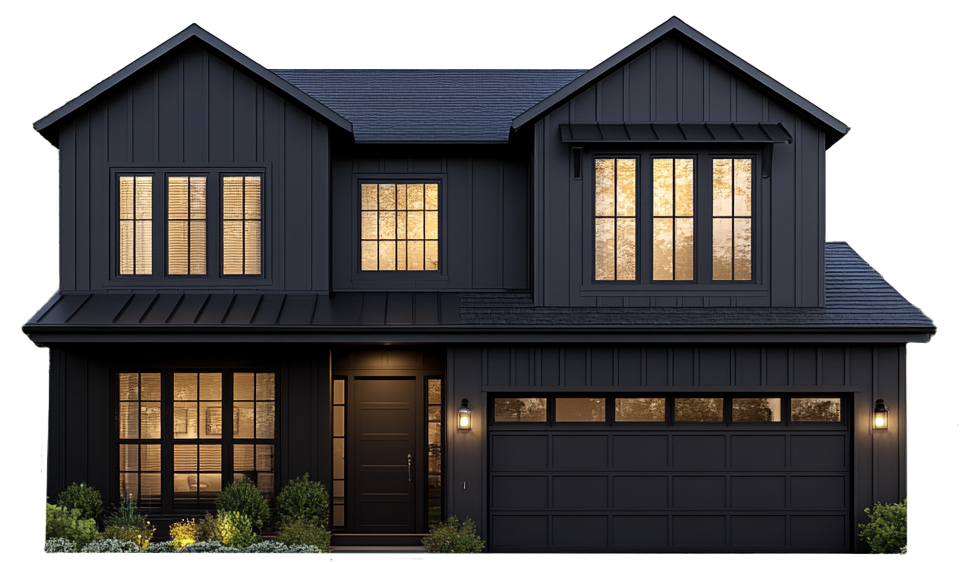
*Offer expires September 30, 2026
Try Our 3D Home Design Visualizer!
Excited to explore new possibilities for your home? Snap a photo to kickstart your journey with our online design tool or get inspired by our sample homes.
Start Designing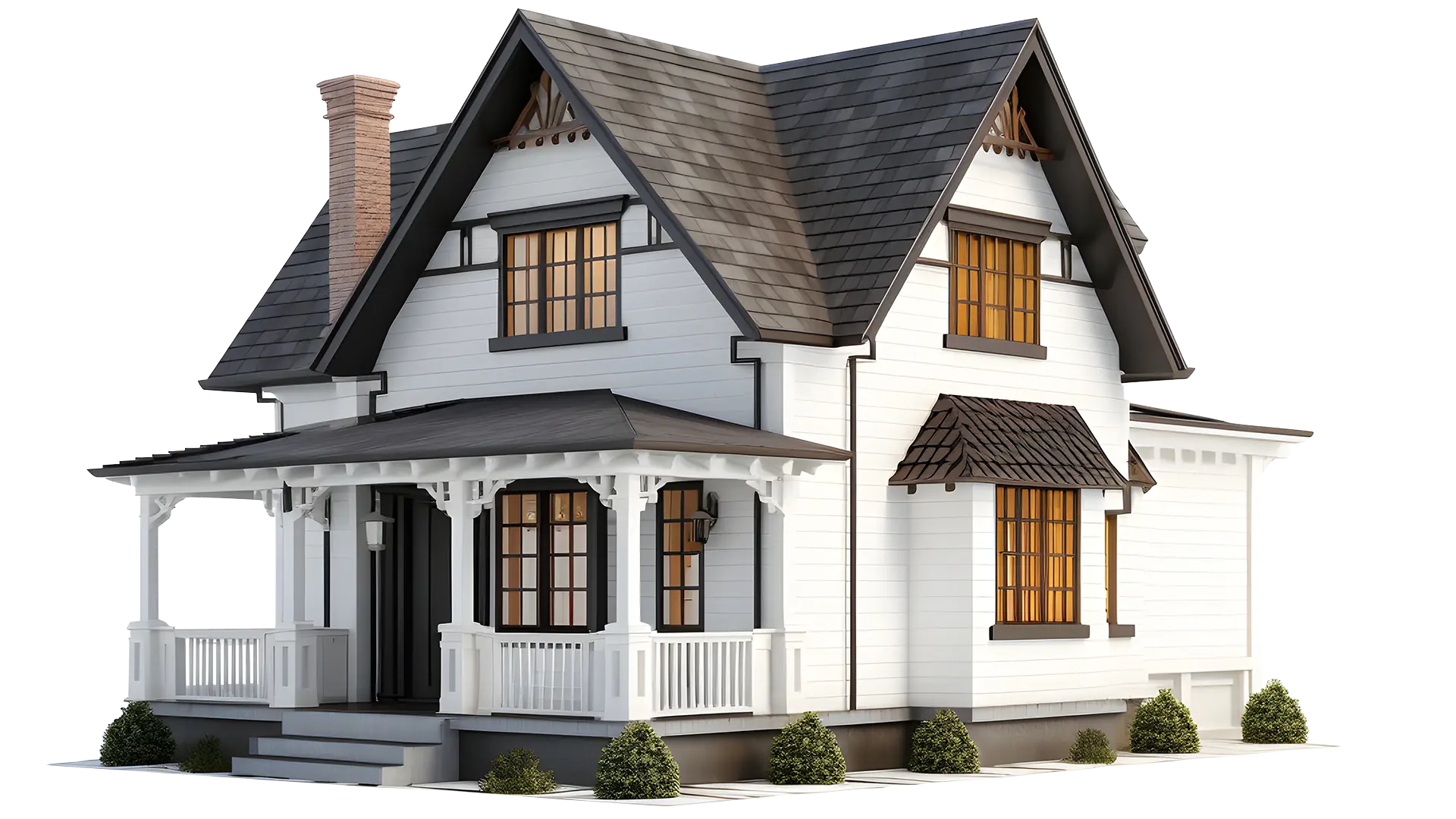
Why Choose Us?
Top Rated Siding & Window Experts
- FREE, Detailed Estimates
Receive clear, detailed quotes on-site, with no hidden fees.
- Fire Resistant Products
Enjoy peace of mind with quality materials like James Hardie siding and Anlin Windows.
- Local, Family-Owned Company
Decades of unparalleled expertise. No subcontractors!
- Licensed, Certified & Insured
We are fully licensed and certified, guaranteeing top-notch craftsmanship.
- Old-school Professionalism
Thorough cleanup and dependable follow-through with every siding and window project.


Everything You Need to Know About Cement Board
February 5th, 2026 by Daniel

Discover James Hardie ColorPlus Colors for Your Home
November 26th, 2025 by Daniel

Discover the Benefits of LP WeatherLogic
July 3rd, 2025 by Eugene Hampton

Composite Siding: Durable, Stylish, Eco-Friendly Option
May 7th, 2025 by Eugene Hampton

Benefits of Choosing Hardie Board Siding
March 15th, 2025 by Eugene Hampton

FastPlank Systems: Revolutionizing Siding Solutions
January 31st, 2025 by Daniel
- Alamo
- Albany
- American Canyon
- Angels Camp
- Antioch
- Apple Hill
- Arnold
- Belmont
- Benicia
- Berkeley
- Blackhawk
- Bodega Bay
- Brentwood
- Burlingame
- Calistoga
- Cambrian Park
- Campbell
- Castro Valley
- Chico
- Clayton
- Clear Lake
- Concord
- Cordelia
- Corte Madera
- Cotati
- Cupertino
- Daly City
- Danville
- Discovery Bay
- Dixon
- Dublin
- East Bay
- El Cerrito
- El Sobrante
- Emeryville
- Fairfax
- Fairfield
- Foster City
- Fremont
- Galt
- Gilroy
- Grass Valley
- Half Moon Bay
- Hayward
- Hercules
- Hidden Valley Lake
- Isleton
- Jackson
- Kentfield
- Lafayette
- Lakeport
- Larkspur
- Livermore
- Los Altos
- Los Gatos
- Lower Lake
- Manteca
- Marin City
- Martinez
- Menlo Park
- Mill Valley
- Millbrae
- Milpitas
- Moraga
- Morgan Hill
- Mountain View
- Murphys
- Napa
- North Bay
- Novato
- Oakland
- Oakley
- Orinda
- Pacifica
- Palo Alto
- Paradise
- Petaluma
- Piedmont
- Pinole
- Pittsburg
- Pleasant Hill
- Pleasanton
- Pollock Pines
- Rancho Calaveras
- Redwood City
- Richmond
- Rio Vista
- Rodeo
- Rohnert Park
- Roseland
- San Andreas
- San Anselmo
- San Bruno
- San Carlos
- San Jose
- San Leandro
- San Mateo
- San Pablo
- San Rafael
- San Ramon
- Santa Clara
- Santa Cruz
- Santa Rosa
- Saratoga
- Sausalito
- Scotts Valley
- Sebastopol
- Sonoma
- South Bay
- South Lake Tahoe
- South San Francisco
- St. Helena
- Stanford
- Stockton
- Suisun City
- Sunnyvale
- Sutter Creek
- Tiburon
- Tracy
- Truckee
- Union City
- Vacaville
- Vallejo
- Valley Springs
- Walnut Creek
- Windsor
- Yountville


Enhance Your Home's Charm with Bay Area James Hardie Siding – Begin Your Transformation Now!
Learn more about James Hardie Siding and how we can help. Contact us today!
Get StartedWhy Us
- Free Quotes, Competitive Pricing
- On-Time Service
- Local, Family-Owned & Operated
- Reliable, Experienced, Certified
- Licensed & Certified
- Elite Preferred Contractor
- Family Owned & Operated
Replacement Windows
© 2026 Bay Area Siding Company, Inc. All Rights Reserved.Full-Service Siding & Window Experts in Bay Area. Bay Area Siding Company rated 5 / 5 based on 150 reviews.