
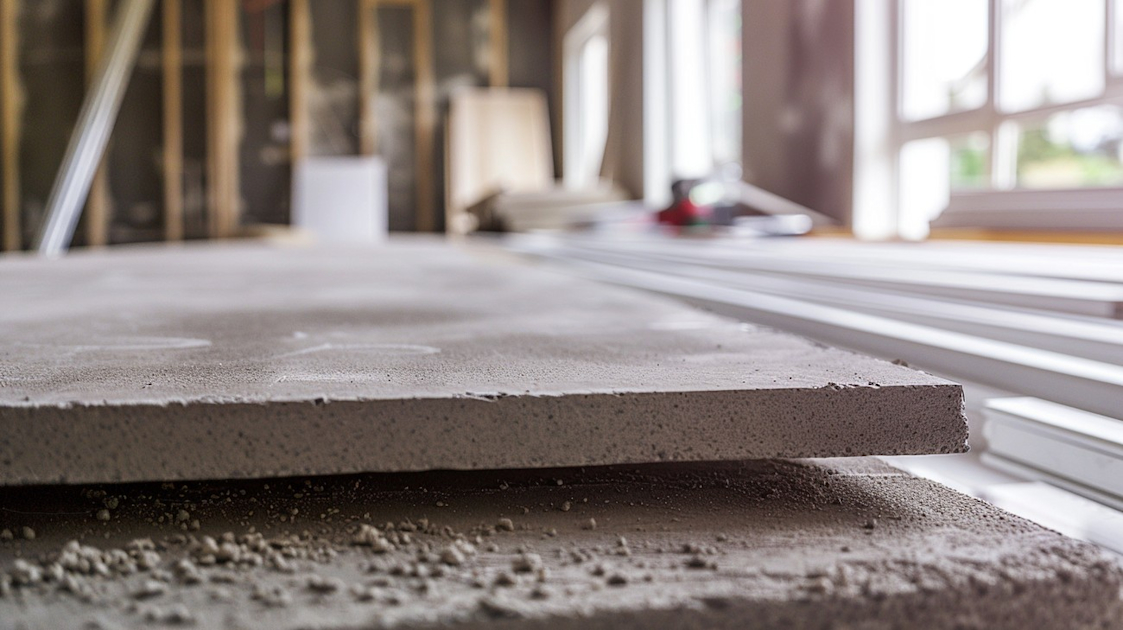


In the sprawling realm of construction and home improvement, cement board emerges as an influential component that has significantly altered the building landscape. If you're in the midst of a renovation, planning a new build, or simply intrigued about construction materials, this comprehensive guide will provide everything you need to know about cement board, its applications, and why it has become an indispensable choice for many builders and DIY enthusiasts.
What is Cement Board?
Cement board is a versatile, durable construction material often used as a substrate for tiles in moist areas like bathrooms and kitchens. Composed of cement and reinforcing fibers, typically cellulose or fiberglass, it's lauded for its strength and water-resistant properties. Available in various thicknesses, it ensures a stable, unyielding surface that withstands the elements.
The Manufacturing Process
Understanding the creation of cement board unveils why it holds such exceptional qualities:
Mixing Ingredients: The process begins with combining cement, sand, and fillers. Fibers, either cellulose or fiberglass, are integrated to enhance flexibility and tensile strength.
Forming Boards: This mixture is then molded into thin sheets. Compression removes excess water and solidifies the form, ensuring durability and rigidity.
Curing: The critical phase involves letting the boards cure, whereby they gain additional strength as chemical reactions complete over time.
Cutting and Finishing: Once cured, boards are trimmed to size and finished to ensure a smooth and uniform product ready for diverse applications.
Key Properties of Cement Board
Cement board stands apart due to its array of properties that serve various construction needs:
Water Resistance: Unlike drywall, cement board does not succumb easily to water, making it ideal for wet areas.
Mold Resistance: Its composition restricts mold growth, promoting a healthier environment.
Fire Resistance: With a higher resistance to fire, it adds an extra layer of safety to buildings.
Durability: Its robust nature can hold up against physical impacts, maintaining its integrity over time.
Applications of Cement Board
Cement board is a versatile material, finding utility in numerous applications. Here’s where it shines:
Tiling Substrate
The board provides a sturdy base for tile installations, ensuring longevity and maintaining appearance in wet areas, like:
- Bathrooms: Used behind wall tiles, it safeguards against water damage.
- Kitchens: Providing a resilient surface for backsplash tiles, it blends functionality with aesthetics.
Exterior Uses
Thanks to its durability, cement board is suitable for exterior projects:
- Siding: Serving as an external cladding material, it resists weather extremes.
- Outdoor Kitchens: It stands up to the elements, making it ideal for outdoor projects that require both durability and style.
Fireplaces and Stoves
Due to its fire-resistant properties, cement board helps create a secure barrier around stoves and fireplaces, enhancing both safety and function.
Choosing the Right Cement Board
Selecting the appropriate cement board involves considering factors specific to your project:
- Thickness: Choose between 1/4 inch to 5/8 inch thickness depending on the application. Thicker boards generally offer greater structural support.
- Size: Opt for standard sizes, usually available in 3x5 foot sheets, tailoring to the scope of your project.
Installing Cement Board
While installing cement board may seem daunting, breaking it down into steps can simplify the process:
Measuring and Cutting: Use a utility knife to score lines before snapping the board along the score. For curved cuts, a jigsaw can be used.
Securing the Board: Fasten the board to the substrate using screws designed for cement board, ensuring a secure and stable fit.
Taping and Sealing: Joint seams must be taped with mesh tape and sealed with mortar, ensuring a continuous, waterproof surface.
Finishing: Once installed and sealed, it’s ready for its final layer, whether that be tiles, stones, or other finishes.
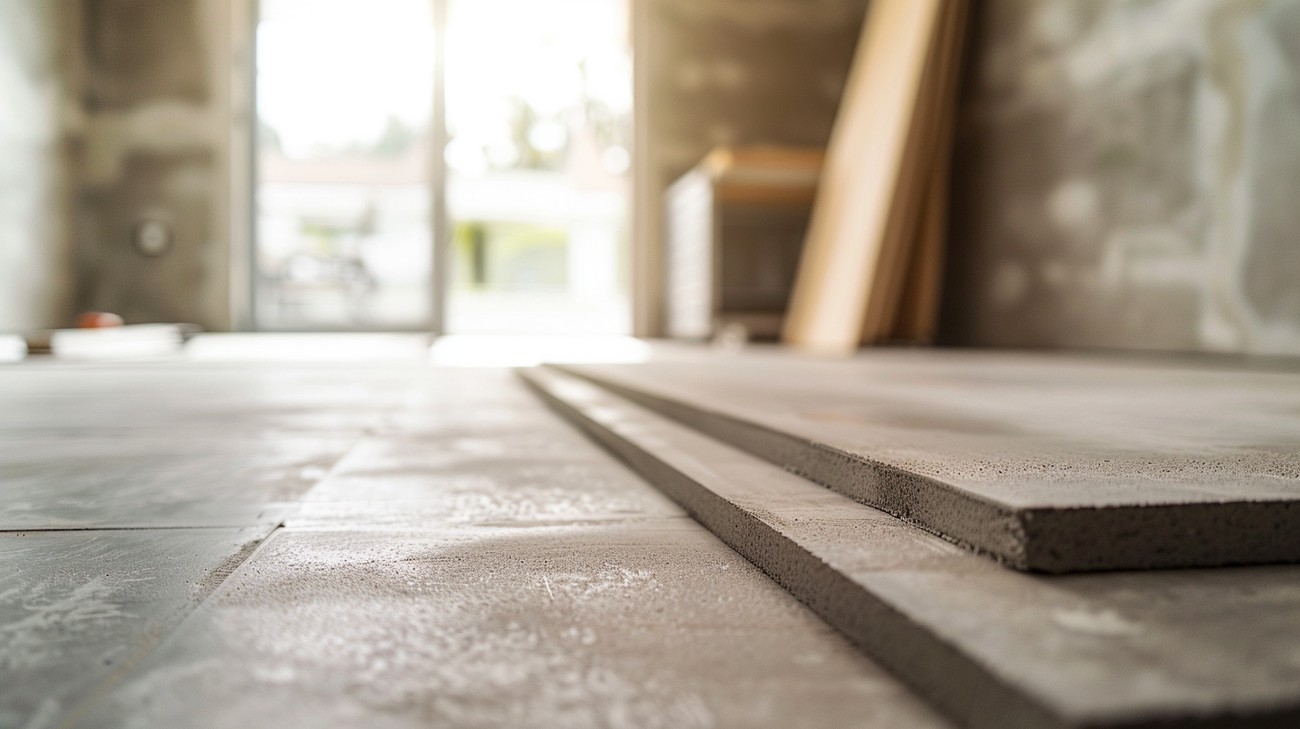
Frequently Asked Questions about Cement Board
What are the primary uses of cement board?
Cement board is predominantly used as a substrate for tiles. It's hailed for its strength and water resistance, making it ideal for areas prone to moisture like bathrooms, kitchens, and laundry rooms. Besides tile underlayment, cement board panels can be utilized for exterior applications due to their durability and resistance to the elements. They provide a solid, reliable base for decorative materials such as stucco and stone, offering architects and builders a versatile solution for diverse construction projects.
How does cement board differ from drywall?
While both cement board and drywall are used in construction, they serve different purposes. Cement board is a composite material made of cement and reinforcing fibers, which gives it superior strength and water resistance compared to drywall. Drywall, composed of gypsum plaster sandwiched between layers of paper, is more suited for dry areas and interior walls. Cement board's resistance to humidity and mold makes it the preferred choice for wet areas, while drywall is lighter and easier to work with for general wall construction.
Can cement board be used outside?
Yes, cement board is an excellent choice for exterior applications. Its composition allows it to withstand harsh weather conditions without degrading. It's commonly used on façades, as backing for exterior tile projects, or as a base for siding materials like stucco or stone veneer. However, while cement board is durable outside, it's crucial to ensure it's installed with the proper waterproofing measures to prevent any moisture ingress at joints or seams.
Is there a difference between cement board and backer board?
"Cement board" and "backer board" are often used interchangeably, but the term "backer board" encompasses a broader category. Backer boards can be made from a variety of materials, including cement, foam, or fiber-reinforced gypsum. Cement board is a type of backer board that specifically contains cement, known for its strength and water resistance. It is typically the go-to for tile installations in wet areas due to its robust properties compared to other backer board types.
What tools are needed to cut cement board?
To cut cement board effectively, a few essential tools are recommended. A scoring tool or a carbide-tipped scoring knife can assist in making straight cuts. Once scored, you can snap the board along the cut line. For more complex cuts, such as curves or intricate shapes, a jigsaw with a carbide-grit blade or a circular saw with a diamond blade is preferred. Ensure all cuts are done in a well-ventilated area with personal protective equipment like masks and goggles to prevent inhaling any dust particles.
How do you install cement board correctly?
Installing cement board correctly involves several steps to ensure stability and longevity. Begin by cutting the board to fit the desired area. Fasten it to the substrate using appropriate cement board screws spaced every 8 inches along the edges and every 12 inches in the center. When joining multiple panels, leave a 1/8-inch gap between each to accommodate expansion. Fill these gaps with cement board tape and a layer of thin-set mortar. This process not only secures the panels but also helps prevent water from seeping through the joints.
Does cement board require waterproofing?
While cement board is water-resistant, it is not entirely waterproof. Therefore, when used in wet environments, additional waterproofing is recommended. Applying a liquid waterproofing membrane over the cement board can seal its surface effectively, preventing moisture penetration. This additional layer is especially critical in showers or other continuously wet areas to keep moisture from seeping into the underlying structure, which could lead to mold growth and structural damage over time.
What is the lifespan of cement board?
Cement board is known for its durability and long lifespan, often lasting decades if properly installed and maintained. Its resistance to water, mold, and mildew adds to its longevity, making it a preferred choice in both residential and commercial construction projects. Regular inspections and timely repairs of any damages or cracks in the cement board can further enhance its lifespan, ensuring it continues to provide a solid and reliable base for various installations.
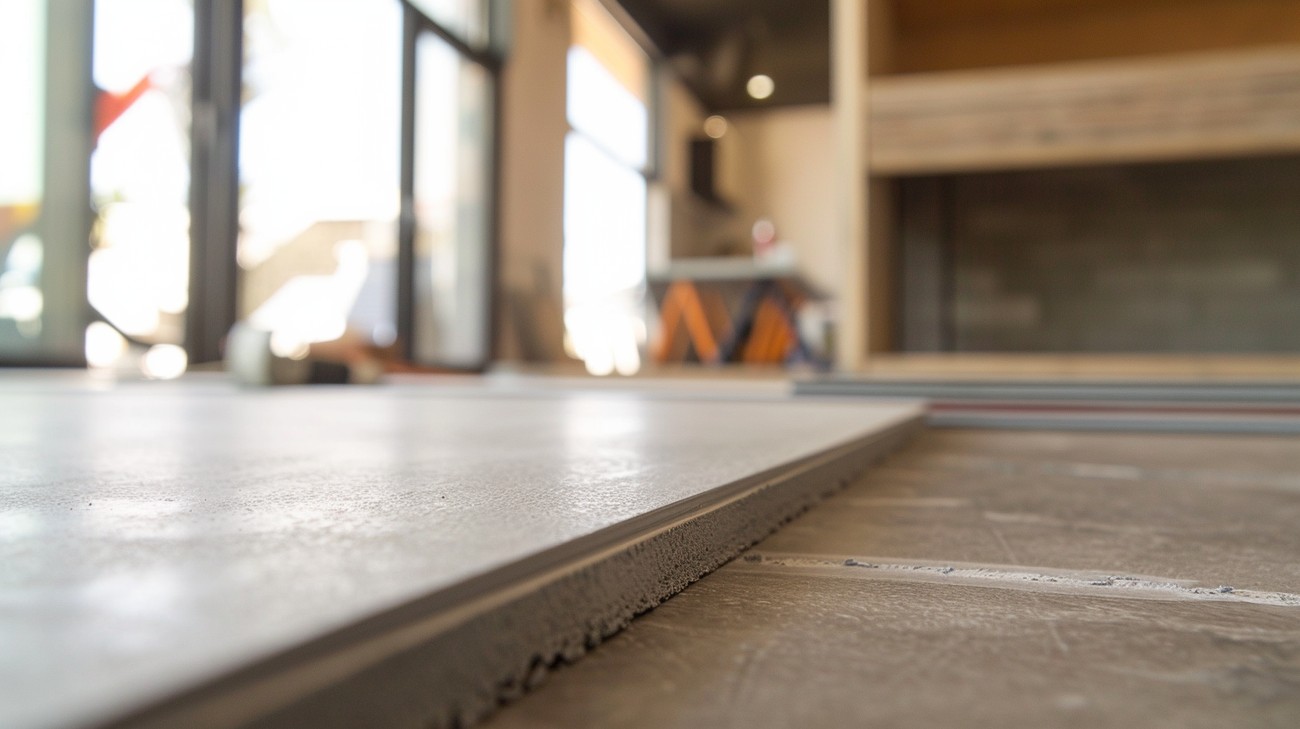
Pros & Cons of Using Cement Board
Pros
Durability is its middle name
Cement board is like the superhero of building materials when it comes to durability. With its solid composition of cement and reinforcing fibers, it's designed to withstand significant wear and tear. Whether you're dealing with a bustling bathroom or a high-traffic kitchen area, cement board stands strong against moisture, mold, and even fire. It doesn’t warp or rot, making it a fantastic long-term investment for your spaces.
Moisture and Mold's worst enemy
If you’re looking to tile a bathroom or kitchen, you’ll love how cement board can handle water. It doesn’t just resist moisture; it holds its own with stellar performance that keeps mildew and mold at bay. This can make your life much easier, especially when keeping bathrooms fresh and clean is already a Herculean task.
Fire resistance adds peace of mind
Installing a material that has a built-in resistance to fire can provide an added layer of protection to your home. Cement board maintains its structure and strength even under extreme temperatures, which can be crucial in maintaining safety in certain parts of your home, like behind stoves or around fireplaces.
Versatility for indoor and outdoor projects
Cement board is not picky about where it shines. You can use it indoors for flooring, countertops, or shower surrounds, and outdoors for stucco finishes or facades. Its ability to bridge the indoor-outdoor gap opens a world of possibilities for home improvement projects.
It's a great base for painting or tiling
There’s nothing quite as satisfying as a smooth, flat surface to tile over or paint on, and cement board delivers just that. It provides excellent adhesion, meaning those beautiful tiles aren't going anywhere after installation. It makes for a better-finished surface when compared to alternatives like drywall.
Cons
Heavier than it looks
Lugging around cement board sheets isn’t something you'd relish. It’s undeniably heavy, which can make installation quite a physical challenge, especially if you're climbing ladders or trying to fit it into tight spaces. Having an extra pair of hands or two isn't just helpful—it's probably necessary.
Cutting and handling can be tricky
Unlike its softer counterparts like drywall, cutting cement board requires the right tools and a bit of elbow grease. You’ll need some serious scoring and snapping or even power tools like a jigsaw equipped with a carbide blade to get the job done right. And brace yourself: it's a dusty business, so wearing a mask isn't just a good idea; it’s essential.
Not the friendliest on your wallet
While its durability and lifespan might offer long-term savings, the upfront cost of cement board can be a hit to your home improvement budget. It’s often more expensive than other substrate materials, which means you'll need to weigh the initial investment against the potential long-term benefits.
Requires extra care in installation
Installing cement board isn’t exactly a breeze. It calls for meticulous sealing of joints and fastening to avoid moisture getting through, which means a bit of a learning curve if you're DIY-ing it. If installed improperly, you could run into water damage despite its moisture resistance.
Rough texture isn't ideal for every finish
While cement board is excellent for tiling, its coarse surface might not be what you want for certain finishes like wallpaper or some paints. Depending on your final look, you might need to add a skim coat for smoother results, which adds time and effort to the project.
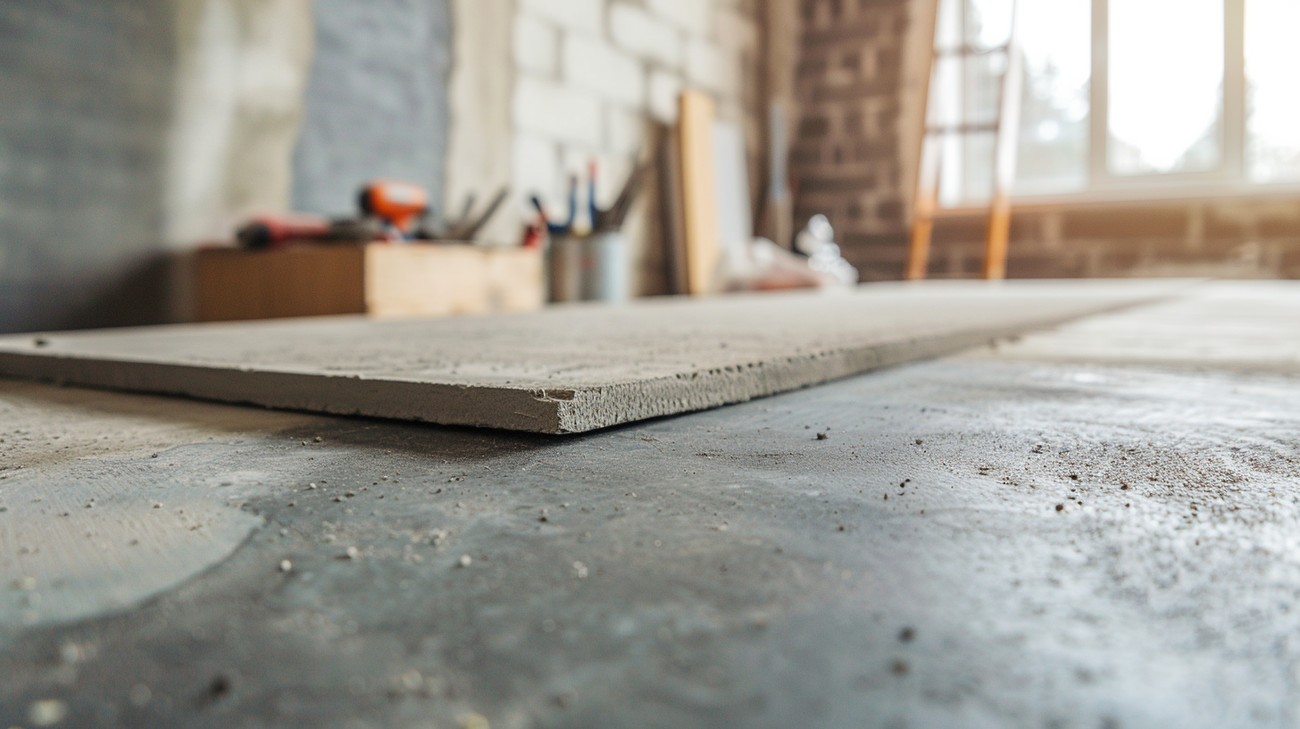
Final Thoughts
When it comes to your home renovation projects, cement board is a fantastic choice for areas that experience high moisture, like bathrooms and kitchens, providing protection and durability. With its resistance to mold and rot, it can be a game-changer in ensuring your walls remain intact and visually appealing for years to come.
If you’re considering using cement board for your next project or simply want to learn more about the best options available, feel free to reach out to us at Bay Area Siding Company. We’re here to help homeowners in Bay Area, CA, navigate their choices and ensure every detail is taken care of, so you can reach out anytime for a consultation or even a free estimate.
The information provided here is intended for general reference and should not be considered professional advice. Before starting any project, consult a licensed contractor. Product features, specifications, and warranties may have been updated since this was published. Any mention of brands or products reflects personal opinion and does not constitute an endorsement or warranty.