Family Owned & Operated
Licensed & Certified
Free Estimates


Stanford Siding & Windows Replacement
Bay Area Siding Company offers top-notch Stanford Siding & Window Replacement. Let us guide your selections for a stylish, enduring home exterior in your city.


Get Started Today & Save Up to $1,500!
Request Free Pricing Today for Your Exterior Renovation Needs!


Re-siding a home in Stanford is not quite like re-siding anywhere else on the Peninsula, and the difference shows up before a single board comes off. Most houses here sit on land leased from the university, and that shapes the approvals path more than the wall assembly does. Bay Area Siding Company is a Larkspur-based siding and window contractor; we handle the full replacement — pulling the old cladding, checking the sheathing and substrate, renewing the water-resistive barrier and flashing, and installing new siding to spec — and we plan the job around the two reviews a Stanford re-side usually has to clear.
Thinking about a re-side? Request an estimate or call (415) 619-5167 and we'll walk the approvals and the wall with you.
Two approvals, not one
This is the part worth understanding first. Stanford, CA is an unincorporated community sitting on Stanford University land in Santa Clara County, and a good share of the residential stock is faculty and staff housing where the homeowner owns the house but leases the ground beneath it. That arrangement adds a step most Peninsula homeowners never encounter:
- The building permit. Exterior work like a full re-side is a permitted alteration. For parcels on unincorporated county land, the Santa Clara County Department of Planning and Development's Building Division issues that permit; a few faculty-housing pockets fall inside adjacent Palo Alto or Menlo Park city limits, where the city building department is the authority instead. Which one applies depends on the parcel, so we confirm it rather than assume.
- The Stanford lease review. Separately, Stanford Faculty and Staff Housing (FSH) requires that home-improvement projects on a Stanford lease be reviewed and approved before work begins. That means a project application with drawings, photos, and product spec sheets, an application fee, and — for homes fifty years and older — extra time for historic review. Different lease areas (San Juan, Olmsted Terrace, University Terrace, and the Palo Alto and Menlo Park pockets) have their own building regulations to check against.
We're comfortable working inside that structure. The practical upshot for you is that a Stanford re-side takes a little more front-end planning, and choosing a crew that already expects the FSH step keeps the timeline honest.
The homes we're re-siding here
The residential fabric around campus leans mid-century. There's a well-known cluster of Eichler homes on leased land — post-and-beam construction, walls of glass, low or flat rooflines, and vertical siding that defines the whole look — alongside ranches and other faculty houses of the same postwar decades. Wall assemblies from that era frequently predate the drainage and weather-barrier detailing that's standard now, which is a large part of why re-sides on these homes are worth doing properly rather than patching indefinitely.
On an Eichler or a flat-roofed mid-century, the profile and how the siding lands into those deep eaves and clerestory lines matter as much as the material. We spec reveals and details that hold the horizontal, glassy character instead of flattening it — and because FSH review often looks closely at exterior appearance, getting that right on paper helps the approval too.
Signs a home here has moved past patching:
- Vertical boards that cup, split, or flex when you press on them
- Paint that peels again a season after a fresh coat
- Soft spots or a screwdriver that sinks into trim near grade
- Musty smells or staining on the inside face of an exterior wall
- Original T1-11 or early cladding that has simply aged out
Why a tear-off, not a cover-over
Fastening new siding over tired material buries the questions that actually decide how long the wall lasts — is the sheathing sound, is there a functioning water-resistive barrier behind it, was the flashing at windows and transitions ever detailed correctly. Removing the old cladding down to the sheathing and substrate is the only way to see and answer those, and on a post-and-beam house with a lot of glazing, the flashing at all those openings is exactly where you want eyes. A cover-over also stacks weight on the wall and can trap moisture against it. A tear-off costs more up front; what it buys is a wall that's correct from the substrate out — and, on a home you own on land you lease, the improvement you own is worth getting right.
Choosing a material
We install several systems and would rather show you the trade-offs at the house than push one. Starting points:
- James Hardie fiber cement — durable, low-maintenance fiber cement with clean profiles that suit mid-century lines; the Stanford James Hardie page goes deeper on product and the lease-review fit
- Fiber cement — the broader category across manufacturers
- LP SmartSide — engineered wood, workable for board-and-batten and the vertical looks these homes wear
- Vinyl siding — a lower-maintenance option where the home and the lease guidelines suit it
We also work with CertainTeed, wood, and aluminum.
Flat ground, not a fire lead
Stanford sits low and flat near the valley floor, in a warm-summer Mediterranean climate — dry summers, cool wet winters, and modest annual rainfall. It is not one of the designated Very High Fire Hazard Severity Zones that drive noncombustible-material rules up in the East Bay or Marin hills, so we don't manufacture a fire-code conversation that doesn't apply here. The genuine durability considerations are ordinary and real: summer UV on south and west walls, and keeping water managed through the wet-winter months with sound flashing and clearances at grade.
What affects the cost
We don't post prices, because no two of these houses are the same. The drivers are the size of the home and number of stories, the material and profile you choose, how much concealed repair turns up once the cladding is off, the extra detailing where siding meets the deep eaves and glazing of a mid-century design, and the front-end work of clearing both the building permit and the FSH review. We price it after we measure and look behind the siding.
Doing the whole envelope? We also handle window replacement in Stanford, and you can see finished work in our project gallery. For the wider area, visit our South Bay service area.
Frequently asked questions
Do I need a permit to re-side a home in Stanford? Yes, and usually two clearances rather than one. A re-side is a permitted alteration — issued by Santa Clara County's Building Division on unincorporated county parcels, or by Palo Alto or Menlo Park where a parcel falls in those city limits. On top of that, homes on a Stanford ground lease generally need Stanford Faculty and Staff Housing to review and approve the project before work starts. We confirm which permit authority applies to your parcel and handle the submittals.
My house is on leased Stanford land — can you still do the work? Yes. We plan the job around the FSH project-application and approval step, including the extra historic-review time that homes fifty years and older can carry, and coordinate it with the building permit so the schedule holds together.
I have an Eichler or a flat-roofed mid-century. Can you keep the look? That's the goal. It comes down to the right vertical profile and reveal and detailing how the siding meets those deep overhangs and clerestory windows. Fiber cement in particular can hold that character while cutting the upkeep, and a clean spec helps the lease-area design review.
Should I replace the siding or just cover over it? For homes of the eras common here, we recommend a full tear-off to the sheathing and substrate so the weather-resistive barrier and flashing can be inspected and corrected. Covering over hides the exact problems worth fixing and adds weight to the wall.
Get your Stanford siding project moving
Call (415) 619-5167 or request an estimate. We'll look at the walls, map the county-permit-plus-FSH path, and lay out a realistic plan.
Serviced ZIP Codes: 94305, 94309
- Alamo Siding & Windows Replacement
- Albany Siding & Windows Replacement
- American Canyon Siding & Windows Replacement
- Angels Camp Siding & Windows Replacement
- Antioch Siding & Windows Replacement
- Apple Hill Siding & Windows Replacement
- Arnold Siding & Windows Replacement
- Belmont Siding & Windows Replacement
- Benicia Siding & Windows Replacement
- Berkeley Siding & Windows Replacement
- Blackhawk Siding & Windows Replacement
- Bodega Bay Siding & Windows Replacement
- Brentwood Siding & Windows Replacement
- Burlingame Siding & Windows Replacement
- Calistoga Siding & Windows Replacement
- Cambrian Park Siding & Windows Replacement
- Campbell Siding & Windows Replacement
- Castro Valley Siding & Windows Replacement
- Chico Siding & Windows Replacement
- Clayton Siding & Windows Replacement
- Clear Lake Siding & Windows Replacement
- Concord Siding & Windows Replacement
- Cordelia Siding & Windows Replacement
- Corte Madera Siding & Windows Replacement
- Cotati Siding & Windows Replacement
- Cupertino Siding & Windows Replacement
- Daly City Siding & Windows Replacement
- Danville Siding & Windows Replacement
- Discovery Bay Siding & Windows Replacement
- Dixon Siding & Windows Replacement
- Dublin Siding & Windows Replacement
- East Bay Siding & Windows Replacement
- El Cerrito Siding & Windows Replacement
- El Sobrante Siding & Windows Replacement
- Emeryville Siding & Windows Replacement
- Fairfax Siding & Windows Replacement
- Fairfield Siding & Windows Replacement
- Foster City Siding & Windows Replacement
- Fremont Siding & Windows Replacement
- Galt Siding & Windows Replacement
- Gilroy Siding & Windows Replacement
- Grass Valley Siding & Windows Replacement
- Half Moon Bay Siding & Windows Replacement
- Hayward Siding & Windows Replacement
- Hercules Siding & Windows Replacement
- Hidden Valley Lake Siding & Windows Replacement
- Isleton Siding & Windows Replacement
- Jackson Siding & Windows Replacement
- Kentfield Siding & Windows Replacement
- Lafayette Siding & Windows Replacement
- Lakeport Siding & Windows Replacement
- Larkspur Siding & Windows Replacement
- Livermore Siding & Windows Replacement
- Los Altos Siding & Windows Replacement
- Los Gatos Siding & Windows Replacement
- Lower Lake Siding & Windows Replacement
- Manteca Siding & Windows Replacement
- Marin City Siding & Windows Replacement
- Martinez Siding & Windows Replacement
- Menlo Park Siding & Windows Replacement
- Mill Valley Siding & Windows Replacement
- Millbrae Siding & Windows Replacement
- Milpitas Siding & Windows Replacement
- Moraga Siding & Windows Replacement
- Morgan Hill Siding & Windows Replacement
- Mountain View Siding & Windows Replacement
- Murphys Siding & Windows Replacement
- Napa Siding & Windows Replacement
- North Bay Siding & Windows Replacement
- Novato Siding & Windows Replacement
- Oakland Siding & Windows Replacement
- Oakley Siding & Windows Replacement
- Orinda Siding & Windows Replacement
- Pacifica Siding & Windows Replacement
- Palo Alto Siding & Windows Replacement
- Paradise Siding & Windows Replacement
- Petaluma Siding & Windows Replacement
- Piedmont Siding & Windows Replacement
- Pinole Siding & Windows Replacement
- Pittsburg Siding & Windows Replacement
- Pleasant Hill Siding & Windows Replacement
- Pleasanton Siding & Windows Replacement
- Pollock Pines Siding & Windows Replacement
- Rancho Calaveras Siding & Windows Replacement
- Redwood City Siding & Windows Replacement
- Richmond Siding & Windows Replacement
- Rio Vista Siding & Windows Replacement
- Rodeo Siding & Windows Replacement
- Rohnert Park Siding & Windows Replacement
- Roseland Siding & Windows Replacement
- San Andreas Siding & Windows Replacement
- San Anselmo Siding & Windows Replacement
- San Bruno Siding & Windows Replacement
- San Carlos Siding & Windows Replacement
- San Jose Siding & Windows Replacement
- San Leandro Siding & Windows Replacement
- San Mateo Siding & Windows Replacement
- San Pablo Siding & Windows Replacement
- San Rafael Siding & Windows Replacement
- San Ramon Siding & Windows Replacement
- Santa Clara Siding & Windows Replacement
- Santa Cruz Siding & Windows Replacement
- Santa Rosa Siding & Windows Replacement
- Saratoga Siding & Windows Replacement
- Sausalito Siding & Windows Replacement
- Scotts Valley Siding & Windows Replacement
- Sebastopol Siding & Windows Replacement
- Sonoma Siding & Windows Replacement
- South Bay Siding & Windows Replacement
- South Lake Tahoe Siding & Windows Replacement
- South San Francisco Siding & Windows Replacement
- St. Helena Siding & Windows Replacement
- Stanford Siding & Windows Replacement
- Stockton Siding & Windows Replacement
- Suisun City Siding & Windows Replacement
- Sunnyvale Siding & Windows Replacement
- Sutter Creek Siding & Windows Replacement
- Tiburon Siding & Windows Replacement
- Tracy Siding & Windows Replacement
- Truckee Siding & Windows Replacement
- Union City Siding & Windows Replacement
- Vacaville Siding & Windows Replacement
- Vallejo Siding & Windows Replacement
- Valley Springs Siding & Windows Replacement
- Walnut Creek Siding & Windows Replacement
- Windsor Siding & Windows Replacement
- Yountville Siding & Windows Replacement
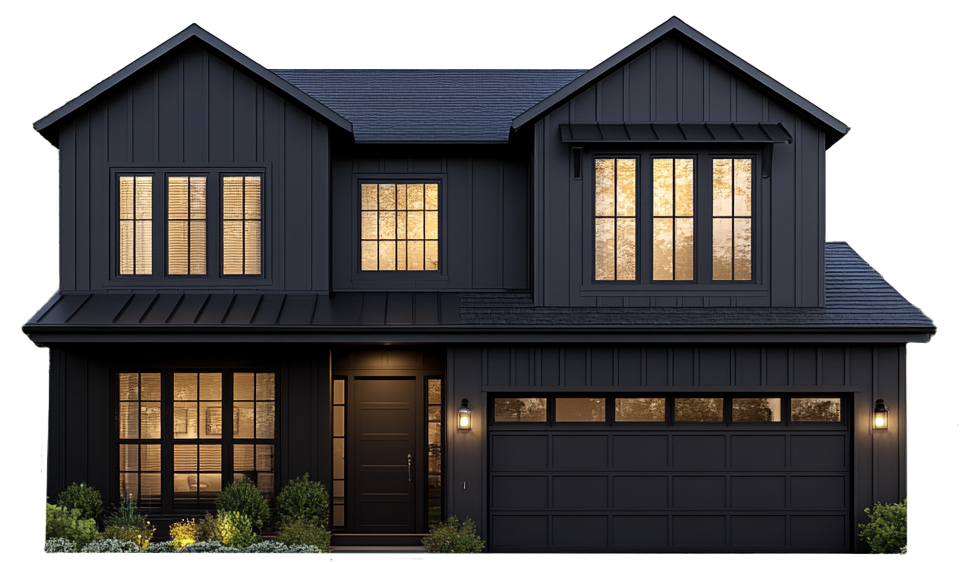
*Offer expires September 30, 2026
Try Our 3D Home Design Visualizer!
Excited to explore new possibilities for your home? Snap a photo to kickstart your journey with our online design tool or get inspired by our sample homes.
Start Designing
Why Choose Us?
Top Rated Siding & Window Experts
- FREE, Detailed Estimates
Receive clear, detailed quotes on-site, with no hidden fees.
- Fire Resistant Products
Enjoy peace of mind with quality materials like James Hardie siding and Anlin Windows.
- Local, Family-Owned Company
Decades of unparalleled expertise. No subcontractors!
- Licensed, Certified & Insured
We are fully licensed and certified, guaranteeing top-notch craftsmanship.
- Old-school Professionalism
Thorough cleanup and dependable follow-through with every siding and window project.


Start Your Home Improvement Journey with Stanford Siding & Windows Replacement Now!
Experience the best in Stanford Siding & Windows Replacement - enhancing homes, one window and siding at a time. Reach out now for a consultation!
Get StartedWhy Us
- Free Quotes, Competitive Pricing
- On-Time Service
- Local, Family-Owned & Operated
- Reliable, Experienced, Certified
- Licensed & Certified
- Elite Preferred Contractor
- Family Owned & Operated
Replacement Windows
© 2026 Bay Area Siding Company, Inc. All Rights Reserved.Full-Service Siding & Window Experts in Bay Area. Bay Area Siding Company rated 5 / 5 based on 150 reviews.