Family Owned & Operated
Licensed & Certified
Free Estimates


St. Helena James Hardie Siding
Let Bay Area Siding Company enhance your St. Helena home with James Hardie Siding. Our selection guarantees superior durability, stunning aesthetics, and weather resistance.


Schedule Your Consultation Today & Save Up to $1,500!
Request Free Pricing Today for Your Exterior Renovation Needs!


For a lot of St. Helena homeowners, the first reason to look at James Hardie is fire. This is wine country with a real wildfire record, and fiber cement is noncombustible — which is why it keeps coming up when people re-side a home in or near the hills above the valley floor. Bay Area Siding Company installs James Hardie across St. Helena and the wider Napa Valley, and on this page we cover the fire side first, then the parts that matter next: how it fits an estate or a period home, how it's spec'd for this climate, and what a correct install actually takes.
Request an estimate or call (415) 619-5167 to talk it through.
The short version: On parcels with a wildfire designation, California's fire code (Chapter 7A) pushes exterior walls toward noncombustible or tested ignition-resistant assemblies. Fiber cement is noncombustible; standard cedar or redwood is not. Whether 7A applies to your project depends on your parcel and the scope of work — so the first move is to confirm your address, not assume.
The wildfire picture in the valley
St. Helena's exposure isn't theoretical. The 2020 Glass Fire burned into the area and took out well-known places in the surrounding hills — the Restaurant at Meadowood and Chateau Boswell Winery among them — and forced the evacuation of the local hospital. Since then the risk map has been redrawn: Cal Fire's 2025 Local Responsibility Area maps designated ground that had never carried a hazard rating before, including stretches of the upvalley between St. Helena and Calistoga toward the Silverado Trail.
Where a parcel is designated, Chapter 7A of the California Building Code governs the exterior wall covering on new work and on permitted alterations that replace a regulated element — which a full re-side often is. The requirement runs to the whole assembly, not just the boards: trim, soffits, and the layering behind the cladding are all part of compliance. Fiber cement is one of the recognized noncombustible options; untreated wood generally isn't. None of that is automatic, though — the specifics turn on the product, the assembly, the parcel's designation, and the scope. We confirm your parcel with the City of St. Helena before we spec, rather than guessing at it.
Fire-smart without giving up the look
The tension in a town like St. Helena is that people don't want a safer house that reads as a generic one. Estate homes and the older cottages near the historic district have a specific character, and a blunt material swap can flatten it. James Hardie's range of profiles and its factory finishes let you keep a traditional line — lap, shingle, board-and-batten, deliberate trim — while the wall underneath is noncombustible. The craft is in choosing profile, exposure, and color to suit the house, then detailing the transitions so the fire-hardening is real rather than skin-deep.
Spec'd for St. Helena's climate
James Hardie builds to regional specifications through its HardieZone system, and California falls in HZ10 — the line engineered for hot, dry, high-UV conditions rather than the freeze-thaw climates the HZ5 products are made for. That's the right baseline for St. Helena, where summers run genuinely hot and the sun is hard on a finish. The factory ColorPlus finish holds color through that UV load far better than paint brushed onto wood in the field, and fiber cement's dimensional stability means it isn't moving with every heat swing.
What a correct re-side involves
The cladding is only as good as what's behind and around it, so the install matters as much as the product:
- Tear-off and inspection. Taking the old siding off exposes the sheathing or substrate and the water-resistive barrier and flashing — the layers where concealed rot and past water intrusion actually live. We assess and repair before anything new goes on.
- WRB and flashing. A code-compliant weather-resistive barrier and correct flashing at windows, doors, and penetrations is the system that keeps the wall dry. This detailing outranks the brand name on the boards.
- Clearances and fastening. Hardie publishes specific ground, roof, and deck clearances plus fastening and joint details, and the warranty depends on installing to them.
- Whole-assembly detailing on fire-zone parcels. Where 7A applies, trim and soffits are part of compliance, not an afterthought.
Warranty
James Hardie backs its fiber cement with a transferable 30-year, non-prorated substrate limited warranty, and its ColorPlus finish carries a 15-year limited finish warranty against peeling, cracking, and chipping. Both are manufacturer warranties and both are contingent on installation to James Hardie's published specifications.
What drives the cost
On a St. Helena Hardie project the honest cost drivers are tear-off complexity and any concealed substrate repair found once the walls are open; the number of stories and site access on larger or sloped estate lots; the product line and finish (ColorPlus versus primed); window and trim integration; and fire-zone assembly detailing where a parcel is designated. We price it after a walkthrough, not before.
FAQ
Does James Hardie meet St. Helena's fire-zone requirements? Fiber cement is noncombustible, and noncombustible wall coverings are among the compliant options under Chapter 7A in designated fire-hazard areas. Whether 7A applies to your home depends on the parcel's designation and your scope — we confirm that with the City of St. Helena before speccing.
Is standard wood siding still an option near the hills? On a designated parcel, untreated cedar or redwood generally does not meet the noncombustible or ignition-resistant requirement. Fiber cement is one compliant alternative that can still read as a traditional home.
Which Hardie line is right for a St. Helena home? The HZ10 line, engineered for California's hot, high-UV climate. The specific products, profiles, and colors depend on your home's style and exposure.
Will Hardie suit an older or historic-district home? It can. Profile, exposure, and finish are chosen to hold the character; near the historic district we also confirm any design considerations tied to the address.
Ready to make your home more fire-resilient?
Call (415) 619-5167 or request an estimate. We'll check the parcel, weigh the assembly, and match the product to the house. Compare the wider material category on our fiber cement hub, see the general St. Helena siding replacement overview and St. Helena window replacement, browse the project gallery, or explore our Wine Country service area.
Serviced ZIP Codes: 94574
- Alamo James Hardie Siding
- Albany James Hardie Siding
- American Canyon James Hardie Siding
- Angels Camp James Hardie Siding
- Antioch James Hardie Siding
- Apple Hill James Hardie Siding
- Arnold James Hardie Siding
- Belmont James Hardie Siding
- Benicia James Hardie Siding
- Berkeley James Hardie Siding
- Blackhawk James Hardie Siding
- Bodega Bay James Hardie Siding
- Brentwood James Hardie Siding
- Burlingame James Hardie Siding
- Calistoga James Hardie Siding
- Cambrian Park James Hardie Siding
- Campbell James Hardie Siding
- Castro Valley James Hardie Siding
- Chico James Hardie Siding
- Clayton James Hardie Siding
- Clear Lake James Hardie Siding
- Concord James Hardie Siding
- Cordelia James Hardie Siding
- Corte Madera James Hardie Siding
- Cotati James Hardie Siding
- Cupertino James Hardie Siding
- Daly City James Hardie Siding
- Danville James Hardie Siding
- Discovery Bay James Hardie Siding
- Dixon James Hardie Siding
- Dublin James Hardie Siding
- East Bay James Hardie Siding
- El Cerrito James Hardie Siding
- El Sobrante James Hardie Siding
- Emeryville James Hardie Siding
- Fairfax James Hardie Siding
- Fairfield James Hardie Siding
- Foster City James Hardie Siding
- Fremont James Hardie Siding
- Galt James Hardie Siding
- Gilroy James Hardie Siding
- Grass Valley James Hardie Siding
- Half Moon Bay James Hardie Siding
- Hayward James Hardie Siding
- Hercules James Hardie Siding
- Hidden Valley Lake James Hardie Siding
- Isleton James Hardie Siding
- Jackson James Hardie Siding
- Kentfield James Hardie Siding
- Lafayette James Hardie Siding
- Lakeport James Hardie Siding
- Larkspur James Hardie Siding
- Livermore James Hardie Siding
- Los Altos James Hardie Siding
- Los Gatos James Hardie Siding
- Lower Lake James Hardie Siding
- Manteca James Hardie Siding
- Marin City James Hardie Siding
- Martinez James Hardie Siding
- Menlo Park James Hardie Siding
- Mill Valley James Hardie Siding
- Millbrae James Hardie Siding
- Milpitas James Hardie Siding
- Moraga James Hardie Siding
- Morgan Hill James Hardie Siding
- Mountain View James Hardie Siding
- Murphys James Hardie Siding
- Napa James Hardie Siding
- North Bay James Hardie Siding
- Novato James Hardie Siding
- Oakland James Hardie Siding
- Oakley James Hardie Siding
- Orinda James Hardie Siding
- Pacifica James Hardie Siding
- Palo Alto James Hardie Siding
- Paradise James Hardie Siding
- Petaluma James Hardie Siding
- Piedmont James Hardie Siding
- Pinole James Hardie Siding
- Pittsburg James Hardie Siding
- Pleasant Hill James Hardie Siding
- Pleasanton James Hardie Siding
- Pollock Pines James Hardie Siding
- Rancho Calaveras James Hardie Siding
- Redwood City James Hardie Siding
- Richmond James Hardie Siding
- Rio Vista James Hardie Siding
- Rodeo James Hardie Siding
- Rohnert Park James Hardie Siding
- Roseland James Hardie Siding
- San Andreas James Hardie Siding
- San Anselmo James Hardie Siding
- San Bruno James Hardie Siding
- San Carlos James Hardie Siding
- San Jose James Hardie Siding
- San Leandro James Hardie Siding
- San Mateo James Hardie Siding
- San Pablo James Hardie Siding
- San Rafael James Hardie Siding
- San Ramon James Hardie Siding
- Santa Clara James Hardie Siding
- Santa Cruz James Hardie Siding
- Santa Rosa James Hardie Siding
- Saratoga James Hardie Siding
- Sausalito James Hardie Siding
- Scotts Valley James Hardie Siding
- Sebastopol James Hardie Siding
- Sonoma James Hardie Siding
- South Bay James Hardie Siding
- South Lake Tahoe James Hardie Siding
- South San Francisco James Hardie Siding
- St. Helena James Hardie Siding
- Stanford James Hardie Siding
- Stockton James Hardie Siding
- Suisun City James Hardie Siding
- Sunnyvale James Hardie Siding
- Sutter Creek James Hardie Siding
- Tiburon James Hardie Siding
- Tracy James Hardie Siding
- Truckee James Hardie Siding
- Union City James Hardie Siding
- Vacaville James Hardie Siding
- Vallejo James Hardie Siding
- Valley Springs James Hardie Siding
- Walnut Creek James Hardie Siding
- Windsor James Hardie Siding
- Yountville James Hardie Siding
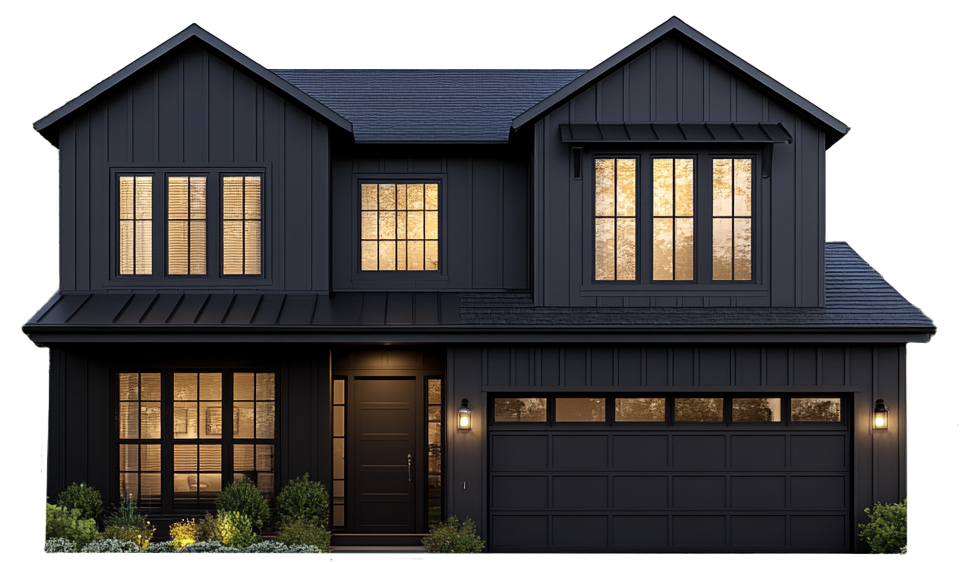
*Offer expires September 30, 2026
Try Our 3D Home Design Visualizer!
Excited to explore new possibilities for your home? Snap a photo to kickstart your journey with our online design tool or get inspired by our sample homes.
Start Designing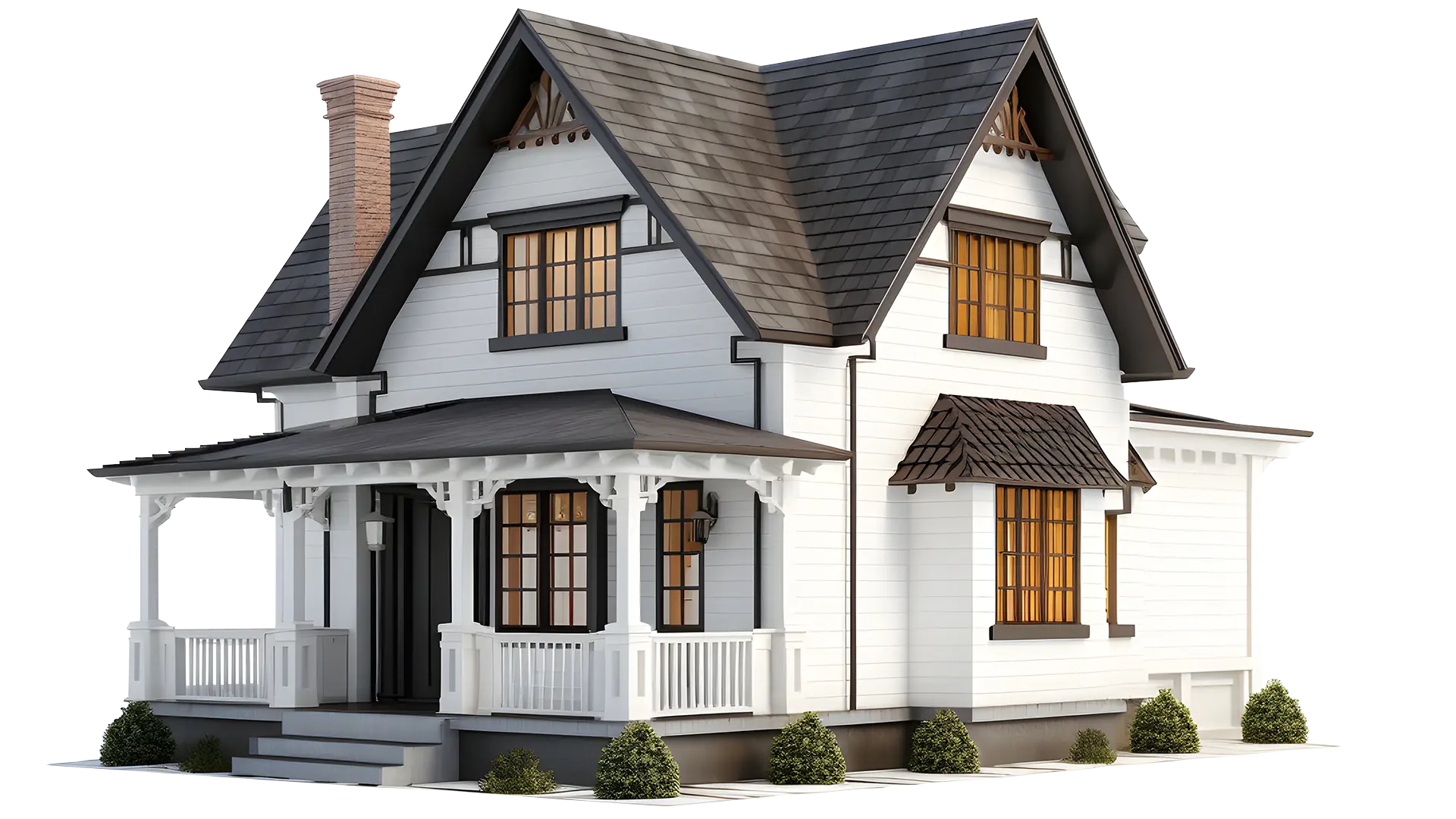
Why Choose Us?
Top Rated Siding & Window Experts
- FREE, Detailed Estimates
Receive clear, detailed quotes on-site, with no hidden fees.
- Fire Resistant Products
Enjoy peace of mind with quality materials like James Hardie siding and Anlin Windows.
- Local, Family-Owned Company
Decades of unparalleled expertise. No subcontractors!
- Licensed, Certified & Insured
We are fully licensed and certified, guaranteeing top-notch craftsmanship.
- Old-school Professionalism
Thorough cleanup and dependable follow-through with every siding and window project.


Start Transforming Your Home with St. Helena James Hardie Siding Today!
Don't wait to elevate your St. Helena home with James Hardie Siding. Reach out today for further details!
Get StartedWhy Us
- Free Quotes, Competitive Pricing
- On-Time Service
- Local, Family-Owned & Operated
- Reliable, Experienced, Certified
- Licensed & Certified
- Elite Preferred Contractor
- Family Owned & Operated
Replacement Windows
© 2026 Bay Area Siding Company, Inc. All Rights Reserved.Full-Service Siding & Window Experts in Bay Area. Bay Area Siding Company rated 5 / 5 based on 150 reviews.