Family Owned & Operated
Licensed & Certified
Free Estimates


Aluminum Windows Replacement
Bay Area Siding Company also specializes in Aluminum Window Replacement. Enhance your Bay Area home's efficiency and aesthetic with our high-grade offerings.


Request Aluminum Windows Replacement Consultation
Request Free Pricing Today for Your Exterior Renovation Needs!


Aluminum Window Replacement in the Bay Area
If your old aluminum windows drip with condensation on cool mornings, whistle in the wind, and leave rooms cold near the glass, you are feeling the limits of a single-pane metal frame.
Bay Area Siding Company replaces original aluminum windows on homes across the SF Bay Area. We help you decide whether to repair or replace, which frame material fits your house, and whether a retrofit or full-frame install makes sense for your walls.
Have us look at your aluminum windows and walk through your options on site.
Call (415) 619-5167Should you repair or replace your aluminum windows?
Often, yes, at least for a while. New rollers, latches, and pile weatherstripping can make a tired aluminum slider operate smoothly and seal better. Repairs don't change how the glass and frame perform thermally, though. A single-pane aluminum window is still a single-pane aluminum window after it's tuned up.
Usually not practically. Older aluminum sashes are built around a thin single lite, and a dual-pane unit is thicker than the glazing channel was designed to hold. Even where glass can be changed, the uninsulated metal frame keeps conducting heat and cold. That's why most homeowners with this problem move to a new window.
Replacement is the better choice in several situations:
- Condensation is staining sills, drywall, or wood trim.
- Frames are bent or corroded, or the tracks won't hold a seal.
- You're already investing in new siding or paint and want the openings done right at the same time.
In these cases, replacing the window fixes the cause instead of managing the symptoms.
If the frames are sound, condensation is minor, and you plan a larger remodel soon, a repair can bridge the gap. We'll tell you honestly if that's where you are.
Aluminum vs. vinyl vs. fiberglass replacement windows
| Consideration | Modern aluminum (thermally broken) | Vinyl | Fiberglass |
|---|---|---|---|
| Thermal performance | Much improved over old aluminum thanks to the thermal break, though the metal frame still conducts more than non-metal frames | Good. Multi-chamber frames resist heat transfer | Good. The low-conductivity frame pairs well with efficient glass |
| Sightlines | Slim, strong frames suited to modern and mid-century designs | Frames are typically wider for the same opening | Can be slimmer than vinyl because the material is stiff |
| Expansion and movement | Stable | Expands and contracts more with temperature, which manufacturers account for in design and install specs | Expands at a rate close to glass, so it stays stable through heat swings |
| Finish | Factory finishes in many colors | Integral color and never needs painting. Dark colors are more limited on some lines | Factory finish that can be repainted on many lines |
| Best fit | Homes where narrow frames and a contemporary look are the priority | Budget-conscious projects where low maintenance and lower upfront cost matter | Homes seeing strong sun and heat, or owners wanting durability and a slimmer profile |
Most aluminum-window replacements today move to vinyl or fiberglass for efficiency. Modern thermally broken aluminum is still a legitimate choice when the architecture calls for it.
Why old aluminum windows sweat, leak air, and waste energy
Aluminum conducts heat readily. On a cold morning, an original aluminum frame and its single pane of glass sit close to outdoor temperature. Warm, humid indoor air hits that surface and condenses, the same way a cold drink sweats. Showers, cooking, and sleeping bodies all add moisture. That's why bedrooms and bathrooms often show the worst of it.
The water is what does the damage. Several problems are common around old aluminum windows:
- Peeling paint on wood sills
- Mildew in the corners of the glass
- Swollen or stained drywall returns
- Soft spots in interior trim
The sill tracks on many older sliders also have small weep holes that clog with dirt, so water that should drain outside can back up instead. One thing worth checking on homes near the coast is corrosion. Marine-layer moisture and salt air can pit aluminum and stiffen hardware over the years.
Drafts come from worn pile weatherstripping and loose sash fits, which are typical of sliders from the 1950s through the 1970s. Inland, the problem reverses in summer. Single-pane glass lets heat pour in, and the frame radiates it into the room. A dual-pane replacement with low-E glass and an insulating frame addresses all three issues together: condensation, air leakage, and heat transfer.
California's Title 24 energy standards generally apply to replacement windows, so the new units need to meet current efficiency requirements. We select products with that in mind and confirm specifics with your local building department at permit time.
What drives the cost of replacing aluminum windows
- Retrofit vs. full-frame. A retrofit (insert) install fits inside the existing frame with less wall disturbance. A full-frame install removes the old frame to the rough opening and involves exterior and interior finish work.
- Wall cladding. Stucco, wood siding, and fiber cement each require different cut-back, patching, and flashing work on full-frame jobs.
- Frame material and product line. Vinyl, fiberglass, and thermally broken aluminum carry different price points, and features like glass packages and colors add to that.
- Window count, size, and type. Sliders, casements, picture windows, and large patio doors each vary in cost.
- Code-driven glazing. Tempered safety glass in hazardous locations, bedroom egress, and fire-hazard-zone requirements on applicable parcels can all affect the order.
- Hidden conditions. Water damage at sills or in the rough opening only becomes visible once the old unit is out.
Our aluminum window replacement process
- Consultation and measurement. We inspect each window, note condensation damage and wall type, and recommend retrofit or full-frame opening by opening.
- Product selection and permitting. You choose frame material, style, and glass. Where a permit is required, we confirm energy, safety-glazing, and egress requirements with the AHJ.
- Careful removal. Old sashes and, for full-frame work, the frame and nail fin come out. On pre-1978 homes, we use lead-safe practices when disturbing painted trim.
- Opening inspection and repairs. We check the sill, the rough opening, and the surrounding sheathing and water-resistive barrier for rot or past leaks, and correct what we find before anything new goes in.
- Flashing integration. On full-frame installs, we build sill pan protection and lap the flashing shingle-style with the WRB so water drains outward. On retrofits, we seal and trim the new frame against the existing one.
- Installation to manufacturer spec. Each unit is set level, plumb, and square, then shimmed, fastened, insulated, and sealed per the manufacturer's installation instructions.
- Walkthrough. We test operation and locks, clean up, and review care and warranty paperwork with you.
Why homeowners choose Bay Area Siding Company
Because we work on siding and windows, we treat a window as part of the wall's weather barrier, not just a box dropped into a hole.
We integrate window flashing with the WRB and cladding, which is where many window leaks actually start.
We'll tell you when a retrofit is fine, when full-frame is worth it, and when a repair can wait.
We're based in Larkspur and serve the Bay Area, and you can reach us directly at (415) 619-5167.
Other services we offer
Compare window brands or see our broader window replacement work.
Aluminum Window Replacement FAQ
Should I choose retrofit or full-frame on my stucco house?
Many mid-century Bay Area homes have aluminum windows with nail fins buried under stucco. A retrofit avoids cutting the stucco and costs less. A full-frame install requires cutting back and patching the stucco, but it lets us inspect the opening and rebuild the flashing properly. If there are signs of leaks or rot around the window, full-frame is usually the more reliable fix.
My home is in a Cal Fire fire hazard zone. Does that change the window choice?
It can. On parcels subject to California Building Code Chapter 7A, exterior glazing has specific requirements, such as tempered or multi-pane configurations. We check Cal Fire hazard maps and confirm current requirements with your local building department before ordering.
Will new windows completely stop condensation?
They greatly reduce it, because the inner glass stays much warmer. In very humid rooms, some interior condensation can still occur, so ventilation matters. Efficient low-E glass can occasionally fog on the outside on cool, damp mornings. That's normal and simply means the glass is keeping heat indoors.
Do I need a permit to replace aluminum windows?
Many Bay Area jurisdictions require one, especially where energy compliance, egress, or opening changes are involved. Requirements vary by city and county, so we confirm with the AHJ for your address.
Ready to retire your old single-pane aluminum windows? Request an estimate today.
Call (415) 619-5167
*Offer expires October 31, 2026
Try Our 3D Home Design Visualizer!
Excited to explore new possibilities for your home? Snap a photo to kickstart your journey with our online design tool or get inspired by our sample homes.
Start Designing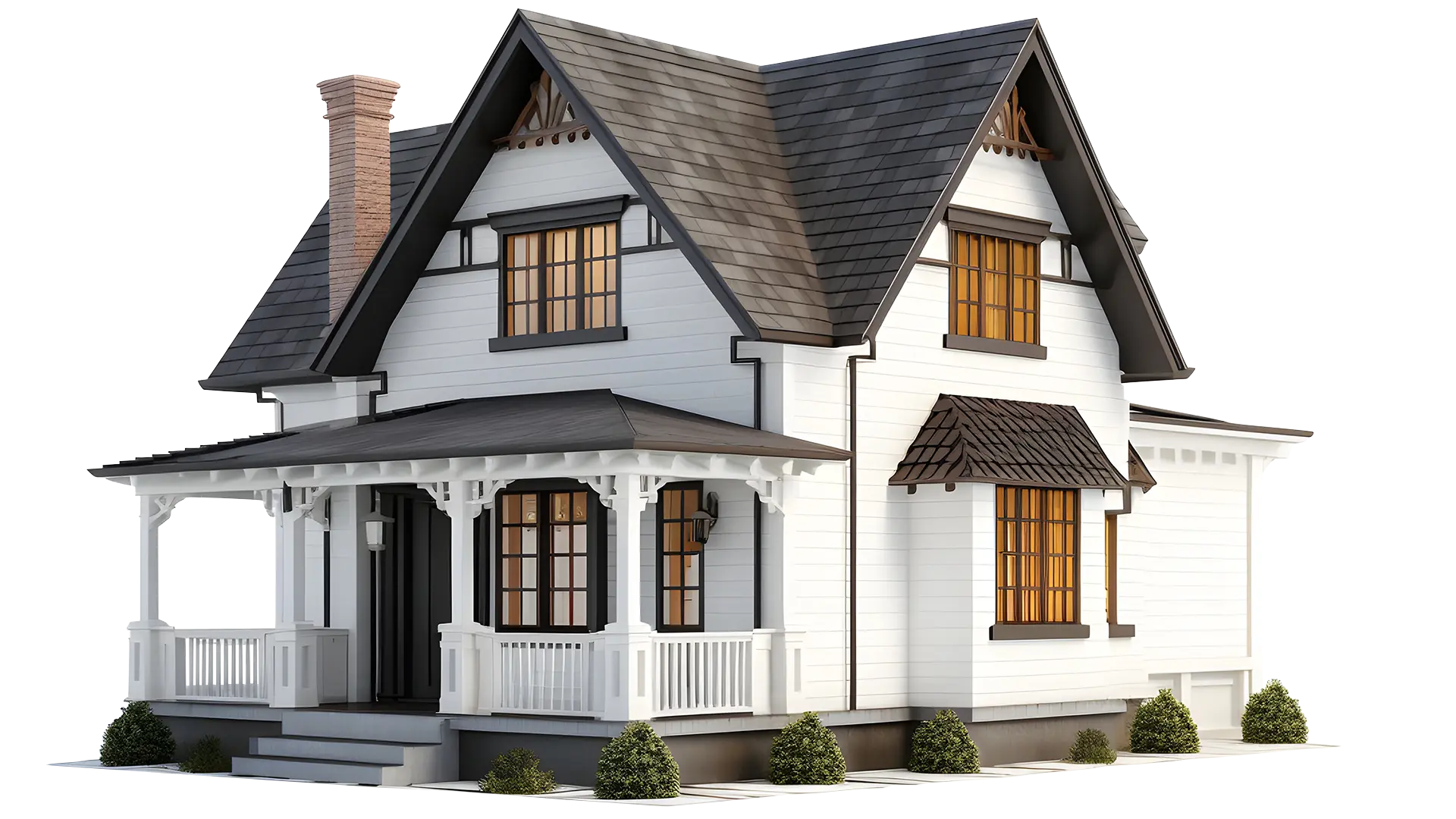
Why Choose Us?
Top Rated Siding & Window Experts
- FREE, Detailed Estimates
Receive clear, detailed quotes on-site, with no hidden fees.
- Fire Resistant Products
Enjoy peace of mind with quality materials like James Hardie siding and Anlin Windows.
- Local, Family-Owned Company
Decades of unparalleled expertise. No subcontractors!
- Licensed, Certified & Insured
We are fully licensed and certified, guaranteeing top-notch craftsmanship.
- Old-school Professionalism
Thorough cleanup and dependable follow-through with every siding and window project.


Time to Upgrade? Choose Bay Area Siding For Aluminum Replacement Windows Today!
Discover the benefits of Aluminum Replacement Windows! Elevate your Bay Area home's look and functionality with our services. Reach out to us now!
Get StartedWhy Us
- Free Quotes, Competitive Pricing
- On-Time Service
- Local, Family-Owned & Operated
- Reliable, Experienced, Certified
- Licensed & Certified
- Elite Preferred Contractor
- Family Owned & Operated
Replacement Windows
© 2026 Bay Area Siding Company, Inc. All Rights Reserved.Full-Service Siding & Window Experts in Bay Area. Bay Area Siding Company rated 5 / 5 based on 150 reviews.