Family Owned & Operated
Licensed & Certified
Free Estimates


Dublin T1-11 Siding
Choose the best for your Dublin home with our T1-11 Siding service. Bay Area Siding Company gives you diverse options, ensuring a remarkable look you'll definitely cherish.


Schedule Your Consultation & Save Up to $1,500!
Request Free Pricing Today for Your Exterior Renovation Needs!


If you own an older home in west or central Dublin, there's a good chance you're looking at T1-11 — the grooved plywood or OSB panel siding that clad a lot of postwar and later-20th-century tract construction, plus the sheds and outbuildings behind those homes. Most calls we get about T1-11 in Dublin aren't from people wanting to install it fresh; they're from owners whose panels have swelled, delaminated, or checked after decades in the inland sun, deciding whether to repair it, re-side over it, or replace it with something that lasts longer. Bay Area Siding Company handles all three conversations. This page lays out how T1-11 fails, why Dublin's climate speeds that up, and the realistic paths forward.
Dealing with failing T1-11? Request a bid or call (415) 619-5167 and we'll assess the panels on site.
What T1-11 is, and why it was everywhere
T1-11 is a wood panel product — plywood or oriented strand board — milled with vertical grooves to read like board-and-batten from a distance. It was inexpensive, went up fast in big sheets, and gave a serviceable rustic look, which is why it shows up so often on Dublin's older west-side tract homes and on sheds, garages, and additions all over town. Installed well, kept sealed, and repainted on schedule, it can last a long time. The catch is in that "kept sealed" — T1-11 is only as durable as its finish.
How it fails, and why Dublin's climate is hard on it
The failure mode is almost always moisture getting into unprotected wood. Once the paint or sealer breaks down, water works into the grooves, the edges, and the bottom of the panels, and the material starts to swell, the plies or strands separate (delamination), and the face checks and cracks. Two Dublin realities accelerate the clock. The hot, high-UV inland summers degrade a paint film faster than a milder coastal climate would, so a finish that was protecting the panels quietly reaches the end of its life. And the wet winters then push moisture into whatever the failed finish has left exposed. The tells we look for:
- Swelling or a spongy feel at the panel bottoms and around fasteners
- Plies or strands separating — visible layering or a fuzzy, opening face
- Grooves that have opened up or checked, and paint that flakes off in sheets
- Dark staining, soft spots, or a musty note on the inside of an exterior wall
- Gaps at the panel edges and Z-flashing that's rusted or pulled away
Repair, re-side over, or replace
Which path is right depends on how far gone the panels are and what you want the wall to be.
Targeted repair makes sense when the damage is isolated — a couple of panels at a splash zone, say — and the rest of the wall is sound and well-sealed. It's the least expensive fix and buys real time when the material still has life in it.
Replacing the T1-11 with a longer-lived material is the more common recommendation once failure is widespread. Pulling the panels lets us inspect the wall behind them and put up a cladding that won't demand the same repaint discipline — fiber cement for a noncombustible, low-repaint board, or LP SmartSide engineered wood if you want to keep a warm, wood-panel or board-and-batten look with far better moisture and pest resistance than original T1-11.
Re-installing T1-11 is a legitimate choice too, usually where a rustic panel look is specifically wanted, on a shed or outbuilding, or where budget rules — with the understanding that you're signing up for the same seal-and-repaint upkeep. We'll install it correctly, with proper edge sealing and flashing, so it lasts as long as the material can.
The HOA note for Dublin
One caution specific to Dublin's newer neighborhoods: a raw plywood-panel look often won't clear an HOA's architectural-review standards in the master-planned tracts, where the approved palette leans toward fiber cement, engineered wood, or finished vinyl. T1-11 questions here are mostly an older-neighborhood and outbuilding matter. If your home is in an association, we check the approved materials before recommending a re-install, and in practice that usually points toward replacing failing T1-11 with an approved upgrade.
Permits and what tear-off reveals
Replacing panel siding is permitted work through the City of Dublin Building Division, and appearance changes can also draw a Planning Division Site Development Review — we handle the paperwork. When the T1-11 comes off, we read the sheathing and substrate behind it, confirm the water-resistive barrier (WRB), and correct flashing at openings and panel transitions before new material goes up. This matters more with T1-11 than with most claddings, because on some older installs the panel was doing double duty as sheathing and the detailing behind it was thin — we find out for certain once it's open. Framing is only exposed if the sheathing itself has failed and needs replacing.
What drives the cost
We price on site. The drivers are how much of the wall is affected (spot repair versus whole-house); whether you re-install T1-11 or upgrade to fiber cement or engineered wood; the condition of the substrate and any flashing once the panels are off; the size and stories of the home; and, in an HOA neighborhood, the approval timeline. A repair is modest; a full replacement scopes like any re-side.
Compare your options
If you're leaning toward replacing failing T1-11, the two most common upgrades are fiber cement (see also James Hardie in Dublin) and LP SmartSide engineered wood; vinyl and the CertainTeed lineup are worth a look on budget. For the full picture, start at the Dublin siding replacement overview or the siding hub. Replacing older windows at the same time? See Dublin window replacement. Finished work is in our project gallery, with more on the Tri-Valley service area.
FAQ
Can my T1-11 be repaired, or does it all need to go? If the damage is isolated and the rest of the wall is sound and sealed, a targeted repair is often the smart, lower-cost move. Once swelling, delamination, or checking is widespread, replacement usually makes more sense. We assess the panels before recommending either.
Why is my Dublin T1-11 failing when it lasted for years? It's almost always the finish reaching the end of its life. Dublin's hot, high-UV summers wear down paint faster than a milder climate, and once the seal fails, winter moisture gets into the wood and it swells and delaminates. T1-11 only lasts as long as its finish protects it.
What should I replace failing T1-11 with? The most common upgrades are fiber cement (noncombustible, low-repaint) and LP SmartSide engineered wood (keeps a warm wood-panel look with far better durability). If you specifically want the rustic panel look and accept the upkeep, we can re-install T1-11 done correctly.
Will an HOA in Dublin approve T1-11? In most master-planned east-Dublin communities, a raw plywood-panel look generally won't meet the approved palette, which favors fiber cement, engineered wood, or finished vinyl. We check your association's materials first, which usually points to replacing failing T1-11 with an approved upgrade.
Let's assess your panels
Call (415) 619-5167 or request a bid. We'll check the T1-11, tell you honestly whether it's a repair or a replacement, and lay out the upgrade options.
Serviced ZIP Codes: 94568, 94582
- Alamo T1-11 Siding
- Albany T1-11 Siding
- American Canyon T1-11 Siding
- Angels Camp T1-11 Siding
- Antioch T1-11 Siding
- Apple Hill T1-11 Siding
- Arnold T1-11 Siding
- Belmont T1-11 Siding
- Benicia T1-11 Siding
- Berkeley T1-11 Siding
- Blackhawk T1-11 Siding
- Bodega Bay T1-11 Siding
- Brentwood T1-11 Siding
- Burlingame T1-11 Siding
- Calistoga T1-11 Siding
- Cambrian Park T1-11 Siding
- Campbell T1-11 Siding
- Castro Valley T1-11 Siding
- Chico T1-11 Siding
- Clayton T1-11 Siding
- Clear Lake T1-11 Siding
- Concord T1-11 Siding
- Cordelia T1-11 Siding
- Corte Madera T1-11 Siding
- Cotati T1-11 Siding
- Cupertino T1-11 Siding
- Daly City T1-11 Siding
- Danville T1-11 Siding
- Discovery Bay T1-11 Siding
- Dixon T1-11 Siding
- Dublin T1-11 Siding
- East Bay T1-11 Siding
- El Cerrito T1-11 Siding
- El Sobrante T1-11 Siding
- Emeryville T1-11 Siding
- Fairfax T1-11 Siding
- Fairfield T1-11 Siding
- Foster City T1-11 Siding
- Fremont T1-11 Siding
- Galt T1-11 Siding
- Gilroy T1-11 Siding
- Grass Valley T1-11 Siding
- Half Moon Bay T1-11 Siding
- Hayward T1-11 Siding
- Hercules T1-11 Siding
- Hidden Valley Lake T1-11 Siding
- Isleton T1-11 Siding
- Jackson T1-11 Siding
- Kentfield T1-11 Siding
- Lafayette T1-11 Siding
- Lakeport T1-11 Siding
- Larkspur T1-11 Siding
- Livermore T1-11 Siding
- Los Altos T1-11 Siding
- Los Gatos T1-11 Siding
- Lower Lake T1-11 Siding
- Manteca T1-11 Siding
- Marin City T1-11 Siding
- Martinez T1-11 Siding
- Menlo Park T1-11 Siding
- Mill Valley T1-11 Siding
- Millbrae T1-11 Siding
- Milpitas T1-11 Siding
- Moraga T1-11 Siding
- Morgan Hill T1-11 Siding
- Mountain View T1-11 Siding
- Murphys T1-11 Siding
- Napa T1-11 Siding
- North Bay T1-11 Siding
- Novato T1-11 Siding
- Oakland T1-11 Siding
- Oakley T1-11 Siding
- Orinda T1-11 Siding
- Pacifica T1-11 Siding
- Palo Alto T1-11 Siding
- Paradise T1-11 Siding
- Petaluma T1-11 Siding
- Piedmont T1-11 Siding
- Pinole T1-11 Siding
- Pittsburg T1-11 Siding
- Pleasant Hill T1-11 Siding
- Pleasanton T1-11 Siding
- Pollock Pines T1-11 Siding
- Rancho Calaveras T1-11 Siding
- Redwood City T1-11 Siding
- Richmond T1-11 Siding
- Rio Vista T1-11 Siding
- Rodeo T1-11 Siding
- Rohnert Park T1-11 Siding
- Roseland T1-11 Siding
- San Andreas T1-11 Siding
- San Anselmo T1-11 Siding
- San Bruno T1-11 Siding
- San Carlos T1-11 Siding
- San Jose T1-11 Siding
- San Leandro T1-11 Siding
- San Mateo T1-11 Siding
- San Pablo T1-11 Siding
- San Rafael T1-11 Siding
- San Ramon T1-11 Siding
- Santa Clara T1-11 Siding
- Santa Cruz T1-11 Siding
- Santa Rosa T1-11 Siding
- Saratoga T1-11 Siding
- Sausalito T1-11 Siding
- Scotts Valley T1-11 Siding
- Sebastopol T1-11 Siding
- Sonoma T1-11 Siding
- South Bay T1-11 Siding
- South Lake Tahoe T1-11 Siding
- South San Francisco T1-11 Siding
- St. Helena T1-11 Siding
- Stanford T1-11 Siding
- Stockton T1-11 Siding
- Suisun City T1-11 Siding
- Sunnyvale T1-11 Siding
- Sutter Creek T1-11 Siding
- Tiburon T1-11 Siding
- Tracy T1-11 Siding
- Truckee T1-11 Siding
- Union City T1-11 Siding
- Vacaville T1-11 Siding
- Vallejo T1-11 Siding
- Valley Springs T1-11 Siding
- Walnut Creek T1-11 Siding
- Windsor T1-11 Siding
- Yountville T1-11 Siding
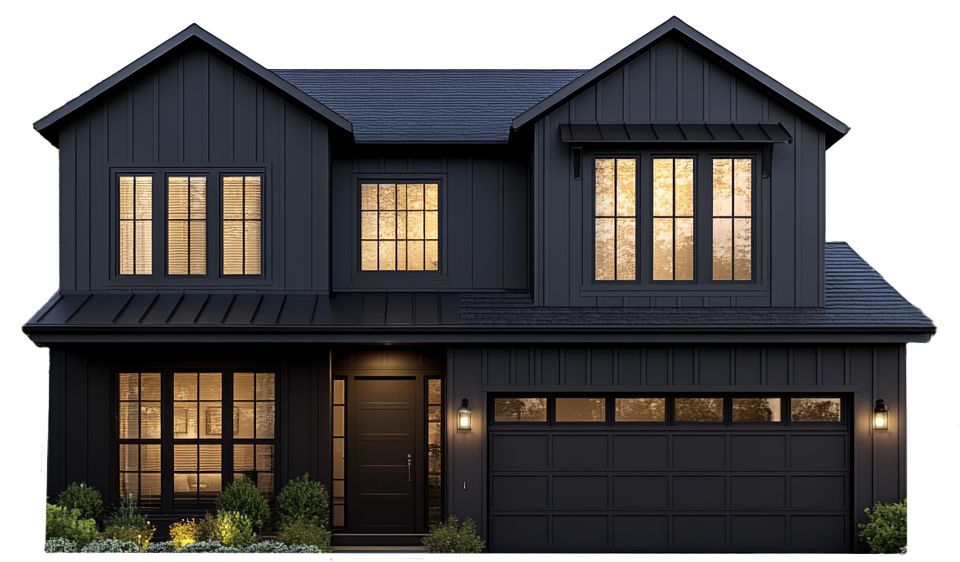
*Offer expires October 31, 2026
Try Our 3D Home Design Visualizer!
Excited to explore new possibilities for your home? Snap a photo to kickstart your journey with our online design tool or get inspired by our sample homes.
Start Designing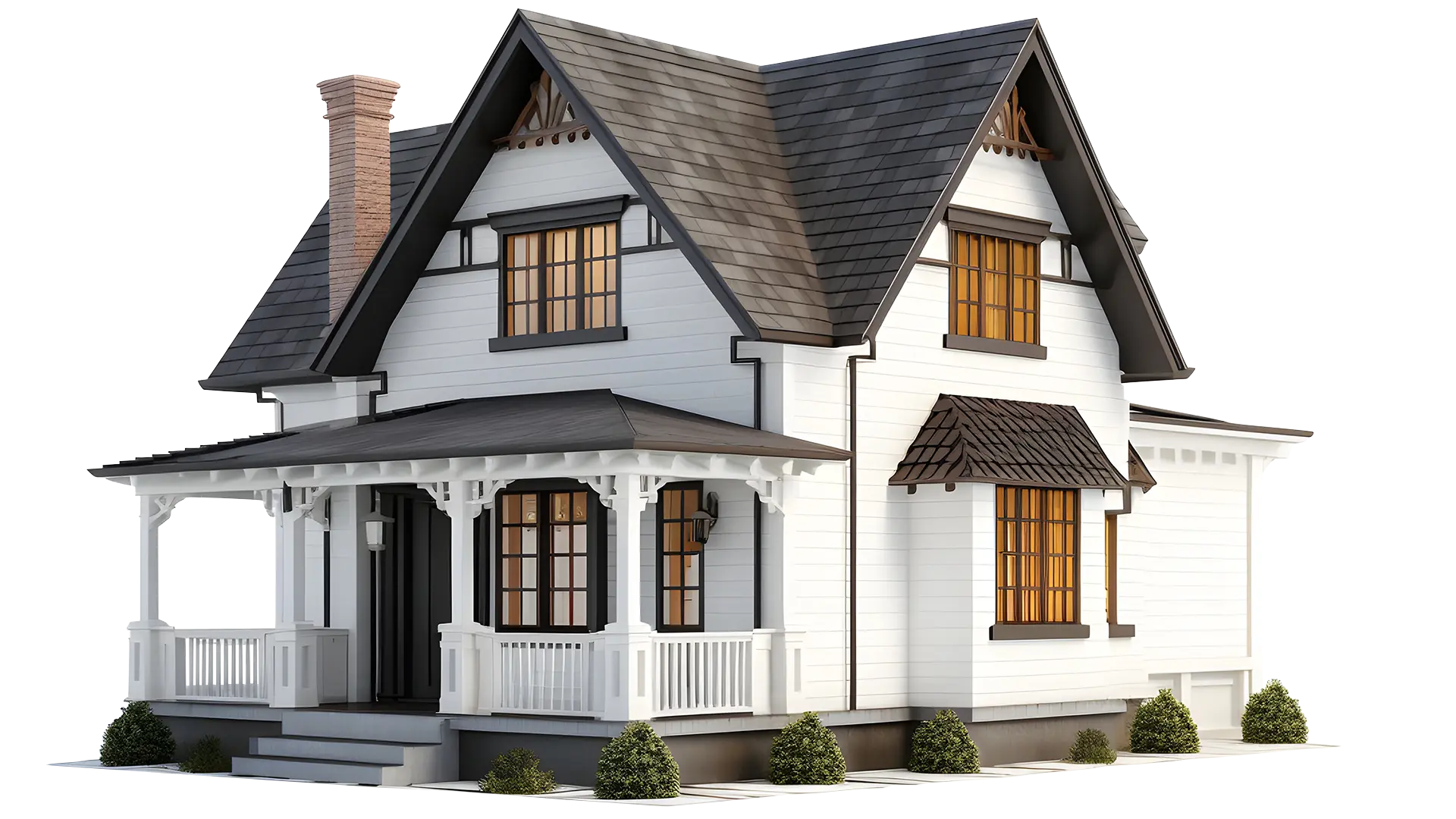
Why Choose Us?
Top Rated Siding & Window Experts
- FREE, Detailed Estimates
Receive clear, detailed quotes on-site, with no hidden fees.
- Fire Resistant Products
Enjoy peace of mind with quality materials like James Hardie siding and Anlin Windows.
- Local, Family-Owned Company
Decades of unparalleled expertise. No subcontractors!
- Licensed, Certified & Insured
We are fully licensed and certified, guaranteeing top-notch craftsmanship.
- Old-school Professionalism
Thorough cleanup and dependable follow-through with every siding and window project.


Dive Into Your Next Project with Dublin T1-11 Siding Today!
Discover the benefits of T1-11 Siding in Dublin. Reach out to us now for a consultation!
Get StartedWhy Us
- Free Quotes, Competitive Pricing
- On-Time Service
- Local, Family-Owned & Operated
- Reliable, Experienced, Certified
- Licensed & Certified
- Elite Preferred Contractor
- Family Owned & Operated
Replacement Windows
© 2026 Bay Area Siding Company, Inc. All Rights Reserved.Full-Service Siding & Window Experts in Bay Area. Bay Area Siding Company rated 5 / 5 based on 150 reviews.