Family Owned & Operated
Licensed & Certified
Free Estimates


Sutter Creek T1-11 Siding
Choose the best for your Sutter Creek home with our T1-11 Siding service. Bay Area Siding Company gives you diverse options, ensuring a remarkable look you'll definitely cherish.


Schedule Your Consultation & Save Up to $1,500!
Request Free Pricing Today for Your Exterior Renovation Needs!


T1-11 is the grooved plywood or OSB panel siding that runs vertically across a lot of mid-century and later homes, garages, workshops, and additions. It went up fast and cheap, and it can look good when it is kept sealed. When the finish lapses, it fails in predictable ways: the bottom edges swell, the plies separate, and the grooves hold water. Around Sutter Creek you are more likely to find it on houses on the outskirts and on outbuildings than on the Gold Rush-era cottages and Victorians near Main Street.
Bay Area Siding Company is a Larkspur-based (Marin) siding and window contractor working across Amador County. On a T1-11 house we usually take on one of three jobs: replacing damaged panels in kind, re-siding the whole wall in a more durable material, or reinstalling T1-11 where the owner wants to keep the rustic vertical-groove look.
Not sure which of those fits your house? Request an estimate or call (415) 619-5167.
Why T1-11 wears out the way it does
T1-11 is wood, and in most cases it is sheet goods rather than solid boards. That matters because the edges are its weak point. Exposed or poorly sealed edges wick moisture, and the bottom edge near grade or a roofline takes the most water. Plywood versions tend to delaminate as the veneer layers separate. OSB versions tend to swell and lose their shape. The vertical grooves also collect dirt and moisture if paint or stain isn't maintained.
Sutter Creek's weather is hard on the finish from both directions. Long, hot, dry foothill summers break down paint and stain on sun-facing walls. Then the wet winter season soaks any edge or groove that has lost its protection. Neither season causes the failure on its own. The failure comes from the finish giving out and the panels no longer being protected.
Signs your T1-11 is past maintenance:
- Flared, swollen, or crumbling bottom edges, especially along the base of the wall
- Veneer peeling away in layers, or a surface that feels spongy when you press it
- Paint that won't stay on no matter how often it's recoated
- Dark staining or soft spots around window corners, trim joints, and horizontal seams
- Gaps where two panels meet, or a missing or rotted Z-flashing at a horizontal joint
- Woodpecker or insect damage concentrated in softened areas
If only a few panels are damaged and the rest are sound, a targeted replacement plus a full repaint can buy real years. If the failure is spread around the house, patching usually just moves the problem to the next panel.
The question that decides the scope: is your T1-11 also the sheathing?
This is the most important technical point on any T1-11 job, and it's the one that surprises owners most often.
On some homes, T1-11 was installed over a separate layer of sheathing, with a water-resistive barrier (WRB) between them. On many others, especially older tracts, additions, and outbuildings, the T1-11 panels are the sheathing. They were nailed directly to the framing and serve as both the structural wall panel and the exterior finish.
The difference changes the whole job:
- T1-11 over separate sheathing. Removing the panels exposes the sheathing and WRB, much like any standard re-side. We inspect the substrate, repair what needs it, renew the WRB and flashing, and install the new cladding.
- T1-11 as the sheathing. Removing the panels removes the wall's sheathing as well, and that is a larger scope. New structural sheathing, a WRB, and proper flashing have to go on before any new siding. This is also why it matters whether the wall's bracing is being disturbed. In some cases the new siding can be installed over the existing T1-11 instead, with an appropriate WRB and flashing, provided the panels are sound and the new product's manufacturer allows that application.
We check which situation you have at the walkthrough, usually at an outlet, an opening, or a panel edge, before writing a scope. Guessing wrong here is how T1-11 jobs blow past their budget.
Your three options, honestly compared
Repair or replace in kind with T1-11. This is the lowest-cost path, and it keeps the rustic look that suits a barn-style outbuilding, a ranch house, or a wooded lot. The trade-off is that the new panels will need the same sealing, painting, and edge care as the old ones. Expect to keep up with maintenance, not escape it.
Re-side in engineered wood. LP SmartSide makes treated engineered-wood panel and lap products, including grooved panels that echo the T1-11 look. It still needs periodic painting, but it is built to resist the edge and moisture problems that plague older plywood and OSB. For owners who like the wood character, this is often the natural step up.
Re-side in fiber cement. Fiber cement, including James Hardie panel and lap products, is noncombustible, rot and pest resistant, and holds paint well. It is heavier and takes more skilled installation, but it removes the "wood that gets wet" problem entirely. For a fire-exposed foothill parcel, it is often where the conversation ends up.
Vinyl and solid wood are also options in some situations. See our siding replacement hub for the full material overview.
Fire exposure: what it means for a wood panel siding
Sutter Creek sits in Sierra foothill country, and the wooded edges of town and the surrounding hills carry real wildfire exposure. Cal Fire maps Fire Hazard Severity Zones across the region. Amador County references California Building Code Chapter 7A (materials and construction methods for exterior wildfire exposure) along with Chapter 49 requirements for Wildland-Urban Interface areas.
T1-11 is a combustible wood product, so on a designated parcel, reinstalling it is not automatically an option. Chapter 7A regulates specific assemblies, including exterior wall coverings, on designated parcels. Whether it applies to your job depends on your parcel's designation and on the scope of work, including how much wall you're re-siding. Compliant paths generally include noncombustible or ignition-resistant materials, or assemblies that meet the code's testing criteria.
We confirm your parcel's status and requirements with the authority having jurisdiction before ordering material. If your lot backs onto open or forested land, tell us early, because it can change the material shortlist.
Permits and design review in Sutter Creek
Siding work is a permitted project. Applications go to Sutter Creek City Hall on Main Street, and building services are handled through the City in coordination with Amador County. We confirm which office runs plan check and inspection for your address.
If your home is within the historic core or a locally significant area, exterior changes may go before the City's Design Review Committee, which meets monthly. Switching from vertical panel siding to a different profile is exactly the kind of change worth confirming early. Most T1-11 homes sit outside the historic core, but we check rather than assume.
How the job goes
We walk the house, determine whether the T1-11 is over sheathing or serving as sheathing, and talk through the material and look you want. From there we write a scope and handle the permit and any design review. Then we remove the panels, inspect and repair the substrate, install the WRB and flashing (including proper details at horizontal joints and openings), and install the new cladding to manufacturer spec. The job finishes with trim and a walkthrough.
If your windows are also due, it's worth sequencing them with the siding so the flashing laps correctly. See our Sutter Creek window replacement page.
What drives the cost
We don't quote T1-11 work sight unseen. The main variables are:
- Whether the panels are also the sheathing, which is the biggest swing
- Wall area and the number of stories
- The replacement material and profile
- Rot or substrate repair uncovered during removal
- Fire-zone material requirements, if they apply
- Trim, corner, and opening details
- Painting or finishing
FAQs
Can you replace just the damaged T1-11 panels? Often, yes, if the damage is localized and the surrounding panels are sound. Because panels are 4-foot sheets, a repair usually means replacing full panels, then sealing and repainting so the new and old blend in. If swelling or delamination is widespread, a full re-side is usually the better use of money.
Can new siding go right over my old T1-11? Sometimes. It depends on whether the existing panels are structurally sound and dry, and whether the new product's installation instructions allow that substrate. Rotted or delaminated panels need to come out. We confirm before recommending an overlay.
My Sutter Creek property is on a wooded lot. Can I reinstall T1-11? Possibly, but on a parcel designated under Chapter 7A, exterior wall coverings have to meet wildfire-exposure requirements, and standard T1-11 may not qualify. We confirm your parcel's designation and the applicable rules with the authority having jurisdiction first. Fiber cement is a common alternative in those cases.
Will changing from T1-11 need design review? Only in certain areas. Homes in Sutter Creek's historic core or locally significant areas may need Design Review Committee approval for exterior changes. We check your address with the City early in the process.
Ready to deal with that T1-11?
Whether you're repairing a garage, re-siding a mid-century house on the edge of town, or deciding between engineered wood and fiber cement, we'll give you a straight assessment. Browse the project gallery, see our Sierra foothills service area, and read about siding replacement and James Hardie siding in Sutter Creek.
Request an estimate or call (415) 619-5167.
Serviced ZIP Codes: 95685, 95699
- Alamo T1-11 Siding
- Albany T1-11 Siding
- American Canyon T1-11 Siding
- Angels Camp T1-11 Siding
- Antioch T1-11 Siding
- Apple Hill T1-11 Siding
- Arnold T1-11 Siding
- Belmont T1-11 Siding
- Benicia T1-11 Siding
- Berkeley T1-11 Siding
- Blackhawk T1-11 Siding
- Bodega Bay T1-11 Siding
- Brentwood T1-11 Siding
- Burlingame T1-11 Siding
- Calistoga T1-11 Siding
- Cambrian Park T1-11 Siding
- Campbell T1-11 Siding
- Castro Valley T1-11 Siding
- Chico T1-11 Siding
- Clayton T1-11 Siding
- Clear Lake T1-11 Siding
- Concord T1-11 Siding
- Cordelia T1-11 Siding
- Corte Madera T1-11 Siding
- Cotati T1-11 Siding
- Cupertino T1-11 Siding
- Daly City T1-11 Siding
- Danville T1-11 Siding
- Discovery Bay T1-11 Siding
- Dixon T1-11 Siding
- Dublin T1-11 Siding
- East Bay T1-11 Siding
- El Cerrito T1-11 Siding
- El Sobrante T1-11 Siding
- Emeryville T1-11 Siding
- Fairfax T1-11 Siding
- Fairfield T1-11 Siding
- Foster City T1-11 Siding
- Fremont T1-11 Siding
- Galt T1-11 Siding
- Gilroy T1-11 Siding
- Grass Valley T1-11 Siding
- Half Moon Bay T1-11 Siding
- Hayward T1-11 Siding
- Hercules T1-11 Siding
- Hidden Valley Lake T1-11 Siding
- Isleton T1-11 Siding
- Jackson T1-11 Siding
- Kentfield T1-11 Siding
- Lafayette T1-11 Siding
- Lakeport T1-11 Siding
- Larkspur T1-11 Siding
- Livermore T1-11 Siding
- Los Altos T1-11 Siding
- Los Gatos T1-11 Siding
- Lower Lake T1-11 Siding
- Manteca T1-11 Siding
- Marin City T1-11 Siding
- Martinez T1-11 Siding
- Menlo Park T1-11 Siding
- Mill Valley T1-11 Siding
- Millbrae T1-11 Siding
- Milpitas T1-11 Siding
- Moraga T1-11 Siding
- Morgan Hill T1-11 Siding
- Mountain View T1-11 Siding
- Murphys T1-11 Siding
- Napa T1-11 Siding
- North Bay T1-11 Siding
- Novato T1-11 Siding
- Oakland T1-11 Siding
- Oakley T1-11 Siding
- Orinda T1-11 Siding
- Pacifica T1-11 Siding
- Palo Alto T1-11 Siding
- Paradise T1-11 Siding
- Petaluma T1-11 Siding
- Piedmont T1-11 Siding
- Pinole T1-11 Siding
- Pittsburg T1-11 Siding
- Pleasant Hill T1-11 Siding
- Pleasanton T1-11 Siding
- Pollock Pines T1-11 Siding
- Rancho Calaveras T1-11 Siding
- Redwood City T1-11 Siding
- Richmond T1-11 Siding
- Rio Vista T1-11 Siding
- Rodeo T1-11 Siding
- Rohnert Park T1-11 Siding
- Roseland T1-11 Siding
- San Andreas T1-11 Siding
- San Anselmo T1-11 Siding
- San Bruno T1-11 Siding
- San Carlos T1-11 Siding
- San Jose T1-11 Siding
- San Leandro T1-11 Siding
- San Mateo T1-11 Siding
- San Pablo T1-11 Siding
- San Rafael T1-11 Siding
- San Ramon T1-11 Siding
- Santa Clara T1-11 Siding
- Santa Cruz T1-11 Siding
- Santa Rosa T1-11 Siding
- Saratoga T1-11 Siding
- Sausalito T1-11 Siding
- Scotts Valley T1-11 Siding
- Sebastopol T1-11 Siding
- Sonoma T1-11 Siding
- South Bay T1-11 Siding
- South Lake Tahoe T1-11 Siding
- South San Francisco T1-11 Siding
- St. Helena T1-11 Siding
- Stanford T1-11 Siding
- Stockton T1-11 Siding
- Suisun City T1-11 Siding
- Sunnyvale T1-11 Siding
- Sutter Creek T1-11 Siding
- Tiburon T1-11 Siding
- Tracy T1-11 Siding
- Truckee T1-11 Siding
- Union City T1-11 Siding
- Vacaville T1-11 Siding
- Vallejo T1-11 Siding
- Valley Springs T1-11 Siding
- Walnut Creek T1-11 Siding
- Windsor T1-11 Siding
- Yountville T1-11 Siding
*Offer expires October 31, 2026
Try Our 3D Home Design Visualizer!
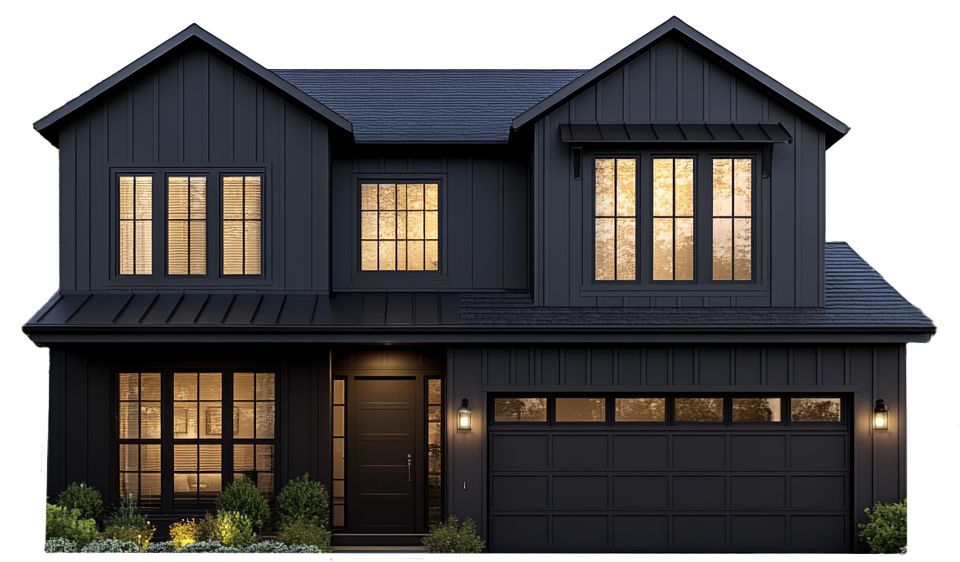
Excited to explore new possibilities for your home? Snap a photo to kickstart your journey with our online design tool or get inspired by our sample homes.
Start Designing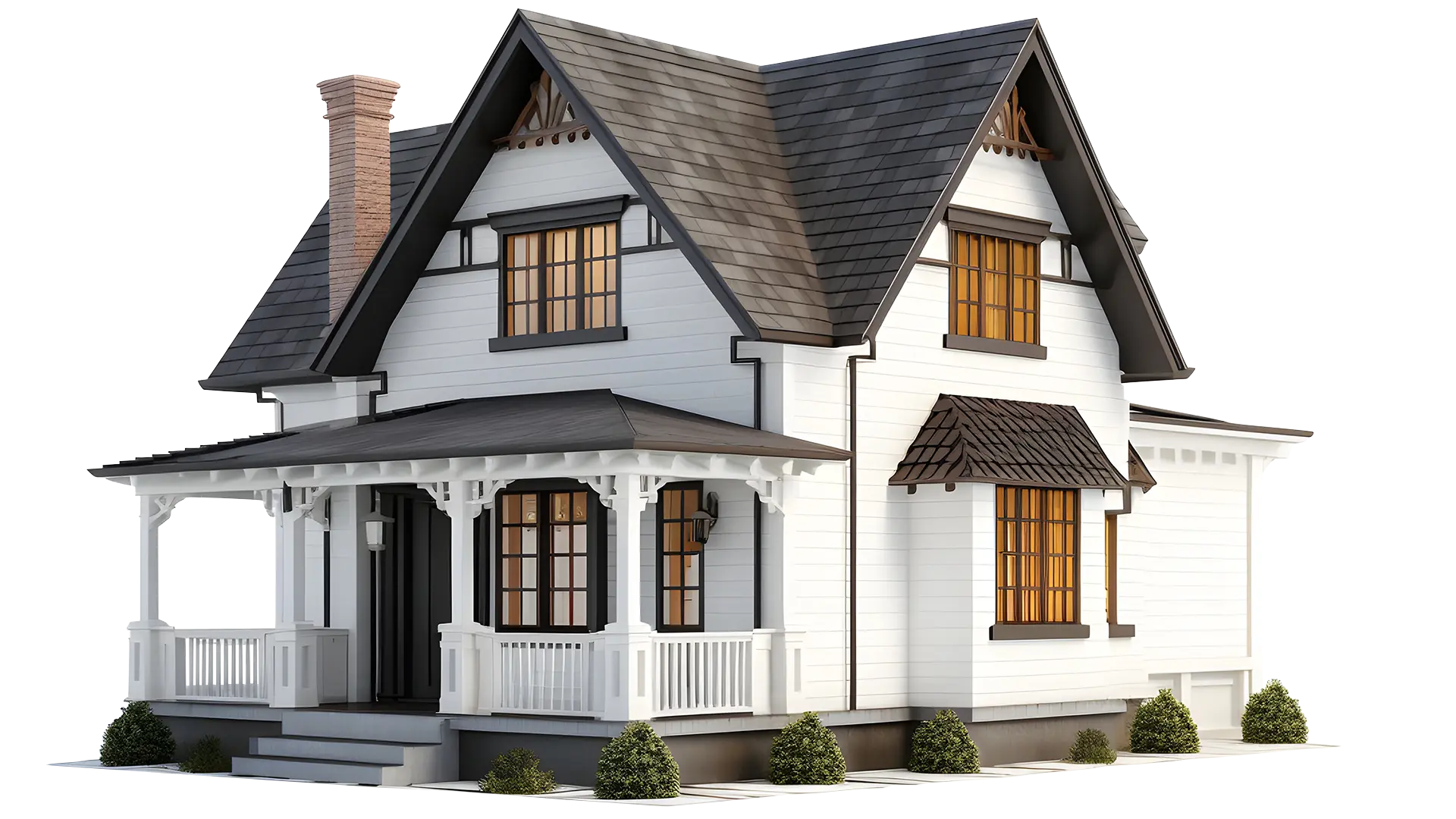
Why Choose Us?
Top Rated Siding & Window Experts
- FREE, Detailed Estimates
Receive clear, detailed quotes on-site, with no hidden fees.
- Fire Resistant Products
Enjoy peace of mind with quality materials like James Hardie siding and Anlin Windows.
- Local, Family-Owned Company
Decades of unparalleled expertise. No subcontractors!
- Licensed, Certified & Insured
We are fully licensed and certified, guaranteeing top-notch craftsmanship.
- Old-school Professionalism
Thorough cleanup and dependable follow-through with every siding and window project.


Dive Into Your Next Project with Sutter Creek T1-11 Siding Today!
Discover the benefits of T1-11 Siding in Sutter Creek. Reach out to us now for a consultation!
Get StartedWhy Us
- Free Quotes, Competitive Pricing
- On-Time Service
- Local, Family-Owned & Operated
- Reliable, Experienced, Certified
- Licensed & Certified
- Elite Preferred Contractor
- Family Owned & Operated
Replacement Windows
© 2026 Bay Area Siding Company, Inc. All Rights Reserved.Full-Service Siding & Window Experts in Bay Area. Bay Area Siding Company rated 5 / 5 based on 150 reviews.