Family Owned & Operated
Licensed & Certified
Free Estimates


Vallejo T1-11 Siding
Choose the best for your Vallejo home with our T1-11 Siding service. Bay Area Siding Company gives you diverse options, ensuring a remarkable look you'll definitely cherish.


Schedule Your Consultation & Save Up to $1,500!
Request Free Pricing Today for Your Exterior Renovation Needs!


T1-11 is the grooved plywood or OSB panel siding with vertical channels every few inches. On a Vallejo property, you will usually find it on a postwar or mid-century house, a garage, a later rear addition, an enclosed porch, or a backyard shed. It was chosen because it went up fast and cost little. Decades later, many owners find the bottom edges swollen, the face veneer peeling, and paint that won't stay on.
Bay Area Siding Company is a siding and window contractor based in Larkspur, and we work throughout Solano County. On T1-11 we do three things:
- Replace failing panels with a more durable material.
- Re-install new T1-11 where the rustic panel look is wanted and the location suits it.
- Replace individual damaged panels when the rest of the wall is still sound.
Not sure which applies to your walls? Request a bid or call (415) 619-5167 and we'll come look.
Why T1-11 fails, and how to read the damage
T1-11 is a wood product. It performs as long as its paint or sealer keeps water out of the panel faces, edges, and grooves. Once that protection lapses, the panel starts drinking water. The trouble tends to show up in predictable places:
- Bottom edges near grade or a patio slab. These are cut ends that wick moisture, so they swell and crumble first.
- Grooves. Water and paint failure concentrate in the channels. Plywood panels can delaminate there, with the outer ply lifting away.
- Horizontal joints between stacked panels. If the joint was never flashed with a Z-flashing, or the flashing has failed, water runs behind the lower panel.
- Around windows and doors. Missing or poorly lapped flashing lets water into the panel and behind it.
- OSB versions. These tend to swell and lose their edges, whereas plywood more often separates into layers.
Here is how to tell which situation you have:
- Surface only. A few soft spots near the bottom and paint that is simply overdue. Targeted panel replacement plus a proper repaint can buy real years.
- Widespread. Panels are spongy, delaminated across whole walls, or stained on the inside face. At that point the wall needs a full re-side.
A detail that changes the scope: what's behind the panel
This is where T1-11 differs from lap siding, and it matters for your budget.
Installed over sheathing. On some houses, T1-11 was applied over a separate sheathing layer. Removing it exposes that sheathing and the water-resistive barrier (if there is one), plus the flashing at openings. That is a conventional re-side.
Nailed straight to the studs. On many homes, garages, and additions, T1-11 was nailed directly to the framing. It served as both the siding and the sheathing, and it may also be contributing to the wall's bracing. Pulling it off in that case genuinely does expose the framing. The new wall then typically needs:
- New structural sheathing, or another approach that keeps the wall adequately braced
- A proper water-resistive barrier
- Correct flashing before any new cladding goes on
We check which situation you have before quoting, often by removing a trim piece or an outlet cover plate. Structural and bracing requirements are confirmed with the City of Vallejo's Building Division rather than assumed.
Your options, compared honestly
Most Vallejo owners with failing T1-11 don't want the same problem again in fifteen years. Here is how the realistic choices stack up.
Fiber cement panels or lap siding. Fiber cement is made of cement, sand, and cellulose.
- It won't swell or rot the way wood panels do.
- It resists pests and holds paint well.
- It is noncombustible.
- Vertical-groove and board-and-batten style panels keep a similar look, or you can switch to horizontal lap for a more traditional face.
- It is heavier and demands careful installation.
- See fiber cement siding for the category, or James Hardie siding and our Vallejo James Hardie page for that brand.
LP SmartSide. This is engineered wood made from treated wood strands.
- It keeps a real-wood texture and is lighter and easier to work than fiber cement.
- It is widely used as a T1-11 upgrade because panel profiles exist that read much like the original.
- It still needs periodic painting.
- Details are on the LP SmartSide page.
New T1-11. This is the lowest material cost, and it makes sense for:
- Sheds, outbuildings, and garages
- Places where a rustic look is the point
It only lasts if you:
- Keep the bottom edge off the ground and away from splash zones
- Flash the horizontal joints
- Seal all cut edges before installation
- Keep paint or stain current
We'll install it where it fits. We'll also tell you plainly when a location is going to punish it.
Vinyl. Vinyl board-and-batten or lap is budget-friendly and never needs repainting. The trade-offs are a less premium look and some heat sensitivity. See vinyl siding.
Solid wood. Cedar or redwood board-and-batten is a natural, repairable, premium option. It carries the highest maintenance load. See wood siding.
For the broader re-side decision on your house, including tear-off, substrate inspection, and material fit across the whole home, start with our Vallejo siding replacement page or the siding replacement hub.
Vallejo conditions that bear on a T1-11 decision
Wind and salt on exposed lots. Homes near the San Pablo Bay waterfront and the Carquinez Strait, and on exposed rises, get steady marine wind and salt air. For any cladding, that puts a premium on flashing and fastener quality and on finishes that stand up to moisture and UV. It doesn't make T1-11 fail by itself. But a panel siding whose weak points are unflashed joints and exposed edges gives wind-driven rain more places to get in, so the joint and edge detailing deserves extra care on those lots.
Historic districts. Vallejo has designated historic districts, including the Architectural Heritage District and St. Vincent's Hill. T1-11 isn't a period-appropriate material for the Victorians and early-1900s homes there, but it turns up on later additions, back porches, and outbuildings. Two points apply if your property is a designated landmark or sits in one of these districts:
- Changing exterior materials can require a Certificate of Appropriateness through the Planning Division (Vallejo Municipal Code 16.614.09) before a permit is issued.
- Replacing T1-11 on an addition with a lap profile that better matches the original house is often a welcome change. It still needs to go through the process.
Fire hazard zones on the hill edges. Most of Vallejo's built-up neighborhoods are not in a high fire hazard severity zone. Some parcels along the northern and eastern hill edges can be, and Cal Fire updated its maps recently. T1-11 is a combustible wood panel. If your lot is in a designated zone, California's wildland-urban interface provisions (Building Code Chapter 7A) can affect exterior wall choices depending on the scope of work. That can favor a noncombustible option like fiber cement. Whether and how those provisions apply depends on your parcel and project, so we confirm the designation for your address and the requirements with the city.
Permits. Permit requirements depend on scope. Re-siding a whole wall, especially where new sheathing or bracing work is involved, is a different matter from swapping a single panel. We confirm what the City of Vallejo requires for your job and handle the submittal.
How a T1-11 job goes
- Walk the walls. We probe soft areas, check the bottom edges, joints, and openings, and determine whether the panels sit over sheathing or directly on framing.
- Recommend a scope. That means spot repair, full replacement in kind, or an upgrade to a different material, along with any historic-district or fire-zone steps.
- Install. We remove the old panels, then repair or install sheathing and the weather barrier as needed. Next come the flashing at openings and joints, then the new cladding, trim, and finish.
- Walk it with you. We review the finished work together when the job is complete.
What moves the price
We don't quote online because the drivers all live on your walls:
- Total wall area and number of stories
- Whether the T1-11 was the sheathing, which means new sheathing is part of the job
- How much hidden rot the tear-off turns up
- The replacement material and profile you choose
- Trim and opening count
- Access on tight lots
- Any historic review or fire-zone requirements
Browse finished work in our project gallery and see the communities we cover on the Solano service area page.
FAQs
Can I just paint my old T1-11 instead of replacing it? If the panels are still firm and the damage is limited to a few edges, yes. Replace the bad panels, seal the cut edges, and repaint. Painting over swollen or delaminated panels doesn't reverse the damage. It only hides it briefly.
My Vallejo home has T1-11 on an addition in the Architectural Heritage District. Can I change it? Often, and switching to a profile that suits the original house is a common goal. Because the district involves design review, exterior material changes can require a Certificate of Appropriateness through the Planning Division first. We scope the material with that in mind.
Will removing T1-11 expose my studs? It depends on how it was installed. If it went over sheathing, removal exposes the sheathing and weather barrier. If it was nailed directly to framing and served as the sheathing, removal does expose the framing. In that case new sheathing and bracing are typically part of the project, confirmed with the city.
What's the most common upgrade from T1-11? Fiber cement and LP SmartSide are the usual choices. Fiber cement is noncombustible and doesn't rot like wood panels. LP SmartSide keeps a wood texture at a lighter weight. We'll show you both on your house.
Ready to stop patching swollen panels? Call (415) 619-5167 or request a bid. Planning more exterior work? We also handle window replacement in Vallejo.
Serviced ZIP Codes: 94589, 94590, 94591, 94592
- Alamo T1-11 Siding
- Albany T1-11 Siding
- American Canyon T1-11 Siding
- Angels Camp T1-11 Siding
- Antioch T1-11 Siding
- Apple Hill T1-11 Siding
- Arnold T1-11 Siding
- Belmont T1-11 Siding
- Benicia T1-11 Siding
- Berkeley T1-11 Siding
- Blackhawk T1-11 Siding
- Bodega Bay T1-11 Siding
- Brentwood T1-11 Siding
- Burlingame T1-11 Siding
- Calistoga T1-11 Siding
- Cambrian Park T1-11 Siding
- Campbell T1-11 Siding
- Castro Valley T1-11 Siding
- Chico T1-11 Siding
- Clayton T1-11 Siding
- Clear Lake T1-11 Siding
- Concord T1-11 Siding
- Cordelia T1-11 Siding
- Corte Madera T1-11 Siding
- Cotati T1-11 Siding
- Cupertino T1-11 Siding
- Daly City T1-11 Siding
- Danville T1-11 Siding
- Discovery Bay T1-11 Siding
- Dixon T1-11 Siding
- Dublin T1-11 Siding
- East Bay T1-11 Siding
- El Cerrito T1-11 Siding
- El Sobrante T1-11 Siding
- Emeryville T1-11 Siding
- Fairfax T1-11 Siding
- Fairfield T1-11 Siding
- Foster City T1-11 Siding
- Fremont T1-11 Siding
- Galt T1-11 Siding
- Gilroy T1-11 Siding
- Grass Valley T1-11 Siding
- Half Moon Bay T1-11 Siding
- Hayward T1-11 Siding
- Hercules T1-11 Siding
- Hidden Valley Lake T1-11 Siding
- Isleton T1-11 Siding
- Jackson T1-11 Siding
- Kentfield T1-11 Siding
- Lafayette T1-11 Siding
- Lakeport T1-11 Siding
- Larkspur T1-11 Siding
- Livermore T1-11 Siding
- Los Altos T1-11 Siding
- Los Gatos T1-11 Siding
- Lower Lake T1-11 Siding
- Manteca T1-11 Siding
- Marin City T1-11 Siding
- Martinez T1-11 Siding
- Menlo Park T1-11 Siding
- Mill Valley T1-11 Siding
- Millbrae T1-11 Siding
- Milpitas T1-11 Siding
- Moraga T1-11 Siding
- Morgan Hill T1-11 Siding
- Mountain View T1-11 Siding
- Murphys T1-11 Siding
- Napa T1-11 Siding
- North Bay T1-11 Siding
- Novato T1-11 Siding
- Oakland T1-11 Siding
- Oakley T1-11 Siding
- Orinda T1-11 Siding
- Pacifica T1-11 Siding
- Palo Alto T1-11 Siding
- Paradise T1-11 Siding
- Petaluma T1-11 Siding
- Piedmont T1-11 Siding
- Pinole T1-11 Siding
- Pittsburg T1-11 Siding
- Pleasant Hill T1-11 Siding
- Pleasanton T1-11 Siding
- Pollock Pines T1-11 Siding
- Rancho Calaveras T1-11 Siding
- Redwood City T1-11 Siding
- Richmond T1-11 Siding
- Rio Vista T1-11 Siding
- Rodeo T1-11 Siding
- Rohnert Park T1-11 Siding
- Roseland T1-11 Siding
- San Andreas T1-11 Siding
- San Anselmo T1-11 Siding
- San Bruno T1-11 Siding
- San Carlos T1-11 Siding
- San Jose T1-11 Siding
- San Leandro T1-11 Siding
- San Mateo T1-11 Siding
- San Pablo T1-11 Siding
- San Rafael T1-11 Siding
- San Ramon T1-11 Siding
- Santa Clara T1-11 Siding
- Santa Cruz T1-11 Siding
- Santa Rosa T1-11 Siding
- Saratoga T1-11 Siding
- Sausalito T1-11 Siding
- Scotts Valley T1-11 Siding
- Sebastopol T1-11 Siding
- Sonoma T1-11 Siding
- South Bay T1-11 Siding
- South Lake Tahoe T1-11 Siding
- South San Francisco T1-11 Siding
- St. Helena T1-11 Siding
- Stanford T1-11 Siding
- Stockton T1-11 Siding
- Suisun City T1-11 Siding
- Sunnyvale T1-11 Siding
- Sutter Creek T1-11 Siding
- Tiburon T1-11 Siding
- Tracy T1-11 Siding
- Truckee T1-11 Siding
- Union City T1-11 Siding
- Vacaville T1-11 Siding
- Vallejo T1-11 Siding
- Valley Springs T1-11 Siding
- Walnut Creek T1-11 Siding
- Windsor T1-11 Siding
- Yountville T1-11 Siding
*Offer expires September 30, 2026
Try Our 3D Home Design Visualizer!
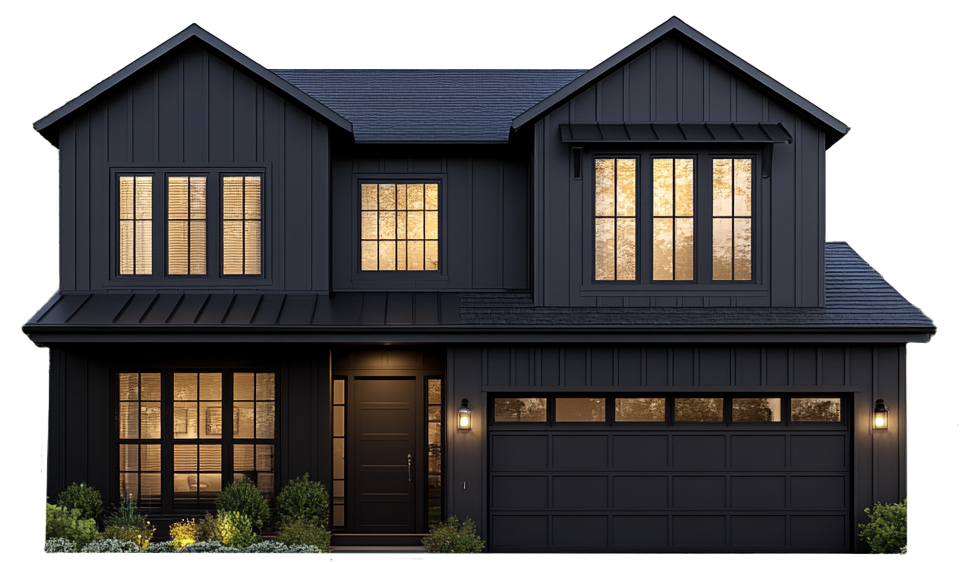
Excited to explore new possibilities for your home? Snap a photo to kickstart your journey with our online design tool or get inspired by our sample homes.
Start Designing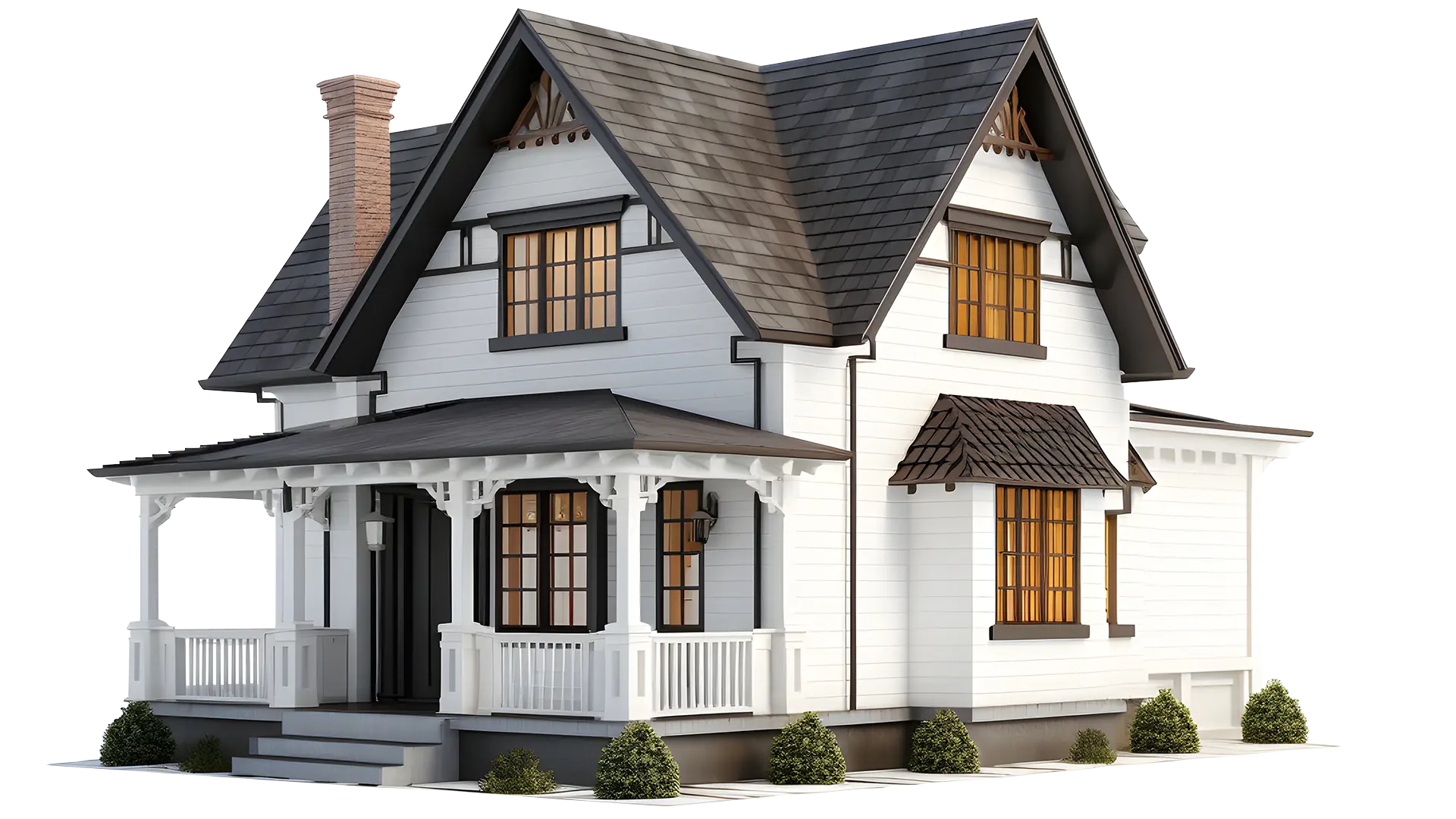
Why Choose Us?
Top Rated Siding & Window Experts
- FREE, Detailed Estimates
Receive clear, detailed quotes on-site, with no hidden fees.
- Fire Resistant Products
Enjoy peace of mind with quality materials like James Hardie siding and Anlin Windows.
- Local, Family-Owned Company
Decades of unparalleled expertise. No subcontractors!
- Licensed, Certified & Insured
We are fully licensed and certified, guaranteeing top-notch craftsmanship.
- Old-school Professionalism
Thorough cleanup and dependable follow-through with every siding and window project.


Dive Into Your Next Project with Vallejo T1-11 Siding Today!
Discover the benefits of T1-11 Siding in Vallejo. Reach out to us now for a consultation!
Get StartedWhy Us
- Free Quotes, Competitive Pricing
- On-Time Service
- Local, Family-Owned & Operated
- Reliable, Experienced, Certified
- Licensed & Certified
- Elite Preferred Contractor
- Family Owned & Operated
Replacement Windows
© 2026 Bay Area Siding Company, Inc. All Rights Reserved.Full-Service Siding & Window Experts in Bay Area. Bay Area Siding Company rated 5 / 5 based on 150 reviews.