Family Owned & Operated
Licensed & Certified
Free Estimates


San Ramon T1-11 Siding
Choose the best for your San Ramon home with our T1-11 Siding service. Bay Area Siding Company gives you diverse options, ensuring a remarkable look you'll definitely cherish.


Schedule Your Consultation & Save Up to $1,500!
Request Free Pricing Today for Your Exterior Renovation Needs!


T1-11 is the grooved vertical panel siding that shows up on a lot of San Ramon homes built in the 1980s and 1990s. You see it on original siding in the established neighborhoods off Bollinger Canyon Road, on garage walls and side elevations, and on fences and sheds throughout the valley. It was economical and quick for builders, and it gives a clean, slightly rustic vertical-groove look. After a few decades of valley sun and sprinkler overspray, though, it tends to give out in predictable ways.
Bay Area Siding Company is a Larkspur-based siding and window contractor. We handle T1-11 in both directions: tearing out failing panels and replacing them with a more durable material, or re-installing new T1-11 where the grooved look is what you (or your HOA) want.
Get a straight assessment: call (415) 619-5167 or request a bid.
How T1-11 fails on a San Ramon house
T1-11 is a plywood or OSB panel with grooves milled into its face. It is essentially engineered wood sheet goods, and it stays healthy only as long as its paint or stain film keeps water out. Once that film breaks down, the panel starts absorbing moisture at its weakest points. On San Ramon homes, the common failure points look like this:
- Swollen, flaring bottom edges. The lower cut edge of each panel wicks water from irrigation and wet-season runoff. It puffs up, splits, and eventually crumbles near the foundation line.
- Delaminating plies. On plywood versions, the face veneer lifts and separates in patches, often starting at the grooves where paint is thinnest.
- Paint that won't stay put. The south- and west-facing walls take the brunt of the long, dry summers, and the grooves shed paint faster than flat surfaces do. Some owners find they're repainting the same wall every few years.
- Soft spots at sprinkler height. A lawn head that has hit the same panel for twenty-plus years can leave that section spongy to the touch.
- Seams and vertical joints opening up. Gaps at the panel butt joints and trim let water get behind the face.
- Woodpecker and insect damage. Soft, weathered panels are easy targets.
A single damaged panel, caught early, can sometimes be cut out and patched. When the swelling and delamination repeat around the house, patching turns into a loop, and replacement becomes the better investment.
The technical point most T1-11 quotes skip
This matters more with T1-11 than with almost any other siding. T1-11 is often installed as a combination siding-and-sheathing panel. The rated panel is nailed directly to the wall framing and serves as both the exterior finish and the wall's bracing, with no separate sheathing layer behind it. On other homes, it was installed over sheathing like any ordinary cladding. You can't tell which you have from the curb.
That difference changes the scope:
- T1-11 over separate sheathing. Removing the panels works like a normal re-side. The old cladding comes off to the sheathing/substrate, we inspect and correct the water-resistive barrier (WRB) and the flashing at windows, doors, and penetrations, and the new siding goes on.
- T1-11 as the only layer. Removing the panels opens the wall to the framing. In that case, new structural sheathing typically has to go on first, because the old panels may have been providing the wall's bracing. Then come the WRB, the flashing, and the new siding. This is a larger job, and the structural requirements are something we confirm with the building department instead of assuming.
We check this during the site visit, usually by looking at an exposed edge, an attic or garage wall, or a small inspection opening. That way your bid reflects the real scope, and you don't get a mid-project change order.
What to replace T1-11 with
You have real options, and the right one depends on budget, the look you want, and what your HOA allows.
- LP SmartSide. This engineered wood is treated to resist moisture and decay, and it's offered in panel and lap profiles. It's the natural step up for owners who like T1-11's wood character and want much better durability. It still needs periodic painting.
- Fiber cement, including James Hardie. Fiber cement is noncombustible, rot- and pest-resistant, and stable under heat and UV. It comes in vertical panel or board-and-batten styles for a similar look, or lap siding if you want a change. A factory finish like Hardie's ColorPlus can also simplify HOA color matching. Details are on our San Ramon James Hardie page.
- Vinyl. Vinyl is the lower-maintenance, budget-conscious choice where the association permits it. In strong sun, pick colors and lines carefully.
- Wood. Natural board-and-batten or cedar is premium and repairable, but it carries the most upkeep.
When putting T1-11 back makes sense
Sometimes the right answer is new T1-11. Examples include matching an addition or garage wall to the rest of the house, or keeping a consistent look within a community. Modern panels installed correctly hold up far better than the originals did. "Correctly" means:
- over a proper WRB, with flashing at every opening
- with sealed, primed edges, especially the bottom cut
- with Z-flashing at horizontal joints
- with adequate clearance above grade and hardscape
- finished promptly and kept painted
We'll also point out the trade-off honestly. Even done well, T1-11 asks more of you over time than fiber cement or treated engineered wood.
San Ramon approvals: HOA first, then the City
Many San Ramon homes sit within a homeowners association, including Gale Ranch, Windemere, and the broader Dougherty Valley communities. Association architectural guidelines typically control exterior materials, profiles, and color. If you're changing from grooved panel to lap siding, or from a stained finish to a painted one, expect the review committee to want to see it. We prepare material and color specs with that review in mind.
The building permit side runs through the City of San Ramon Building and Safety Services division (Community Development). We confirm the permit scope for your project with the city. That's especially important when a T1-11 removal requires new structural sheathing.
Fire exposure depends on the parcel
T1-11 is a wood product, so it's combustible. Most of San Ramon is valley floor that generally falls outside higher fire hazard severity zones. Some parcels along the eastern Tassajara hill edges, however, can fall within higher-hazard zones on maps maintained by the San Ramon Valley Fire Protection District. Where a designation applies, California Building Code Chapter 7A can govern the exterior wall covering and may steer the choice toward noncombustible or ignition-resistant materials, such as fiber cement. Whether and how it applies depends on your parcel and the scope of work. We check the designation before recommending a material.
What drives the cost
We don't publish prices, because T1-11 jobs vary more than most. The biggest factor is whether the panels sit over sheathing or serve as the sheathing, since new structural sheathing adds material and labor. After that, cost depends on:
- the replacement material and finish
- the square footage and number of stories
- how much trim, window, and door flashing work the walls need
- any localized damage found near leaky windows or sprinkler zones
- HOA profile or color requirements
We measure, inspect, and then price.
How the job goes
- We assess the walls, confirm how the T1-11 was installed, and discuss materials.
- We line up HOA approval and the city permit.
- On install days, we remove the old panels and correct the WRB and flashing. We add sheathing where required and install and finish the new siding.
- We finish with trim, sealing, and a walkthrough.
Replacing windows at the same time can make sense, since the openings are already exposed. See San Ramon window replacement. For the broader material decision, start with San Ramon siding replacement, browse our projects, or see other Contra Costa service areas.
FAQ
Can I just paint over my swollen T1-11? Paint can protect sound panels, but it won't reverse swelling or delamination. Once the bottom edges have flared or the plies are separating, the damaged material needs to come out. Paint over it only buys a little time.
Why might my T1-11 replacement need new sheathing? On many homes, T1-11 was installed directly on the framing as a combination siding-and-sheathing panel, so it may be part of the wall's bracing. Removing it can mean installing structural sheathing before the new siding. We confirm which case applies before bidding.
Will my San Ramon HOA let me switch from T1-11 to lap siding? It depends on your association's architectural guidelines. Some communities are flexible and others want the existing profile maintained. We can prepare the specs your committee needs to review, then coordinate the city permit.
Is new T1-11 a bad idea? Not necessarily. Installed over a proper WRB with sealed edges, flashing, and ground clearance, it performs far better than original builder installs. It still needs more maintenance than fiber cement or treated engineered wood, and it may not suit a parcel in a designated fire hazard zone.
Ready to deal with failing T1-11? Call (415) 619-5167 or request a bid.
Serviced ZIP Codes: 94582, 94583
- Alamo T1-11 Siding
- Albany T1-11 Siding
- American Canyon T1-11 Siding
- Angels Camp T1-11 Siding
- Antioch T1-11 Siding
- Apple Hill T1-11 Siding
- Arnold T1-11 Siding
- Belmont T1-11 Siding
- Benicia T1-11 Siding
- Berkeley T1-11 Siding
- Blackhawk T1-11 Siding
- Bodega Bay T1-11 Siding
- Brentwood T1-11 Siding
- Burlingame T1-11 Siding
- Calistoga T1-11 Siding
- Cambrian Park T1-11 Siding
- Campbell T1-11 Siding
- Castro Valley T1-11 Siding
- Chico T1-11 Siding
- Clayton T1-11 Siding
- Clear Lake T1-11 Siding
- Concord T1-11 Siding
- Cordelia T1-11 Siding
- Corte Madera T1-11 Siding
- Cotati T1-11 Siding
- Cupertino T1-11 Siding
- Daly City T1-11 Siding
- Danville T1-11 Siding
- Discovery Bay T1-11 Siding
- Dixon T1-11 Siding
- Dublin T1-11 Siding
- East Bay T1-11 Siding
- El Cerrito T1-11 Siding
- El Sobrante T1-11 Siding
- Emeryville T1-11 Siding
- Fairfax T1-11 Siding
- Fairfield T1-11 Siding
- Foster City T1-11 Siding
- Fremont T1-11 Siding
- Galt T1-11 Siding
- Gilroy T1-11 Siding
- Grass Valley T1-11 Siding
- Half Moon Bay T1-11 Siding
- Hayward T1-11 Siding
- Hercules T1-11 Siding
- Hidden Valley Lake T1-11 Siding
- Isleton T1-11 Siding
- Jackson T1-11 Siding
- Kentfield T1-11 Siding
- Lafayette T1-11 Siding
- Lakeport T1-11 Siding
- Larkspur T1-11 Siding
- Livermore T1-11 Siding
- Los Altos T1-11 Siding
- Los Gatos T1-11 Siding
- Lower Lake T1-11 Siding
- Manteca T1-11 Siding
- Marin City T1-11 Siding
- Martinez T1-11 Siding
- Menlo Park T1-11 Siding
- Mill Valley T1-11 Siding
- Millbrae T1-11 Siding
- Milpitas T1-11 Siding
- Moraga T1-11 Siding
- Morgan Hill T1-11 Siding
- Mountain View T1-11 Siding
- Murphys T1-11 Siding
- Napa T1-11 Siding
- North Bay T1-11 Siding
- Novato T1-11 Siding
- Oakland T1-11 Siding
- Oakley T1-11 Siding
- Orinda T1-11 Siding
- Pacifica T1-11 Siding
- Palo Alto T1-11 Siding
- Paradise T1-11 Siding
- Petaluma T1-11 Siding
- Piedmont T1-11 Siding
- Pinole T1-11 Siding
- Pittsburg T1-11 Siding
- Pleasant Hill T1-11 Siding
- Pleasanton T1-11 Siding
- Pollock Pines T1-11 Siding
- Rancho Calaveras T1-11 Siding
- Redwood City T1-11 Siding
- Richmond T1-11 Siding
- Rio Vista T1-11 Siding
- Rodeo T1-11 Siding
- Rohnert Park T1-11 Siding
- Roseland T1-11 Siding
- San Andreas T1-11 Siding
- San Anselmo T1-11 Siding
- San Bruno T1-11 Siding
- San Carlos T1-11 Siding
- San Jose T1-11 Siding
- San Leandro T1-11 Siding
- San Mateo T1-11 Siding
- San Pablo T1-11 Siding
- San Rafael T1-11 Siding
- San Ramon T1-11 Siding
- Santa Clara T1-11 Siding
- Santa Cruz T1-11 Siding
- Santa Rosa T1-11 Siding
- Saratoga T1-11 Siding
- Sausalito T1-11 Siding
- Scotts Valley T1-11 Siding
- Sebastopol T1-11 Siding
- Sonoma T1-11 Siding
- South Bay T1-11 Siding
- South Lake Tahoe T1-11 Siding
- South San Francisco T1-11 Siding
- St. Helena T1-11 Siding
- Stanford T1-11 Siding
- Stockton T1-11 Siding
- Suisun City T1-11 Siding
- Sunnyvale T1-11 Siding
- Sutter Creek T1-11 Siding
- Tiburon T1-11 Siding
- Tracy T1-11 Siding
- Truckee T1-11 Siding
- Union City T1-11 Siding
- Vacaville T1-11 Siding
- Vallejo T1-11 Siding
- Valley Springs T1-11 Siding
- Walnut Creek T1-11 Siding
- Windsor T1-11 Siding
- Yountville T1-11 Siding
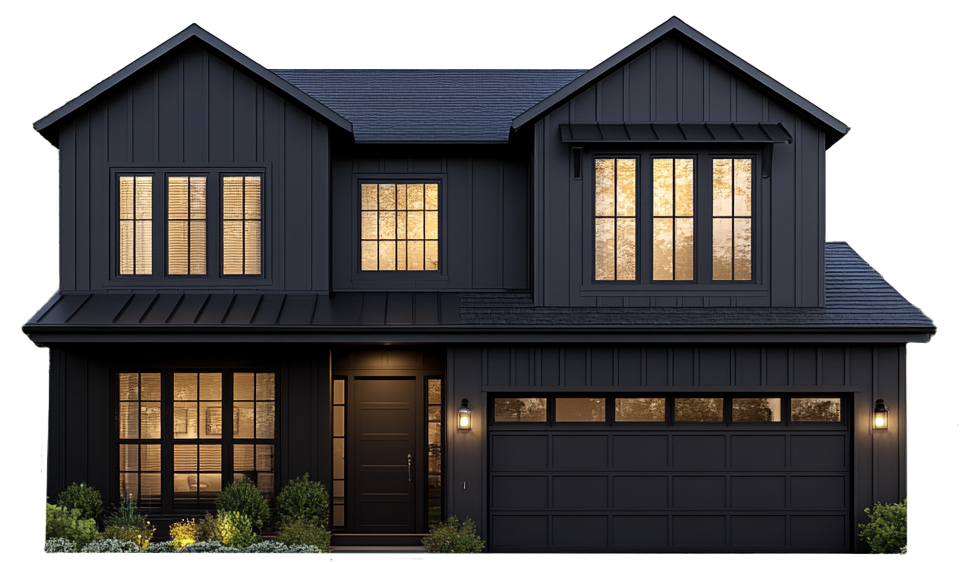
*Offer expires September 30, 2026
Try Our 3D Home Design Visualizer!
Excited to explore new possibilities for your home? Snap a photo to kickstart your journey with our online design tool or get inspired by our sample homes.
Start Designing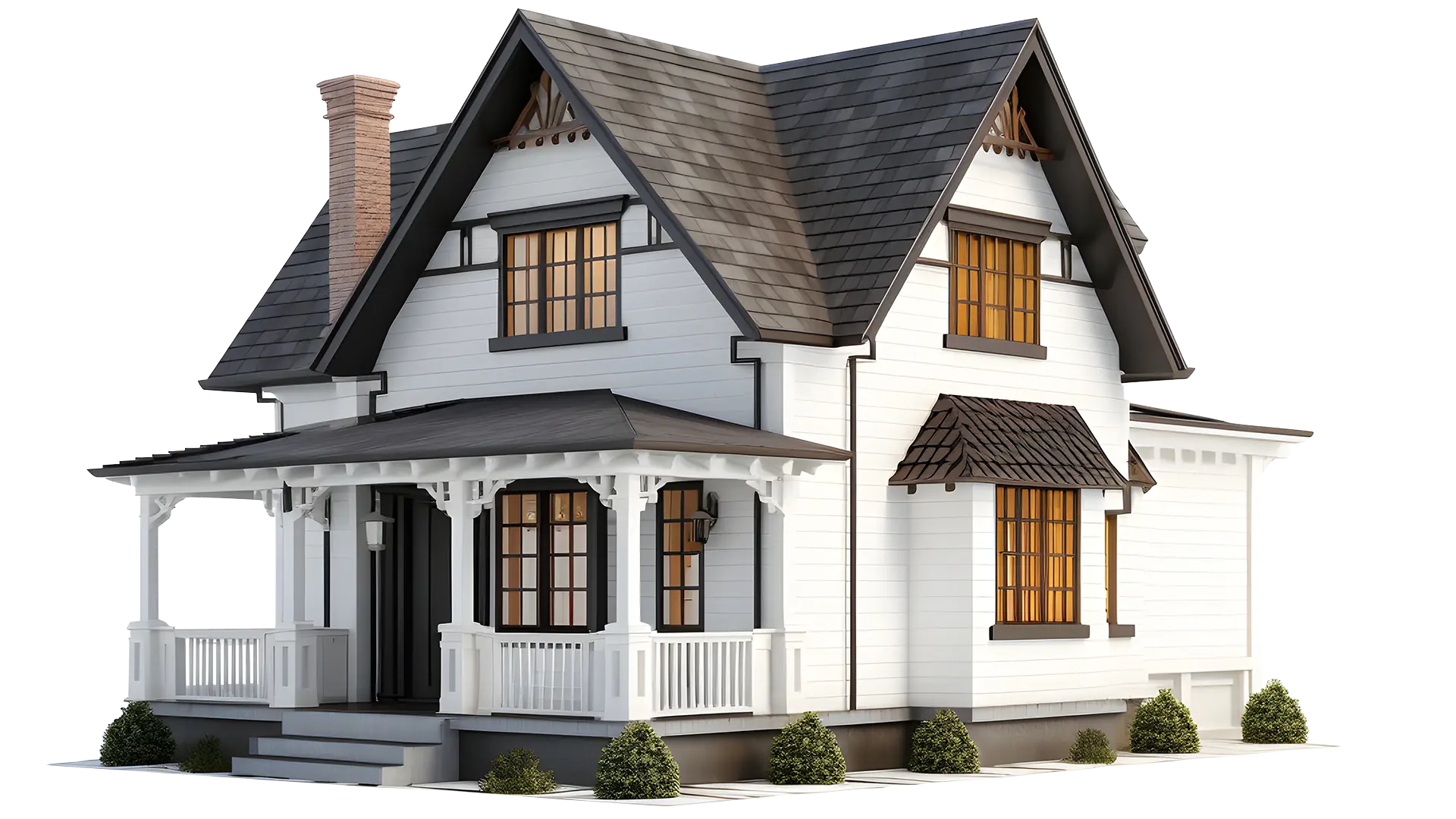
Why Choose Us?
Top Rated Siding & Window Experts
- FREE, Detailed Estimates
Receive clear, detailed quotes on-site, with no hidden fees.
- Fire Resistant Products
Enjoy peace of mind with quality materials like James Hardie siding and Anlin Windows.
- Local, Family-Owned Company
Decades of unparalleled expertise. No subcontractors!
- Licensed, Certified & Insured
We are fully licensed and certified, guaranteeing top-notch craftsmanship.
- Old-school Professionalism
Thorough cleanup and dependable follow-through with every siding and window project.


Dive Into Your Next Project with San Ramon T1-11 Siding Today!
Discover the benefits of T1-11 Siding in San Ramon. Reach out to us now for a consultation!
Get StartedWhy Us
- Free Quotes, Competitive Pricing
- On-Time Service
- Local, Family-Owned & Operated
- Reliable, Experienced, Certified
- Licensed & Certified
- Elite Preferred Contractor
- Family Owned & Operated
Replacement Windows
© 2026 Bay Area Siding Company, Inc. All Rights Reserved.Full-Service Siding & Window Experts in Bay Area. Bay Area Siding Company rated 5 / 5 based on 150 reviews.