Family Owned & Operated
Licensed & Certified
Free Estimates


Stanford Wood Siding
Let us enhance your Stanford home with our top-quality wood siding services! Bay Area Siding Company offers superior style variety to suit your aesthetic needs.


Get Started Today & Save Up to $1,500!
Request Free Pricing Today for Your Exterior Renovation Needs!


Wood is the material that best fits a lot of homes around the Stanford campus. The postwar faculty houses and Eichlers here were designed around natural materials: vertical boards, exposed beams, and warm exteriors that sit easily among the trees. When that cladding finally wears out, many owners want real wood back rather than a substitute. Bay Area Siding Company is a Larkspur-based siding and window contractor. We install cedar, redwood, and other wood siding, and we can also tell you when a wood-look alternative would serve the house better.
Considering real wood for your re-side? Request a bid or call (415) 619-5167. We'll look at the walls, the profile you want, and the approvals your lease requires.
Why owners here still choose wood
Wood siding offers things other materials can only imitate:
- Authentic grain and texture. Cedar and redwood weather, take stain, and read as natural material up close. On a design built around honest materials, that matters.
- Profile freedom. Wood can be milled into almost any pattern, including clapboard/bevel, board-and-batten, tongue-and-groove, channel, shingles, and shakes. That helps when the goal is to match an original vertical-board pattern.
- Repairability. A damaged board can be cut out and replaced individually, and the wall can be refinished rather than replaced when the finish ages.
- A renewable material that fits owners who care about what their house is made of.
For homes where the siding defines the architecture, wood is often the most faithful choice. It is not always the most practical one, though, and the trade-offs deserve an honest look.
The honest trade-offs
Wood asks more of its owner than any other siding we install:
- Maintenance is ongoing. Paint or stain has to be renewed on a cycle, and the south and west walls usually go first because the dry summer sun works on the finish hardest there.
- Moisture is the enemy. Wood that stays wet, from winter rain, sprinklers, or soil and mulch piled against it, will eventually rot. Keeping clearance at grade and keeping the finish intact are what make wood last.
- Pests. Insects and woodpeckers can be an issue on wood exteriors, and damaged areas need prompt attention.
- Combustibility. Wood burns. Stanford's flat, valley-floor setting is not one of the designated Very High Fire Hazard Severity Zones that drive noncombustible-material rules in the hills. Fire-zone status is still mapped parcel by parcel, so we confirm it with the permitting authority for your specific address rather than assume.
If those trade-offs give you pause, you have alternatives:
- Fiber cement is noncombustible and low-maintenance. James Hardie is the best-known fiber-cement brand.
- LP SmartSide is engineered wood with a real-wood texture and lighter upkeep.
- Vinyl and CertainTeed lines cover the lowest-maintenance end.
We'd rather you choose wood knowing what it involves than regret it five years in.
Matching mid-century character
Around campus, the residential fabric leans postwar: ranches, faculty houses, and a well-known cluster of Eichlers on leased land. Vertical siding is central to the Eichler look, with long, clean lines running up to low rooflines and meeting walls of glass. Many of these homes originally wore vertical wood or grooved panel siding. Sixty-plus years later, that original material has often cupped, split, or delaminated.
Replacing it well means paying attention to:
- Board width and groove spacing, so the rhythm of the wall reads the way it did originally.
- How the siding meets the glazing. Post-and-beam homes put a lot of window area in the wall, and the transitions at those openings are both a visual detail and a water-management detail.
- Edges at eaves and clerestories. Siding should land cleanly into deep overhangs without bulky trim that breaks the horizontal lines.
- Finish choice. A clear or semi-transparent stain shows off the grain but needs more frequent renewal. A solid stain or paint lasts longer between coats but hides more of the wood.
If your home has original T1-11 or plywood panels that have aged out, that's a common starting point. We can replace it with solid wood or with an engineered alternative, depending on how you weigh authenticity against upkeep.
Approvals: plan for two
Wood siding goes through the same two approvals as any Stanford re-side. Understanding both early keeps the schedule realistic.
1. The building permit. A full re-side is a permitted alteration.
- Stanford is an unincorporated community on university land in Santa Clara County, so most parcels are permitted through the Santa Clara County Department of Planning and Development's Building Division.
- A few faculty-housing pockets fall inside Palo Alto or Menlo Park city limits, and the city building department handles those.
- We confirm which authority applies to your parcel.
2. Stanford Faculty and Staff Housing (FSH) review. Homes on a Stanford ground lease need FSH approval before work begins.
- The application includes drawings, photos, and product spec sheets, plus an application fee.
- Homes fifty years and older get additional time for historic review, which covers much of the mid-century stock here.
- Lease areas such as San Juan, Olmsted Terrace, and University Terrace, along with the Palo Alto and Menlo Park pockets, have their own building regulations to check against.
Wood can work in your favor in that review. Replacing original wood with wood in a matching profile is a straightforward story to document. We put together clear species, profile, and finish specs so the submission shows exactly what the exterior will look like.
How a wood re-side goes
- Walkthrough. We look at the existing siding, trim, and openings and talk through species, profile, and finish.
- Approvals. Once scope is set, we prepare the FSH submission and the permit application together.
- Tear-off. The old cladding comes off to the sheathing/substrate. That lets us inspect the water-resistive barrier and the flashing at windows, doors, and transitions. Framing is only exposed if the sheathing itself has failed and needs replacement, which is a larger scope we'd discuss with you first.
- Wall repair. Damaged sheathing gets repaired, and the WRB and flashing are renewed.
- Installation. New wood goes up with corrosion-resistant fasteners, sealed cut ends, and proper clearance at grade. Where the assembly calls for it, we can discuss a rainscreen gap behind the siding so the wall dries out between winter storms.
- Finish and closeout. The finish is applied and we close out the permit.
You can see examples of our exterior work in our projects gallery.
What drives the cost
We don't publish prices because wood jobs vary more than most. The main drivers are:
- Species and grade. Clear, knot-free cedar or redwood costs more than knotty grades.
- Profile. Custom-milled patterns cost more than stock ones.
- Finish. Factory-primed or pre-finished boards cost more than a site-applied finish.
- Wall area and trim complexity, including the amount of glazing to detail around.
- Condition of the sheathing found at tear-off.
- Access, plus the front-end work of clearing both the permit and the FSH review.
Over the long run, budget for periodic refinishing. It is part of the true cost of wood.
FAQs
Does Stanford FSH allow wood siding on leased homes? Wood is a traditional material on many of these homes, but approval depends on your lease area's regulations and the specific project. We submit species, profile, and finish details with the FSH application so the review can evaluate exactly what's proposed. Homes fifty years and older should allow extra time for historic review.
Cedar or redwood? Both are naturally decay-resistant softwoods that take stain well. The choice usually comes down to color, grain, availability of the grade you want, and budget. We'll show you samples of each.
How often will wood siding need refinishing? It depends on the finish type and exposure. Sun-facing walls wear fastest, and clear finishes need renewal sooner than solid stains or paint. We'll give you a realistic expectation for your walls rather than a fixed promise.
Can you match my Eichler's original vertical siding? Usually, yes. Wood can be milled to match board width and groove spacing, so the new wall carries the same rhythm. We measure the existing profile before ordering.
Ready to talk about wood?
Whether you're set on redwood or still comparing it against fiber cement, we'll give you a straight assessment. Request a bid or call (415) 619-5167.
For the broader re-side decision, see siding replacement in Stanford and James Hardie siding in Stanford. Replacing the glass too? See window replacement in Stanford. You can also explore our wood siding hub and the rest of our Peninsula service area.
Serviced ZIP Codes: 94305, 94309
- Alamo Wood Siding
- Albany Wood Siding
- American Canyon Wood Siding
- Angels Camp Wood Siding
- Antioch Wood Siding
- Apple Hill Wood Siding
- Arnold Wood Siding
- Belmont Wood Siding
- Benicia Wood Siding
- Berkeley Wood Siding
- Blackhawk Wood Siding
- Bodega Bay Wood Siding
- Brentwood Wood Siding
- Burlingame Wood Siding
- Calistoga Wood Siding
- Cambrian Park Wood Siding
- Campbell Wood Siding
- Castro Valley Wood Siding
- Chico Wood Siding
- Clayton Wood Siding
- Clear Lake Wood Siding
- Concord Wood Siding
- Cordelia Wood Siding
- Corte Madera Wood Siding
- Cotati Wood Siding
- Cupertino Wood Siding
- Daly City Wood Siding
- Danville Wood Siding
- Discovery Bay Wood Siding
- Dixon Wood Siding
- Dublin Wood Siding
- East Bay Wood Siding
- El Cerrito Wood Siding
- El Sobrante Wood Siding
- Emeryville Wood Siding
- Fairfax Wood Siding
- Fairfield Wood Siding
- Foster City Wood Siding
- Fremont Wood Siding
- Galt Wood Siding
- Gilroy Wood Siding
- Grass Valley Wood Siding
- Half Moon Bay Wood Siding
- Hayward Wood Siding
- Hercules Wood Siding
- Hidden Valley Lake Wood Siding
- Isleton Wood Siding
- Jackson Wood Siding
- Kentfield Wood Siding
- Lafayette Wood Siding
- Lakeport Wood Siding
- Larkspur Wood Siding
- Livermore Wood Siding
- Los Altos Wood Siding
- Los Gatos Wood Siding
- Lower Lake Wood Siding
- Manteca Wood Siding
- Marin City Wood Siding
- Martinez Wood Siding
- Menlo Park Wood Siding
- Mill Valley Wood Siding
- Millbrae Wood Siding
- Milpitas Wood Siding
- Moraga Wood Siding
- Morgan Hill Wood Siding
- Mountain View Wood Siding
- Murphys Wood Siding
- Napa Wood Siding
- North Bay Wood Siding
- Novato Wood Siding
- Oakland Wood Siding
- Oakley Wood Siding
- Orinda Wood Siding
- Pacifica Wood Siding
- Palo Alto Wood Siding
- Paradise Wood Siding
- Petaluma Wood Siding
- Piedmont Wood Siding
- Pinole Wood Siding
- Pittsburg Wood Siding
- Pleasant Hill Wood Siding
- Pleasanton Wood Siding
- Pollock Pines Wood Siding
- Rancho Calaveras Wood Siding
- Redwood City Wood Siding
- Richmond Wood Siding
- Rio Vista Wood Siding
- Rodeo Wood Siding
- Rohnert Park Wood Siding
- Roseland Wood Siding
- San Andreas Wood Siding
- San Anselmo Wood Siding
- San Bruno Wood Siding
- San Carlos Wood Siding
- San Jose Wood Siding
- San Leandro Wood Siding
- San Mateo Wood Siding
- San Pablo Wood Siding
- San Rafael Wood Siding
- San Ramon Wood Siding
- Santa Clara Wood Siding
- Santa Cruz Wood Siding
- Santa Rosa Wood Siding
- Saratoga Wood Siding
- Sausalito Wood Siding
- Scotts Valley Wood Siding
- Sebastopol Wood Siding
- Sonoma Wood Siding
- South Bay Wood Siding
- South Lake Tahoe Wood Siding
- South San Francisco Wood Siding
- St. Helena Wood Siding
- Stanford Wood Siding
- Stockton Wood Siding
- Suisun City Wood Siding
- Sunnyvale Wood Siding
- Sutter Creek Wood Siding
- Tiburon Wood Siding
- Tracy Wood Siding
- Truckee Wood Siding
- Union City Wood Siding
- Vacaville Wood Siding
- Vallejo Wood Siding
- Valley Springs Wood Siding
- Walnut Creek Wood Siding
- Windsor Wood Siding
- Yountville Wood Siding
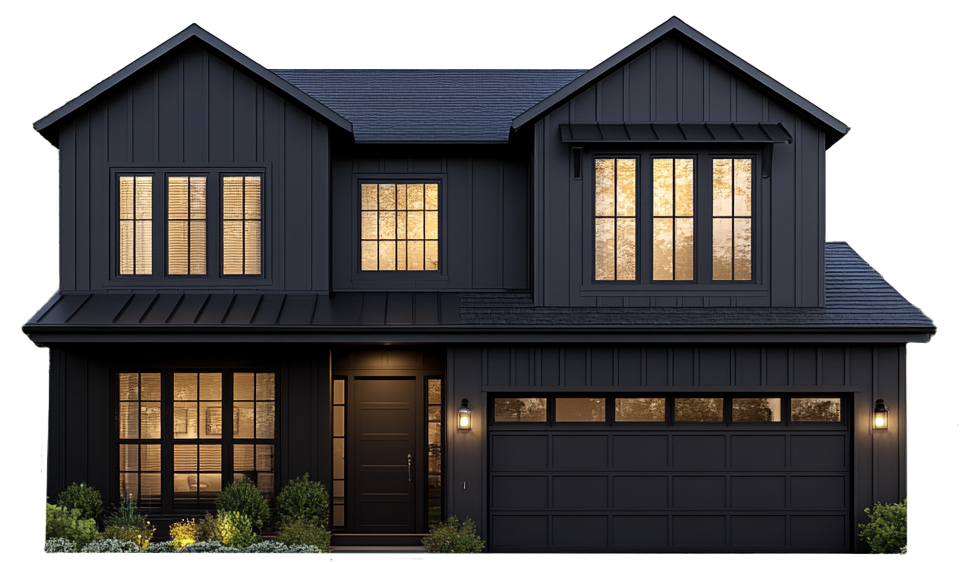
*Offer expires September 30, 2026
Try Our 3D Home Design Visualizer!
Excited to explore new possibilities for your home? Snap a photo to kickstart your journey with our online design tool or get inspired by our sample homes.
Start Designing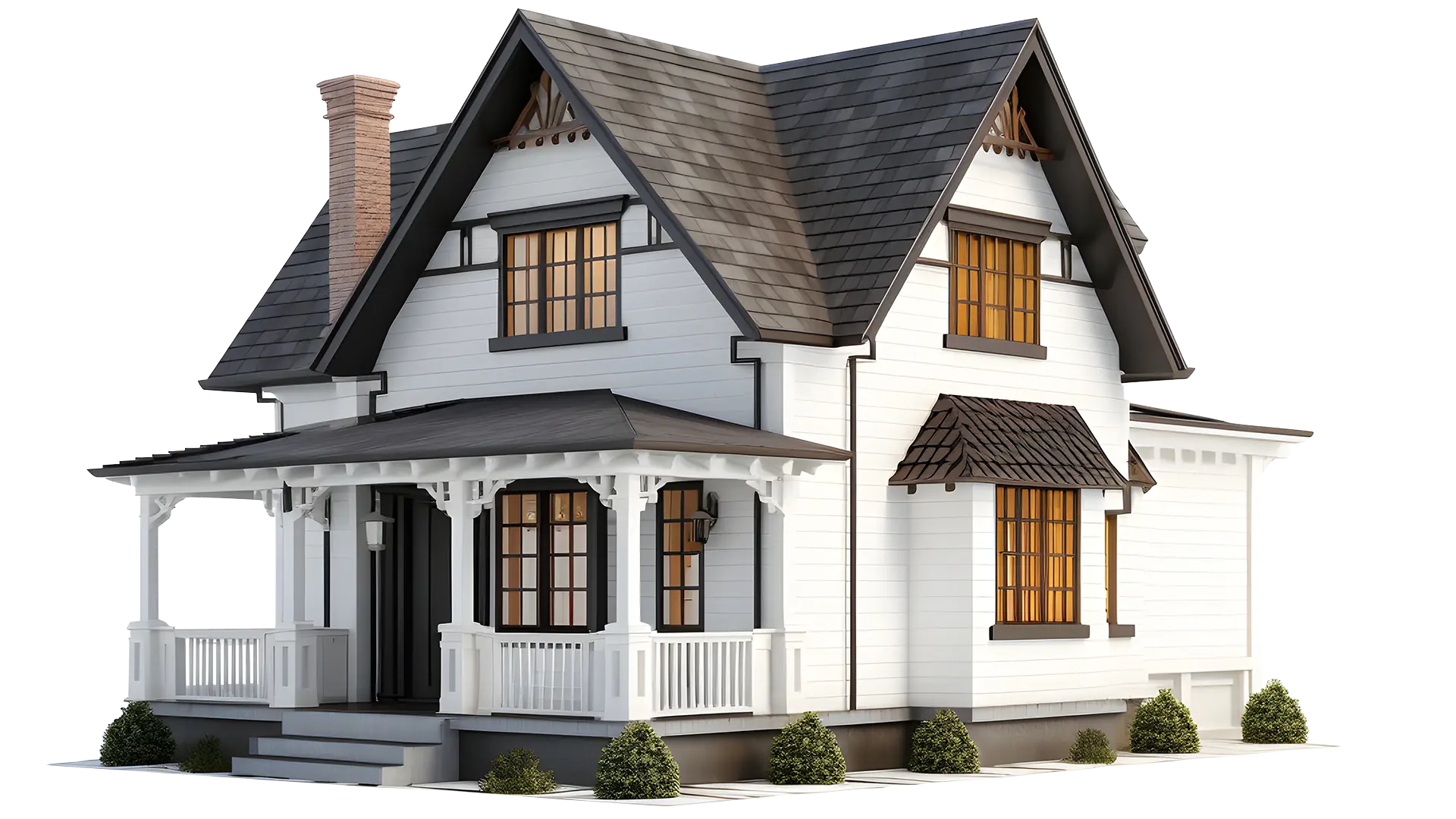
Why Choose Us?
Top Rated Siding & Window Experts
- FREE, Detailed Estimates
Receive clear, detailed quotes on-site, with no hidden fees.
- Fire Resistant Products
Enjoy peace of mind with quality materials like James Hardie siding and Anlin Windows.
- Local, Family-Owned Company
Decades of unparalleled expertise. No subcontractors!
- Licensed, Certified & Insured
We are fully licensed and certified, guaranteeing top-notch craftsmanship.
- Old-school Professionalism
Thorough cleanup and dependable follow-through with every siding and window project.


Ready to Improve Your Home with Stanford Wood Siding? Start Now!
Discover exceptional wood siding solutions in Stanford that will transform your property. Get in touch now!
Get StartedWhy Us
- Free Quotes, Competitive Pricing
- On-Time Service
- Local, Family-Owned & Operated
- Reliable, Experienced, Certified
- Licensed & Certified
- Elite Preferred Contractor
- Family Owned & Operated
Replacement Windows
© 2026 Bay Area Siding Company, Inc. All Rights Reserved.Full-Service Siding & Window Experts in Bay Area. Bay Area Siding Company rated 5 / 5 based on 150 reviews.