Family Owned & Operated
Licensed & Certified
Free Estimates


Stockton Fiber Cement Siding
Ensure durability and exceptional looks for your Stockton home with our Fiber Cement Siding services at Bay Area Siding Company. Invest in superior quality now!


Schedule Your Consultation Today & Save Up to $1,500!
Request Free Pricing Today for Your Exterior Renovation Needs!


A Stockton summer tests cladding hard. Weeks of triple-digit afternoons, heavy UV, and dry Delta wind soften, fade, and loosen weaker materials. Fiber cement handles those conditions well. It is a mix of cement, sand, and cellulose fibers pressed into boards and panels. The result is dense, dimensionally stable, and noncombustible. It won't rot, termites don't eat it, and it holds paint far better than hardboard or plywood panel siding.
Bay Area Siding Company installs fiber cement on Stockton homes of every era. That includes the Victorians and Craftsman bungalows near downtown and in the Magnolia District, the postwar houses around Lincoln Village, and the newer homes in Brookside and Spanos Park. This page covers fiber cement as a category and helps you choose among the options. If you already know you want James Hardie specifically, see our Stockton James Hardie siding page.
Considering fiber cement? Request a bid or call (415) 619-5167 to talk through your house.
Why the material suits the Valley
It doesn't soften or sag in the heat. Vinyl and thin composite products expand and contract a lot as temperatures swing. On a sun-baked west wall, that movement shows up as waviness, loose laps, and gaps at trim. Fiber cement is a cementitious board, so it moves far less. Joints and lines stay crisp through many hot summers.
Paint lasts longer on it. Stable boards mean less movement at paint films and caulk lines. Many fiber cement products are also sold with factory-applied finishes, which hold color well under intense sun. We explain that choice further down.
Moisture and pests aren't the threat they are for wood products. Stockton's summers are dry, but winter storms still drive rain against exposed elevations. Irrigation overspray and sprinklers soak the bottom courses of a lot of houses every week. Fiber cement doesn't swell or delaminate the way hardboard and T1-11 do at those wet lower edges. There is no wood fiber matrix for termites to follow either.
It's noncombustible. That property matters, but you should weigh it realistically in Stockton. The flat, developed core of the city generally sits outside CAL FIRE's Very High Fire Hazard Severity Zones. For most lots, fiber cement is a durability and appearance decision rather than a code requirement. If your parcel is on the urban edge and you want to confirm its designation, we check with the City before specifying anything.
Choosing among fiber cement options
"Fiber cement" covers several manufacturers, finishes, and profiles. These are the three decisions that shape the finished job.
Manufacturer
- James Hardie is the best-known name. Its HZ10 line is the one sold for California's climate. It comes with a transferable 30-year non-prorated substrate limited warranty, plus a 15-year warranty on ColorPlus factory finishes when installed to spec. Details are on our James Hardie hub.
- Allura and Nichiha are other established fiber cement brands. Each has its own profiles, textures, and warranty terms. We compare their current product literature with you instead of quoting figures from memory.
- CertainTeed has also sold fiber cement under its WeatherBoards name. Its broader lineup is covered on our CertainTeed page.
For a deeper look at the category across brands, visit our fiber cement hub.
Finish: factory color or field paint
- Factory-finished boards come pre-coated in a controlled setting. They typically carry their own finish warranty, and the color is on before the boards reach your driveway. Stockton has so many west- and south-facing walls in full afternoon sun that this option is worth serious consideration.
- Primed boards painted on site give you unlimited color matching. That's useful on a Magnolia District home with a specific historic palette or an HOA with set colors. The trade-off is that you'll repaint on a normal paint cycle, just less often than on wood or hardboard.
Profile
Fiber cement comes in several profiles:
- lap siding in smooth or wood-grain textures and a range of exposures
- shingle and shake-style panels
- vertical panels for a board-and-batten look
- matching trim boards
The right profile usually follows the house itself.
Fitting fiber cement to Stockton's housing stock
Older homes near downtown and in the Magnolia District. The priority here is keeping the original character. We measure the existing board exposure and trim widths, then select a lap profile and trim package that reads correctly on a Victorian or Craftsman façade. A smooth-finish lap board with a matching reveal usually looks closer to the original milled siding than a heavy faux-grain texture. If a home carries a historic designation, we ask the City whether any additional review applies before work starts.
Postwar and mid-century houses around Lincoln Village. Many of these homes still have original or early-replacement hardboard or plywood panel siding. Valley heat and years of sprinkler spray have been wearing that siding down. Fiber cement lap siding modernizes a ranch cleanly. Vertical panels with battens keep a simpler mid-century look. Either option replaces a material that tends to fail at the bottom edges.
Newer subdivisions in Brookside and Spanos Park. Owners here are often updating the look of a home or dealing with a builder-grade cladding that hasn't aged well. Fiber cement pairs well with existing stucco elevations. It can also be used on accent walls, gables, or the full exterior. When the house falls under an HOA, we match whatever color and profile guidelines apply.
The honest trade-offs
Fiber cement isn't the right answer for every budget or every wall.
- It costs more than vinyl. Material and labor both run higher. Compare against our vinyl siding page if first cost is the main driver.
- It's heavy and unforgiving to install. Boards need correct fastening, specified clearances from grade and rooflines, and properly treated butt joints and trim gaps. Poor installation, not the material, is behind most fiber cement complaints.
- Cutting it creates silica dust. Crews should use dust-controlling cutting methods and follow worker-safety rules. We do.
- Field-painted boards still need repainting. It happens less often, but it's not zero maintenance.
For a lighter engineered-wood alternative with real wood texture, see LP SmartSide. For natural material on a period home, see wood siding.
How a fiber cement job runs here
Re-siding in Stockton is permitted work through the City of Stockton's Building & Life Safety division, part of Community Development. We pull the permit and schedule inspections.
On site, we remove the old cladding down to the sheathing/substrate. That exposes the water-resistive barrier (WRB) and flashing for inspection. On older Stockton houses, those layers are often missing, degraded, or never detailed properly around windows and doors. We repair damaged substrate, install or renew the WRB, and flash openings and transitions correctly. Then we hang and finish the fiber cement to the manufacturer's installation requirements, which the warranty depends on.
If your windows are due too, doing both at once lets the openings be flashed in one continuous sequence. See our Stockton window replacement page. For the broader re-siding decision, including materials beyond fiber cement, start with Stockton siding replacement.
What drives the cost
These factors set the price of a fiber cement job:
- wall area and number of stories
- manufacturer, profile, and finish (factory color vs. field paint)
- the amount of trim and detail work
- substrate or dry-rot repair found once the old siding is off
- how easy it is to get staging around the lot
Tight side yards and two-story elevations add time. We price the job after measuring, not before. You can browse finished work on our projects page. You can also see the other communities we serve on the service-area hub.
FAQ
Is fiber cement required on Stockton homes for fire code? Generally not. Most of Stockton's developed core lies outside CAL FIRE's Very High Fire Hazard Severity Zones, so Chapter 7A materials usually aren't mandated there. Requirements depend on the specific parcel and scope, and we confirm with the City of Stockton for any lot near the urban edge. For most homeowners, fiber cement is chosen for heat stability and longevity.
Will fiber cement fade in Stockton's sun? Any exterior finish weathers under Valley UV. Fiber cement's stability helps paint last longer than it does on wood-based or plastic siding. Factory-applied finishes add a manufacturer finish warranty on top of that.
Can you replace old hardboard or T1-11 with fiber cement? Yes. It's one of the most common reasons Stockton homeowners call us. We remove the failing siding, inspect and repair the sheathing and WRB, and install fiber cement in lap or vertical-panel profiles.
Do I need a permit? Yes. Exterior re-siding goes through the City of Stockton's Building & Life Safety division. We handle the permit and the inspections.
Ready to compare fiber cement options for your house? Call (415) 619-5167 or request a bid. We'll measure, walk you through brands and finishes, and give you a firm scope.
Serviced ZIP Codes: 95201, 95202, 95203, 95204, 95205, 95206, 95207, 95208, 95209, 95210, 95211, 95212, 95213, 95215, 95219, 95267, 95269, 95296, 95297
- Alamo Fiber Cement Siding
- Albany Fiber Cement Siding
- American Canyon Fiber Cement Siding
- Angels Camp Fiber Cement Siding
- Antioch Fiber Cement Siding
- Apple Hill Fiber Cement Siding
- Arnold Fiber Cement Siding
- Belmont Fiber Cement Siding
- Benicia Fiber Cement Siding
- Berkeley Fiber Cement Siding
- Blackhawk Fiber Cement Siding
- Bodega Bay Fiber Cement Siding
- Brentwood Fiber Cement Siding
- Burlingame Fiber Cement Siding
- Calistoga Fiber Cement Siding
- Cambrian Park Fiber Cement Siding
- Campbell Fiber Cement Siding
- Castro Valley Fiber Cement Siding
- Chico Fiber Cement Siding
- Clayton Fiber Cement Siding
- Clear Lake Fiber Cement Siding
- Concord Fiber Cement Siding
- Cordelia Fiber Cement Siding
- Corte Madera Fiber Cement Siding
- Cotati Fiber Cement Siding
- Cupertino Fiber Cement Siding
- Daly City Fiber Cement Siding
- Danville Fiber Cement Siding
- Discovery Bay Fiber Cement Siding
- Dixon Fiber Cement Siding
- Dublin Fiber Cement Siding
- East Bay Fiber Cement Siding
- El Cerrito Fiber Cement Siding
- El Sobrante Fiber Cement Siding
- Emeryville Fiber Cement Siding
- Fairfax Fiber Cement Siding
- Fairfield Fiber Cement Siding
- Foster City Fiber Cement Siding
- Fremont Fiber Cement Siding
- Galt Fiber Cement Siding
- Gilroy Fiber Cement Siding
- Grass Valley Fiber Cement Siding
- Half Moon Bay Fiber Cement Siding
- Hayward Fiber Cement Siding
- Hercules Fiber Cement Siding
- Hidden Valley Lake Fiber Cement Siding
- Isleton Fiber Cement Siding
- Jackson Fiber Cement Siding
- Kentfield Fiber Cement Siding
- Lafayette Fiber Cement Siding
- Lakeport Fiber Cement Siding
- Larkspur Fiber Cement Siding
- Livermore Fiber Cement Siding
- Los Altos Fiber Cement Siding
- Los Gatos Fiber Cement Siding
- Lower Lake Fiber Cement Siding
- Manteca Fiber Cement Siding
- Marin City Fiber Cement Siding
- Martinez Fiber Cement Siding
- Menlo Park Fiber Cement Siding
- Mill Valley Fiber Cement Siding
- Millbrae Fiber Cement Siding
- Milpitas Fiber Cement Siding
- Moraga Fiber Cement Siding
- Morgan Hill Fiber Cement Siding
- Mountain View Fiber Cement Siding
- Murphys Fiber Cement Siding
- Napa Fiber Cement Siding
- North Bay Fiber Cement Siding
- Novato Fiber Cement Siding
- Oakland Fiber Cement Siding
- Oakley Fiber Cement Siding
- Orinda Fiber Cement Siding
- Pacifica Fiber Cement Siding
- Palo Alto Fiber Cement Siding
- Paradise Fiber Cement Siding
- Petaluma Fiber Cement Siding
- Piedmont Fiber Cement Siding
- Pinole Fiber Cement Siding
- Pittsburg Fiber Cement Siding
- Pleasant Hill Fiber Cement Siding
- Pleasanton Fiber Cement Siding
- Pollock Pines Fiber Cement Siding
- Rancho Calaveras Fiber Cement Siding
- Redwood City Fiber Cement Siding
- Richmond Fiber Cement Siding
- Rio Vista Fiber Cement Siding
- Rodeo Fiber Cement Siding
- Rohnert Park Fiber Cement Siding
- Roseland Fiber Cement Siding
- San Andreas Fiber Cement Siding
- San Anselmo Fiber Cement Siding
- San Bruno Fiber Cement Siding
- San Carlos Fiber Cement Siding
- San Jose Fiber Cement Siding
- San Leandro Fiber Cement Siding
- San Mateo Fiber Cement Siding
- San Pablo Fiber Cement Siding
- San Rafael Fiber Cement Siding
- San Ramon Fiber Cement Siding
- Santa Clara Fiber Cement Siding
- Santa Cruz Fiber Cement Siding
- Santa Rosa Fiber Cement Siding
- Saratoga Fiber Cement Siding
- Sausalito Fiber Cement Siding
- Scotts Valley Fiber Cement Siding
- Sebastopol Fiber Cement Siding
- Sonoma Fiber Cement Siding
- South Bay Fiber Cement Siding
- South Lake Tahoe Fiber Cement Siding
- South San Francisco Fiber Cement Siding
- St. Helena Fiber Cement Siding
- Stanford Fiber Cement Siding
- Stockton Fiber Cement Siding
- Suisun City Fiber Cement Siding
- Sunnyvale Fiber Cement Siding
- Sutter Creek Fiber Cement Siding
- Tiburon Fiber Cement Siding
- Tracy Fiber Cement Siding
- Truckee Fiber Cement Siding
- Union City Fiber Cement Siding
- Vacaville Fiber Cement Siding
- Vallejo Fiber Cement Siding
- Valley Springs Fiber Cement Siding
- Walnut Creek Fiber Cement Siding
- Windsor Fiber Cement Siding
- Yountville Fiber Cement Siding
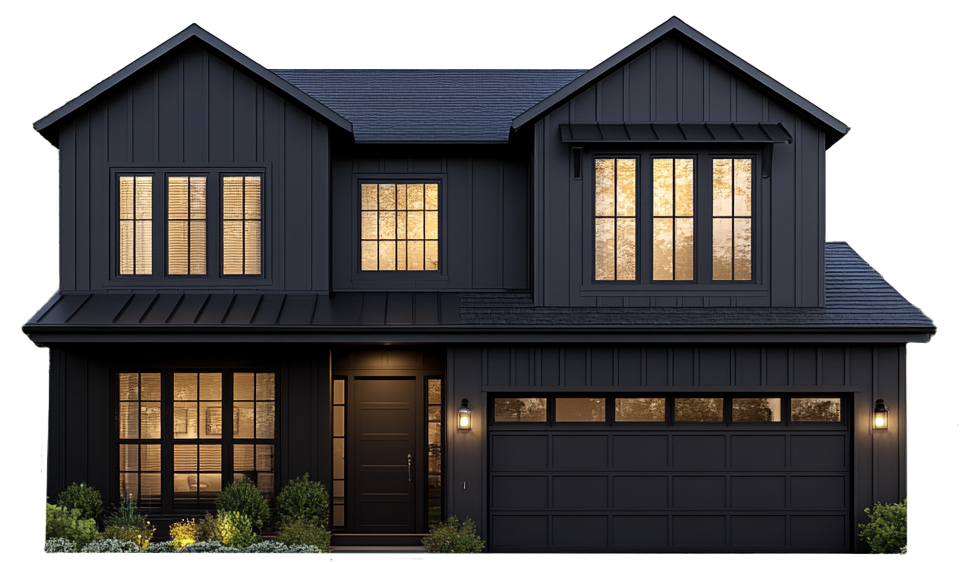
*Offer expires September 30, 2026
Try Our 3D Home Design Visualizer!
Excited to explore new possibilities for your home? Snap a photo to kickstart your journey with our online design tool or get inspired by our sample homes.
Start Designing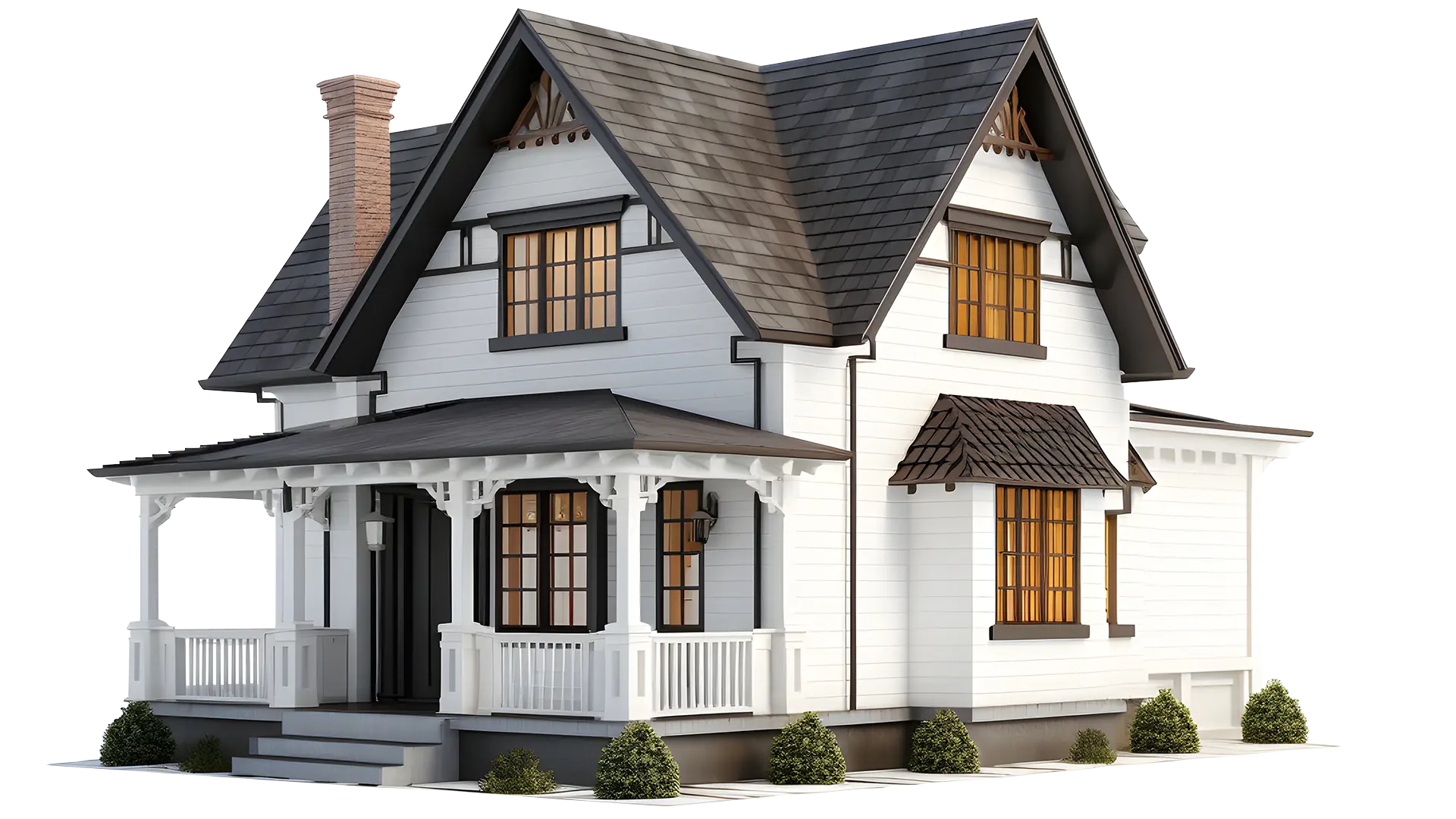
Why Choose Us?
Top Rated Siding & Window Experts
- FREE, Detailed Estimates
Receive clear, detailed quotes on-site, with no hidden fees.
- Fire Resistant Products
Enjoy peace of mind with quality materials like James Hardie siding and Anlin Windows.
- Local, Family-Owned Company
Decades of unparalleled expertise. No subcontractors!
- Licensed, Certified & Insured
We are fully licensed and certified, guaranteeing top-notch craftsmanship.
- Old-school Professionalism
Thorough cleanup and dependable follow-through with every siding and window project.


Start Transforming Your Home with Stockton Fiber Cement Siding Today!
Discover the benefits of Stockton Fiber Cement Siding today! Don't wait, reach out to us for more information now!
Get StartedWhy Us
- Free Quotes, Competitive Pricing
- On-Time Service
- Local, Family-Owned & Operated
- Reliable, Experienced, Certified
- Licensed & Certified
- Elite Preferred Contractor
- Family Owned & Operated
Replacement Windows
© 2026 Bay Area Siding Company, Inc. All Rights Reserved.Full-Service Siding & Window Experts in Bay Area. Bay Area Siding Company rated 5 / 5 based on 150 reviews.