Family Owned & Operated
Licensed & Certified
Free Estimates


Santa Rosa Fiber Cement Siding
Ensure durability and exceptional looks for your Santa Rosa home with our Fiber Cement Siding services at Bay Area Siding Company. Invest in superior quality now!


Schedule Your Consultation Today & Save Up to $1,500!
Request Free Pricing Today for Your Exterior Renovation Needs!


Fiber cement is often the first material Santa Rosa homeowners ask about. Many are rebuilding or hardening a home after the fires, and many more are tired of repainting cracked wood or swollen hardboard every few summers. Bay Area Siding Company is a Marin-based siding and window contractor that installs fiber cement siding throughout Sonoma County. This page covers the material category itself: what it is, where it performs well, where it falls short, and how to choose among the brands and profiles.
Want to know if fiber cement fits your house and budget? Call (415) 619-5167 or request a bid.
What fiber cement actually is
Fiber cement siding is a composite of portland cement, sand, and cellulose fibers. It is formed into planks, panels, shingles, and trim. The cement and sand give it mass and stability. The cellulose fibers keep it from being brittle. The result is a cladding with these properties:
- Noncombustible. It won't feed a flame the way wood or vinyl can.
- Rot and pest resistant. Termites and woodpeckers have little interest in it, and it doesn't decay the way wood does when it stays damp.
- Dimensionally stable. It resists the swelling, cupping, and softening that other claddings show through heat and wet-season cycles.
- Paint-friendly. It holds paint well, whether the color is factory-applied or brushed and sprayed on site.
What it isn't: a maintenance-free material or a do-it-yourself product. It still needs its joints, trim, and finish kept up. It is also heavy and dense, and installation takes experience, as covered below.
Why it keeps coming up in Santa Rosa
Two local realities drive most of the fiber cement conversations we have in Santa Rosa.
Fire recovery and the WUI. The October 2017 Tubbs Fire destroyed roughly 2,900 homes in Santa Rosa, including much of Coffey Park and large parts of Fountaingrove. Rebuilding and retrofitting have continued ever since. The city has a designated Wildland-Urban Interface (WUI) Fire Area, and fire hazard severity zone maps have been updated in recent years. As a result, some owners who never thought about fire code are now looking at it for the first time.
On parcels where California Building Code Chapter 7A applies, exterior wall coverings must be noncombustible or ignition-resistant. Fiber cement is widely used to meet that requirement. It is not a blanket answer, though, for three reasons:
- Chapter 7A applies to specific assemblies and components, including walls, vents, eaves, and glazing, and not to "the house" as a single item.
- Whether it applies to your job depends on your address and the scope of work.
- The exact product's documentation matters.
We confirm the requirements for your parcel with the City of Santa Rosa before we specify anything. Siding is one piece of a hardened exterior, not the whole answer. (Your insurance carrier, not us, is the right source for coverage questions.)
Hot, high-UV summers. Inland Santa Rosa gets long, hot, sunny summers and wet winters. Fiber cement doesn't soften or distort in heat. Painted fiber cement generally holds its finish better than bare or thinly coated wood. Any painted surface on a sun-baked south or west wall will still weather over time, so finish choice matters. Factory-applied finishes are one route to consider.
Choosing among fiber cement options
"Fiber cement" is a category, not a single product. Several manufacturers make it, and each offers a range of profiles and finishes. The main decisions are brand, profile, and finish.
Brand. Three names come up most often:
- James Hardie is the most recognized name. Its HZ10 line is formulated for California's climate. It carries a transferable 30-year non-prorated substrate limited warranty and a 15-year ColorPlus finish warranty when installed to spec. See our Santa Rosa James Hardie siding page for brand-specific detail, or the Bay Area James Hardie hub.
- Allura offers fiber cement lap siding, panels, and shingles as an alternative line.
- Nichiha is known particularly for architectural panel formats, which suit more contemporary designs.
Availability, profile selection, and warranty terms differ between manufacturers. We walk through current specifics with you rather than generalizing.
Profile. Fiber cement can read very differently depending on the profile:
- Lap siding in smooth or wood-grain textures is the most common choice.
- Shingle and shake panels suit cottage and Craftsman looks.
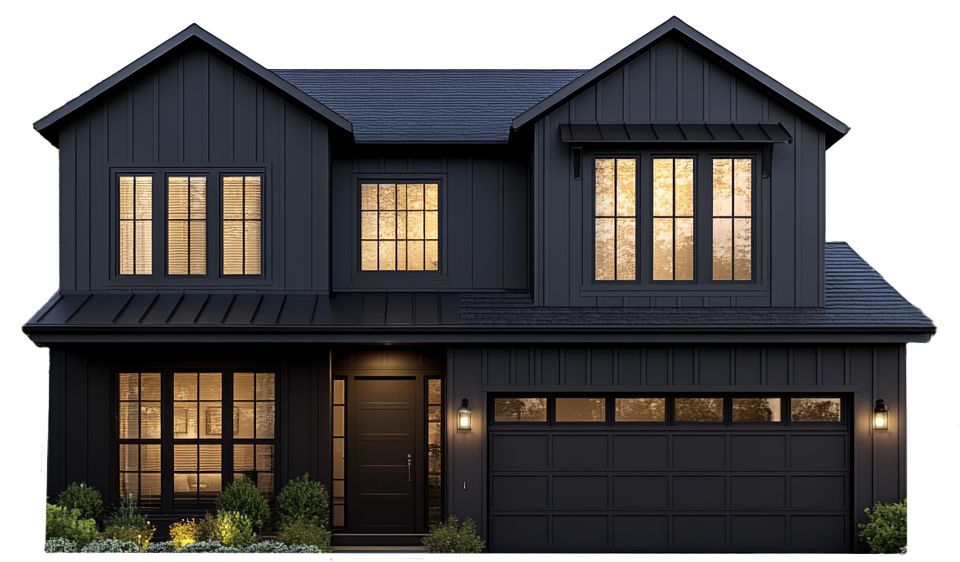
- Board-and-batten works on modern farmhouse designs.
- Large flat panels create a clean, modern facade.
Many rebuilt homes in Coffey Park and Fountaingrove mix two profiles, such as lap on the body with board-and-batten or panels as an accent. On established homes in Rincon Valley, Bennett Valley, or the west side, we usually aim to respect the house's existing proportions and trim lines rather than reinvent them.
Finish. Your two options are factory-finished boards or primed boards painted on site.
- Factory finishes are applied under controlled conditions and come with their own finish warranty where the manufacturer offers one.
- Field painting gives you an unlimited color palette. It needs a quality exterior paint system and good timing around weather.
The honest trade-offs
Fiber cement isn't the right call for every house or every budget. Before you commit, weigh these points:
- Weight and handling. Boards are heavy and can crack if mishandled. Installation takes the right tools and crew experience.
- Silica dust. Cutting fiber cement releases crystalline silica. Installers need proper dust-control cutting methods, and this is part of doing the job correctly.
- Detailing is everything. Manufacturers specify clearances from grade and rooflines, joint treatment, flashing, and fastening. Skipping these details is how fiber cement jobs fail, and it can affect warranty coverage.
- Cost. Fiber cement typically costs more to buy and install than vinyl. It usually competes with engineered wood on price.
- It still gets painted. Repaint cycles are generally longer than with wood, but they aren't zero.
If lighter weight and a warm wood texture matter more to you than noncombustibility, compare LP SmartSide engineered wood. If budget is the deciding factor, see vinyl siding. If you're weighing natural wood on a fire-zone parcel, read wood siding with Chapter 7A in mind. All options are compared on our Bay Area fiber cement and siding replacement hubs.
How a fiber cement re-side goes
On an existing home, the work follows this sequence:
- Tear-off. We remove the old siding down to the sheathing (substrate). This exposes the water-resistive barrier (WRB) and flashing for inspection.
- Repairs. Water damage is common behind aging T1-11 and hardboard in particular. Where we find damaged sheathing, we repair or replace it. Framing is only involved if the sheathing itself has failed.
- Weather layer. We install a new WRB and integrate flashing at windows, doors, and penetrations.
- Siding and trim. The fiber cement goes on to the manufacturer's specifications, followed by trim, caulking, and finish.
We handle the City of Santa Rosa building permit as part of the job.
If your windows are also due for replacement, the re-side is the most efficient time to do it, because the openings are already exposed. See Santa Rosa window replacement or the broader Santa Rosa siding replacement page.
What moves the price
We don't quote prices without seeing the house, but these factors drive every estimate:
- Wall area and number of stories, which affects access and staging
- Profile and brand
- Factory finish versus field paint
- Amount of trim and architectural detail
- How much sheathing repair turns up after tear-off
- Any Chapter 7A-related details on your parcel
- Whether windows are replaced at the same time
Frequently asked questions
Is fiber cement required for homes in Santa Rosa's fire areas? Not specifically. Where Chapter 7A applies, it calls for exterior wall coverings that are noncombustible or ignition-resistant, and fiber cement is one common way to meet that requirement. Applicability depends on your parcel and project scope, so we confirm it with the City of Santa Rosa before specifying.
How does fiber cement hold up to Santa Rosa's summer heat? The boards themselves stay dimensionally stable in heat and don't soften. The paint or factory finish is what weathers over time, especially on south- and west-facing walls, so finish selection deserves attention.
Is James Hardie the only fiber cement option? No. James Hardie is the best-known brand, but Allura and Nichiha also make fiber cement. We help you compare profiles, finishes, and warranty terms across them.
Can fiber cement go over my existing siding? We generally recommend tearing off the old siding. That lets us inspect the sheathing, WRB, and flashing and correct problems before new cladding goes on. It is especially important over aging T1-11 or hardboard.
Start your Santa Rosa fiber cement project
Whether you're finishing a rebuild in Fountaingrove or replacing tired siding on a Bennett Valley ranch, we'll help you choose the right fiber cement product and install it to spec. Browse our project gallery and our Wine Country service area.
Call (415) 619-5167 or request a bid.
Serviced ZIP Codes: 95401, 95402, 95403, 95404, 95405, 95406, 95407, 95409
- Alamo Fiber Cement Siding
- Albany Fiber Cement Siding
- American Canyon Fiber Cement Siding
- Angels Camp Fiber Cement Siding
- Antioch Fiber Cement Siding
- Apple Hill Fiber Cement Siding
- Arnold Fiber Cement Siding
- Belmont Fiber Cement Siding
- Benicia Fiber Cement Siding
- Berkeley Fiber Cement Siding
- Blackhawk Fiber Cement Siding
- Bodega Bay Fiber Cement Siding
- Brentwood Fiber Cement Siding
- Burlingame Fiber Cement Siding
- Calistoga Fiber Cement Siding
- Cambrian Park Fiber Cement Siding
- Campbell Fiber Cement Siding
- Castro Valley Fiber Cement Siding
- Chico Fiber Cement Siding
- Clayton Fiber Cement Siding
- Clear Lake Fiber Cement Siding
- Concord Fiber Cement Siding
- Cordelia Fiber Cement Siding
- Corte Madera Fiber Cement Siding
- Cotati Fiber Cement Siding
- Cupertino Fiber Cement Siding
- Daly City Fiber Cement Siding
- Danville Fiber Cement Siding
- Discovery Bay Fiber Cement Siding
- Dixon Fiber Cement Siding
- Dublin Fiber Cement Siding
- East Bay Fiber Cement Siding
- El Cerrito Fiber Cement Siding
- El Sobrante Fiber Cement Siding
- Emeryville Fiber Cement Siding
- Fairfax Fiber Cement Siding
- Fairfield Fiber Cement Siding
- Foster City Fiber Cement Siding
- Fremont Fiber Cement Siding
- Galt Fiber Cement Siding
- Gilroy Fiber Cement Siding
- Grass Valley Fiber Cement Siding
- Half Moon Bay Fiber Cement Siding
- Hayward Fiber Cement Siding
- Hercules Fiber Cement Siding
- Hidden Valley Lake Fiber Cement Siding
- Isleton Fiber Cement Siding
- Jackson Fiber Cement Siding
- Kentfield Fiber Cement Siding
- Lafayette Fiber Cement Siding
- Lakeport Fiber Cement Siding
- Larkspur Fiber Cement Siding
- Livermore Fiber Cement Siding
- Los Altos Fiber Cement Siding
- Los Gatos Fiber Cement Siding
- Lower Lake Fiber Cement Siding
- Manteca Fiber Cement Siding
- Marin City Fiber Cement Siding
- Martinez Fiber Cement Siding
- Menlo Park Fiber Cement Siding
- Mill Valley Fiber Cement Siding
- Millbrae Fiber Cement Siding
- Milpitas Fiber Cement Siding
- Moraga Fiber Cement Siding
- Morgan Hill Fiber Cement Siding
- Mountain View Fiber Cement Siding
- Murphys Fiber Cement Siding
- Napa Fiber Cement Siding
- North Bay Fiber Cement Siding
- Novato Fiber Cement Siding
- Oakland Fiber Cement Siding
- Oakley Fiber Cement Siding
- Orinda Fiber Cement Siding
- Pacifica Fiber Cement Siding
- Palo Alto Fiber Cement Siding
- Paradise Fiber Cement Siding
- Petaluma Fiber Cement Siding
- Piedmont Fiber Cement Siding
- Pinole Fiber Cement Siding
- Pittsburg Fiber Cement Siding
- Pleasant Hill Fiber Cement Siding
- Pleasanton Fiber Cement Siding
- Pollock Pines Fiber Cement Siding
- Rancho Calaveras Fiber Cement Siding
- Redwood City Fiber Cement Siding
- Richmond Fiber Cement Siding
- Rio Vista Fiber Cement Siding
- Rodeo Fiber Cement Siding
- Rohnert Park Fiber Cement Siding
- Roseland Fiber Cement Siding
- San Andreas Fiber Cement Siding
- San Anselmo Fiber Cement Siding
- San Bruno Fiber Cement Siding
- San Carlos Fiber Cement Siding
- San Jose Fiber Cement Siding
- San Leandro Fiber Cement Siding
- San Mateo Fiber Cement Siding
- San Pablo Fiber Cement Siding
- San Rafael Fiber Cement Siding
- San Ramon Fiber Cement Siding
- Santa Clara Fiber Cement Siding
- Santa Cruz Fiber Cement Siding
- Santa Rosa Fiber Cement Siding
- Saratoga Fiber Cement Siding
- Sausalito Fiber Cement Siding
- Scotts Valley Fiber Cement Siding
- Sebastopol Fiber Cement Siding
- Sonoma Fiber Cement Siding
- South Bay Fiber Cement Siding
- South Lake Tahoe Fiber Cement Siding
- South San Francisco Fiber Cement Siding
- St. Helena Fiber Cement Siding
- Stanford Fiber Cement Siding
- Stockton Fiber Cement Siding
- Suisun City Fiber Cement Siding
- Sunnyvale Fiber Cement Siding
- Sutter Creek Fiber Cement Siding
- Tiburon Fiber Cement Siding
- Tracy Fiber Cement Siding
- Truckee Fiber Cement Siding
- Union City Fiber Cement Siding
- Vacaville Fiber Cement Siding
- Vallejo Fiber Cement Siding
- Valley Springs Fiber Cement Siding
- Walnut Creek Fiber Cement Siding
- Windsor Fiber Cement Siding
- Yountville Fiber Cement Siding
*Offer expires October 31, 2026
Try Our 3D Home Design Visualizer!
Excited to explore new possibilities for your home? Snap a photo to kickstart your journey with our online design tool or get inspired by our sample homes.
Start Designing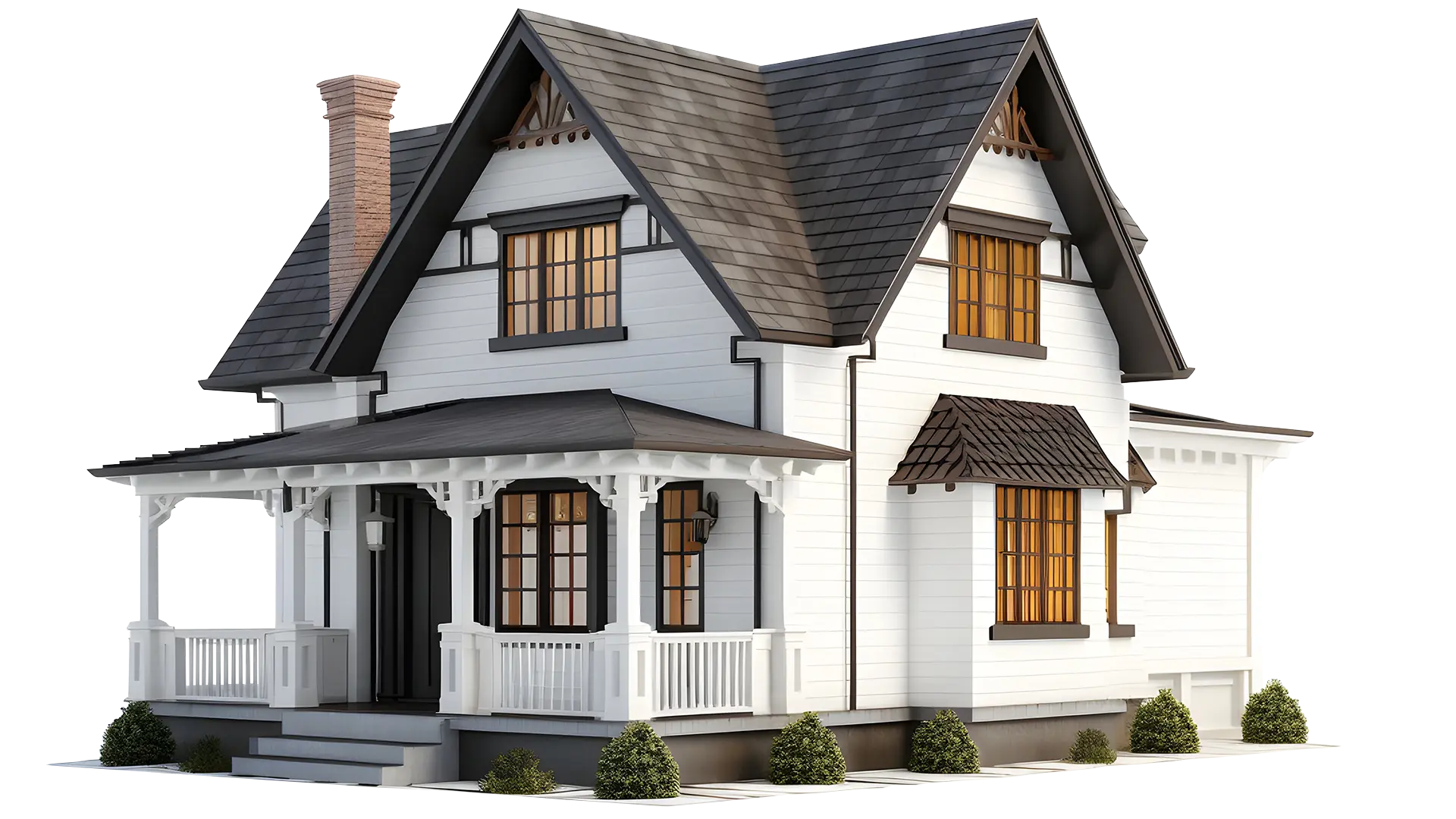
Why Choose Us?
Top Rated Siding & Window Experts
- FREE, Detailed Estimates
Receive clear, detailed quotes on-site, with no hidden fees.
- Fire Resistant Products
Enjoy peace of mind with quality materials like James Hardie siding and Anlin Windows.
- Local, Family-Owned Company
Decades of unparalleled expertise. No subcontractors!
- Licensed, Certified & Insured
We are fully licensed and certified, guaranteeing top-notch craftsmanship.
- Old-school Professionalism
Thorough cleanup and dependable follow-through with every siding and window project.


Start Transforming Your Home with Santa Rosa Fiber Cement Siding Today!
Discover the benefits of Santa Rosa Fiber Cement Siding today! Don't wait, reach out to us for more information now!
Get StartedWhy Us
- Free Quotes, Competitive Pricing
- On-Time Service
- Local, Family-Owned & Operated
- Reliable, Experienced, Certified
- Licensed & Certified
- Elite Preferred Contractor
- Family Owned & Operated
Replacement Windows
© 2026 Bay Area Siding Company, Inc. All Rights Reserved.Full-Service Siding & Window Experts in Bay Area. Bay Area Siding Company rated 5 / 5 based on 150 reviews.