Family Owned & Operated
Licensed & Certified
Free Estimates


Saratoga Fiber Cement Siding
Ensure durability and exceptional looks for your Saratoga home with our Fiber Cement Siding services at Bay Area Siding Company. Invest in superior quality now!


Schedule Your Consultation Today & Save Up to $1,500!
Request Free Pricing Today for Your Exterior Renovation Needs!


Fiber cement is a manufactured board made mostly of cement, sand, and cellulose fiber. It does not burn, rot, or feed insects. It holds paint well, and it can be shaped to look like lap siding, shingles, or smooth panels. Saratoga homeowners tend to consider it for two different reasons. Hillside owners in a mapped fire-hazard zone want a noncombustible wall. Valley-floor owners are replacing tired 1960s and 70s tract siding and want something they won't be patching again in ten years.
Bay Area Siding Company is a siding and window contractor based in Larkspur, and we work across the South Bay. We install fiber cement from more than one manufacturer. This page covers the material category as a whole and how to choose within it. If you've already settled on James Hardie specifically, our Saratoga James Hardie page is the more focused read.
Weighing fiber cement for your house? Request a bid or call (415) 619-5167, and we'll look at the walls with you.
What fiber cement does well, and where it asks more of you
Most homeowners hear the strengths first:
- Noncombustible. This is the reason fiber cement comes up so often in fire-zone conversations. It won't ignite the way wood cladding can.
- Resistant to rot and pests. Cement-based board doesn't soften when it gets wet, and termites have nothing to eat in it.
- Stable under paint. It holds a finish longer than many wood products. Factory-finished versions push repaint intervals out further still.
- Architectural range. It comes as lap, shingle, board-and-batten, and panel profiles. That range suits a ranch house, a mid-century design, or a larger custom home.
The trade-offs are real too:
- It's heavy. Boards need careful handling, correct fastening, and a crew that knows the manufacturer's installation instructions. A sloppy install defeats the material, and warranties generally depend on installation to spec.
- Cutting creates silica dust. Crews need proper cutting methods and dust control. That's part of doing the job correctly, not an optional extra.
- Painted versions still need repainting eventually. Intervals are longer than wood, but not infinite.
- Cost sits above vinyl. Fiber cement is typically priced above vinyl siding, and the labor share is higher because of the weight and the detailing.
If low upfront cost matters more than fire behavior or longevity, it's worth reading our vinyl siding overview too. If what you really want is the warmth of real wood texture, compare LP SmartSide engineered wood. The honest answer depends on your parcel and your priorities.
Choosing among fiber-cement manufacturers
"Fiber cement" isn't one product. Several manufacturers make it, and their lines differ in profile options, finish systems, and warranty terms:
- James Hardie is the brand most people know. Its HZ10 line is the product formulated for California's climate. Hardie offers a transferable 30-year non-prorated limited substrate warranty and a 15-year warranty on its factory ColorPlus finish, both when installed to spec. The James Hardie hub goes deeper.
- Allura makes fiber-cement lap, shingle, and panel products. It's worth pricing alongside the category leader.
- Nichiha is widely associated with fiber-cement architectural wall panels. It's a good fit for contemporary designs where large, clean panel planes are the look you want.
Warranty terms and finish options change by product and by year. Before you commit, we'll put the specific product's current documents in front of you rather than paraphrase them from memory. The broader comparison lives on our fiber cement hub.
The Saratoga question: fire-zone parcels
Saratoga's western neighborhoods climb into the Santa Cruz Mountains foothills. In February 2025, Cal Fire released updated Local Responsibility Area Fire Hazard Severity Zone maps for the area. They place much of that hillside and canyon terrain in a High or Very High zone, including the roads winding up toward Bohlman, Pierce, and Mount Eden. On a designated parcel, California Building Code Chapter 7A sets requirements for specific exterior-wall assemblies and openings. Those requirements generally steer toward noncombustible or ignition-resistant materials, and that's where fiber cement earns its place on the shortlist.
Two cautions keep this honest:
- Chapter 7A doesn't apply to "the whole house" by default. It applies to particular assemblies and openings on designated parcels. Whether it reaches your project depends on the parcel's mapped zone and the scope of work. We confirm that with the City of Saratoga Community Development Department / Building Division before we finalize a material list.
- Noncombustible siding is one layer of a hardened home, not all of it. Vents, eaves, decks, and glazing matter too. If windows are on the list, our Saratoga window replacement page covers the fire-zone glazing side.
Some valley-floor homes and the streets around the Village may sit outside a designated zone. There, the case for fiber cement rests on durability and appearance rather than code, and it still holds up well on those grounds.
Replacing aging tract-era siding
Plenty of Saratoga's large single-family houses still wear original mid-century cladding: T1-11 plywood panels, hardboard, or aluminum. Warning signs include:
- Swollen panel edges and delaminating grooves
- Hardboard that has gone soft at the drip line
- Paint that won't stay put through a single winter
These are the classic reasons to move to fiber cement. The material handles the wet-winter, dry-summer cycle without absorbing water the way a failing wood-composite panel does.
On mid-century and ranch homes, profile choice matters as much as the material. A wider lap, a smooth panel, or a vertical board-and-batten can respect the original lines of the house instead of making it look like a new build pasted over an old one. We'll show you options against photos of your elevations.
How a fiber cement re-side runs
We remove the existing cladding down to the sheathing or substrate. That exposes the water-resistive barrier (WRB) and the flashing at windows, doors, and penetrations, so we can inspect and correct them. Framing is only exposed if damaged sheathing has to come off. That's a separate, larger scope, and we flag it and price it before proceeding.
Here's how the job goes from there:
- Permit. It's issued through the City of Saratoga Building Division.
- Tear-off and wall preparation. We remove the old siding, then repair or replace the WRB and flash every opening properly.
- Installation. We install the fiber cement to the manufacturer's instructions, including clearances, fastening, and joint treatment.
- Trim, caulk, and finish. Painted products get painted; factory-finished products get touched up.
- Inspection and walkthrough. We finish with the city's inspection and a walkthrough with you.
We plan for steep driveways and canyon lots in the schedule, because staging heavy board on a hillside takes more time than on a flat street.
What moves the price
We don't post prices, because Saratoga houses vary too much. The main drivers are:
- Wall area and number of stories. Larger homes on generous lots mean more material and more staging.
- Product and finish. Primed-and-painted costs differently than factory-finished, and profiles and brands vary.
- Substrate condition. Rotted sheathing found at tear-off adds scope.
- Fire-zone requirements. Code on your parcel may affect related assemblies.
- Trim and detailing. Complex rooflines, corners, and many openings add labor.
- Site access. Hillside and long-driveway properties take more effort to stage.
Frequently asked questions
Does fiber cement siding satisfy fire-zone rules on my Saratoga hillside lot? Fiber cement is noncombustible, which is why it's a common fit for Chapter 7A exterior-wall requirements on designated parcels. Whether and how Chapter 7A applies depends on your parcel's mapped zone under the February 2025 Cal Fire maps and on the scope of your project. We confirm the specifics with the City of Saratoga Building Division before ordering materials.
Is James Hardie my only fiber-cement option? No. Hardie is the best-known brand, and it has a California-specific HZ10 line. Allura and Nichiha also make fiber-cement products with different profiles and finish systems. We'll compare them against your house and budget.
Can fiber cement go over my old siding? We don't recommend it. Removing the old cladding is how we inspect and fix the WRB and flashing, which are the parts most likely to be failing on an older home. Layering over them hides the problem and adds weight.
Will fiber cement suit a mid-century or ranch-style Saratoga home? Usually, yes. Lap, panel, and board-and-batten profiles can match the original lines of the house. Choosing the right profile is part of the consultation.
Ready to talk it through?
Whether you're hardening a foothill home or retiring worn-out tract siding near the Village, we'll help you pick the right fiber-cement product and install it over a properly inspected wall. Request a bid or call (415) 619-5167.
Related reading:
Serviced ZIP Codes: 95070, 95071
- Alamo Fiber Cement Siding
- Albany Fiber Cement Siding
- American Canyon Fiber Cement Siding
- Angels Camp Fiber Cement Siding
- Antioch Fiber Cement Siding
- Apple Hill Fiber Cement Siding
- Arnold Fiber Cement Siding
- Belmont Fiber Cement Siding
- Benicia Fiber Cement Siding
- Berkeley Fiber Cement Siding
- Blackhawk Fiber Cement Siding
- Bodega Bay Fiber Cement Siding
- Brentwood Fiber Cement Siding
- Burlingame Fiber Cement Siding
- Calistoga Fiber Cement Siding
- Cambrian Park Fiber Cement Siding
- Campbell Fiber Cement Siding
- Castro Valley Fiber Cement Siding
- Chico Fiber Cement Siding
- Clayton Fiber Cement Siding
- Clear Lake Fiber Cement Siding
- Concord Fiber Cement Siding
- Cordelia Fiber Cement Siding
- Corte Madera Fiber Cement Siding
- Cotati Fiber Cement Siding
- Cupertino Fiber Cement Siding
- Daly City Fiber Cement Siding
- Danville Fiber Cement Siding
- Discovery Bay Fiber Cement Siding
- Dixon Fiber Cement Siding
- Dublin Fiber Cement Siding
- East Bay Fiber Cement Siding
- El Cerrito Fiber Cement Siding
- El Sobrante Fiber Cement Siding
- Emeryville Fiber Cement Siding
- Fairfax Fiber Cement Siding
- Fairfield Fiber Cement Siding
- Foster City Fiber Cement Siding
- Fremont Fiber Cement Siding
- Galt Fiber Cement Siding
- Gilroy Fiber Cement Siding
- Grass Valley Fiber Cement Siding
- Half Moon Bay Fiber Cement Siding
- Hayward Fiber Cement Siding
- Hercules Fiber Cement Siding
- Hidden Valley Lake Fiber Cement Siding
- Isleton Fiber Cement Siding
- Jackson Fiber Cement Siding
- Kentfield Fiber Cement Siding
- Lafayette Fiber Cement Siding
- Lakeport Fiber Cement Siding
- Larkspur Fiber Cement Siding
- Livermore Fiber Cement Siding
- Los Altos Fiber Cement Siding
- Los Gatos Fiber Cement Siding
- Lower Lake Fiber Cement Siding
- Manteca Fiber Cement Siding
- Marin City Fiber Cement Siding
- Martinez Fiber Cement Siding
- Menlo Park Fiber Cement Siding
- Mill Valley Fiber Cement Siding
- Millbrae Fiber Cement Siding
- Milpitas Fiber Cement Siding
- Moraga Fiber Cement Siding
- Morgan Hill Fiber Cement Siding
- Mountain View Fiber Cement Siding
- Murphys Fiber Cement Siding
- Napa Fiber Cement Siding
- North Bay Fiber Cement Siding
- Novato Fiber Cement Siding
- Oakland Fiber Cement Siding
- Oakley Fiber Cement Siding
- Orinda Fiber Cement Siding
- Pacifica Fiber Cement Siding
- Palo Alto Fiber Cement Siding
- Paradise Fiber Cement Siding
- Petaluma Fiber Cement Siding
- Piedmont Fiber Cement Siding
- Pinole Fiber Cement Siding
- Pittsburg Fiber Cement Siding
- Pleasant Hill Fiber Cement Siding
- Pleasanton Fiber Cement Siding
- Pollock Pines Fiber Cement Siding
- Rancho Calaveras Fiber Cement Siding
- Redwood City Fiber Cement Siding
- Richmond Fiber Cement Siding
- Rio Vista Fiber Cement Siding
- Rodeo Fiber Cement Siding
- Rohnert Park Fiber Cement Siding
- Roseland Fiber Cement Siding
- San Andreas Fiber Cement Siding
- San Anselmo Fiber Cement Siding
- San Bruno Fiber Cement Siding
- San Carlos Fiber Cement Siding
- San Jose Fiber Cement Siding
- San Leandro Fiber Cement Siding
- San Mateo Fiber Cement Siding
- San Pablo Fiber Cement Siding
- San Rafael Fiber Cement Siding
- San Ramon Fiber Cement Siding
- Santa Clara Fiber Cement Siding
- Santa Cruz Fiber Cement Siding
- Santa Rosa Fiber Cement Siding
- Saratoga Fiber Cement Siding
- Sausalito Fiber Cement Siding
- Scotts Valley Fiber Cement Siding
- Sebastopol Fiber Cement Siding
- Sonoma Fiber Cement Siding
- South Bay Fiber Cement Siding
- South Lake Tahoe Fiber Cement Siding
- South San Francisco Fiber Cement Siding
- St. Helena Fiber Cement Siding
- Stanford Fiber Cement Siding
- Stockton Fiber Cement Siding
- Suisun City Fiber Cement Siding
- Sunnyvale Fiber Cement Siding
- Sutter Creek Fiber Cement Siding
- Tiburon Fiber Cement Siding
- Tracy Fiber Cement Siding
- Truckee Fiber Cement Siding
- Union City Fiber Cement Siding
- Vacaville Fiber Cement Siding
- Vallejo Fiber Cement Siding
- Valley Springs Fiber Cement Siding
- Walnut Creek Fiber Cement Siding
- Windsor Fiber Cement Siding
- Yountville Fiber Cement Siding
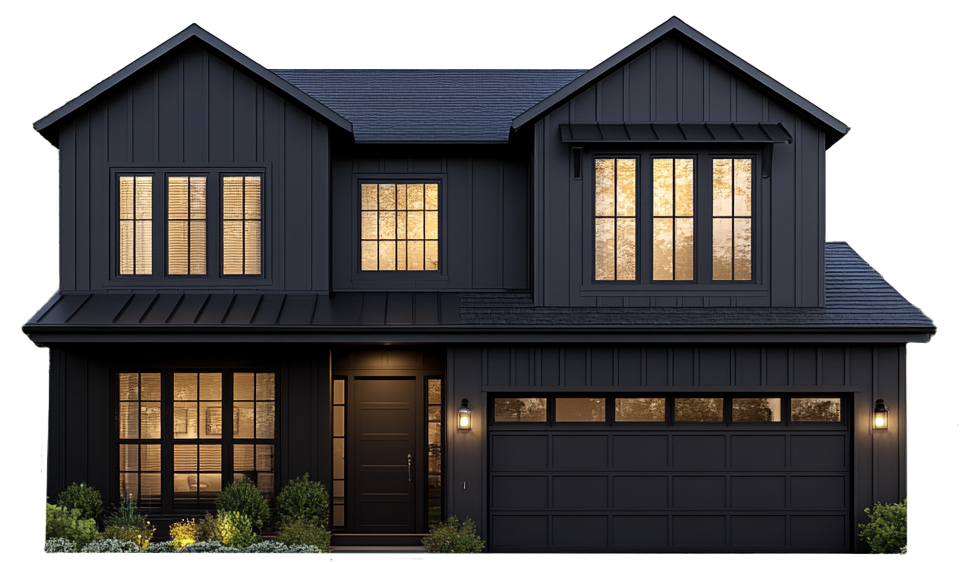
*Offer expires September 30, 2026
Try Our 3D Home Design Visualizer!
Excited to explore new possibilities for your home? Snap a photo to kickstart your journey with our online design tool or get inspired by our sample homes.
Start Designing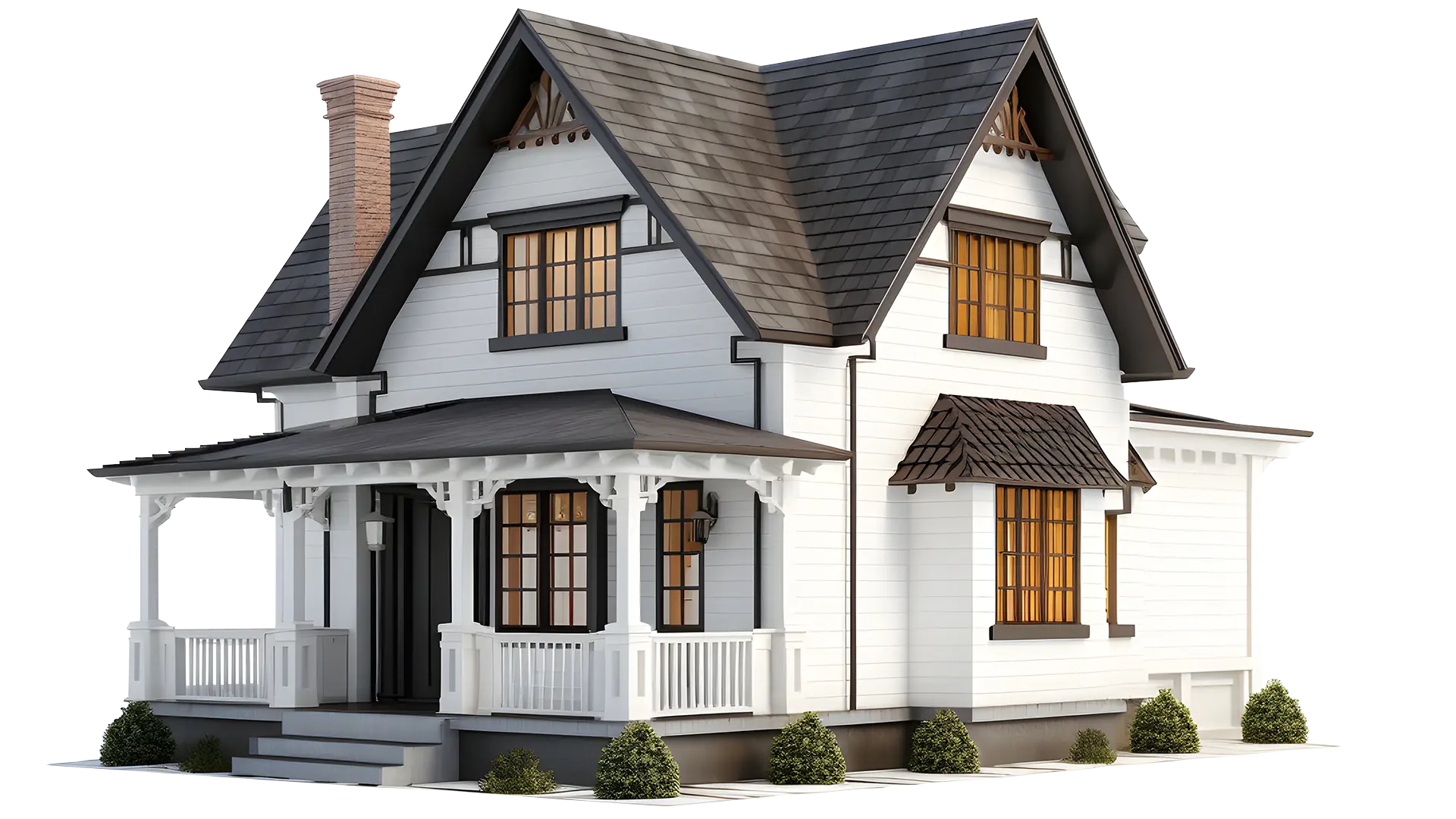
Why Choose Us?
Top Rated Siding & Window Experts
- FREE, Detailed Estimates
Receive clear, detailed quotes on-site, with no hidden fees.
- Fire Resistant Products
Enjoy peace of mind with quality materials like James Hardie siding and Anlin Windows.
- Local, Family-Owned Company
Decades of unparalleled expertise. No subcontractors!
- Licensed, Certified & Insured
We are fully licensed and certified, guaranteeing top-notch craftsmanship.
- Old-school Professionalism
Thorough cleanup and dependable follow-through with every siding and window project.


Start Transforming Your Home with Saratoga Fiber Cement Siding Today!
Discover the benefits of Saratoga Fiber Cement Siding today! Don't wait, reach out to us for more information now!
Get StartedWhy Us
- Free Quotes, Competitive Pricing
- On-Time Service
- Local, Family-Owned & Operated
- Reliable, Experienced, Certified
- Licensed & Certified
- Elite Preferred Contractor
- Family Owned & Operated
Replacement Windows
© 2026 Bay Area Siding Company, Inc. All Rights Reserved.Full-Service Siding & Window Experts in Bay Area. Bay Area Siding Company rated 5 / 5 based on 150 reviews.