Family Owned & Operated
Licensed & Certified
Free Estimates


Menlo Park Fiber Cement Siding
Ensure durability and exceptional looks for your Menlo Park home with our Fiber Cement Siding services at Bay Area Siding Company. Invest in superior quality now!


Schedule Your Consultation Today & Save Up to $1,500!
Request Free Pricing Today for Your Exterior Renovation Needs!


Fiber cement is not a single product on a shelf. It is a category — portland cement, sand, and cellulose fiber pressed and cured into boards — and several manufacturers build to that same basic recipe. That distinction matters, because a Menlo Park homeowner shopping for "fiber cement" is really choosing among makers, profiles, and finish systems, not picking one item. Bay Area Siding Company installs the leading fiber cement lines across Menlo Park, and this page is here to help you choose within the category rather than talk you into it — most homeowners on the Peninsula already know they want the material.
Weighing the fiber cement lines? Call (415) 619-5167 or request a bid.
Why the category dominates re-sides here
The reason fiber cement has become the default replacement cladding around Menlo Park has less to do with fire — most of the city is flat and outside the designated wildfire zones that drive material choice in the hills — and more to do with the plain economics of not maintaining a wall. It doesn't feed termites, it doesn't rot at the sill in a damp Peninsula winter, and it holds a factory finish for far longer than field-painted wood. On a 1950s ranch in the Willows or Suburban Park that has been scraped and repainted a dozen times, that alone is usually the whole argument.
Three makers under one name
Where fiber cement pages get lazy is treating the category as interchangeable. Once you get past the shared chemistry, the differences are real:
- James Hardie — the name most Menlo Park homeowners already recognize, sold here as the HZ10 product formulated for California and available with the ColorPlus factory finish. If Hardie is already your pick, the deeper brand story lives on our James Hardie hub.
- Allura — a competing line with lap, panel, shake, and trim options; it comes up often when a homeowner is comparing bids or matching an existing board profile.
- Nichiha — known for large-format architectural panels and deep-texture facades, a fit for the more contemporary custom homes going up on Peninsula lots that want a modern, non-lap look.
All three deliver the same core performance. Profile range, texture, panel format, finish system, and warranty language are what separate them — the details worth weighing before you commit.
A material that lives or dies on the install
Fiber cement's real weakness isn't the board; it's what a rushed crew does with it. The material is heavy, it needs the right blades and dust control, and its lifespan depends on correct fastening, gapping, clearances, and flashing. A poorly detailed fiber cement wall looks fine for a season and then starts telling on itself. When we re-side, the old cladding comes off to the sheathing so the water-resistive barrier and flashing can be inspected and rebuilt before new boards go on to the manufacturer's published spec. That sequence is where the durability actually lives — not in the brand name.
The Menlo Park detail worth naming: water at the base
The one local factor that genuinely bears on a fiber cement wall here is drainage. San Francisquito Creek runs along the city's southeastern edge, and low-lying streets near it have flooded in the past. On a parcel in or near a flood-prone area, correct grade clearances at the bottom of the boards and careful WRB lap detailing matter more than they would elsewhere — fiber cement handles moisture well, but only when it's kept up off wet ground and flashed properly. That's a scoping conversation, and we confirm any flood-related specifics for your parcel.
Not sure the category fits?
Fiber cement isn't the only honest answer. If you want a genuine wood grain and don't mind a repaint cycle, LP SmartSide engineered wood is lighter and easier to work — and it handles the vertical board-and-batten look many mid-century and Eichler homes want. If budget leads on a flatland ranch, vinyl is worth a look. For one manufacturer's breadth across materials, see CertainTeed; for the natural article, wood. Or step back to the full Menlo Park siding replacement overview. Finished work is in our project gallery, and we serve the wider Peninsula.
What moves the price
No two fiber cement quotes match. The swing factors are consistent: square footage and story count; the number of corners, openings, and trim runs; factory-finished versus field-painted boards; lap versus panel versus shake profile; access around the lot; and — often the biggest unknown — what tear-off reveals behind the old cladding. Any hidden substrate repair adds scope, as can base-of-wall detailing on a creek-adjacent parcel.
FAQ
Isn't "fiber cement" just James Hardie? No. Hardie is the best-known brand, but Allura and Nichiha make the same category of product. If Hardie is what you want, our James Hardie hub goes deeper; if you're comparing makers, this is the page.
Is fiber cement worth it in Menlo Park if fire isn't the driver? Yes — most of the city is flat and outside the mapped fire zones, so the case here is maintenance and longevity, not noncombustibility. Ending the paint-and-rot cycle on an older ranch or period home is usually reason enough.
Does my street near San Francisquito Creek change the install? It can affect grade clearances and how we detail the water-resistive barrier and flashing at the base of the wall. We confirm any flood-related specifics with the City for your parcel and scope accordingly.
Do I need a permit for fiber cement siding in Menlo Park? Yes. The City of Menlo Park Building Division (within Community Development) reviews exterior alteration work and takes applications online only through its Accela portal. We handle the submittal.
Talk through the fiber cement lines for your home
Call (415) 619-5167 or request a bid. We'll compare the manufacturers for your Menlo Park home, weigh them against the other materials, and lay out the full scope. You can also start from the fiber cement hub.
Serviced ZIP Codes: 94025, 94026, 94027, 94028, 94029
- Alamo Fiber Cement Siding
- Albany Fiber Cement Siding
- American Canyon Fiber Cement Siding
- Angels Camp Fiber Cement Siding
- Antioch Fiber Cement Siding
- Apple Hill Fiber Cement Siding
- Arnold Fiber Cement Siding
- Belmont Fiber Cement Siding
- Benicia Fiber Cement Siding
- Berkeley Fiber Cement Siding
- Blackhawk Fiber Cement Siding
- Bodega Bay Fiber Cement Siding
- Brentwood Fiber Cement Siding
- Burlingame Fiber Cement Siding
- Calistoga Fiber Cement Siding
- Cambrian Park Fiber Cement Siding
- Campbell Fiber Cement Siding
- Castro Valley Fiber Cement Siding
- Chico Fiber Cement Siding
- Clayton Fiber Cement Siding
- Clear Lake Fiber Cement Siding
- Concord Fiber Cement Siding
- Cordelia Fiber Cement Siding
- Corte Madera Fiber Cement Siding
- Cotati Fiber Cement Siding
- Cupertino Fiber Cement Siding
- Daly City Fiber Cement Siding
- Danville Fiber Cement Siding
- Discovery Bay Fiber Cement Siding
- Dixon Fiber Cement Siding
- Dublin Fiber Cement Siding
- East Bay Fiber Cement Siding
- El Cerrito Fiber Cement Siding
- El Sobrante Fiber Cement Siding
- Emeryville Fiber Cement Siding
- Fairfax Fiber Cement Siding
- Fairfield Fiber Cement Siding
- Foster City Fiber Cement Siding
- Fremont Fiber Cement Siding
- Galt Fiber Cement Siding
- Gilroy Fiber Cement Siding
- Grass Valley Fiber Cement Siding
- Half Moon Bay Fiber Cement Siding
- Hayward Fiber Cement Siding
- Hercules Fiber Cement Siding
- Hidden Valley Lake Fiber Cement Siding
- Isleton Fiber Cement Siding
- Jackson Fiber Cement Siding
- Kentfield Fiber Cement Siding
- Lafayette Fiber Cement Siding
- Lakeport Fiber Cement Siding
- Larkspur Fiber Cement Siding
- Livermore Fiber Cement Siding
- Los Altos Fiber Cement Siding
- Los Gatos Fiber Cement Siding
- Lower Lake Fiber Cement Siding
- Manteca Fiber Cement Siding
- Marin City Fiber Cement Siding
- Martinez Fiber Cement Siding
- Menlo Park Fiber Cement Siding
- Mill Valley Fiber Cement Siding
- Millbrae Fiber Cement Siding
- Milpitas Fiber Cement Siding
- Moraga Fiber Cement Siding
- Morgan Hill Fiber Cement Siding
- Mountain View Fiber Cement Siding
- Murphys Fiber Cement Siding
- Napa Fiber Cement Siding
- North Bay Fiber Cement Siding
- Novato Fiber Cement Siding
- Oakland Fiber Cement Siding
- Oakley Fiber Cement Siding
- Orinda Fiber Cement Siding
- Pacifica Fiber Cement Siding
- Palo Alto Fiber Cement Siding
- Paradise Fiber Cement Siding
- Petaluma Fiber Cement Siding
- Piedmont Fiber Cement Siding
- Pinole Fiber Cement Siding
- Pittsburg Fiber Cement Siding
- Pleasant Hill Fiber Cement Siding
- Pleasanton Fiber Cement Siding
- Pollock Pines Fiber Cement Siding
- Rancho Calaveras Fiber Cement Siding
- Redwood City Fiber Cement Siding
- Richmond Fiber Cement Siding
- Rio Vista Fiber Cement Siding
- Rodeo Fiber Cement Siding
- Rohnert Park Fiber Cement Siding
- Roseland Fiber Cement Siding
- San Andreas Fiber Cement Siding
- San Anselmo Fiber Cement Siding
- San Bruno Fiber Cement Siding
- San Carlos Fiber Cement Siding
- San Jose Fiber Cement Siding
- San Leandro Fiber Cement Siding
- San Mateo Fiber Cement Siding
- San Pablo Fiber Cement Siding
- San Rafael Fiber Cement Siding
- San Ramon Fiber Cement Siding
- Santa Clara Fiber Cement Siding
- Santa Cruz Fiber Cement Siding
- Santa Rosa Fiber Cement Siding
- Saratoga Fiber Cement Siding
- Sausalito Fiber Cement Siding
- Scotts Valley Fiber Cement Siding
- Sebastopol Fiber Cement Siding
- Sonoma Fiber Cement Siding
- South Bay Fiber Cement Siding
- South Lake Tahoe Fiber Cement Siding
- South San Francisco Fiber Cement Siding
- St. Helena Fiber Cement Siding
- Stanford Fiber Cement Siding
- Stockton Fiber Cement Siding
- Suisun City Fiber Cement Siding
- Sunnyvale Fiber Cement Siding
- Sutter Creek Fiber Cement Siding
- Tiburon Fiber Cement Siding
- Tracy Fiber Cement Siding
- Truckee Fiber Cement Siding
- Union City Fiber Cement Siding
- Vacaville Fiber Cement Siding
- Vallejo Fiber Cement Siding
- Valley Springs Fiber Cement Siding
- Walnut Creek Fiber Cement Siding
- Windsor Fiber Cement Siding
- Yountville Fiber Cement Siding
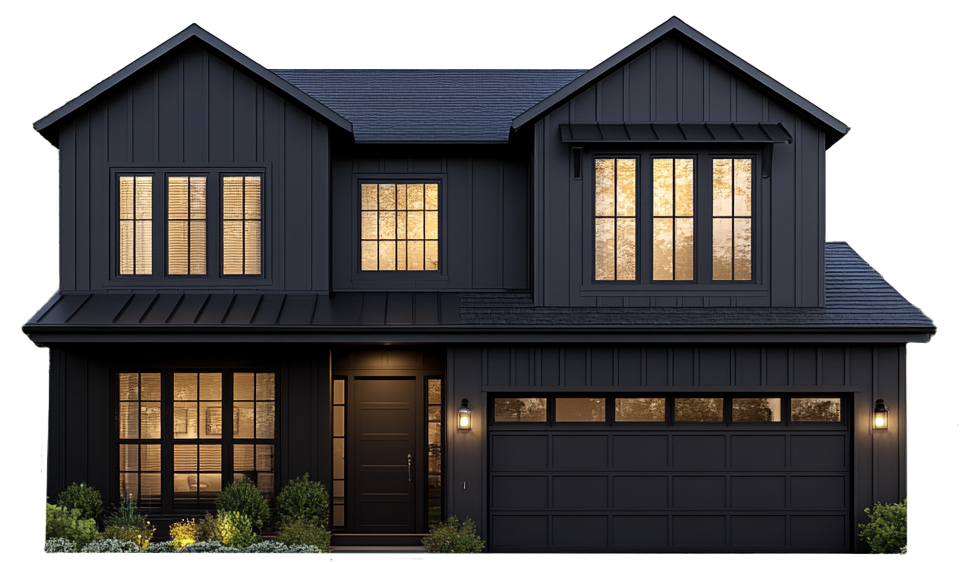
*Offer expires September 30, 2026
Try Our 3D Home Design Visualizer!
Excited to explore new possibilities for your home? Snap a photo to kickstart your journey with our online design tool or get inspired by our sample homes.
Start Designing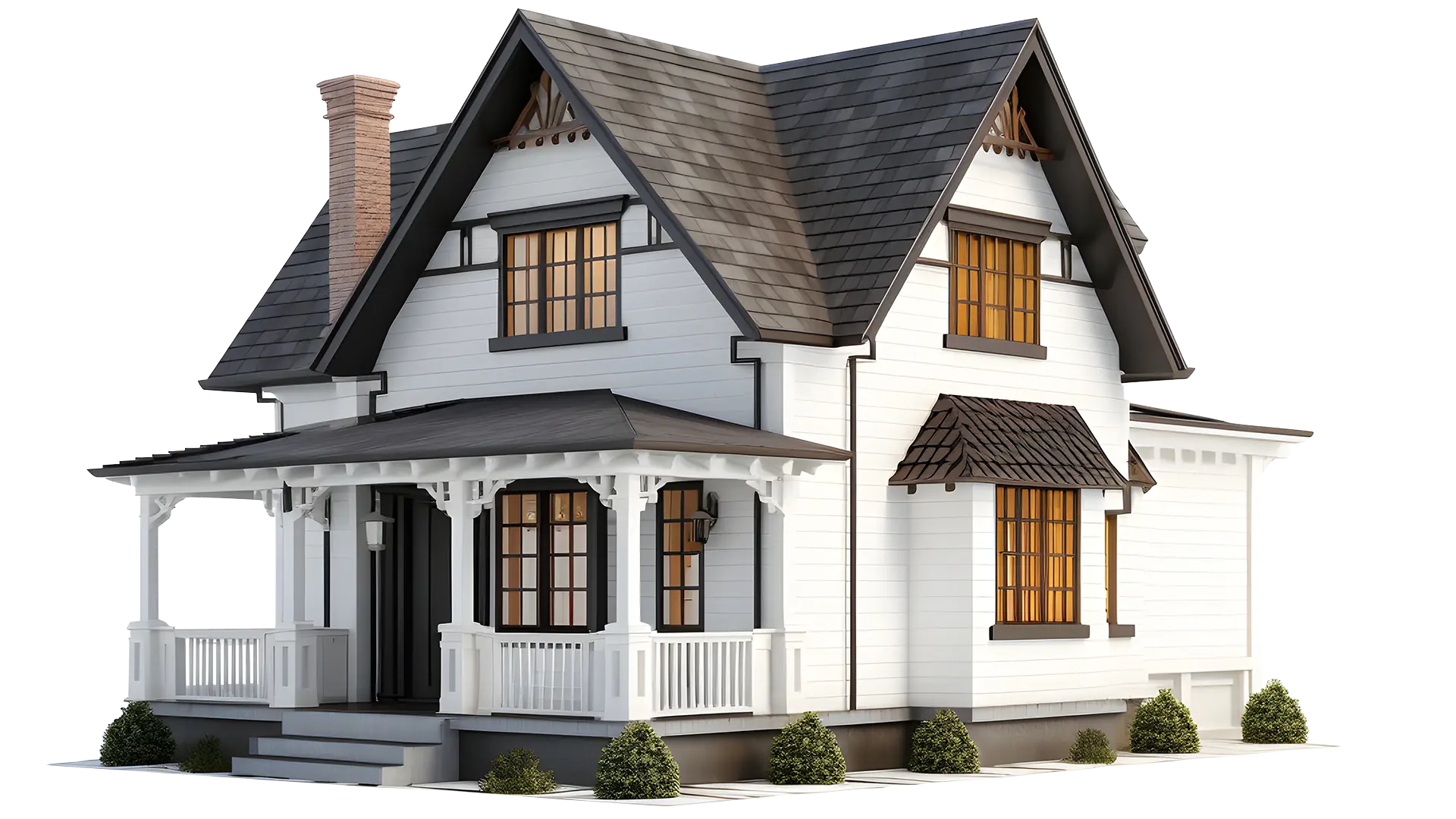
Why Choose Us?
Top Rated Siding & Window Experts
- FREE, Detailed Estimates
Receive clear, detailed quotes on-site, with no hidden fees.
- Fire Resistant Products
Enjoy peace of mind with quality materials like James Hardie siding and Anlin Windows.
- Local, Family-Owned Company
Decades of unparalleled expertise. No subcontractors!
- Licensed, Certified & Insured
We are fully licensed and certified, guaranteeing top-notch craftsmanship.
- Old-school Professionalism
Thorough cleanup and dependable follow-through with every siding and window project.


Start Transforming Your Home with Menlo Park Fiber Cement Siding Today!
Discover the benefits of Menlo Park Fiber Cement Siding today! Don't wait, reach out to us for more information now!
Get StartedWhy Us
- Free Quotes, Competitive Pricing
- On-Time Service
- Local, Family-Owned & Operated
- Reliable, Experienced, Certified
- Licensed & Certified
- Elite Preferred Contractor
- Family Owned & Operated
Replacement Windows
© 2026 Bay Area Siding Company, Inc. All Rights Reserved.Full-Service Siding & Window Experts in Bay Area. Bay Area Siding Company rated 5 / 5 based on 150 reviews.