Family Owned & Operated
Licensed & Certified
Free Estimates


Half Moon Bay Multifamily Exterior Siding & Windows Renovation
Experience premier Half Moon Bay Multifamily Exterior Renovation services with Bay Area Siding Company. Offering top-tier siding choices to amplify your property's curb appeal.


Transform Your Half Moon Bay Property’s Exterior — Get a Free Quote Today!
Request Free Pricing Today for Your Exterior Renovation Needs!


On the San Mateo Coast, the marine climate that wears out one house wears out an entire property faster — and across a portfolio, that compounds. Salt air, fog, and wind-driven rain drive the repaint cycle, the fastener corrosion, and the envelope failures that fill a maintenance budget, and every additional unit multiplies the exposure. Bay Area Siding Company, based in Larkspur, handles multifamily and commercial exterior renovation across Half Moon Bay: full re-sides, window replacement, and the trim and flashing work that goes with them, planned for scale and for the coast. This page is for property managers, HOA and condo boards, and apartment and building owners.
Planning a capital exterior project? Call (415) 619-5167 or request a bid.
The coastal-durability math across a portfolio
For a single home, the difference between a durable envelope and a cheap one is an annoyance. Across a Coastside property, it's a line item that repeats every budget cycle. The decisions that pay off at scale here are specifically the coastal ones:
- Corrosion-resistant everything. Salt air attacks fasteners, flashing, and hardware first, long before cladding fails. Specifying galvanized or stainless fastening and properly detailed flashing across the whole property is what stops rust streaks, loosening panels, and leaks from becoming a recurring per-unit repair.
- Cladding that ignores the marine climate. A dimensionally stable, rot-proof cladding cuts the repaint frequency dramatically compared with wood or a tired builder-grade product — and repaint frequency, multiplied across every building, is one of the biggest controllable costs on a coastal portfolio.
- A window package that seals against wind-driven rain. On the coast, the value of a re-window is as much in the flashing and air-seal as in the glass. Done right across the units, it cuts drafts, leaks, and callbacks; done cheaply, it becomes a maintenance tail.
We help boards and owners weigh up-front cost against the maintenance and energy savings over the building's life — the operating math that actually moves on a coastal property.
What multifamily work requires on top of the building
The hard part of a multifamily job isn't the siding — it's everything around it, and on the coast the permitting adds a layer:
- Tenant-occupied phasing. Buildings stay lived-in. We sequence by building, wing, or elevation, notify residents ahead of work at their units, protect entries and walkways, and keep egress clear throughout — a predictable schedule residents can plan around, not a site that surprises them.
- Minimizing disruption. Staging, parking impact, noise windows, debris control, and daily cleanup are planned before mobilization. On a wind-exposed coastal site with tight lots, how the site is run matters as much as how the wall is built.
- Architectural consistency. For an HOA or condo community, every building has to match — profile, color, detail — so the property reads as one whole and the association's standards are met. We work from your guidelines and document what's installed for the association's records.
- One accountable contractor across the whole scope. Siding, windows, trim, and flashing coordinated under one plan, so the envelope goes back together as a system rather than a patchwork of trades.
The coastal permitting layer
Exterior work in Half Moon Bay is permitted through the City's Building Division at 501 Main Street, and window replacement carries Title 24 energy-compliance documentation. There's a second question unique to the Coastside: because the entire city sits within the California Coastal Zone, some parcels also involve a Coastal Development Permit. Routine work on existing buildings is generally exempt, but bluff-top, oceanfront, and highly scenic parcels can be treated differently — and across a multi-building property, getting that determination right up front prevents a mid-project stall. We confirm the path with the Building and Planning Divisions as part of the scope. On inland or ridge parcels with a fire-hazard designation, Chapter 7A can also govern the wall assemblies and openings; noncombustible fiber cement is the usual direction where it applies, and we confirm each property's designation with the City and the Coastside Fire Protection District rather than assume it.
Materials at scale
Material choice on a portfolio balances coastal durability, maintenance, appearance standards, and code:
- Fiber cement — dimensionally stable, rot-proof, noncombustible, and low-repaint; the default for coastal durability and for any fire-zone parcel.
- Vinyl and insulated vinyl / CertainTeed — non-corroding, no-repaint options where the parcel allows a combustible cladding and the appearance standard fits; insulated lines add rigidity against coastal wind and thermal performance per unit.
- LP SmartSide — engineered wood where a warmer texture suits the community's look, with the understanding that it carries a coastal paint-maintenance cycle (and a fire caveat inland).
We'll match the material to your budget, your architectural standards, and each property's coastal and code situation.
How a portfolio job runs
A typical sequence: a walkthrough and condition assessment of the buildings, a written scope and phasing plan, board or ownership approval, permitting (building, Title 24, and any coastal review), then phased tear-off with substrate, water-resistive-barrier, and flashing inspection building by building, installation to spec with corrosion-resistant detailing, and a documented close-out for the association's or owner's records. Where tear-off exposes rot or water damage — common on aging coastal walls — we document it and review before closing the wall.
What drives the cost
Multifamily pricing is scope-and-scale work, bid after seeing the property. The drivers: the number and size of the buildings, the material and window package, how much substrate or dry-rot repair surfaces at tear-off, corrosion-resistant flashing and fastening detailing across the units, the phasing complexity of keeping units occupied, access and staging on wind-exposed or tight coastal lots, whether windows and trim are integrated, whether a coastal review is triggered, and any Chapter 7A requirement on an inland parcel. A site assessment is the only way to price a portfolio accurately.
FAQ
Can the work be done while our units stay occupied? Yes — that's standard for multifamily. We phase by building or elevation, notify residents ahead of work at their units, keep entries and egress clear and protected, and hold to a schedule residents can plan around.
Does the Coastal Zone permit apply to our property? It might. The whole city is in the Coastal Zone, so we confirm each parcel's path with the City up front — routine work on existing buildings is often exempt, but bluff-top, oceanfront, and highly scenic parcels can be exceptions. Determining it early keeps a multi-building project from stalling.
How do you keep every building matching for our HOA? We work from your association's architectural guidelines — profile, color, and detail — install consistently across the property, and document what went on each building for the association's records, so the community reads as one cohesive whole.
What's the payoff of coastal-grade detailing across the portfolio? Fewer recurring repairs. Corrosion-resistant fastening and flashing, a rot-proof cladding, and windows sealed against wind-driven rain cut the repaint cycle, the leak callbacks, and the fastener failures that otherwise repeat every budget cycle on a coastal property.
Schedule a multifamily consultation
Call (415) 619-5167 or request a bid to schedule a site assessment. We'll walk the property, review your budget and architectural standards, confirm the coastal permit path and any fire-zone requirements, and lay out a phasing plan that keeps residents comfortable. We serve the wider Peninsula, handle window replacement and siding replacement at any scale, and document finished work in our project gallery.
Serviced ZIP Codes: 94019
- Alamo Multifamily Exterior Renovation
- Albany Multifamily Exterior Renovation
- American Canyon Multifamily Exterior Renovation
- Angels Camp Multifamily Exterior Renovation
- Antioch Multifamily Exterior Renovation
- Apple Hill Multifamily Exterior Renovation
- Arnold Multifamily Exterior Renovation
- Belmont Multifamily Exterior Renovation
- Benicia Multifamily Exterior Renovation
- Berkeley Multifamily Exterior Renovation
- Blackhawk Multifamily Exterior Renovation
- Bodega Bay Multifamily Exterior Renovation
- Brentwood Multifamily Exterior Renovation
- Burlingame Multifamily Exterior Renovation
- Calistoga Multifamily Exterior Renovation
- Cambrian Park Multifamily Exterior Renovation
- Campbell Multifamily Exterior Renovation
- Castro Valley Multifamily Exterior Renovation
- Chico Multifamily Exterior Renovation
- Clayton Multifamily Exterior Renovation
- Clear Lake Multifamily Exterior Renovation
- Concord Multifamily Exterior Renovation
- Cordelia Multifamily Exterior Renovation
- Corte Madera Multifamily Exterior Renovation
- Cotati Multifamily Exterior Renovation
- Cupertino Multifamily Exterior Renovation
- Daly City Multifamily Exterior Renovation
- Danville Multifamily Exterior Renovation
- Discovery Bay Multifamily Exterior Renovation
- Dixon Multifamily Exterior Renovation
- Dublin Multifamily Exterior Renovation
- East Bay Multifamily Exterior Renovation
- El Cerrito Multifamily Exterior Renovation
- El Sobrante Multifamily Exterior Renovation
- Emeryville Multifamily Exterior Renovation
- Fairfax Multifamily Exterior Renovation
- Fairfield Multifamily Exterior Renovation
- Foster City Multifamily Exterior Renovation
- Fremont Multifamily Exterior Renovation
- Galt Multifamily Exterior Renovation
- Gilroy Multifamily Exterior Renovation
- Grass Valley Multifamily Exterior Renovation
- Half Moon Bay Multifamily Exterior Renovation
- Hayward Multifamily Exterior Renovation
- Hercules Multifamily Exterior Renovation
- Hidden Valley Lake Multifamily Exterior Renovation
- Isleton Multifamily Exterior Renovation
- Jackson Multifamily Exterior Renovation
- Kentfield Multifamily Exterior Renovation
- Lafayette Multifamily Exterior Renovation
- Lakeport Multifamily Exterior Renovation
- Larkspur Multifamily Exterior Renovation
- Livermore Multifamily Exterior Renovation
- Los Altos Multifamily Exterior Renovation
- Los Gatos Multifamily Exterior Renovation
- Lower Lake Multifamily Exterior Renovation
- Manteca Multifamily Exterior Renovation
- Marin City Multifamily Exterior Renovation
- Martinez Multifamily Exterior Renovation
- Menlo Park Multifamily Exterior Renovation
- Mill Valley Multifamily Exterior Renovation
- Millbrae Multifamily Exterior Renovation
- Milpitas Multifamily Exterior Renovation
- Moraga Multifamily Exterior Renovation
- Morgan Hill Multifamily Exterior Renovation
- Mountain View Multifamily Exterior Renovation
- Murphys Multifamily Exterior Renovation
- Napa Multifamily Exterior Renovation
- North Bay Multifamily Exterior Renovation
- Novato Multifamily Exterior Renovation
- Oakland Multifamily Exterior Renovation
- Oakley Multifamily Exterior Renovation
- Orinda Multifamily Exterior Renovation
- Pacifica Multifamily Exterior Renovation
- Palo Alto Multifamily Exterior Renovation
- Paradise Multifamily Exterior Renovation
- Petaluma Multifamily Exterior Renovation
- Piedmont Multifamily Exterior Renovation
- Pinole Multifamily Exterior Renovation
- Pittsburg Multifamily Exterior Renovation
- Pleasant Hill Multifamily Exterior Renovation
- Pleasanton Multifamily Exterior Renovation
- Pollock Pines Multifamily Exterior Renovation
- Rancho Calaveras Multifamily Exterior Renovation
- Redwood City Multifamily Exterior Renovation
- Richmond Multifamily Exterior Renovation
- Rio Vista Multifamily Exterior Renovation
- Rodeo Multifamily Exterior Renovation
- Rohnert Park Multifamily Exterior Renovation
- Roseland Multifamily Exterior Renovation
- San Andreas Multifamily Exterior Renovation
- San Anselmo Multifamily Exterior Renovation
- San Bruno Multifamily Exterior Renovation
- San Carlos Multifamily Exterior Renovation
- San Jose Multifamily Exterior Renovation
- San Leandro Multifamily Exterior Renovation
- San Mateo Multifamily Exterior Renovation
- San Pablo Multifamily Exterior Renovation
- San Rafael Multifamily Exterior Renovation
- San Ramon Multifamily Exterior Renovation
- Santa Clara Multifamily Exterior Renovation
- Santa Cruz Multifamily Exterior Renovation
- Santa Rosa Multifamily Exterior Renovation
- Saratoga Multifamily Exterior Renovation
- Sausalito Multifamily Exterior Renovation
- Scotts Valley Multifamily Exterior Renovation
- Sebastopol Multifamily Exterior Renovation
- Sonoma Multifamily Exterior Renovation
- South Bay Multifamily Exterior Renovation
- South Lake Tahoe Multifamily Exterior Renovation
- South San Francisco Multifamily Exterior Renovation
- St. Helena Multifamily Exterior Renovation
- Stanford Multifamily Exterior Renovation
- Stockton Multifamily Exterior Renovation
- Suisun City Multifamily Exterior Renovation
- Sunnyvale Multifamily Exterior Renovation
- Sutter Creek Multifamily Exterior Renovation
- Tiburon Multifamily Exterior Renovation
- Tracy Multifamily Exterior Renovation
- Truckee Multifamily Exterior Renovation
- Union City Multifamily Exterior Renovation
- Vacaville Multifamily Exterior Renovation
- Vallejo Multifamily Exterior Renovation
- Valley Springs Multifamily Exterior Renovation
- Walnut Creek Multifamily Exterior Renovation
- Windsor Multifamily Exterior Renovation
- Yountville Multifamily Exterior Renovation
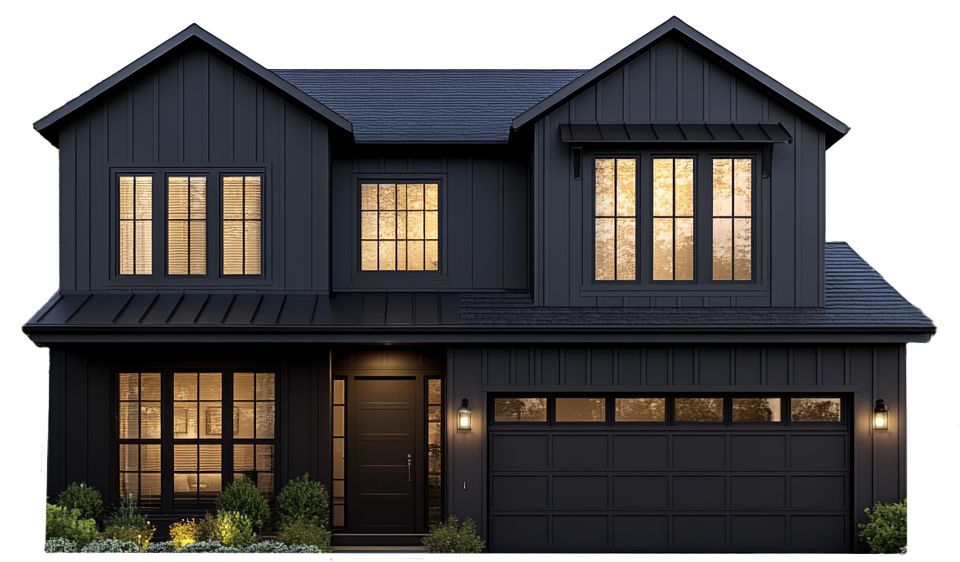
*Offer expires October 31, 2026
Try Our 3D Home Design Visualizer!
Excited to explore new possibilities for your home? Snap a photo to kickstart your journey with our online design tool or get inspired by our sample homes.
Start Designing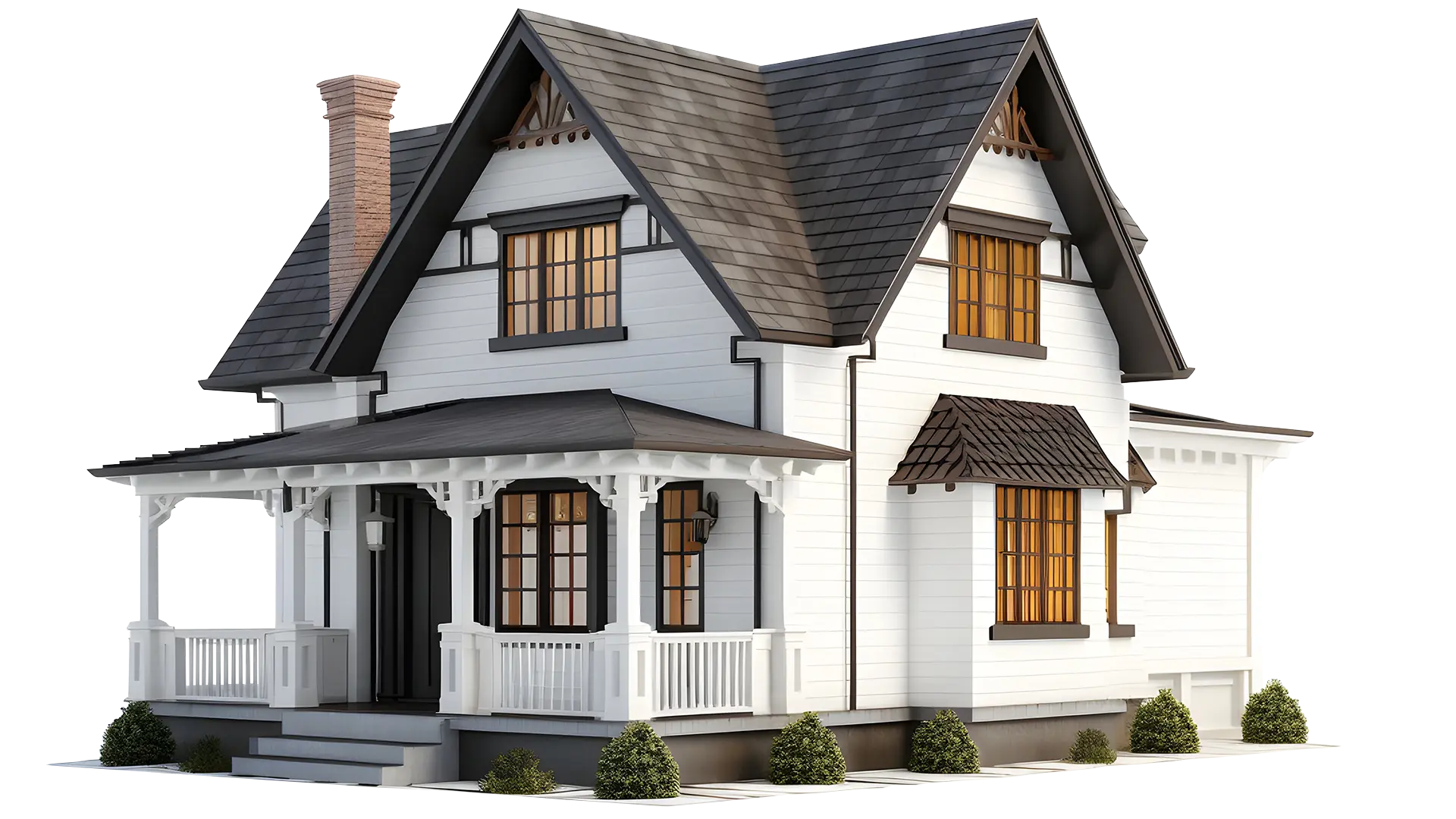
Why Choose Us?
Top Rated Siding & Window Experts
- FREE, Detailed Estimates
Receive clear, detailed quotes on-site, with no hidden fees.
- Fire Resistant Products
Enjoy peace of mind with quality materials like James Hardie siding and Anlin Windows.
- Local, Family-Owned Company
Decades of unparalleled expertise. No subcontractors!
- Licensed, Certified & Insured
We are fully licensed and certified, guaranteeing top-notch craftsmanship.
- Old-school Professionalism
Thorough cleanup and dependable follow-through with every siding and window project.


Ready to Revamp Your Property? Begin Your Half Moon Bay Multifamily Exterior Renovation Today!
Transform your multifamily property in Half Moon Bay with our expert exterior renovation services. Reach out to us now for more details!
Get StartedWhy Us
- Free Quotes, Competitive Pricing
- On-Time Service
- Local, Family-Owned & Operated
- Reliable, Experienced, Certified
- Licensed & Certified
- Elite Preferred Contractor
- Family Owned & Operated
Replacement Windows
© 2026 Bay Area Siding Company, Inc. All Rights Reserved.Full-Service Siding & Window Experts in Bay Area. Bay Area Siding Company rated 5 / 5 based on 150 reviews.