Family Owned & Operated
Licensed & Certified
Free Estimates


Bay Area Wood Siding
Choose Bay Area Siding Company for premium wood siding services. Experience our wide selection of stylish options, tailored to impart a fresh, bespoke exterior for your home.


Schedule Your Consultation Today & Save Up to $1,500!
Request Free Pricing Today for Your Exterior Renovation Needs!


Wood Siding for Bay Area Homes: Cedar, Redwood & Shingle
Few exteriors age as warmly as real cedar or redwood. We can tell you where wood is a strong fit, what it asks of you in upkeep, and when your parcel's fire exposure points to another material.
Wood siding is renewable and repairable. A split board or a patch of rot can usually be cut out and replaced rather than tearing off a whole wall. It also needs regular finish care, and it is combustible. Both facts should shape your decision as much as the look does.
Considering cedar or redwood? Request an estimate and we'll walk your walls with you.
Call (415) 619-5167Wood siding profiles we install
Clapboard / bevel
These are tapered horizontal boards in cedar or redwood. This is the classic lap look on Victorians, farmhouses and older bungalows, and it takes paint or solid stain well when properly primed.
Shingle & shake
Sawn shingles give a tidy, even texture. Split shakes are more rustic. Both suit coastal cottages and craftsman homes, and a damaged course can be repaired shingle by shingle.
Board-and-batten
Wide vertical boards with narrow battens over the seams. It reads as farmhouse or clean-modern depending on spacing and finish, and it is detailed so each board can move with the seasons.
Is wood the right siding for your parcel?
Check the Cal Fire Fire Hazard Severity Zone maps and your city or county's local designations first. If your parcel is mapped, California Building Code Chapter 7A and any local ordinances can govern exterior wall coverings and other specific assemblies. Your local building department (the AHJ) decides what applies to your scope. On those parcels, we often recommend fiber cement or a listed ignition-resistant product instead of untreated wood.
Wood needs periodic repainting or restaining, plus a yearly look at caulk joints, the lower courses and sun-beaten walls. If you're hoping to never think about your siding again, a factory-finished alternative may serve you better.
On a Victorian, a shingle-style cottage or a mid-century home with original vertical wood siding, real wood often preserves the character better than a substitute. Matching existing wood is also usually the cleanest route for a partial repair.
Walls in constant fog, heavy shade or sprinkler overspray stay damp longer. Wood can work in these spots, but the detailing and finish schedule have to account for it.
Maintenance, longevity & fire: the honest picture
Wood's lifespan depends mostly on finish care and on how well the wall behind it drains. Cedar and redwood heartwood contain natural extractives that give them some resistance to decay and insects. Sapwood and lower grades have much less. Even heartwood will rot if water sits against it. It is common to pull old siding and find decay concentrated where water lingered: bottom courses near grade, below windows with no sill flashing, and where a roof dies into a wall without a kick-out flasher. The boards in the middle of the wall are often fine.
Those same extractives complicate painting. Cedar and redwood tannins can bleed through latex topcoats as brown staining unless a stain-blocking primer is used. They also react with plain steel fasteners and leave dark streaks. That is why we use stainless or appropriately coated fasteners and prime or seal cut ends before boards go up. Semi-transparent stains show the grain but need renewing more often than solid stain or paint. South- and west-facing walls typically wear first. Pests are a real consideration too: termites, carpenter ants and woodpeckers all target wood siding. Keeping the required clearance from soil and roof surfaces reduces both the pest and the moisture risk.
Fire is the trade-off we don't soften. Wood siding is combustible. Chapter 7A requirements apply to specific assemblies and openings, such as exterior wall coverings, vents, eaves and decks. They do not apply as a blanket rule to "the whole house," and whether they apply to a re-siding job depends on your parcel and scope. Some fire-retardant-treated exterior wood products carry listings for ignition-resistant use. If you want wood on a mapped parcel, we'll confirm which products and assemblies your AHJ will accept at permit time. If the answer is that wood doesn't make sense, we'll say so plainly and show you James Hardie or other fiber cement options that can mimic lap, shingle or board-and-batten profiles.
What drives the cost of a wood siding project
- Species and grade: clear, vertical-grain heartwood vs. knotty or mixed grades, and cedar vs. redwood availability.
- Profile and detailing: shingle work, window and corner trim, and returns add labor compared with long runs of lap siding.
- Finish approach: factory-primed or prefinished stock vs. field priming and painting after installation.
- What the tear-off reveals: damaged sheathing, failed WRB or missing flashing that must be corrected before new siding goes on.
- Access, height and site conditions: multi-story walls, steep lots and tight side yards.
- Older-home requirements: lead-safe work practices on pre-1978 painted siding, and any parcel-specific fire requirements.
Wood siding across Bay Area microclimates
Near the coast, the marine layer and salt air keep walls damp for long stretches. Mildew on north faces and corrosion of lesser fasteners are the things to watch, and a rainscreen gap that lets the back of the boards dry is often worth it. Inland, strong UV and summer heat break finishes down faster and can open checks in boards on exposed elevations. The housing stock varies just as much. San Francisco Victorians often have original redwood that can be repaired in place. Eichlers and other mid-century homes may have vertical wood or wood-panel siding. Hillside homes in Marin, the East Bay and the Peninsula frequently sit on parcels where fire mapping must be checked before wood is even discussed.
Our wood siding installation process
- Consultation and parcel check. We look at the house, discuss species, profile and finish, and check fire-hazard mapping before recommending wood.
- Careful removal. We strip the old siding down to the sheathing, using lead-safe practices where older paint requires it, and salvage matching boards when a repair calls for it.
- Inspect sheathing, WRB and flashing. With the sheathing and water-resistive barrier exposed, we check for soft or stained substrate, torn or brittle WRB, and missing flashing at windows, doors and roof-wall intersections.
- Correct what we find. Damaged sheathing is replaced and problem areas are repaired, with scope changes explained to you before the work proceeds.
- New WRB and flashing detailing. The WRB is lapped shingle-style, window sill and jamb flashing is integrated with it, and kick-out and Z-flashings go in. Furring for a rainscreen gap is added where appropriate.
- Install to manufacturer and code spec. Boards are primed on cut ends and fastened so they can move: above the lap on bevel siding, two nails per shingle with proper spacing, and battens fastened to allow board movement. Required clearances to grade and roofing are maintained.
- Finish and walkthrough. Trim, sealant and finish coats are completed, then we walk the house with you and review a sensible maintenance schedule.
Why homeowners choose Bay Area Siding Company
We're a Marin-based contractor serving the Bay Area. Our focus is the whole wall assembly, not just the boards you see.
Every tear-off includes a real look at the sheathing, WRB and flashing, because that is where wood siding's lifespan is decided.
If your parcel, exposure or maintenance appetite points away from wood, we'll tell you and explain the alternatives fairly.
You get a defined scope in writing and a direct number, (415) 619-5167, for questions before, during and after the job.
Other services we offer
Comparing materials or planning a larger exterior project? These pages may help.
Wood Siding FAQ
Can I use cedar or redwood siding in a fire hazard zone?
It depends on your parcel's designation, your project scope and local ordinances. Chapter 7A and local rules can restrict exterior wall coverings in mapped areas. Some treated wood products carry ignition-resistant listings, but untreated wood may not be accepted. We confirm current requirements with your AHJ at permit time, and we often recommend fiber cement for these parcels.
Can you repair a few boards instead of re-siding the whole house?
Often, yes. Repairability is one of wood's real advantages. The catch is matching the profile and species, especially on older homes with redwood that isn't sold today. Salvaged boards, custom-milled profiles and paint can make repairs blend well.
How often does wood siding need refinishing?
It varies with the finish type and exposure. Semi-transparent stains need renewing more often than solid stain or paint, and sunny south and west walls wear faster than shaded ones. An annual walk-around to check caulk, lower courses and peeling spots keeps small issues small.
Is a rainscreen worth it for wood siding near the coast?
In foggy, damp coastal areas, a drainage gap behind the siding helps the boards dry from the back. That supports both finish life and rot resistance. We'll tell you whether your walls and budget make it a good fit.
How does wood compare with LP SmartSide or fiber cement?
Wood offers real grain and easy repair, but needs more upkeep. LP SmartSide is lighter, easy to work and impact-resistant, with a wood-like appearance. Fiber cement is noncombustible and holds factory finishes well, but it is heavier and has to be cut with silica-safe methods. Each is a sound choice for the right house.
Ready to talk about wood siding for your home? Schedule a consultation with our Larkspur team.
Call (415) 619-5167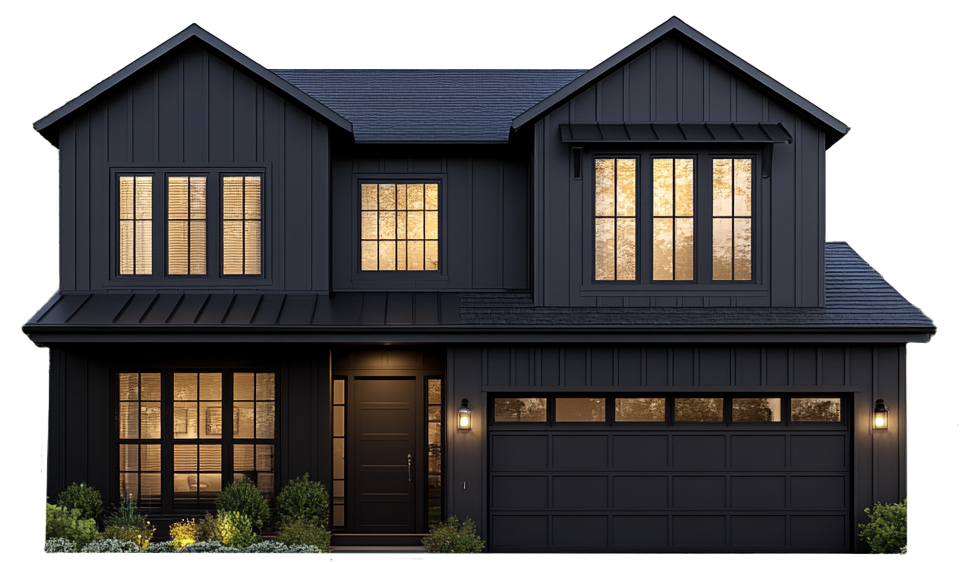
*Offer expires September 30, 2026
Try Our 3D Home Design Visualizer!
Excited to explore new possibilities for your home? Snap a photo to kickstart your journey with our online design tool or get inspired by our sample homes.
Start Designing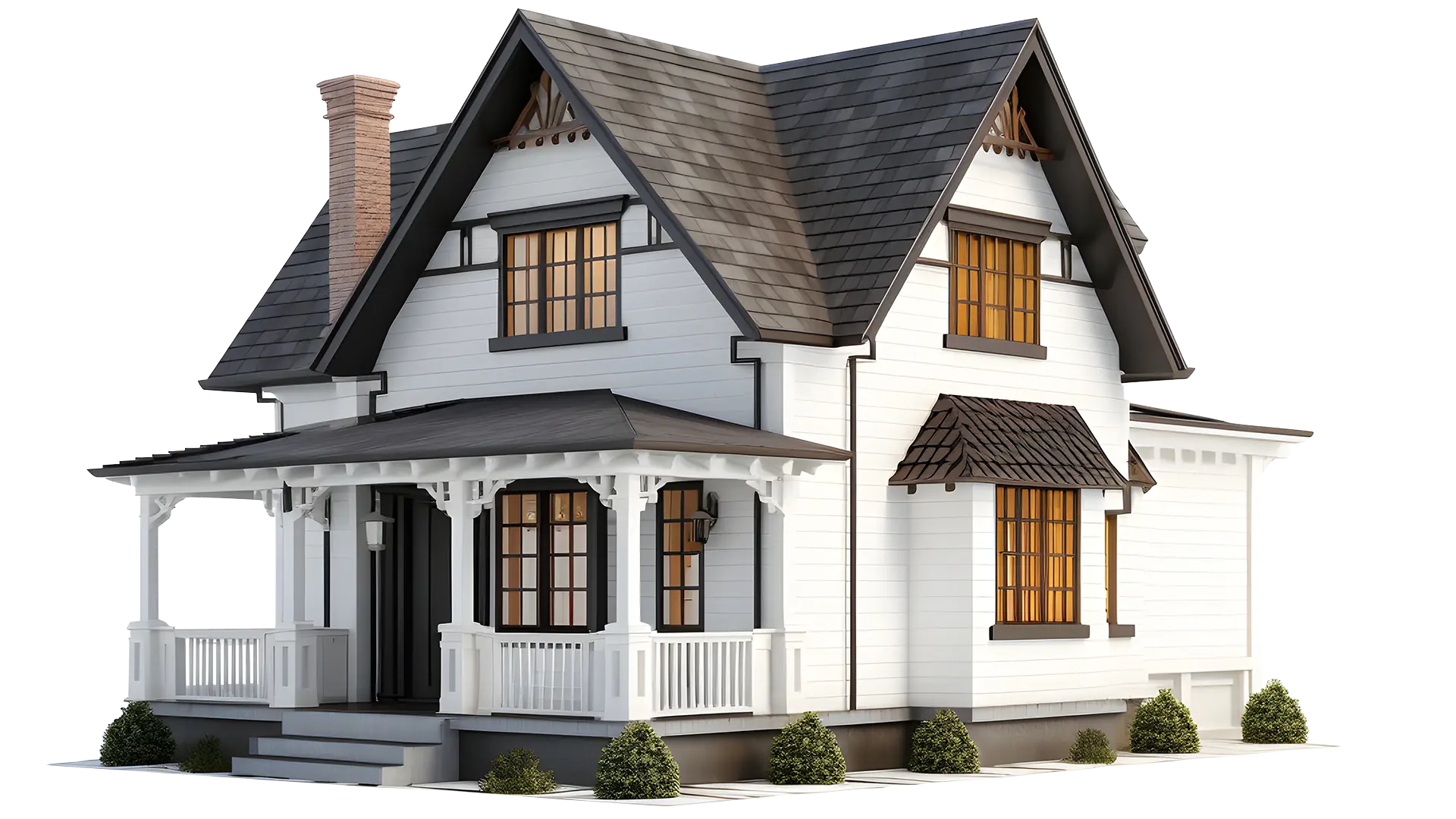
Why Choose Us?
Top Rated Siding & Window Experts
- FREE, Detailed Estimates
Receive clear, detailed quotes on-site, with no hidden fees.
- Fire Resistant Products
Enjoy peace of mind with quality materials like James Hardie siding and Anlin Windows.
- Local, Family-Owned Company
Decades of unparalleled expertise. No subcontractors!
- Licensed, Certified & Insured
We are fully licensed and certified, guaranteeing top-notch craftsmanship.
- Old-school Professionalism
Thorough cleanup and dependable follow-through with every siding and window project.


Essential Soffit Repair Tips for Homeowners
February 14th, 2026 by Daniel

Understanding Soffit Vents: Essential for Your Home
February 5th, 2026 by Daniel

Understanding California Title 24 Compliance Requirements
November 28th, 2025 by Daniel

OSB Sheathing: A Comprehensive Guide and Benefits
June 23rd, 2025 by Eugene Hampton

Vinyl Shingle Siding: A Comprehensive Guide
May 5th, 2025 by Eugene Hampton

Everything You Need to Know About Vertical Vinyl Siding
March 10th, 2025 by Eugene Hampton
- Alamo
- Albany
- American Canyon
- Angels Camp
- Antioch
- Apple Hill
- Arnold
- Belmont
- Benicia
- Berkeley
- Blackhawk
- Bodega Bay
- Brentwood
- Burlingame
- Calistoga
- Cambrian Park
- Campbell
- Castro Valley
- Chico
- Clayton
- Clear Lake
- Concord
- Cordelia
- Corte Madera
- Cotati
- Cupertino
- Daly City
- Danville
- Discovery Bay
- Dixon
- Dublin
- East Bay
- El Cerrito
- El Sobrante
- Emeryville
- Fairfax
- Fairfield
- Foster City
- Fremont
- Galt
- Gilroy
- Grass Valley
- Half Moon Bay
- Hayward
- Hercules
- Hidden Valley Lake
- Isleton
- Jackson
- Kentfield
- Lafayette
- Lakeport
- Larkspur
- Livermore
- Los Altos
- Los Gatos
- Lower Lake
- Manteca
- Marin City
- Martinez
- Menlo Park
- Mill Valley
- Millbrae
- Milpitas
- Moraga
- Morgan Hill
- Mountain View
- Murphys
- Napa
- North Bay
- Novato
- Oakland
- Oakley
- Orinda
- Pacifica
- Palo Alto
- Paradise
- Petaluma
- Piedmont
- Pinole
- Pittsburg
- Pleasant Hill
- Pleasanton
- Pollock Pines
- Rancho Calaveras
- Redwood City
- Richmond
- Rio Vista
- Rodeo
- Rohnert Park
- Roseland
- San Andreas
- San Anselmo
- San Bruno
- San Carlos
- San Jose
- San Leandro
- San Mateo
- San Pablo
- San Rafael
- San Ramon
- Santa Clara
- Santa Cruz
- Santa Rosa
- Saratoga
- Sausalito
- Scotts Valley
- Sebastopol
- Sonoma
- South Bay
- South Lake Tahoe
- South San Francisco
- St. Helena
- Stanford
- Stockton
- Suisun City
- Sunnyvale
- Sutter Creek
- Tiburon
- Tracy
- Truckee
- Union City
- Vacaville
- Vallejo
- Valley Springs
- Walnut Creek
- Windsor
- Yountville


Transform Your Home with Bay Area Wood Siding – Get Started Today!
Learn more about Wood Siding and how we can help. Contact us today!
Get StartedWhy Us
- Free Quotes, Competitive Pricing
- On-Time Service
- Local, Family-Owned & Operated
- Reliable, Experienced, Certified
- Licensed & Certified
- Elite Preferred Contractor
- Family Owned & Operated
Replacement Windows
© 2026 Bay Area Siding Company, Inc. All Rights Reserved.Full-Service Siding & Window Experts in Bay Area. Bay Area Siding Company rated 5 / 5 based on 150 reviews.