


Creating a well-ventilated attic spaces is essential for maintaining a healthy and energy-efficient home. One of the most effective solutions for achieving this is through the use of soffit vents. In this article, we will explore everything you need to know about soffit vents—from their purpose and benefits to installation tips and maintenance. So, let's dive deep into the world of soffit vents and discover why they're a crucial component in your home's ventilation system.
What are Soffit Vents?
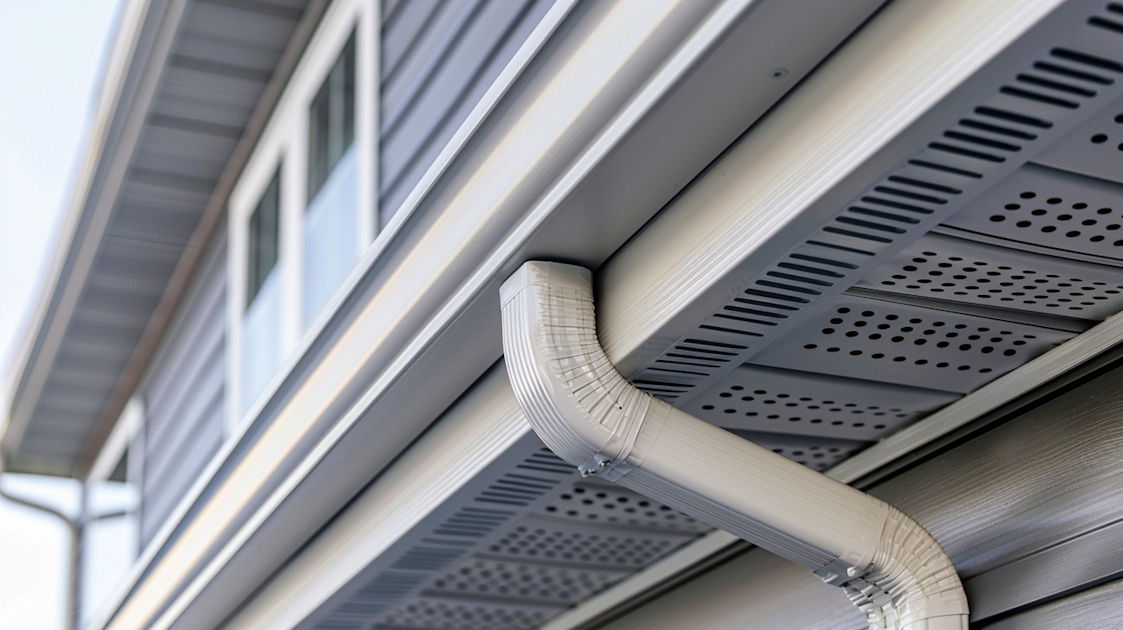
Soffit vents are a type of ventilation installed in the under-eave area of your roof. Positioned along the soffit, which is the exterior surface beneath the overhanging section of a roof eave, these vents allow fresh air to enter the attic, providing a crucial part of a home’s ventilation strategy. Their design helps in regulating the airflow into the attic, balancing the temperature, and preventing the build-up of moisture.
The Importance of Soffit Vents
Understanding the significance of soffit vents requires a brief insight into attic ventilation's role in your home:
Temperature Regulation: Proper ventilation in the attic helps to maintain a consistent temperature, reducing the strain on your HVAC system and leading to energy savings.
Moisture Control: Inadequate ventilation can lead to moisture accumulation, which may cause the growth of mold or mildew and damage the structural integrity of the roof.
Extending Roof Life: By minimizing heat and moisture, soffit vents contribute to prolonging the lifespan of your roof’s components, including shingles and wooden frames.
Types of Soffit Vents
Choosing the right type of soffit vent depends on your specific needs and the design of your home. Here are some common types:
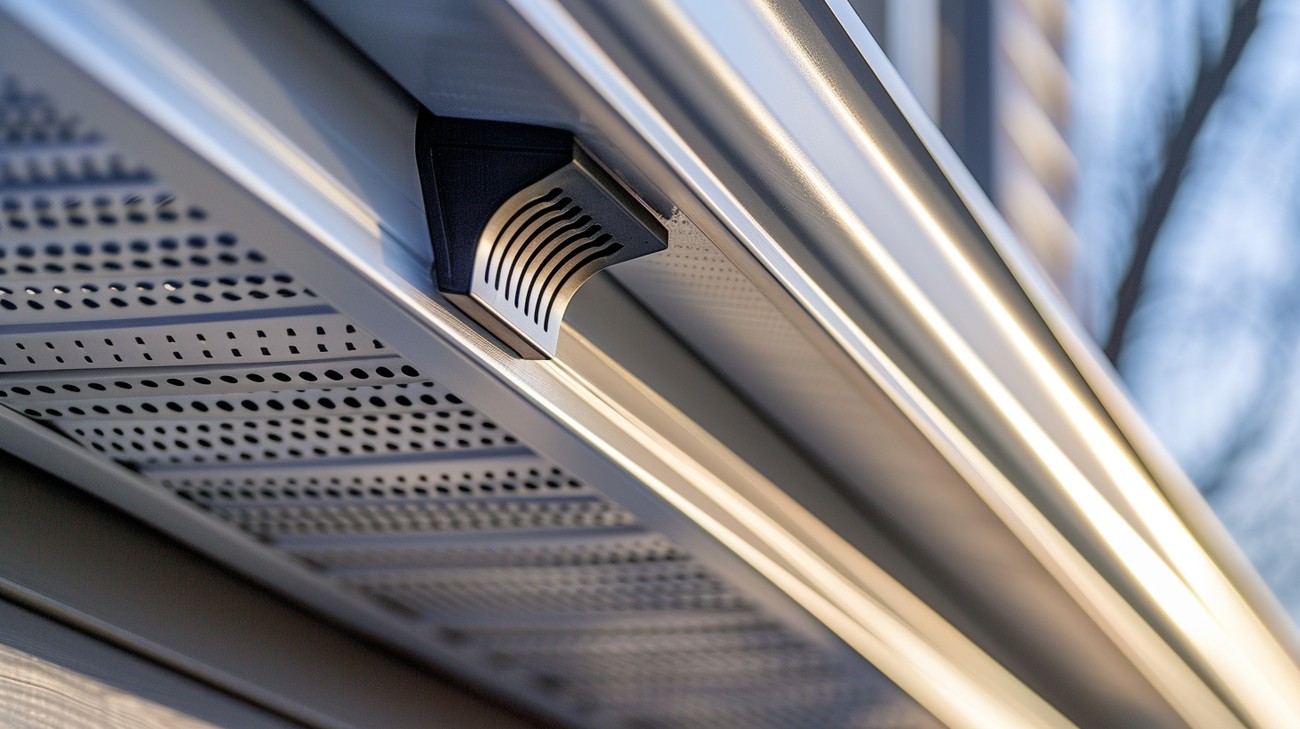
Continuous Soffit Vents: These provide uninterrupted ventilation along the entire length of the soffit. They are ideal for expansive roofs that require a significant amount of ventilation.
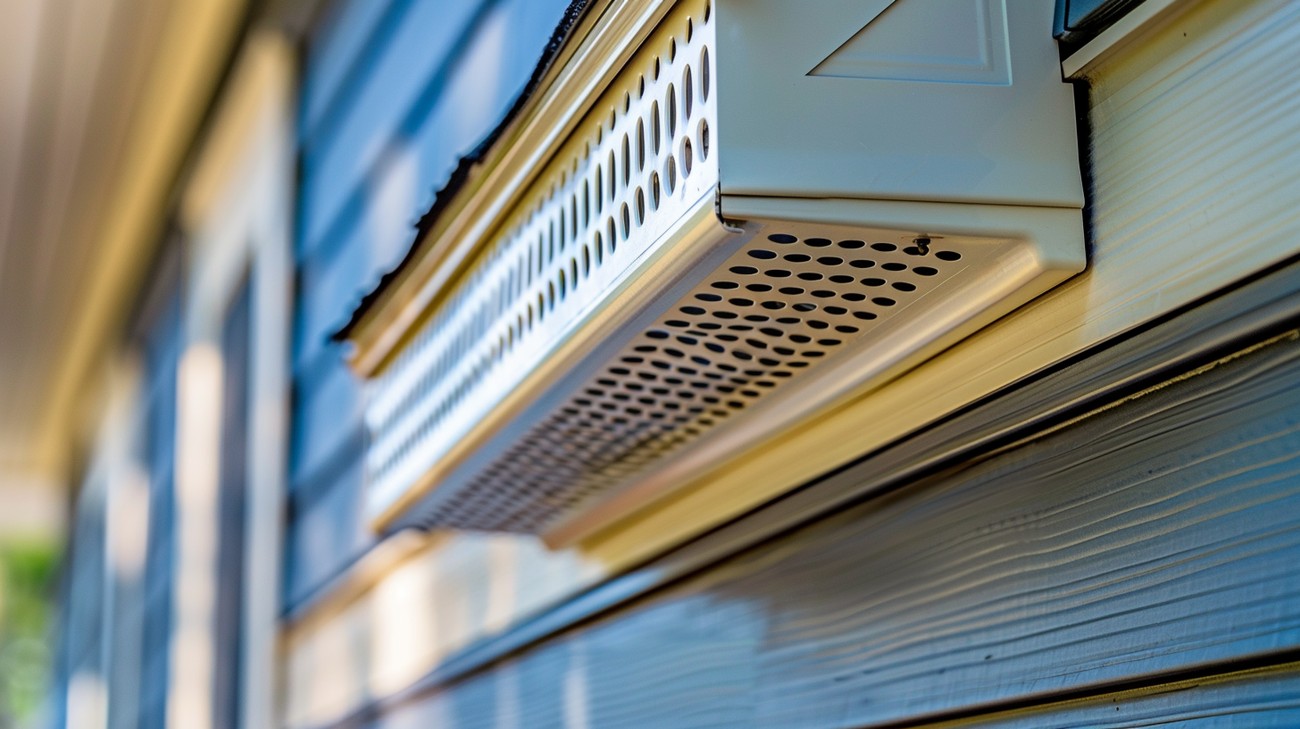
Individual Soffit Vents: Known also as perorated soffit panels, these small, rectangular vents are spaced at regular intervals and are well-suited for smaller areas needing ventilation.
Circular Soffit Vents: Installed individually, circular vents are smaller in diameter and suitable for targeted ventilation needs.
Installation: DIY or Professional?
While some experienced DIY enthusiasts might attempt to install soffit vents themselves, this task is often best left to professionals. Proper installation is critical to ensure maximum ventilation and efficiency. Here’s what the installation process generally involves:
- Preparation: It involves assessing the attic ventilation needs, examining pre-existing systems, and planning the layout of the vents.
- Cutting the Holes: Based on the type of vents chosen, accurately sized holes are cut into the soffit material.
- Securing the Vents: Once the holes are ready, the soffit vents are placed and firmly secured to prevent water ingress and withstand wind loads.
Key Considerations:
- Balancing Airflow: Ensure a balanced airflow, taking into account both intake (soffit) and exhaust (ridge or gable) vents.
- Building Codes: Local building codes and regulations must be checked prior to installation.
Benefits of Soffit Vents
Enhanced Energy Efficiency: By maintaining cooler attic temperatures, soffit vents reduce the cooling load on your home’s air conditioning system during warmer months.
Protection Against Ice Dams: In cold climates, reducing attic heat can prevent the formation of ice dams, protecting both the roof and the eaves.
Improved Indoor Air Quality: Effective attic ventilation plays a role in improving the overall air quality within the home by reducing moisture and associated mold risks.
Prevention of Structural Damage: By limiting heat buildup and condensation, soffit vents protect from rotting wood, rusty nails, and weakened structural elements.
Maintenance of Soffit Vents
Regular maintenance ensures soffit vents function optimally. Here’s a checklist to keep them in good condition:
- Visual Inspection: Periodically check for any visible signs of damage, blockage, or pest infiltration.
- Cleaning: Clear any debris, dust, or cobwebs that may obstruct airflow, using a brush or high-pressure air.
- Repair and Replace: Immediately address any damages or inefficiencies by repairing or replacing affected vents.
Comprehensive FAQ on Soffit Vents
How do soffit vents work?
Soffit vents, mounted on the eaves of your roof, facilitate airflow into the attic of your home. They allow cooler outside air to enter the attic, while warmer, moist air is expelled through roof vents. This continuous circulation of air helps to regulate temperature and moisture levels, preventing heat buildup and condensation, which can cause mold, mildew, and even structural issues. By maintaining this balance, soffit vents contribute significantly to the energy efficiency of your home.
Why are soffit vents important for attic ventilation?
Soffit vents are crucial because they are part of a balanced attic ventilation system, which includes both intake and exhaust vents. Effective attic ventilation helps protect your home from damage caused by humidity and heat. In summer, they prevent heat buildup in the attic, reducing the strain on air conditioning systems, while in winter, they minimize condensation that can lead to mold growth and ice dam formation. Without proper ventilation, your attic and roof structure could suffer from premature aging and increased repair costs.
Are there different types of soffit vents?
Yes, soffit vents come in various types to suit different needs and aesthetic preferences. The most common types are continuous soffit vents, which run the entire length of the eave, and individual or box soffit vents, which are separate units spaced at intervals. Continuous soffit vents offer more uniform airflow and are often used in newer constructions, while individual soffit vents are often retrofitted into existing homes. You can also find materials like aluminum, vinyl, or wood that may be chosen based on durability and compatibility with your home’s exterior design.
How do I know if my soffit vents are working properly?
To determine if your soffit vents are functioning well, perform a visual inspection and check for airflow. In good working condition, you should see no blockages such as debris, nests, or insulation that might obstruct airflow. Observing for consistent temperature differences between your attic and the outside can also indicate good airflow. On cooler days, if your attic feels warm or stuffy, it might suggest poor ventilation. Additionally, any signs of moisture, such as condensation on rafters, could be a sign your soffit vents are not working optimally.
Can I install soffit vents myself, or should I hire a professional?
While it is possible to install soffit vents yourself if you possess basic carpentry skills and tools, hiring a professional is advisable to ensure proper installation and the overall efficiency of your ventilation system. A professional can assess your home to determine the optimal number and placement of soffit vents. They'll also ensure that the vents are installed securely and function without obstructions. Improper installation by an amateur could lead to inadequate ventilation or even leaks, causing more long-term issues.
How can I maintain my soffit vents?
Maintaining soffit vents involves regular checks to ensure they are free of obstructions. Inspect the vents seasonally to remove any debris, such as leaves, dirt, or nests. Inside the attic, check that insulation or other materials aren’t blocking airflow. Cleaning with a soft brush and using a garden hose to spray the exterior can help remove accumulated dirt. By keeping soffit vents clear, you ensure that your home's ventilation system works effectively, prolonging the life of your roof and reducing energy costs.
How often should soffit vents be cleaned?
Soffit vents should generally be inspected and cleaned twice a year, ideally in the spring and fall. Regular cleaning prevents dust, debris, or nests from accumulating and blocking airflow, which can undermine the efficiency of your heating and cooling systems. Depending on your local environment and potential exposure to debris, you may need more frequent inspections. This proactive maintenance will help avoid more costly repairs down the line and keep your home comfortable year-round.
What should I do if my soffit vents are blocked?
If you discover your soffit vents are blocked, immediately remove any obstruction using a soft brush and a vacuum. Be careful not to damage the vent material when cleaning. Inside your attic, ensure that insulation is not pushed up against the vents. If the obstruction persists after cleaning, consider seeking a professional assessment for potential underlying issues. Continuing with blocked vents compromises your attic's ventilation and can lead to severe moisture problems or increased utility bills.
Why might new soffit vents be necessary during a roofing project?
When undertaking a roofing project, it's often an ideal time to reassess and upgrade your attic ventilation, including soffit vents. Over time, building codes or the structural needs of your home could have changed, necessitating more efficient ventilation solutions. Installing new soffit vents during a roofing project ensures that your system is up-to-date, maximizing your roof’s lifespan and energy efficiency. Plus, it's more cost-effective to incorporate modifications while other roofing work is ongoing, reducing labor and material costs in the long run.
Can soffit vents help reduce ice dams in winter?
Yes, proper soffit vents can indeed help reduce the formation of ice dams. Ice dams occur when snow on the roof melts and refreezes near the edges, often due to a warm roof and a cooler edge. Adequate attic ventilation, facilitated by well-functioning soffit vents, helps maintain a more uniform roof temperature, which minimizes the snow melt and freeze cycle. This reduces the risk of ice dams, which can cause significant damage to your roof and gutter system.

Let's Vent About Soffit Vents: The Pros & Cons
Pros
Enhances Attic Ventilation
Soffit vents might not be the stars of your home, but they play a leading role in improving attic ventilation. By allowing fresh air to enter through the eaves of your roof, they help to push out hot air, moisture, and pollutants. The result? A cooler attic space, which can prolong the life of your roof shingles and decrease the load on your air conditioning system. It’s like giving your house a way to breathe, keeping everything fresh and well-regulated up top.
Prevents Moisture Accumulation
One of the unsung benefits of soffit vents is their ability to prevent moisture buildup, which is a crucial aspect for maintaining the integrity of your attic and roof. Moisture can lead to mold and mildew, both of which can cause structural damage and pose health risks. By facilitating proper airflow, soffit vents act as guardians against moisture, keeping your home safe and sound.
Energy Efficiency
Believe it or not, those little vents can significantly impact your home’s energy efficiency. In the summer, by helping to circulate external cooler air into your attic, soffit vents help reduce the need for running your air conditioner, cutting down your energy bills. During the winter, they assist in maintaining balanced temperatures, which prevents ice dams that could cause leaks and damage. So, they can effectively contribute to year-round savings on your energy outlay.
Extends Roof Lifespan
Because soffit vents help manage attic temperature and moisture, they indirectly assist in prolonging the lifespan of your roofing materials. Roof shingles are less prone to curling and damage when they aren't subjected to constant heat and humidity extremes. Think of soffit vents as that reliable friend who always has your roof’s back, helping it weather the ups and downs.
Improved Air Quality
Adding soffit vents enhances the overall air quality within your home by promoting good ventilation. Proper airflow can mean fewer allergens and less dust accumulation, leading to a cleaner living environment. This is particularly beneficial for those with respiratory issues or allergies, offering a breath of fresh air, quite literally.
Cons
Installation Challenges
While soffit vents can be a valuable addition, their installation isn't always a walk in the park. Depending on your home's structural design and roof style, it might require tricky maneuvering and finicky fitting. For homes that weren’t originally designed to incorporate soffit vents, retrofitting can be a bit of a hassle, potentially requiring professional installation and the extra costs that come with it.
Maintenance Requirements
Once installed, you can't just “set and forget” soffit vents. These vents need regular checking to ensure they aren’t blocked by dust, debris, or insulation material, which can hinder their effectiveness. For homeowners who aren’t fond of climbing ladders or performing regular maintenance tasks, this could be seen as a downside.
Potential Pest Problems
Ah, the downside of letting air flow freely – you sometimes let other things flow in as well, like pests. Without proper screening, soffit vents can become entry points for small critters seeking shelter within your attic. This can lead to unwanted guests making your attic a new home, which might mean extra steps for pest-proofing those vents.
Aesthetic Concerns
While function often trumps form, there’s no denying that some homeowners might bristle at the appearance of soffit vents. Especially in homes with a distinct architectural style or those aiming for a streamlined look, the visibility of vents can be deemed unattractive. While there are design solutions to make them less conspicuous, this can add to the cost and complexity of installation.
Weather Vulnerabilities
Depending on where you live, soffit vents might have to withstand weather-related challenges. Areas with frequent severe weather or heavy snowfall might see soffit vents getting blocked or damaged, which can compromise their functionality. Heavy rainfall could also lead to water infiltration issues if the vents are not properly installed or maintained.
Final Thoughts
Choosing the right soffit vents for your home is essential for maintaining proper airflow and protecting your roofing structure. Not only do they help prevent moisture buildup in the attic, but they also assist in regulating your home's temperature throughout the year. Understanding their role can save you from costly repairs down the line, ensuring your home in Bay Area, CA, stays comfortable and energy-efficient.
If you're considering upgrading or installing new soffit vents, we’re here to help. At Bay Area Siding Company, we specialize in working with homeowners to find the best ventilation solutions tailored to their needs. Reach out to us to schedule a consultation or request a free estimate, and let’s ensure your home stays in top shape for years to come.
The information provided here is intended for general reference and should not be considered professional advice. Before starting any project, consult a licensed contractor. Product features, specifications, and warranties may have been updated since this was published. Any mention of brands or products reflects personal opinion and does not constitute an endorsement or warranty.