
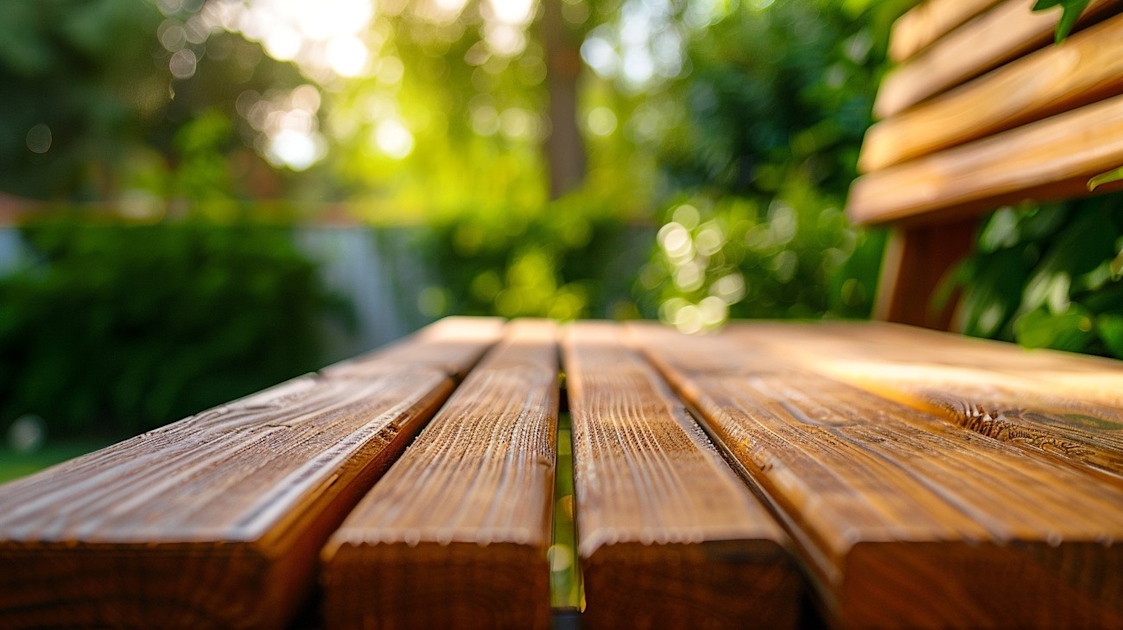


When it comes to home improvement, one of the often-overlooked components of a house is the fascia board. This vital feature plays a crucial role in maintaining the structural integrity and aesthetic appeal of a home. Whether you're building a new house, renovating, or maintaining your existing property, understanding fascia boards is essential. In this guide, we'll delve deep into everything there is to know about fascia boards—from their purpose and materials to installation tips and maintenance.
What is a Fascia Board?
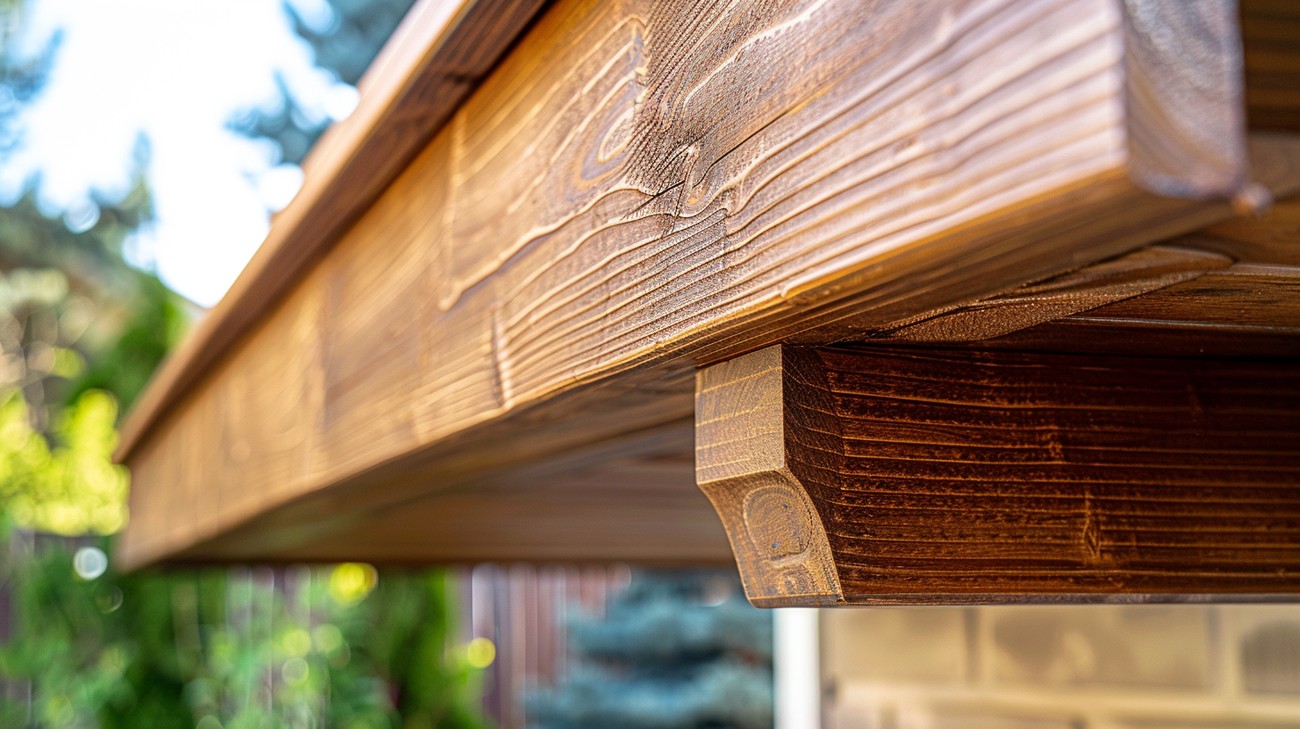
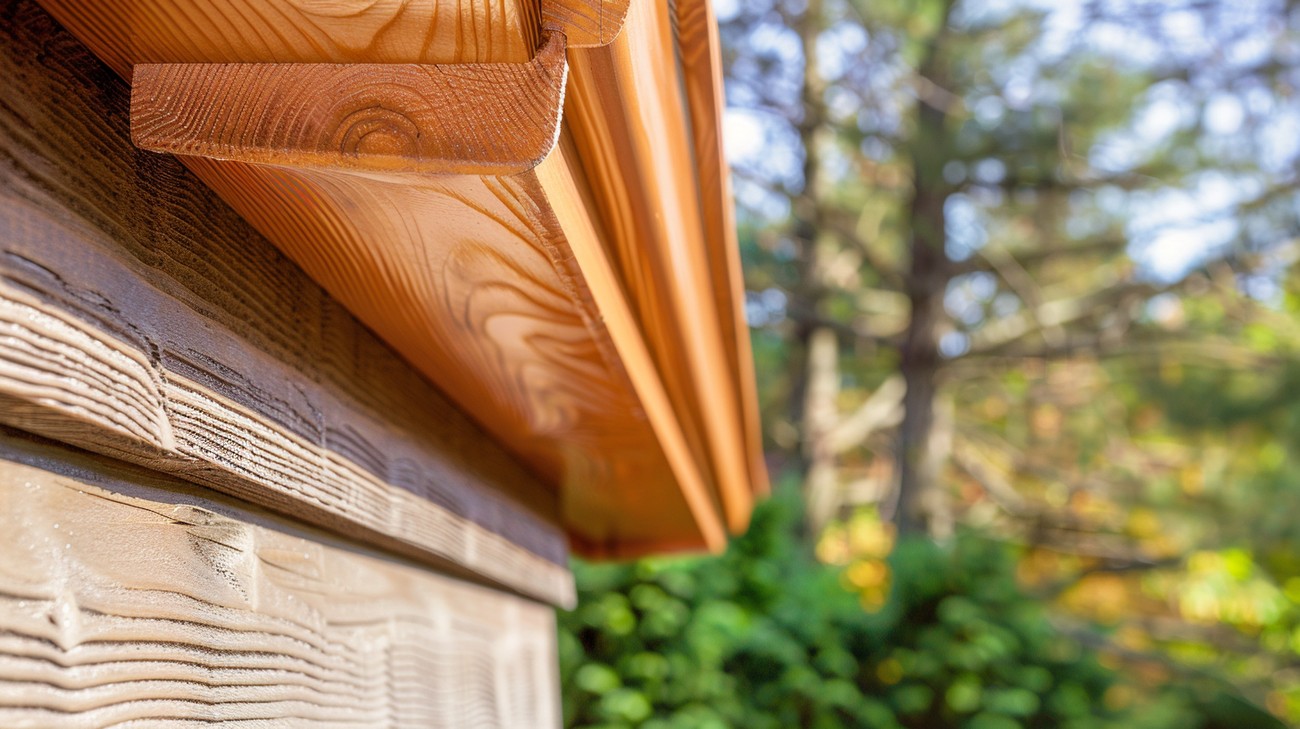
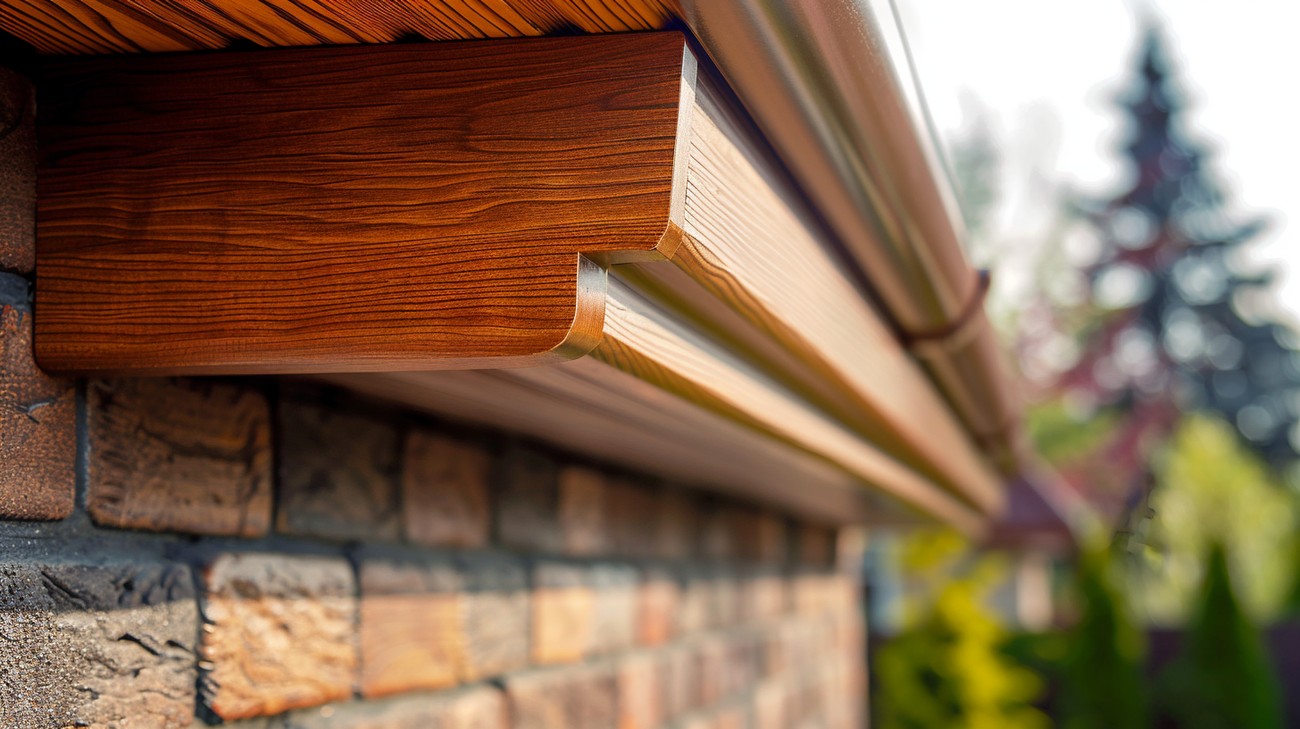
The fascia board is a horizontal board running along the edge of the roof, where the roof meets the outer walls of the house. It serves both functional and aesthetic purposes, contributing to the finished look of a home by covering roof edges and securing the guttering system.
Importance of Fascia Boards
Protecting the Roof and Interior
Fascia boards act as a barrier against weather elements, preventing water from entering the roof structure and the interior of the home. They provide a critical seal at the edge of the roof, helping to ensure that rainwater is directed into the gutters efficiently, thus avoiding structural damage.
Enhancing Home Aesthetics
Beyond just functionality, fascia boards enhance a home's curb appeal. They provide a clean, finished edge to the roofline that can be painted or finished to complement the home's exterior design.
Materials Used in Fascia Boards
Wood
Wood is a traditional and popular choice for fascia boards due to its natural appearance and ease of customization. Common wood types include cedar and redwood, which are favored for their resistance to rot and natural aesthetic.
UPVC
UPVC fascia boards offer a low-maintenance option that is durable and weather-resistant. They do not warp or rot and are available in various colors and finishes, making them a versatile choice.
Composite
Composite fascia boards are made from a mixture of wood fibers and plastic, providing the appearance of wood with the durability of plastic. They are an eco-friendly choice, requiring minimal maintenance.
Aluminum
Aluminum fascia boards are lightweight, durable, and resistant to weather, making them suitable for areas with extreme conditions. They can be painted to match any exterior color scheme.
Choosing the Right Fascia Board
Climate Considerations
When selecting a fascia board material, consider your local climate. For instance, in humid regions, rot-resistant materials like UPVC or composite might be preferable over wood.
Budget Constraints
Your budget will also play a significant role in material choice. Wood remains a cost-effective option, while aluminum or composite boards might require higher initial investments.
Home Style
Match the material and color of your fascia board to the style of your home. Traditional homes often look best with wooden fascia, while modern designs might benefit from the sleek appearance of aluminum or composite.
Installation Steps
1. Measure Accurately
Begin by measuring the length of each fascia board needed, ensuring to account for any miter cuts at the corners.
2. Prepare the Area
Remove old fascia boards if you're replacing them. Inspect the soffit and rafters for damage, repairing any issues before proceeding.
3. Cut and Paint
Cut the fascia boards to size. If using wood, prime and paint all sides to seal them against moisture.
4. Secure in Place
Using galvanized nails or screws, attach the fascia boards to the rafters. Ensure they are level and sit flush against the roofline.
5. Attach Guttering
Once the fascia is secured, install the gutters and ensure they are properly aligned to direct water away from the foundation.
Maintenance Tips
Regular Inspection
- Check fascia boards annually for signs of rot, warping, or damage.
- Look for peeling paint or insect activity on wooden boards.
Cleaning
- Hose off debris and clean the fascia, especially near the gutters, to prevent buildup.
- For UPVC or composite materials, use mild detergent for a thorough clean.
Signs You Need New Fascia Boards
Visible Rot or Damage
Rotting wood, flaking paint, or visible damage indicates it's time to replace the fascia to prevent further structural issues.
Frequent Leakages
Persistent gutter leaks or ill-fitting gutters may suggest the fascia is not efficiently holding the gutter system, necessitating a replacement.
FAQ About Fascia Board
Why is fascia board important for my home?
Fascia boards play a crucial role in protecting your home from the elements. Positioned at the edge of the roof, they serve as a barrier, preventing water and debris from penetrating the roofing structure. By securing the bottom edge of roof tiles or shingles, they help maintain the stability and integrity of the roof. Fascia boards also provide a neat and clean finish to your home’s exterior, giving it a polished appearance. Without well-maintained fascia boards, your home is susceptible to water damage, pests, and structural harm, which can lead to costly repairs.
How can fascia boards affect my home’s ventilation?
Fascia boards can significantly impact your home's ventilation. While their primary purpose is to support the edges of the roof, they often house vents to allow airflow into the attic. This ventilation is essential for regulating temperature and preventing moisture build-up, which can lead to mold or rot. Properly vented fascia boards can help reduce cooling costs in the summer and prevent ice dams in the winter by allowing a consistent airflow. Ensuring that your fascia boards are installed correctly and that vents are not blocked is vital for maintaining a healthy home environment.
What materials are commonly used for fascia boards?
Fascia boards can be made from various materials, each offering unique benefits. Wood is a traditional choice, known for its natural appearance and ease of painting or staining. However, wood fascia boards require regular maintenance to prevent rot and insect damage. PVC and uPVC boards are popular because they are low-maintenance and resist rot and weathering. Aluminum serves as another option, favored for its durability and resistance to rust. Fiber cement is another durable, low-maintenance material, often chosen for its ability to mimic the look of wood. Your choice of fascia board material should consider factors like climate, budget, and aesthetic preferences.
How often should I inspect or replace my fascia boards?
Regular inspections of your fascia boards are vital to maintaining the health of your home. Ideally, you should inspect them every season, particularly after harsh weather conditions like storms or heavy snowfall. Look for signs of decay, such as peeling paint, cracks, or signs of pest infestation. Replacing fascia boards depends on the material used and the environment they are exposed to. Wooden fascia boards might need replacement every five to ten years, especially if not adequately maintained. PVC or aluminum, being more durable, can last longer but should still be checked for damage or wear and tear.
What are the signs that my fascia boards need repair?
If you notice any paint peeling, warping, or visible cracks on your fascia boards, it might be time for a repair. Water damage is another red flag; dark stains or mold growth can indicate that moisture is seeping in, often due to improper sealing or gutter issues. Critters like birds or rodents finding their way into your attic might also suggest that the fascia is compromised. Additionally, gutters pulling away from the house can indicate that the fascia boards are weakened and struggling to support the weight. Addressing these issues promptly can prevent further damage.
Can I paint or stain my fascia boards, and how should I do it?
Painting or staining fascia boards can both protect and enhance the look of your home. To ensure maximum durability, start by cleaning the fascia board thoroughly to remove any dirt or mildew. If painting, apply a high-quality exterior primer first to ensure the paint adheres properly and provides an even finish. For stains, choose a product designed for outdoor use that will withstand weather exposure. Use a paintbrush or roller to apply your paint or stain evenly. Remember, keeping the fascia board clean and dry is crucial for paint or stain longevity, and reapply as needed when signs of wear appear.
How do fascia boards relate to soffits and gutters?
Fascia boards, soffits, and gutters form an integrated system that protects your home from the elements. The fascia board provides support for the bottom row of roof tiles and gutter systems, holding the gutters in place. Soffits are the horizontal panels that run from the edge of the fascia to the wall of your house, often ventilated to allow air circulation into the attic. The gutters collect rainwater and direct it away from the home's foundation. Together, these elements help shield the house from water damage and maintain its structural integrity.
What is the cost of replacing fascia boards?
The cost of replacing fascia boards can vary significantly based on the material you choose and the size of your home. Generally, wood fascia boards are more affordable upfront but may require more maintenance over time, leading to additional costs. Vinyl and aluminum are more durable and often come at a higher initial cost but have lower maintenance needs. Professional installation can also influence the price, as labor fees will add to the overall expense. On average, homeowners might expect to spend a few hundred to several thousand dollars on replacing fascia boards, depending on the project’s complexity.
Can I install fascia boards myself, or should I hire a professional?
While some homeowners might feel confident enough to tackle fascia board installation themselves, hiring a professional is often recommended. Professionals have the experience and tools necessary to ensure the job is done safely and correctly. Proper installation is crucial for the fascia boards to function effectively, supporting the gutters and protecting the home from water damage. If you decide to DIY, make sure to follow all safety guidelines and installation instructions carefully. Consider your comfort level and the scope of the project before making a decision, as improper installation can lead to costly repairs.
The Lowdown on Fascia Boards: Pros & Cons
Pros of Fascia Boards
1. Protects Your Home from Weather Damage
Fascia boards are a fantastic shield for your home. Think of them as the guardians that keep the elements at bay. They sit right at the edge of your roof, preventing water from getting into the rafters and causing all sorts of weather-related mischief. When it rains, fascia boards help channel water into the gutters, reducing the risk of leaks and water damage to your roof and walls.
2. Supports Your Gutters
Without fascia boards, your gutters would be in quite the dilemma! Fascia boards provide a sturdy base for gutters, ensuring they stay in place and function effectively. If you want your gutters to capture rainwater efficiently rather than overflow and flood your garden, fascia boards are your best bet.
3. Enhances Aesthetic Appeal
Let's not underestimate the curb appeal boost here. Fascia boards give homes a polished finish, making everything appear neat and complete. Whether you're opting for a natural wood finish or a crisp paint job, fascia boards add a touch of style and sophistication to your home’s exterior.
4. Adds Value to Your Property
Because they protect your home and add to the aesthetic appeal, fascia boards can actually increase your home’s market value. Potential buyers appreciate the detail and foresight in having a well-maintained exterior that suggests care and attention to structural integrity.
5. Prevents Pest Invasion
No one wants their home to become a sanctuary for pests, right? Fascia boards help seal gaps and crevices at the roofline, blocking easy access for critters and insects looking to make your attic their new home.
Cons of Fascia Boards
1. Requires Regular Maintenance
Fascia boards are not entirely carefree. Depending on the material, they might need frequent painting or staining to protect against the weather. Wood fascia boards, in particular, can succumb to rot if not regularly treated, meaning you'll need to keep an eye on them to maintain their effectiveness.
2. Vulnerable to Water Damage
Ironically, the very thing fascia boards aim to protect against can also be their downfall. If water manages to bypass the gutters—due to clogs or the wrong angle—it can lead to rotting, especially with wooden fascia boards. Vigilant maintenance and cleaning of the gutters are crucial to prevent such issues.
3. Potential for Pest Infestation
While fascia boards can prevent pest invasions, they can also become a point of vulnerability if they start to rot or are improperly installed. Termites and other wood-loving insects might see a poorly maintained fascia as an invitation into your home. Keeping them in tip-top shape is non-negotiable for staving off such invasions.
4. Costs and Installation
Installing or replacing fascia boards can be an investment of both time and money. It’s not just about the material costs; hiring professionals can add up because getting the job done right is critical to ensuring all other roof elements work effectively.
5. Prone to Damage from Environmental Factors
Over time, fascia boards can suffer from various environmental stresses—like intense sun, storms, or even high humidity. This means they could warp, crack, or fade, requiring time and money to replace or repair in order to maintain your home's exterior look and functionality.
Final Thoughts
Understanding the importance of a well-installed fascia board can make all the difference in the protection and aesthetic appeal of your home. This often-overlooked element serves not just as finishing detail, but also plays a crucial role in defending your roof and eaves from various weather conditions, especially here in Bay Area, CA, where moisture can be a concern.
If you’re considering upgrading or installing a new fascia board, we’re here to help. At Bay Area Siding Company, we pride ourselves on our extensive experience and local knowledge, making us your trusted experts for all siding and fascia needs. Reach out to us today to schedule a consultation or request a free estimate, and let’s ensure your home not only looks great but is protected for years to come.
The information provided here is intended for general reference and should not be considered professional advice. Before starting any project, consult a licensed contractor. Product features, specifications, and warranties may have been updated since this was published. Any mention of brands or products reflects personal opinion and does not constitute an endorsement or warranty.