
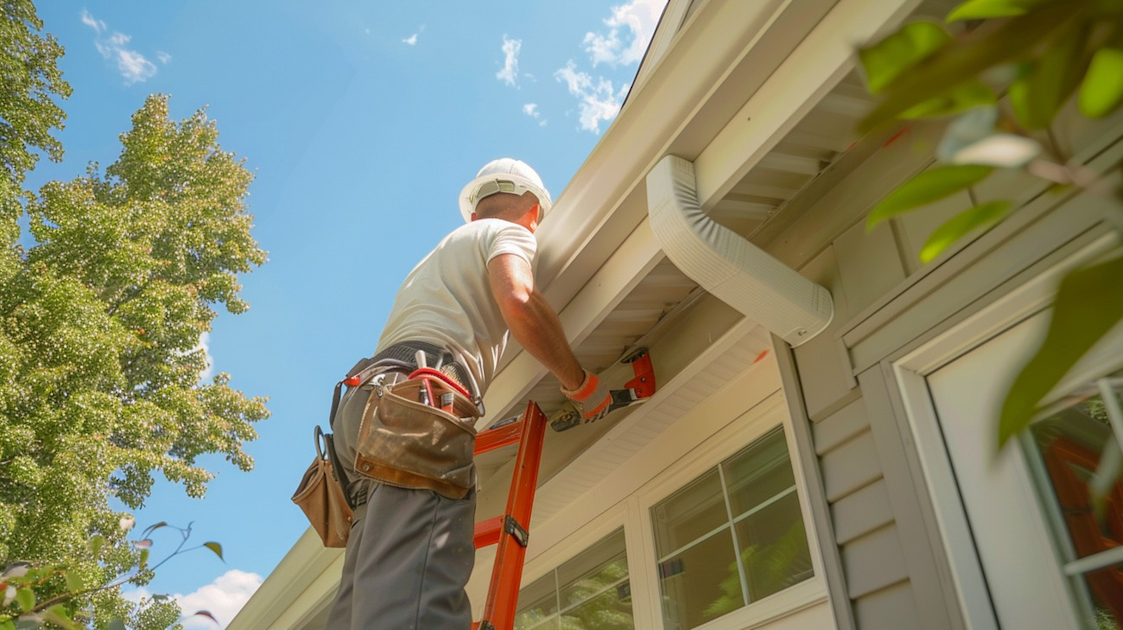


The maintenance and care of a house go beyond just focusing on the interiors or the exteriors. The little details can often play a big role in the overall health of your home. One such often-overlooked detail is the soffit. This blog article will take you on a detailed journey to understand what soffits are, why their repair is indispensable, how to identify problems, and meticulous steps for an effective soffit repair.
What is a Soffit?
The soffit is the underside of any element of a building, such as an arch, balcony, or overhanging eave. In residential architecture, soffits are commonly found beneath the eaves of roofs. Essentially, they serve both aesthetic and functional purposes, providing a polished finish while facilitating ventilation to the attic or roof space.
Importance of Soffit Repair
The soffit is a critical component in maintaining a home's integrity and comfort. Here are several reasons why soffit repair should not be overlooked:
- Ventilation: Efficient ventilation is crucial, and soffits allow airflow to reach the attic, preventing mold, mildew, and rot.
- Protection: Soffits shield the rafters from weather elements, maintaining structural strength.
- Aesthetic Value: Damaged soffits are unsightly and can reduce the curb appeal of your home.
Identifying Soffit Damage
Visual inspection is paramount in identifying any damage to your soffit. Regular checks and prompt attention to potential issues can save you time and money.
Signs of Damage
- Peeling Paint: Paint peeling off the soffit can be an indicator of water damage.
- Holes or Cracks: Physical damage that could allow moisture or pests inside.
- Rotting Wood: A sign of extensive water exposure and critical degradation.
- Water Spots: Marks and discoloration on the soffit often signal trapped moisture.
- Animal Infestation: Scratching sounds or visible nests might suggest pest infiltration.
Tools and Materials Required for Soffit Repair
Before embarking on a repair project, having the right tools and materials ready is indispensable.
Tools
- Hammer
- Pry bar
- Circular saw
- Drill with various bits
- Utility knife
- Extension ladder
Materials
- Replacement soffit panels
- Wood filler or epoxy
- Roofing nails
- Paint or weatherproof sealant
- Safety gear (gloves, goggles, sturdy shoes)
Detailed Steps for Soffit Repair
Now that you're equipped with the essentials let's dive into the soffit repair process, step-by-step for both wooden and vinyl soffits.
Step 1: Inspection and Damage Assessment
Begin by conducting a thorough inspection to assess the extent of damage. Remove any debris or foliage that might obstruct your view. Identify specific areas needing repair—either partial or full replacement.
Step 2: Removing the Damaged Soffit
For Wooden Soffits:
- Safety First: Put on safety gear.
- Remove Nails: Use a pry bar and hammer to gently remove the nails holding the damaged soffit in place.
- Cut the Damage: With a circular saw, cut along the damaged sections.
For Vinyl Soffits:
- Unlock Panels: Use a zip tool to unlock connected panels.
- Detach Panels: Pry off the damaged panels without breaking adjacent soffits.
Step 3: Preparing the Area
- For Wooden Soffits: Remove any rot with a knife and apply a wood filler or epoxy. Allow it to dry completely.
- For Vinyl Soffits: Clean the area to ensure clutter-free installation.
Step 4: Installing New Soffit
- Cut the New Pieces: Cut replacement soffits to the correct dimensions.
- Secure the New Soffit: Use precise measurements to align the new soffits. Nail wooden soffits securely, ensuring no space for moisture ingress. Lock vinyl panels using a zip tool.
Step 5: Finishing Touches
- Seal and Paint: Apply a weatherproof sealant and repaint your wooden soffits for a uniform appearance. Match existing vinyl soffit color for cohesiveness.
- Inspections and Maintenance: Conduct another inspection post-repair and schedule routine checks to maintain soffit health.
Preventive Maintenance Tips
Sustaining the integrity of soffits involves proactive steps:
- Regular inspections, especially after harsh weather.
- Keep gutters clean to avert water damage.
- Trimming overhanging branches that could lead to damage.
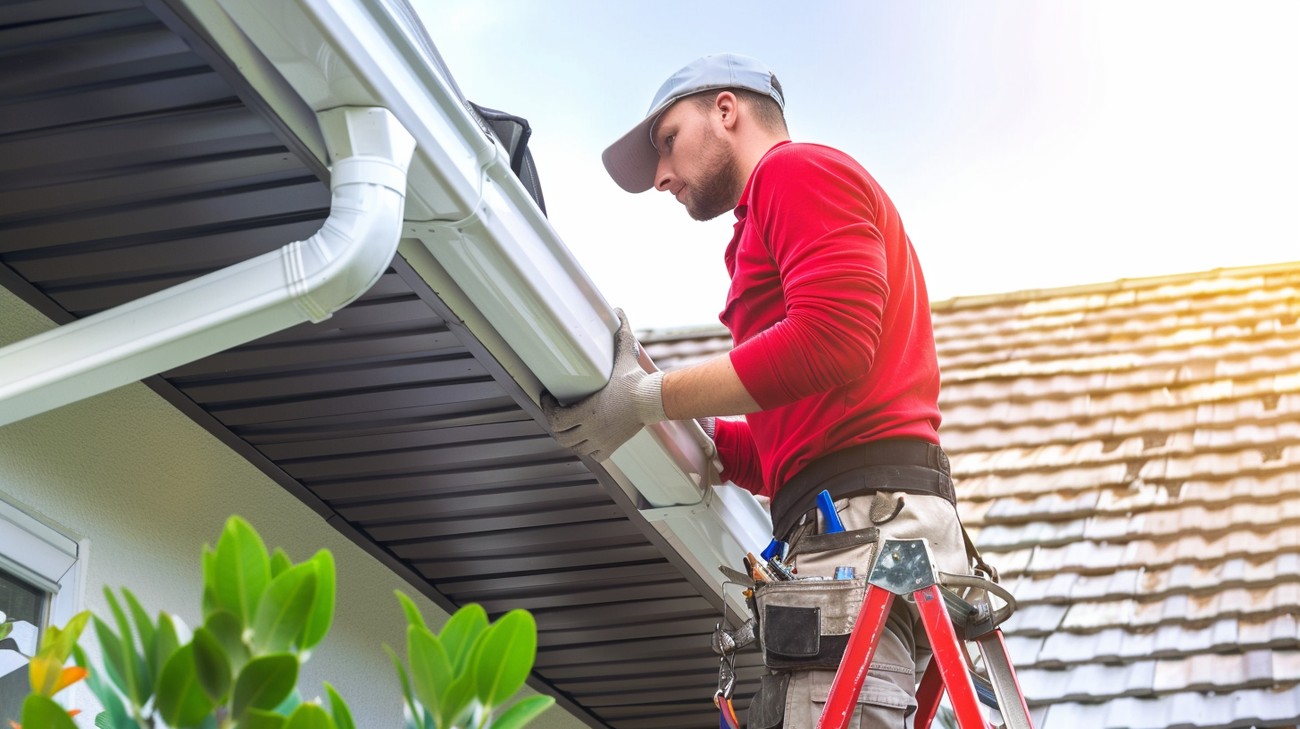
FAQ: Soffit Repair
Why is soffit repair important?
Soffit repair is critical for maintaining the overall health and integrity of your house. The soffit, located under the eaves, helps with ventilation in your attic and sheds water away from the roof. If neglected, damaged soffits can lead to moisture buildup, resulting in mold growth or structural damage. By addressing soffit issues promptly, you enhance air circulation, avert pest invasions, and protect your home against various weather conditions.
How do I know if my soffit needs repair?
Identifying the need for soffit repair often begins with a visual inspection. Look for signs such as peeling paint, water stains, rotting wood, or animal infestations. Also, if you notice sagging or any sections of the soffit that appear to be separating from the house, these are clear indicators that a repair is necessary. Observing increased humidity levels or poor ventilation might also signal soffit problems that require attention.
Can I perform soffit repair myself, or should I hire a professional?
Whether you can handle soffit repair yourself or should engage a professional largely depends on your experience level and the extent of the damage. If you're confident with hands-on home improvement tasks and the damage is minimal, a DIY soffit repair can be a cost-effective solution. However, for extensive damage or if you're unsure, hiring a professional ensures the job is done correctly and safely, reducing the risk of further damage.
What materials are commonly used for soffit repair?
Common materials used in soffit repair include vinyl, aluminum, and wood. Vinyl is a popular choice due to its durability and low maintenance. Aluminum soffits are lightweight, rust-resistant, and offer a sleek finish. Wood soffits, while attractive and traditional, require regular maintenance and treatment to prevent damage from moisture and pests. The choice of material will often depend on your home's existing design, budget, and climate considerations.
How long does soffit repair typically take?
The duration of soffit repair can vary greatly depending on the extent of the damage and the size of the area that needs attention. Minor repairs might only take a few hours, while more extensive soffit repairs may require a couple of days. Factors such as weather conditions and the availability of materials can also influence the timeline. Having a professional assessment can provide a more accurate estimate based on your specific situation.
How much does it cost to repair soffits?
The cost of soffit repair can fluctuate depending on factors like the material used, extent of damage, and labor charges in your area. Typically, minor soffit repair may range from a few hundred dollars, while extensive repairs can exceed a thousand dollars or more. Keep in mind that investing in quality materials and professional installation, though seemingly costly upfront, can save you from recurring repairs and potential damage in the long term.
What should I do if I find mold on my soffits?
Discovering mold on your soffits is a sign of moisture issues that should be addressed swiftly. Start by identifying and repairing the source of moisture. This may involve fixing leaks in the roof or gutters. Once the moisture problem is controlled, clean the affected soffit area with mold remover solutions. If the mold damage is extensive, it’s best to replace the affected sections to prevent health hazards and ensure the structural integrity of your home.
How can I prevent soffit damage in the future?
Preventing soffit damage involves regular inspections and maintenance. Ensure your gutters are clean to prevent water overflow, which can damage the soffit. Regularly check for signs of wear, water damage, or pests. Use high-quality, weather-resistant materials during installation. Applying protective coatings to wooden soffits can keep moisture and pests at bay. Ventilating your attic properly also plays a crucial role in preventing excess moisture buildup that can affect the soffits.
What tools do I need for soffit repair?
Basic tools required for soffit repair include a ladder, hammer, nails, utility knife, tape measure, and circular saw. For more precise installations, power drills and a level can be quite beneficial. Depending on the material you choose, specific cutting tools may be necessary. Always prioritize safety by using appropriate gear such as gloves and eye protection, and if you're working at heights, consider having a spotter or using safety harnesses for added security.
How often should soffits be inspected for repair needs?
To maintain their condition and prevent future issues, soffits should be inspected at least twice a year, typically in the spring and fall. This regular maintenance routine allows you to address any emerging problems before they escalate. Additionally, after any major storm or weather event, performing a quick check for any visible damage can help catch issues early. Regular inspection is the key to prolonging the life of your soffits and avoiding costly repairs.
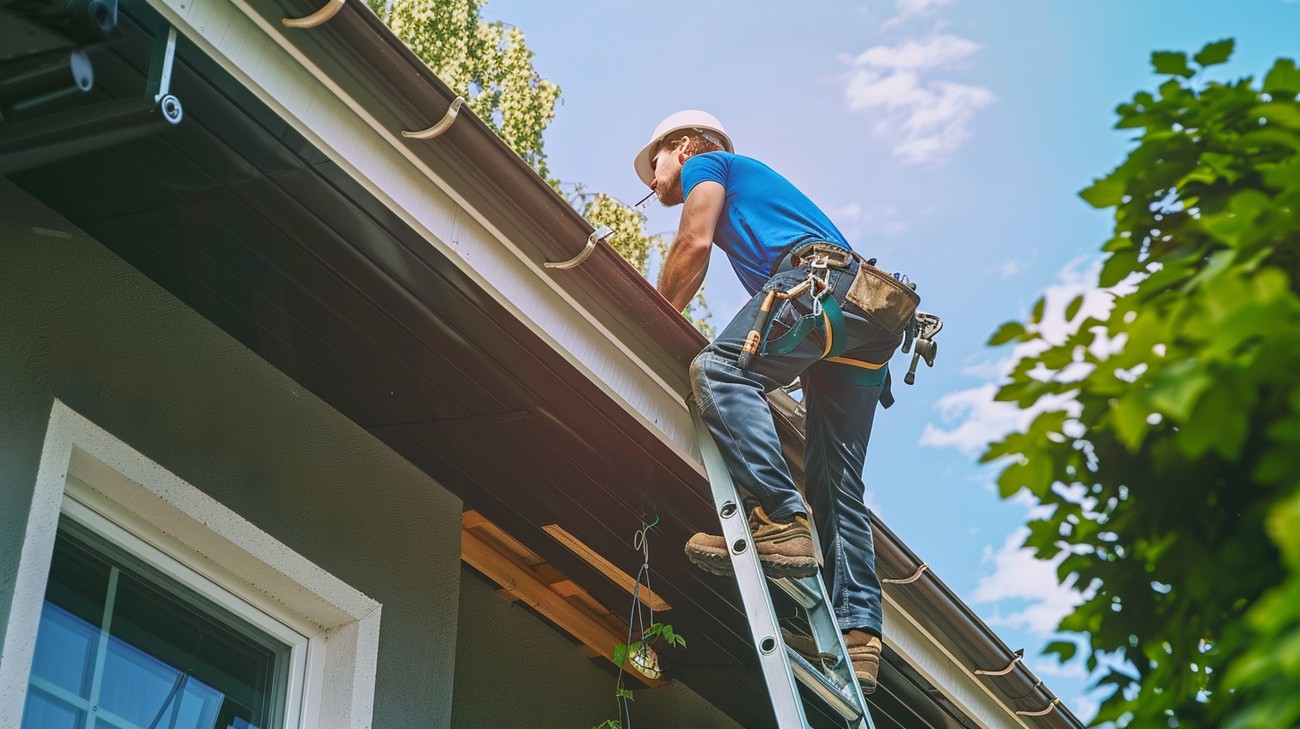
Troubleshooting Guide
1. Rotting Wood Soffit
Symptoms:
- Soft or mushy wood
- Discoloration or dark stains
- Musty smell
Likely Causes:
- Water infiltration from leaky gutters or damaged shingles
- Inadequate ventilation causing moisture build-up
Step-by-step Fixes:
- Inspect the Source: Check gutters and roof for leaks that may be directing water to your soffits.
- Remove Rotting Sections: Carefully cut away damaged soffit sections using a saw, ensuring removal of all affected areas.
- Replace with New Wood: Cut and fit new pieces of wood to match the removed sections. Securely attach using screws or nails.
- Seal and Paint: Apply a quality wood sealant to protect against future moisture. Paint to match the existing soffit's color.
When to Call a Professional: Contact a professional if the damage is extensive or if structural elements seem compromised.
Prevention Tips:
- Regularly clean and maintain gutters.
- Inspect your roof periodically for leaks.
- Ensure your attic is well-ventilated.
2. Peeling Paint on Soffit
Symptoms:
- Flaking or bubbling paint
- Exposed wood beneath the paint
Likely Causes:
- Excessive moisture
- Poor initial paint application
Step-by-step Fixes:
- Remove Old Paint: Use a scraper or wire brush to gently remove all flaking or loose paint.
- Sand the Surface: Smooth out the wood with sandpaper to ensure better adhesion for new paint.
- Prime the Wood: Apply a layer of primer to provide a suitable surface for the new paint and protect against moisture.
- Repaint: Use high-quality, exterior-grade paint to cover the primed surface.
When to Call a Professional: If the soffit is difficult to access safely or if you suspect underlying wood damage.
Prevention Tips:
- Choose high-quality paint designed for outdoor use.
- Address any immediate moisture issues, such as faulty gutters or downspouts.
- Regularly inspect and maintain painted surfaces.
3. Pest Infestation in Soffit
Symptoms:
- Noises such as scratching or movement
- Visible nests or droppings
Likely Causes:
- Openings or gaps in the soffit allowing pest entry
- Nearby trees or vegetation providing access
Step-by-step Fixes:
- Identify Entry Points: Inspect the soffit for holes or gaps and note any accessible routes pests may be using.
- Seal Gaps: Use caulk or metal mesh to close off any small openings. Replace any damaged sections.
- Remove Infestation: Safely remove the pests using humane traps or insecticides as appropriate.
- Install Barriers: Consider installing metal flashing or hardware cloth to deter entry.
When to Call a Professional: If the infestation is significant or involves potentially dangerous pests like wasps or rodents.
Prevention Tips:
- Keep trees and shrubs trimmed away from the house.
- Regularly inspect for and immediately address any minor damage.
- Use barriers or screens to protect larger openings.
4. Sagging Soffit
Symptoms:
- Noticeable droop in the soffit line
- Gaps between soffit and fascia board
Likely Causes:
- Structural issues or improper installation
- Water damage leading to weakened materials
Step-by-step Fixes:
- Assess Support: Check the underlying support structures and ensure they’re intact.
- Reattach Loose Sections: Use screws or nails to secure loose portions back to the fascia board.
- Replace Damaged Support: If the backing structures are compromised, carefully replace them with new materials before reattaching the soffit.
When to Call a Professional: In the case of extensive sagging or suspect structural integrity, professional input is advised.
Prevention Tips:
- Regularly check soffits for signs of pulling away.
- Ensure proper instalment during renovations or original building.
- Address any nearby sources of water damage quickly.
5. Mold or Mildew on Soffit
Symptoms:
- Black or green spotting on the surface
- Musty odor in the vicinity
Likely Causes:
- High humidity levels
- Poor ventilation or drainage
Step-by-step Fixes: When to Call a Professional: Persistent or widespread mold problems should be addressed by experts, especially if they extend beyond visible areas.
Prevention Tips:
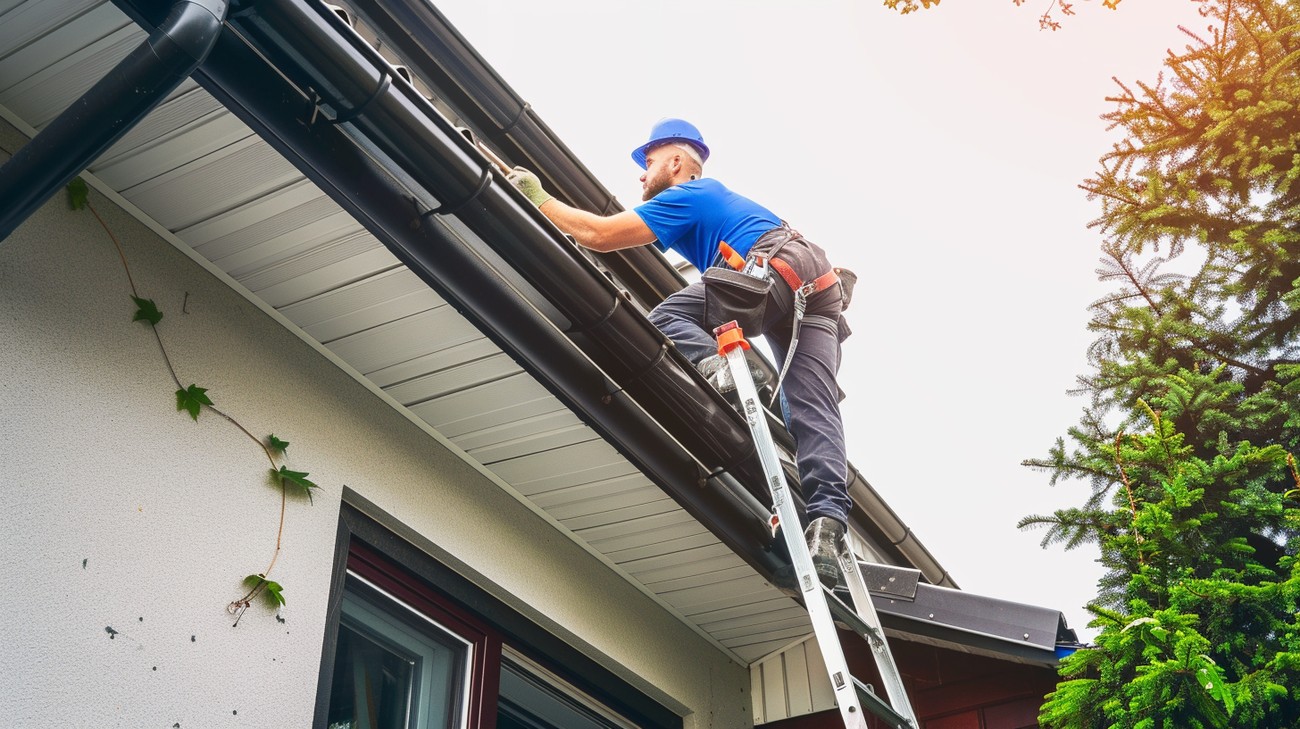
Common Mistakes to Avoid
1. Skipping Proper Inspection
Skipping a thorough inspection is a mistake that often stems from wanting to dive right into the repair work. This oversight can lead to missed damage that requires attention, causing you to rework or even expand the repair job later.
How to Avoid It: Always start with a detailed inspection. Look for signs of water damage, pest infestations, and structural issues. Make a checklist if necessary, to ensure a comprehensive assessment.
What to Do if You’ve Made the Mistake: If you've already overlooked this step, go back and inspect the soffit area in its entirety. Address any additional repairs immediately to prevent further damage.
Expert Recommendation: Use a flashlight and a mirror to examine hard-to-reach areas. Consulting with a professional can also help uncover things you might have missed initially.
2. Using Incorrect Materials
Choosing the wrong materials, like opting for plywood instead of a more durable option, often happens because you want to save money or time. Unfortunately, this can lead to repeated repairs and increased costs over time.
How to Avoid It: Research and select materials that are weather-resistant and appropriate for your climate. Consult with store experts or professionals if you’re uncertain.
What to Do if You’ve Made the Mistake: Replace incorrect materials as soon as possible, especially if they’ve begun showing signs of wear. Consider the current condition and take quick action to avoid larger repairs.
Expert Recommendation: Use materials like vinyl or aluminum for their longevity and durability in outdoor conditions.
3. Not Addressing Underlying Issues
Failing to address underlying issues like leaks or poor ventilation is common because they're not always immediately visible or seem unrelated to the soffit itself.
How to Avoid It: Incorporate addressing potential causes of soffit damage into your initial inspection. Look for signs of roof leaks, gutter issues, or inadequate ventilation.
What to Do if You’ve Made the Mistake: Rectify these issues promptly once identified to prevent future soffit damage. Repair any leaks, clean out gutters, and ensure proper attic ventilation.
Expert Recommendation: Schedule regular maintenance to catch potential problems early.
4. Ignoring Safety Precautions
Neglecting safety measures occurs when you’re eager to finish the job quickly or lack the necessary safety gear. This oversight can lead to personal injury.
How to Avoid It: Always use appropriate safety equipment, such as gloves, safety goggles, and a stable ladder. Take your time to do things safely rather than swiftly.
What to Do if You’ve Made the Mistake: If you've been injured, seek medical attention and pause the project. Reflect on the accident and reevaluate the safety measures needed.
Expert Recommendation: Enlist the help of a friend or hire a professional if the job appears beyond your safety capabilities.
5. Overlooking Painting and Finishing
Skipping on painting or finishing touches is tempting because you might consider it an optional aesthetic step. However, it leaves soffits vulnerable to weather and reduced lifespan.
How to Avoid It: Always include painting and sealing in your repair plan. These steps protect materials from weather and wear.
What to Do if You’ve Made the Mistake: If your repaired soffit is already exposed, finish with a high-quality paint or sealant to extend its durability and appearance.
Expert Recommendation: Use exterior-grade paints and sealants that offer UV protection.
6. Misjudging Repair Complexity
Sometimes, people underestimate the complexity of soffit repairs, thinking it’s a simple weekend project. This misjudgment can lead to incomplete repairs and further issues.
How to Avoid It: Evaluate the extent of damage and be honest about your skill level. If in doubt, consult a professional before starting the repair.
What to Do if You’ve Made the Mistake: If you've begun and realized you're in over your head, don't hesitate to call in an expert to assess and complete the work properly.
Expert Recommendation: It’s often better to have a professional handle intricate repairs to ensure they’re done correctly the first time.
Final Thoughts
Ensuring proper soffit repair is crucial for maintaining your home's structural integrity and preventing moisture issues. Regularly inspecting your soffits can save you from costly repairs down the line, especially in our Bay Area, CA climate where dampness can be a concern.
If you notice signs of damage or wear, we're here to help! At Bay Area Siding Company, we pride ourselves on being your trusted local experts for all your siding and soffit needs. We're ready to assist with a thorough inspection and provide you with tailored solutions that fit your home’s requirements. Don’t hesitate to reach out for a consultation or to request a free estimate – we’re just a call away!
The information provided here is intended for general reference and should not be considered professional advice. Before starting any project, consult a licensed contractor. Product features, specifications, and warranties may have been updated since this was published. Any mention of brands or products reflects personal opinion and does not constitute an endorsement or warranty.