Family Owned & Operated
Licensed & Certified
Free Estimates


Bay Area Window Replacement
Boost your home's aesthetics and efficiency with our window replacement service. At Bay Area Siding Company, we offer functional, stylish, and durable windows tailored to your needs.


Request Bay Area Window Replacement Consultation
Request Free Pricing Today for Your Exterior Renovation Needs!


Window Replacement Across the Bay Area
A good window replacement starts with two decisions: whether to keep the existing frame or go back to the rough opening, and which frame material suits your home and climate.
Bay Area Siding Company replaces windows on homes throughout the SF Bay Area, from foggy coastal neighborhoods to hot inland valleys. Because we work on the whole exterior wall, we treat every window as part of the wall assembly. It has to shed water into the flashing and water-resistive barrier behind it, not just fill a hole.
Not sure whether you need retrofit or full-frame? Schedule a consultation and we'll look at your openings with you.
Call (415) 619-5167When is it time to replace your windows?
Condensation inside a dual-pane unit means the seal has failed and the insulating gas or dry air is gone. The frame may still be sound, so the choice becomes replacing the glass unit or the whole window. That depends on the age of the frame, how the sashes operate, and whether other windows are close behind.
These are the signs to take most seriously. Water showing up inside usually points to a flashing or sill problem, not just a tired window. A common finding when the trim comes off is a sill with no pan flashing, or a head that was never lapped under the building paper. That situation generally calls for full-frame replacement so the opening itself can be inspected and corrected.
Many 1950s–70s Bay Area homes, including Eichlers and mid-century tract homes, still have original single-pane aluminum. If they operate and don't leak, there's no emergency. Replacement mainly improves comfort, condensation control, and noise, so it's a reasonable upgrade you can plan and budget for.
A retrofit (insert) window fits inside the existing frame, which is left in place, so interior and exterior finishes stay largely undisturbed. A full-frame (new-construction) install removes everything down to the rough opening so the sill, flashing, and WRB integration can be rebuilt. Retrofit is a sensible choice when the existing frame is sound and dry. Full-frame is the right call when there's water damage, rot, or you're re-siding anyway.
Window frame materials compared
| Frame | Genuine strengths | Honest trade-offs | Often a good fit for |
|---|---|---|---|
| Vinyl | Low maintenance, multi-chamber frames that insulate well, never needs paint, generally lower upfront cost | Frames tend to be wider than metal or fiberglass; color choices and paintability vary by line; expands and contracts more with temperature than some other materials | Budget-conscious projects where low maintenance and lower upfront cost matter |
| Fiberglass | Very dimensionally stable (moves at a rate close to glass), strong, allows slimmer frames, can be painted | Typically costs more than vinyl; fewer style options in some lines | Homes with big temperature swings, darker exterior colors, or a preference for narrow frames |
| Wood (incl. clad wood) | Traditional look and warm interior finish, detailed profiles, suited to period homes | Exposed wood needs regular paint or finish upkeep; exterior cladding reduces that but adds cost | Victorians, Craftsman homes, and remodels where historic character matters |
| Aluminum | Strong and slim, so sightlines are thin and large openings are practical; modern appearance | Metal conducts heat, so thermally broken frames matter for comfort and condensation | Mid-century modern and Eichler-style homes, large glass walls |
| Composite | Blends of materials engineered for stability and low maintenance, often with a wood-like appearance | Usually priced above vinyl; properties vary a good deal from one manufacturer's formulation to another | Homeowners wanting a wood look with less upkeep |
Energy efficiency and Title 24, in plain terms
A window's energy performance comes mostly from the glass package: dual-pane units, low-emissivity (low-E) coatings, gas fills, and warm-edge spacers. The frame adds to this, particularly with metal frames, where a thermal break makes a noticeable difference. Every qualifying window carries an NFRC label listing its tested performance, so options from different brands can be compared on the same terms.
The Bay Area's climates differ a lot within a short drive. Near the coast, the marine layer keeps things cool and damp, so insulating value and resistance to interior condensation are usually the priorities. Inland, strong summer sun and heat make solar heat gain a bigger concern, and a low-E coating that limits it can make west-facing rooms much more comfortable. We choose the glass package for the exposure, not by habit.
California's energy code, Title 24, sets performance requirements for replacement windows, and those requirements are updated periodically and depend on climate zone. Rather than rely on remembered numbers, we confirm the current requirements with your local building department (the authority having jurisdiction, or AHJ) when we pull the permit. The same applies to safety glazing near doors and wet areas, bedroom emergency-escape openings, and glazing rules under Chapter 7A on parcels mapped in Cal Fire fire-hazard severity zones. Chapter 7A covers specific assemblies such as exterior glazing, not every material on the house.
What drives the cost of window replacement
- Retrofit vs. full-frame: Full-frame means removing and restoring exterior and interior finishes around each opening, so it involves more labor than a retrofit insert.
- Your wall finish: Full-frame work in stucco requires cutting back and patching the stucco, which differs from work in lap siding or shingles.
- Frame material and product line: Vinyl, fiberglass, wood, aluminum, and composite sit at different price levels, and each brand offers several tiers.
- Glass package and options: Low-E choice, tempered or laminated glass, obscure glass, grids, and specialty colors all affect cost.
- Size, shape, and operation: Large units, custom shapes, and operating styles such as casements or sliders are priced differently from standard sizes.
- Hidden conditions: Rot in sills or framing, missing flashing, or damaged sheathing found once an opening is exposed has to be repaired before the new window goes in.
Our installation process
- Consultation and measurement. We look at each opening from inside and out, check for signs of water intrusion, explain whether retrofit or full-frame fits, and take precise measurements for ordering.
- Permit and product confirmation. Where required, we pull the permit and confirm current energy, safety-glazing, egress, and any Chapter 7A requirements with the AHJ before ordering.
- Careful removal. For a retrofit, we remove the old sashes and stops and leave the existing frame in place. For full-frame, we remove the unit and surrounding trim or finish back to the rough opening.
- Inspect the opening. We check the sill, jambs, and surrounding sheathing for rot, and look at how the existing WRB and flashing are, or aren't, tied into the opening.
- Repairs and flashing. Damaged wood is replaced, and on full-frame installs we build a sloped sill pan and lap the jamb and head flashing shingle-style with the WRB so water drains outward.
- Install to manufacturer spec. The window is set, shimmed plumb, level, and square, fastened per the manufacturer's installation instructions, and insulated around the perimeter with a product that won't bow the frame.
- Finish and walkthrough. We seal, restore trim and finishes, clean up, and walk each window with you to confirm it operates, locks, and seals properly.
Why homeowners choose Bay Area Siding Company
Windows fail at the joint between the unit and the wall more often than in the unit itself. We're an exterior-wall contractor, so we give that joint as much attention as the window.
Flashing, sill pans, and WRB integration are part of the scope from the start, not an afterthought.
We'll tell you when a retrofit is perfectly adequate and when an opening needs full-frame work, and write the estimate to match.
We're based in Larkspur, serve the wider Bay Area, and you can reach us directly at (415) 619-5167.
How to vet a window contractor
- Verify their license status at cslb.ca.gov before signing anything.
- Ask whether the quote is retrofit or full-frame, and why that method suits each opening.
- Ask how they flash the sill and head. A vague answer, or "caulk will handle it," is a warning sign.
- Confirm who pulls the permit and that energy and safety-glazing requirements will be checked with the building department.
- Make sure the estimate names the brand, product line, frame material, and glass package, so you can compare quotes fairly.
- Ask how hidden rot or damage will be handled and priced if it's found during removal.
Other services we offer
Looking at specific window brands? We install several, and each page covers its lines and trade-offs.
Window Replacement FAQ
My house is stucco. Do I have to do full-frame?
No. Retrofit windows are common on Bay Area stucco homes because they avoid cutting and patching the stucco. If there are signs of water getting in around an opening, full-frame is worth considering so the flashing can be corrected, with a stucco patch afterward.
Do I need a permit to replace windows?
Many Bay Area jurisdictions require one, and requirements vary by city and county. We confirm with your local building department and handle the permit where one is needed.
Which frame holds up best near the coast?
Salt air and constant marine-layer moisture are hard on exposed finishes and hardware. Vinyl, fiberglass, and well-finished composite or clad frames generally handle it well. Hardware and fastener choices matter too, and we follow each manufacturer's guidance for coastal exposure.
Can I replace just a few windows now and the rest later?
Yes. Phasing is common. We'll note the product line and options used so later windows match in appearance and operation.
Will new windows help with street noise?
Dual-pane units help compared to single-pane, and laminated glass or dissimilar glass thicknesses can reduce noise further. A well-sealed installation matters as much as the glass.
Ready to talk through retrofit vs. full-frame and the right frame for your home? Request an estimate today.
Call (415) 619-5167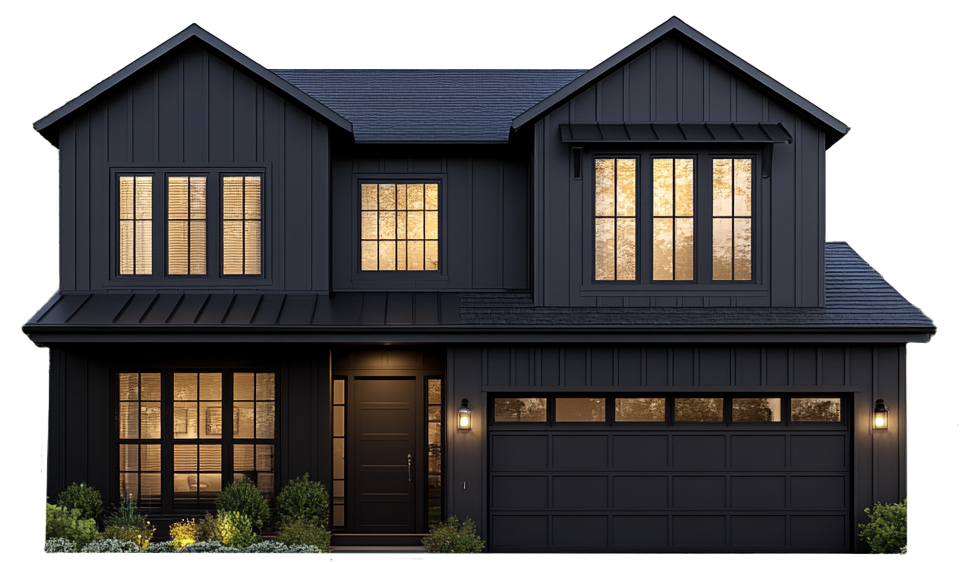
*Offer expires September 30, 2026
Try Our 3D Home Design Visualizer!
Excited to explore new possibilities for your home? Snap a photo to kickstart your journey with our online design tool or get inspired by our sample homes.
Start Designing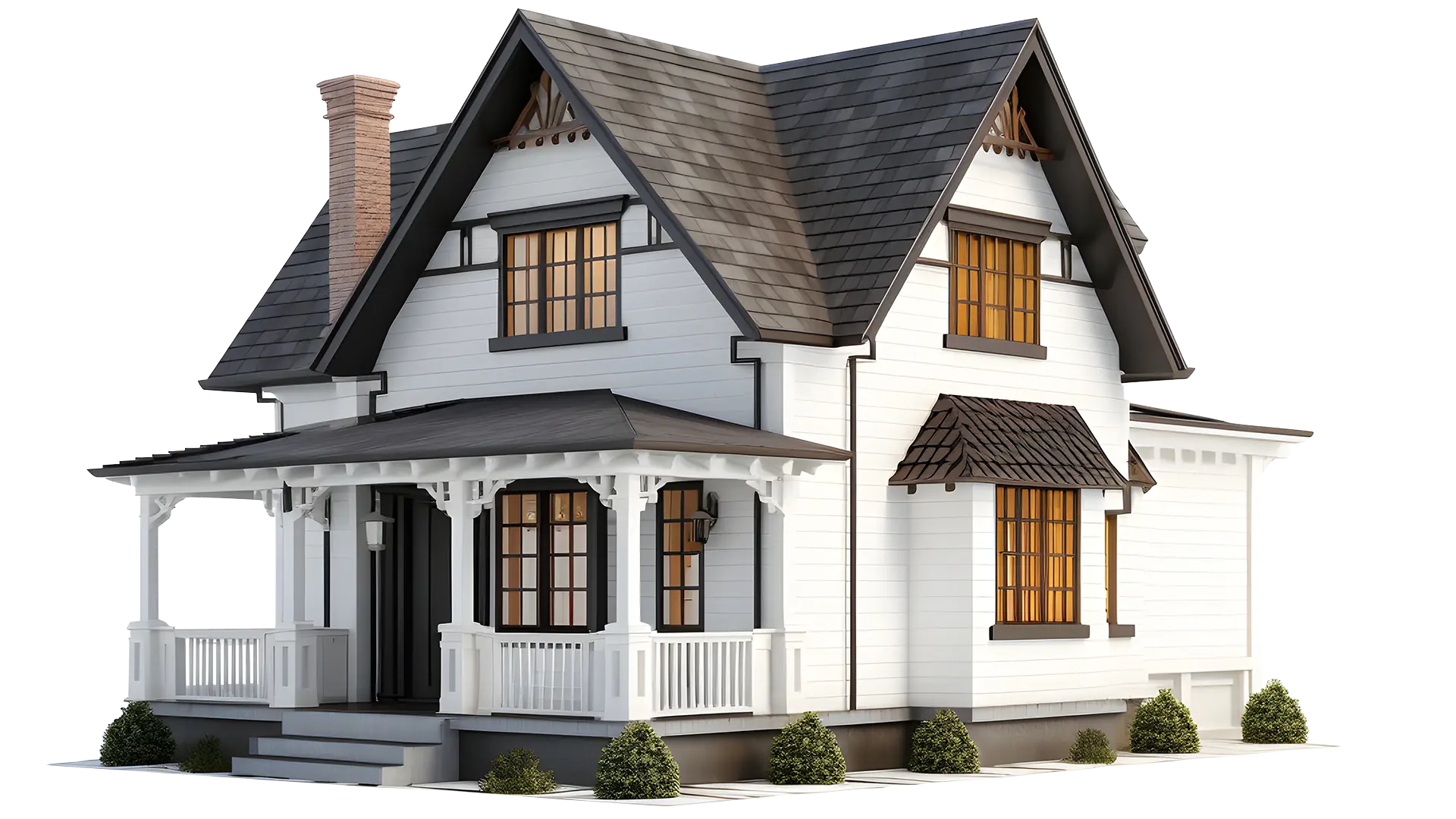
Why Choose Us?
Top Rated Siding & Window Experts
- FREE, Detailed Estimates
Receive clear, detailed quotes on-site, with no hidden fees.
- Fire Resistant Products
Enjoy peace of mind with quality materials like James Hardie siding and Anlin Windows.
- Local, Family-Owned Company
Decades of unparalleled expertise. No subcontractors!
- Licensed, Certified & Insured
We are fully licensed and certified, guaranteeing top-notch craftsmanship.
- Old-school Professionalism
Thorough cleanup and dependable follow-through with every siding and window project.


Egress Window Requirements You Need to Know
December 3rd, 2025 by Daniel

Vinyl Siding Cost: What You Need to Know
October 5th, 2025 by Daniel

Maximize Your Views with Simonton Daylight Max
June 22nd, 2025 by Eugene Hampton

Exploring Alside Windows: Features & Benefits
June 17th, 2025 by Eugene Hampton

Marvin Windows: Discover Quality and Style
May 17th, 2025 by Eugene Hampton

Discover the Benefits of Plygem Windows Today
May 13th, 2025 by Eugene Hampton
- Alamo
- Albany
- American Canyon
- Angels Camp
- Antioch
- Apple Hill
- Arnold
- Belmont
- Benicia
- Berkeley
- Blackhawk
- Bodega Bay
- Brentwood
- Burlingame
- Calistoga
- Cambrian Park
- Campbell
- Castro Valley
- Chico
- Clayton
- Clear Lake
- Concord
- Cordelia
- Corte Madera
- Cotati
- Cupertino
- Daly City
- Danville
- Discovery Bay
- Dixon
- Dublin
- East Bay
- El Cerrito
- El Sobrante
- Emeryville
- Fairfax
- Fairfield
- Foster City
- Fremont
- Galt
- Gilroy
- Grass Valley
- Half Moon Bay
- Hayward
- Hercules
- Hidden Valley Lake
- Isleton
- Jackson
- Kentfield
- Lafayette
- Lakeport
- Larkspur
- Livermore
- Los Altos
- Los Gatos
- Lower Lake
- Manteca
- Marin City
- Martinez
- Menlo Park
- Mill Valley
- Millbrae
- Milpitas
- Moraga
- Morgan Hill
- Mountain View
- Murphys
- Napa
- North Bay
- Novato
- Oakland
- Oakley
- Orinda
- Pacifica
- Palo Alto
- Paradise
- Petaluma
- Piedmont
- Pinole
- Pittsburg
- Pleasant Hill
- Pleasanton
- Pollock Pines
- Rancho Calaveras
- Redwood City
- Richmond
- Rio Vista
- Rodeo
- Rohnert Park
- Roseland
- San Andreas
- San Anselmo
- San Bruno
- San Carlos
- San Jose
- San Leandro
- San Mateo
- San Pablo
- San Rafael
- San Ramon
- Santa Clara
- Santa Cruz
- Santa Rosa
- Saratoga
- Sausalito
- Scotts Valley
- Sebastopol
- Sonoma
- South Bay
- South Lake Tahoe
- South San Francisco
- St. Helena
- Stanford
- Stockton
- Suisun City
- Sunnyvale
- Sutter Creek
- Tiburon
- Tracy
- Truckee
- Union City
- Vacaville
- Vallejo
- Valley Springs
- Walnut Creek
- Windsor
- Yountville


Ready for a Window Makeover? Get in Touch Today!
Learn more about Window Replacement and how we can help. Contact us today!
Get StartedWhy Us
- Free Quotes, Competitive Pricing
- On-Time Service
- Local, Family-Owned & Operated
- Reliable, Experienced, Certified
- Licensed & Certified
- Elite Preferred Contractor
- Family Owned & Operated
Replacement Windows
© 2026 Bay Area Siding Company, Inc. All Rights Reserved.Full-Service Siding & Window Experts in Bay Area. Bay Area Siding Company rated 5 / 5 based on 150 reviews.