Family Owned & Operated
Licensed & Certified
Free Estimates


Bay Area Fiber Cement Siding
Experience superior durability and aesthetics with Bay Area Siding Company's Fiber Cement Siding service. Enhance your home's charm with our top-notch siding options.


Limited-Time Offer: Schedule Your Consult & Save $1,500!
Request Free Pricing Today for Your Exterior Renovation Needs!


Fiber Cement Siding in the Bay Area
Fiber cement is a material category, not a single brand. Choosing well starts with understanding what it is, how it behaves, and how the major lines differ.
Bay Area Siding Company installs fiber cement siding from James Hardie, Allura, and Nichiha on homes across the Bay Area. This page explains the category. If you've already settled on Hardie, our brand-specific page goes deeper on that line.
Weighing fiber cement for your home? Request an estimate and we'll walk the house with you.
Call (415) 619-5167What fiber cement is, and what it isn't
Fiber cement siding is made from Portland cement, sand, and cellulose fibers, formed into planks, panels, shingles, and trim. The cement and sand provide hardness and dimensional stability. The cellulose adds enough flex to keep the board from behaving like a brittle tile. The result is noncombustible, it doesn't rot, insects don't feed on it, and it holds paint well. With proper installation and upkeep it is a long-lived cladding.
It is not maintenance-free, and it is not waterproof in the way people sometimes assume. Unsealed cut edges can take on moisture. Boards that sit too close to grade, roofing, or a patio can wick water. Caulked joints at trim still need periodic attention. Like every siding, fiber cement sheds most of the water, and the water-resistive barrier (WRB) and flashing behind it handle the rest. A fiber cement job lives or dies on that backing assembly.
It is also heavy. Long planks need two people to handle without cracking. Cutting releases crystalline silica dust, so it should be done outdoors with shears or dust-collecting saws, not a bare dry blade in the driveway. Fastener type, nailing location, and clearances all come from the manufacturer's installation instructions. None of this makes fiber cement difficult to live with, but it does make it a material that rewards an experienced crew.
Fiber cement brands compared
| Brand | Known for | Finish options | Honest trade-offs |
|---|---|---|---|
| James Hardie | Broad lineup of lap, panel, shingle, and trim products; widely stocked in Northern California | Primed for field paint, or factory ColorPlus finish | Wide availability and a deep accessory line; factory colors limit you to the published palette |
| Allura | Lap, panel, and shake-style fiber cement profiles | Primed; factory-finish availability varies by product and distributor | A capable alternative line; stocking and color options depend on local supply, so we confirm availability early |
| Nichiha | Large-format architectural wall panels with a concealed clip installation system, plus lap products | Factory-finished textures and colors on many panels | Panels suit modern and commercial-style facades; the clip system has its own detailing and isn't a like-for-like swap for traditional lap |
Choosing among fiber cement options
A factory finish is applied and cured under controlled conditions and comes with its own finish warranty from the maker. Field paint gives you unlimited color choice and lets you match an existing trim scheme or historic palette. Both are sound; the decision usually comes down to color flexibility versus finish consistency.
Lap siding in a narrow reveal reads right on Victorians, Craftsman bungalows, and many mid-century tract homes. Shingle profiles suit cottage and shingle-style houses. Vertical or large-format panels can echo the grooved siding on Eichlers or give a modern facade clean lines, but panel joints need careful flashing and layout.
Not always. LP SmartSide engineered wood is lighter, easier to work, impact-resistant, and has a convincing real-wood look. Vinyl suits budget-conscious projects where low maintenance and lower upfront cost matter. Fiber cement's particular strengths are noncombustibility, dimensional stability, and paint-holding, which matter most on fire-exposed lots and homes you plan to keep for a long time.
Every major fiber cement line performs well when installed to its instructions, and none tolerates careless detailing. Clearances, flashed butt joints, sealed cut edges, and proper WRB integration drive long-term results more than the logo on the pallet.
What drives the cost of a fiber cement project
- Tear-off and disposal of the existing siding, which is more involved for stucco or multiple old layers
- Sheathing, WRB, and flashing repairs uncovered once the old cladding is off
- Brand, profile, and finish, including factory-finished versus primed-and-field-painted
- Trim, corners, window surrounds, and architectural detail, which add labor quickly on Victorians and complex facades
- Access: story count, hillside lots, tight side yards, and staging needs
- Permitting and any fire-hazard-zone requirements for vents, eaves, and openings confirmed by your AHJ
Fiber cement and Bay Area conditions
Near the coast, marine-layer moisture and salt air keep walls damp for long stretches. On exposed elevations there, a rainscreen gap using furring strips behind the siding is worth discussing because it lets the wall dry. Inland, strong sun and summer heat are harder on finishes than on the board itself, which is one reason finish choice deserves thought. On parcels mapped in Cal Fire's fire hazard severity zones, noncombustible siding helps the exterior wall portion of California Building Code Chapter 7A. That chapter also governs vents, eaves, windows, and decks, so siding alone doesn't make a home compliant. We confirm current requirements with the local building department at permit time.
Our fiber cement installation process
- Consultation and estimate. We look at the home's era, exposure, trim details, and any fire-zone status, then recommend a brand, profile, and finish with a clear written scope.
- Tear-off to the sheathing. We remove the old siding down to the sheathing/substrate, exposing the existing WRB and flashing.
- Inspect sheathing, WRB, and flashing. A common issue when older siding comes off is brittle or missing building paper and window flashing that relied on caulk. Soft sheathing below sills is also worth checking closely.
- Repairs and corrections. Damaged sheathing is replaced, and problems are documented and discussed with you before the wall is closed up.
- New WRB and flashing details. The WRB is lapped shingle-style, window and door flashing is integrated with it, and kick-out flashing goes in at roof-wall intersections. Furring is added where a rainscreen is part of the plan.
- Install to manufacturer spec. We use the specified fasteners and nailing, maintain required clearances to grade, roofing, and hardscape, flash butt joints, and seal cut edges. Cutting is done with dust control.
- Final walkthrough. We walk every elevation with you, check trim and caulk joints, and review care of the finish.
Why homeowners choose Bay Area Siding Company
We treat fiber cement as the outer layer of a wall assembly, not a cosmetic panel, and we tell you plainly when another material may suit your home better.
Every job includes a look at the sheathing, WRB, and flashing before new siding goes on.
Clearances, fasteners, and joint details follow the manufacturer's written installation instructions for the product you choose.
We're based in Larkspur and serve the Bay Area; you can reach us directly at (415) 619-5167.
Other services we offer
Compare specific products or see the wider scope of our siding work.
Fiber Cement Siding FAQ
Is fiber cement a good choice in a Bay Area fire hazard zone?
Fiber cement is noncombustible, which makes it a strong fit for the exterior-wall part of Chapter 7A requirements. Vents, eaves, windows, and decks carry their own requirements. We check your parcel against Cal Fire's maps and confirm details with your AHJ.
Can fiber cement go over my existing siding?
Generally we recommend a full tear-off. It exposes the sheathing, WRB, and flashing so hidden damage can be found and the new cladding gets a sound, properly flashed base.
Will fiber cement match my Victorian or Eichler?
Often, yes. Narrow-reveal lap and shingle profiles suit many older homes, and vertical or panel products can echo mid-century grooved siding. Some ornate trim may still call for other materials.
How much maintenance does it need?
Fiber cement holds paint well and doesn't rot. Plan to inspect caulked joints periodically and repaint when the finish ages, with sun-facing walls usually first.
Ready to choose the right fiber cement for your home? Schedule a consultation with our team.
Call (415) 619-5167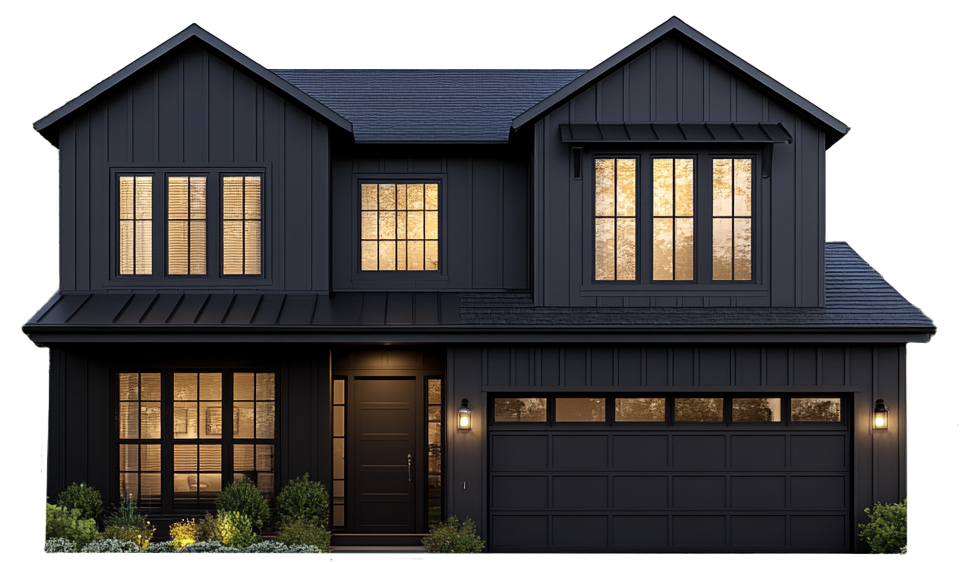
*Offer expires September 30, 2026
Try Our 3D Home Design Visualizer!
Excited to explore new possibilities for your home? Snap a photo to kickstart your journey with our online design tool or get inspired by our sample homes.
Start Designing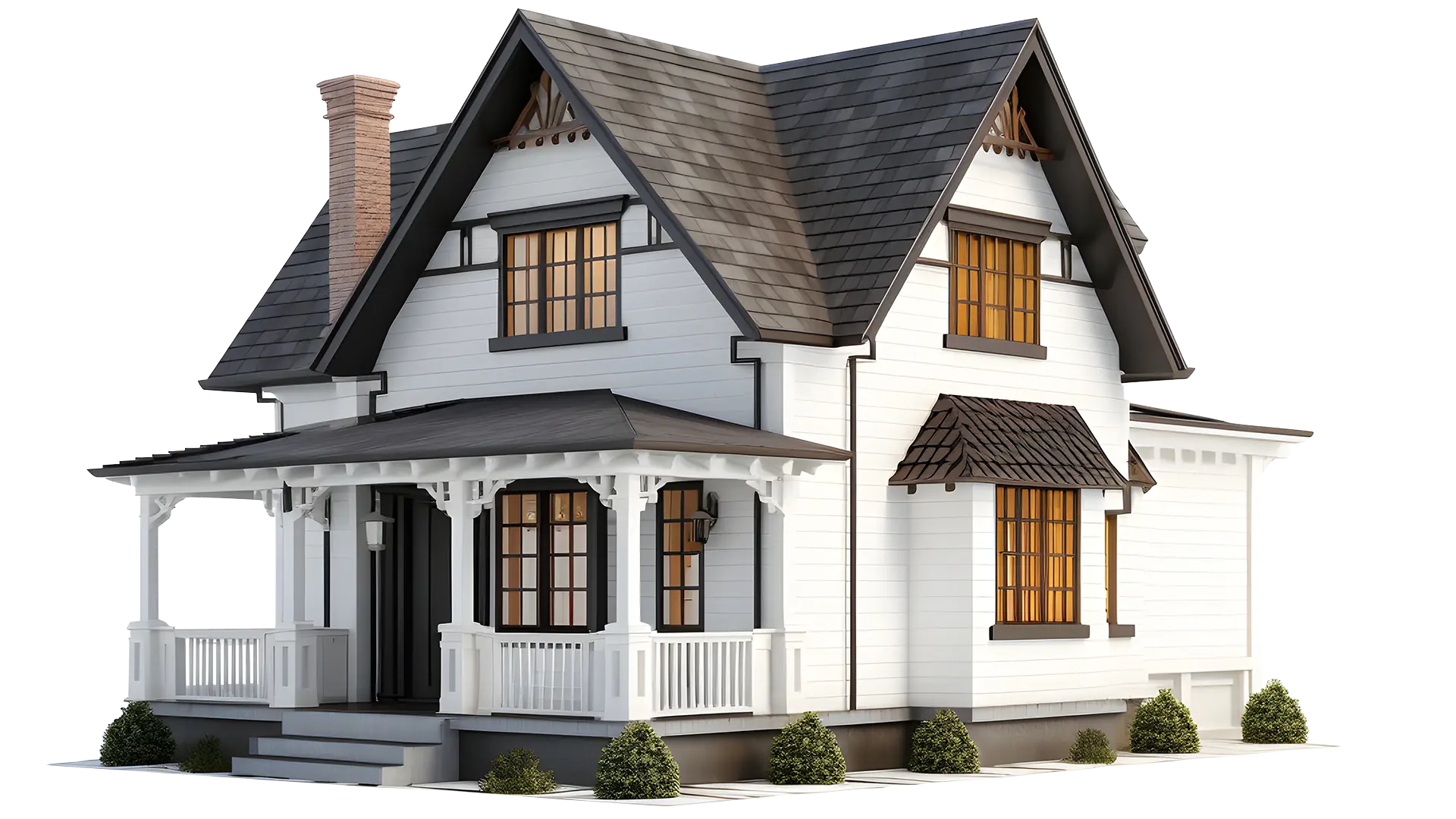
Why Choose Us?
Top Rated Siding & Window Experts
- FREE, Detailed Estimates
Receive clear, detailed quotes on-site, with no hidden fees.
- Fire Resistant Products
Enjoy peace of mind with quality materials like James Hardie siding and Anlin Windows.
- Local, Family-Owned Company
Decades of unparalleled expertise. No subcontractors!
- Licensed, Certified & Insured
We are fully licensed and certified, guaranteeing top-notch craftsmanship.
- Old-school Professionalism
Thorough cleanup and dependable follow-through with every siding and window project.


Everything You Need to Know About Cement Board
February 5th, 2026 by Daniel

Discover James Hardie ColorPlus Colors for Your Home
November 26th, 2025 by Daniel

Discover the Benefits of LP WeatherLogic
July 3rd, 2025 by Eugene Hampton

Composite Siding: Durable, Stylish, Eco-Friendly Option
May 7th, 2025 by Eugene Hampton

Benefits of Choosing Hardie Board Siding
March 15th, 2025 by Eugene Hampton

FastPlank Systems: Revolutionizing Siding Solutions
January 31st, 2025 by Daniel
- Alamo
- Albany
- American Canyon
- Angels Camp
- Antioch
- Apple Hill
- Arnold
- Belmont
- Benicia
- Berkeley
- Blackhawk
- Bodega Bay
- Brentwood
- Burlingame
- Calistoga
- Cambrian Park
- Campbell
- Castro Valley
- Chico
- Clayton
- Clear Lake
- Concord
- Cordelia
- Corte Madera
- Cotati
- Cupertino
- Daly City
- Danville
- Discovery Bay
- Dixon
- Dublin
- East Bay
- El Cerrito
- El Sobrante
- Emeryville
- Fairfax
- Fairfield
- Foster City
- Fremont
- Galt
- Gilroy
- Grass Valley
- Half Moon Bay
- Hayward
- Hercules
- Hidden Valley Lake
- Isleton
- Jackson
- Kentfield
- Lafayette
- Lakeport
- Larkspur
- Livermore
- Los Altos
- Los Gatos
- Lower Lake
- Manteca
- Marin City
- Martinez
- Menlo Park
- Mill Valley
- Millbrae
- Milpitas
- Moraga
- Morgan Hill
- Mountain View
- Murphys
- Napa
- North Bay
- Novato
- Oakland
- Oakley
- Orinda
- Pacifica
- Palo Alto
- Paradise
- Petaluma
- Piedmont
- Pinole
- Pittsburg
- Pleasant Hill
- Pleasanton
- Pollock Pines
- Rancho Calaveras
- Redwood City
- Richmond
- Rio Vista
- Rodeo
- Rohnert Park
- Roseland
- San Andreas
- San Anselmo
- San Bruno
- San Carlos
- San Jose
- San Leandro
- San Mateo
- San Pablo
- San Rafael
- San Ramon
- Santa Clara
- Santa Cruz
- Santa Rosa
- Saratoga
- Sausalito
- Scotts Valley
- Sebastopol
- Sonoma
- South Bay
- South Lake Tahoe
- South San Francisco
- St. Helena
- Stanford
- Stockton
- Suisun City
- Sunnyvale
- Sutter Creek
- Tiburon
- Tracy
- Truckee
- Union City
- Vacaville
- Vallejo
- Valley Springs
- Walnut Creek
- Windsor
- Yountville


Upgrade Your Home's Exterior with Bay Area Fiber Cement Siding – Start Today!
Learn more about Fiber Cement Siding and how we can help. Contact us today!
Get StartedWhy Us
- Free Quotes, Competitive Pricing
- On-Time Service
- Local, Family-Owned & Operated
- Reliable, Experienced, Certified
- Licensed & Certified
- Elite Preferred Contractor
- Family Owned & Operated
Replacement Windows
© 2026 Bay Area Siding Company, Inc. All Rights Reserved.Full-Service Siding & Window Experts in Bay Area. Bay Area Siding Company rated 5 / 5 based on 150 reviews.