Family Owned & Operated
Licensed & Certified
Free Estimates


Scotts Valley Fiber Cement Siding
Ensure durability and exceptional looks for your Scotts Valley home with our Fiber Cement Siding services at Bay Area Siding Company. Invest in superior quality now!


Schedule Your Consultation Today & Save Up to $1,500!
Request Free Pricing Today for Your Exterior Renovation Needs!


Scotts Valley homeowners usually start asking about fiber cement for one of two reasons. The existing wood, hardboard, or T1-11 has gone soft under the redwoods. Or the 2020 CZU Lightning Complex made them rethink what their walls are made of. Fiber cement answers both concerns better than most claddings, but it is a category, not a single product. Choosing well means understanding what the material does, where it falls short, and how the manufacturers differ.
Bay Area Siding Company is a Larkspur-based siding and window contractor that installs fiber cement across Scotts Valley and the Santa Cruz area. This page covers the material as a whole. If you've already settled on James Hardie, the Scotts Valley James Hardie page goes deeper on that brand.
Weighing fiber cement for your home? Call (415) 619-5167 or request a bid.
What fiber cement is, and why it suits a mountain lot
Fiber cement board is made from cement, sand, and cellulose fibers, formed and cured into planks, shingles, panels, and trim. That recipe explains most of its behavior:
- It doesn't rot and insects don't eat it. On a Scotts Valley parcel where the north and west walls may stay damp for much of the winter, the board itself won't decay the way wood or hardboard does.
- It's noncombustible. The cladding won't feed a fire. That matters on wooded, upslope lots. The wall assembly still matters too, as covered below.
- It holds paint well. Fiber cement is dimensionally stable through wet-dry cycles, so coatings last longer than they do on wood that swells and shrinks. Prefinished options push repaint intervals out further.
- It's long-lived. Installed correctly, fiber cement is a multi-decade cladding rather than something you'll be replacing again in fifteen years.
It also has trade-offs you should know about:
- It's heavy. Boards need careful handling and proper fastening, and that takes more labor than vinyl or engineered wood. Tight hillside access in Scotts Valley can add setup time.
- Installation skill matters. Much of the performance depends on details such as joint treatment, clearances to grade and roofline, and flashing at every opening. Those follow the manufacturer's instructions, and cutting corners shows up later as swollen edges or staining.
- Cutting creates silica dust. Fiber cement contains crystalline silica, so cutting should be done with dust-controlled tools and methods.
- It isn't a moisture barrier. The board resists rot, but the wall behind it still depends on the water-resistive barrier (WRB) and flashing to stay dry.
Comparing fiber cement brands
Several manufacturers make fiber cement siding. Here is how we frame the choice for Scotts Valley homeowners:
- James Hardie is the most widely recognized brand. It makes the HZ10 product line for California's climate and offers ColorPlus factory finishes. When installed to spec, it carries a transferable 30-year non-prorated substrate limited warranty and a 15-year ColorPlus finish warranty. See the James Hardie hub.
- Allura offers lap siding, shingle-style, and panel products. It is often considered when homeowners want fiber cement performance with a different set of profiles and price points.
- Nichiha is known for architectural panel systems as well as lap products. It's a fit for more contemporary exteriors or mixed-cladding designs.
We don't push one manufacturer. We compare the profiles, finishes, and warranty terms that fit your house and budget, and we point you to the manufacturer's current documentation so you can read the terms yourself. For an overview of the whole category, start at our fiber cement hub.
Choosing a look for Scotts Valley homes
Much of Scotts Valley's housing dates from the 1970s and '80s, often with wood lap, hardboard, or grooved T1-11 panels. Fiber cement can follow the character of those homes without their upkeep:
- Lap siding in smooth or wood-grain texture for traditional and ranch-style homes
- Shingle profiles for a cedar-shake look without the combustibility of real shakes
- Vertical panels with battens to replace failing T1-11 while keeping a rustic, board-and-batten feel under the trees
- Smooth panels for updated or contemporary designs
Colors can be factory-applied or field-painted. Earth tones and deep greens tend to sit naturally among redwoods, and a prefinished product avoids repainting on elevations that are hard to reach on a sloped lot.
Fire zones: what fiber cement does and doesn't settle
Many mountain parcels in and around Scotts Valley fall within elevated fire-hazard designations. On those parcels, California Building Code Chapter 7A applies to exterior wall coverings on specific assemblies and openings, and it generally calls for noncombustible or ignition-resistant materials. Fiber cement's noncombustibility makes it a common choice in those situations.
It helps to be precise about this, though. Chapter 7A is about assemblies, not just boards. Vents, eaves, and details at openings each have their own considerations, and windows are addressed separately (see our Scotts Valley window replacement page). Whether and how 7A applies to your project depends on your parcel's designation and your scope of work. We confirm that with the City of Scotts Valley Building Department and Cal Fire before materials are ordered, rather than assuming.
How a fiber cement install runs here
A fiber cement project in Scotts Valley typically goes like this:
- Walkthrough and written scope. We look at the siding and ask about access, shading, and your parcel's fire designation.
- Permitting. Exterior alterations go through the City of Scotts Valley Building Department.
- Tear-off. We remove the old cladding to the sheathing and substrate so the WRB and flashing can be inspected. This is not a tear-down to the studs. Framing only comes into it if the sheathing itself has failed, which is a larger scope we'd flag plainly.
- Repairs and new WRB. Damaged sheathing is repaired and a new WRB goes on. On shaded, slow-drying walls, this step matters as much as the siding.
- Flashing. Windows, doors, deck ledgers, and roof-to-wall transitions get new flashing.
- Installation. The siding goes on to the manufacturer's installation instructions, including clearances, fastening, and joint treatment.
- Final walkthrough. We review the finished work with you, and the city completes its inspection.
For the broader decision of whether to re-side and which material to choose, see our Scotts Valley siding replacement page. You can also browse finished work on our projects page.
What shapes the cost
We don't publish prices because the variables are specific to each house. For fiber cement, the main factors are:
- The amount of sheathing repair found once the old siding is off, which is often the biggest unknown on damp, wooded lots
- Wall area, number of stories, and how steep or tight the site access is
- Profile and texture, such as lap, shingle, or panel
- Field-painted versus prefinished boards
- Trim scope
- Any fire-zone assembly detailing your parcel requires
- Whether windows are replaced at the same time
If you're still comparing materials, fiber cement generally sits above vinyl and is closer to LP SmartSide engineered wood. Natural wood carries the highest ongoing maintenance.
FAQ
Is fiber cement a good choice for a shaded, damp Scotts Valley lot? Generally yes. The board doesn't rot, and it holds paint better than wood in wet-dry cycles. The key is pairing it with a properly installed WRB and flashing, because on slow-drying walls the assembly behind the siding does the waterproofing.
Does fiber cement siding make my home fire-compliant? It's noncombustible, which is why it's commonly used on fire-zone parcels. Chapter 7A compliance, however, depends on your parcel's designation, the specific assemblies involved, and your scope of work. We confirm requirements with the City of Scotts Valley Building Department and Cal Fire.
How is fiber cement different from James Hardie? James Hardie is one brand of fiber cement. Allura and Nichiha also make fiber cement products. This page covers the category, and our James Hardie page covers that brand's lines and warranty specifically.
Can fiber cement replace my old T1-11 panels? Yes. Vertical fiber cement panels with battens are a common replacement for failing T1-11. They keep a similar look without the swelling and delamination that grooved plywood suffers in damp conditions.
Ready to talk fiber cement?
Tell us what's happening on your walls, whether your lot is wooded or upslope, and what look you want. We'll walk the house, compare fiber cement options with you, and put together a written scope. Call (415) 619-5167 or request a bid. Explore more of our work across the region on our Santa Cruz area service page.
Serviced ZIP Codes: 95066, 95067
- Alamo Fiber Cement Siding
- Albany Fiber Cement Siding
- American Canyon Fiber Cement Siding
- Angels Camp Fiber Cement Siding
- Antioch Fiber Cement Siding
- Apple Hill Fiber Cement Siding
- Arnold Fiber Cement Siding
- Belmont Fiber Cement Siding
- Benicia Fiber Cement Siding
- Berkeley Fiber Cement Siding
- Blackhawk Fiber Cement Siding
- Bodega Bay Fiber Cement Siding
- Brentwood Fiber Cement Siding
- Burlingame Fiber Cement Siding
- Calistoga Fiber Cement Siding
- Cambrian Park Fiber Cement Siding
- Campbell Fiber Cement Siding
- Castro Valley Fiber Cement Siding
- Chico Fiber Cement Siding
- Clayton Fiber Cement Siding
- Clear Lake Fiber Cement Siding
- Concord Fiber Cement Siding
- Cordelia Fiber Cement Siding
- Corte Madera Fiber Cement Siding
- Cotati Fiber Cement Siding
- Cupertino Fiber Cement Siding
- Daly City Fiber Cement Siding
- Danville Fiber Cement Siding
- Discovery Bay Fiber Cement Siding
- Dixon Fiber Cement Siding
- Dublin Fiber Cement Siding
- East Bay Fiber Cement Siding
- El Cerrito Fiber Cement Siding
- El Sobrante Fiber Cement Siding
- Emeryville Fiber Cement Siding
- Fairfax Fiber Cement Siding
- Fairfield Fiber Cement Siding
- Foster City Fiber Cement Siding
- Fremont Fiber Cement Siding
- Galt Fiber Cement Siding
- Gilroy Fiber Cement Siding
- Grass Valley Fiber Cement Siding
- Half Moon Bay Fiber Cement Siding
- Hayward Fiber Cement Siding
- Hercules Fiber Cement Siding
- Hidden Valley Lake Fiber Cement Siding
- Isleton Fiber Cement Siding
- Jackson Fiber Cement Siding
- Kentfield Fiber Cement Siding
- Lafayette Fiber Cement Siding
- Lakeport Fiber Cement Siding
- Larkspur Fiber Cement Siding
- Livermore Fiber Cement Siding
- Los Altos Fiber Cement Siding
- Los Gatos Fiber Cement Siding
- Lower Lake Fiber Cement Siding
- Manteca Fiber Cement Siding
- Marin City Fiber Cement Siding
- Martinez Fiber Cement Siding
- Menlo Park Fiber Cement Siding
- Mill Valley Fiber Cement Siding
- Millbrae Fiber Cement Siding
- Milpitas Fiber Cement Siding
- Moraga Fiber Cement Siding
- Morgan Hill Fiber Cement Siding
- Mountain View Fiber Cement Siding
- Murphys Fiber Cement Siding
- Napa Fiber Cement Siding
- North Bay Fiber Cement Siding
- Novato Fiber Cement Siding
- Oakland Fiber Cement Siding
- Oakley Fiber Cement Siding
- Orinda Fiber Cement Siding
- Pacifica Fiber Cement Siding
- Palo Alto Fiber Cement Siding
- Paradise Fiber Cement Siding
- Petaluma Fiber Cement Siding
- Piedmont Fiber Cement Siding
- Pinole Fiber Cement Siding
- Pittsburg Fiber Cement Siding
- Pleasant Hill Fiber Cement Siding
- Pleasanton Fiber Cement Siding
- Pollock Pines Fiber Cement Siding
- Rancho Calaveras Fiber Cement Siding
- Redwood City Fiber Cement Siding
- Richmond Fiber Cement Siding
- Rio Vista Fiber Cement Siding
- Rodeo Fiber Cement Siding
- Rohnert Park Fiber Cement Siding
- Roseland Fiber Cement Siding
- San Andreas Fiber Cement Siding
- San Anselmo Fiber Cement Siding
- San Bruno Fiber Cement Siding
- San Carlos Fiber Cement Siding
- San Jose Fiber Cement Siding
- San Leandro Fiber Cement Siding
- San Mateo Fiber Cement Siding
- San Pablo Fiber Cement Siding
- San Rafael Fiber Cement Siding
- San Ramon Fiber Cement Siding
- Santa Clara Fiber Cement Siding
- Santa Cruz Fiber Cement Siding
- Santa Rosa Fiber Cement Siding
- Saratoga Fiber Cement Siding
- Sausalito Fiber Cement Siding
- Scotts Valley Fiber Cement Siding
- Sebastopol Fiber Cement Siding
- Sonoma Fiber Cement Siding
- South Bay Fiber Cement Siding
- South Lake Tahoe Fiber Cement Siding
- South San Francisco Fiber Cement Siding
- St. Helena Fiber Cement Siding
- Stanford Fiber Cement Siding
- Stockton Fiber Cement Siding
- Suisun City Fiber Cement Siding
- Sunnyvale Fiber Cement Siding
- Sutter Creek Fiber Cement Siding
- Tiburon Fiber Cement Siding
- Tracy Fiber Cement Siding
- Truckee Fiber Cement Siding
- Union City Fiber Cement Siding
- Vacaville Fiber Cement Siding
- Vallejo Fiber Cement Siding
- Valley Springs Fiber Cement Siding
- Walnut Creek Fiber Cement Siding
- Windsor Fiber Cement Siding
- Yountville Fiber Cement Siding
*Offer expires September 30, 2026
Try Our 3D Home Design Visualizer!
Excited to explore new possibilities for your home? Snap a photo to kickstart your journey with our online design tool or get inspired by our sample homes.
Start Designing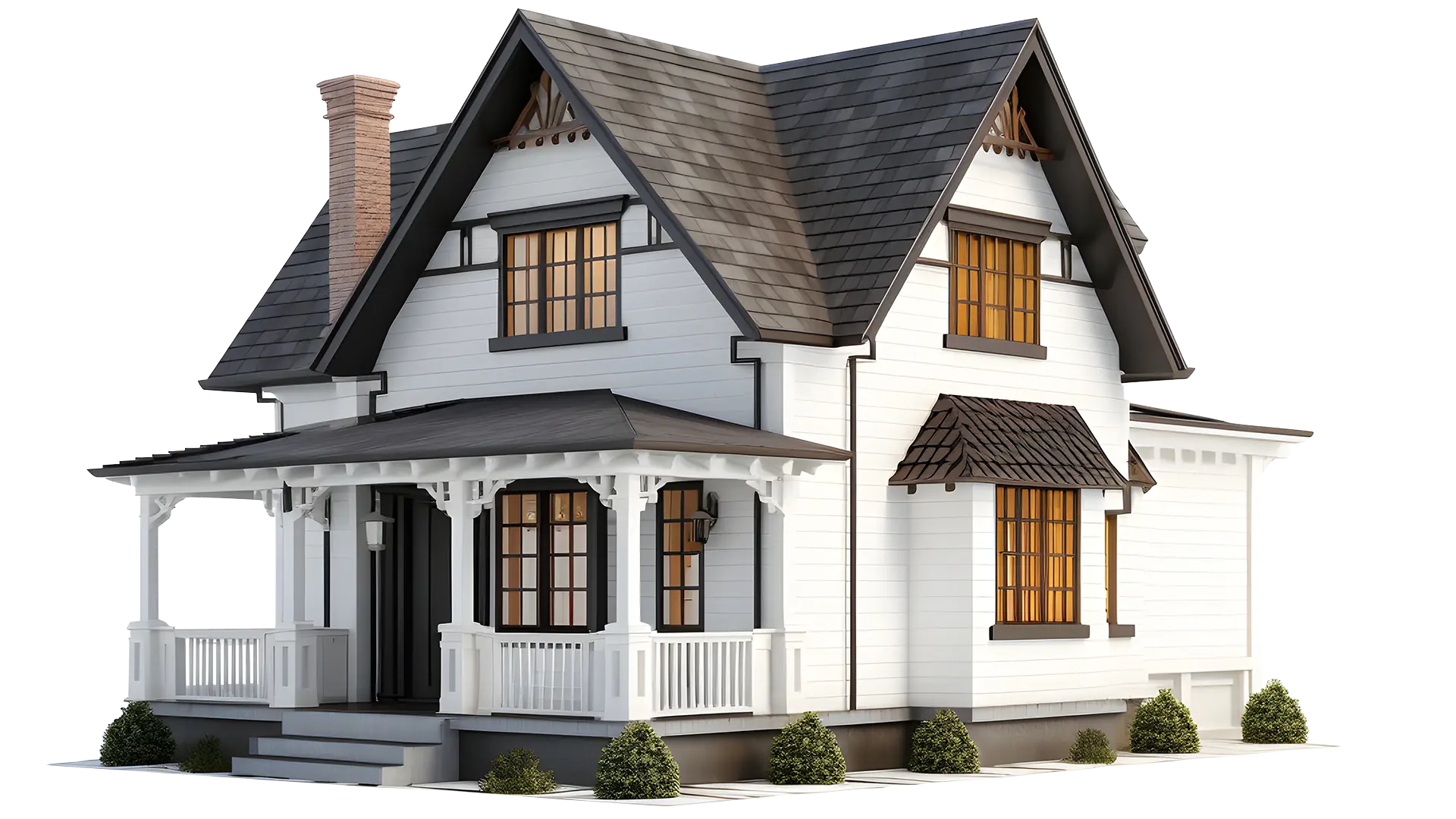
Why Choose Us?
Top Rated Siding & Window Experts
- FREE, Detailed Estimates
Receive clear, detailed quotes on-site, with no hidden fees.
- Fire Resistant Products
Enjoy peace of mind with quality materials like James Hardie siding and Anlin Windows.
- Local, Family-Owned Company
Decades of unparalleled expertise. No subcontractors!
- Licensed, Certified & Insured
We are fully licensed and certified, guaranteeing top-notch craftsmanship.
- Old-school Professionalism
Thorough cleanup and dependable follow-through with every siding and window project.


Start Transforming Your Home with Scotts Valley Fiber Cement Siding Today!
Discover the benefits of Scotts Valley Fiber Cement Siding today! Don't wait, reach out to us for more information now!
Get StartedWhy Us
- Free Quotes, Competitive Pricing
- On-Time Service
- Local, Family-Owned & Operated
- Reliable, Experienced, Certified
- Licensed & Certified
- Elite Preferred Contractor
- Family Owned & Operated
Replacement Windows
© 2026 Bay Area Siding Company, Inc. All Rights Reserved.Full-Service Siding & Window Experts in Bay Area. Bay Area Siding Company rated 5 / 5 based on 150 reviews.