Family Owned & Operated
Licensed & Certified
Free Estimates


Half Moon Bay Fiber Cement Siding
Ensure durability and exceptional looks for your Half Moon Bay home with our Fiber Cement Siding services at Bay Area Siding Company. Invest in superior quality now!


Schedule Your Consultation Today & Save Up to $1,500!
Request Free Pricing Today for Your Exterior Renovation Needs!


For a house on the San Mateo Coast, the question behind every siding decision is the same: what survives the salt, the fog, and the wind that drives rain sideways into a wall for days at a stretch? Fiber cement answers that better than most, which is why it keeps coming up in conversations with Coastside homeowners. It's a manufactured cladding — Portland cement, sand, and cellulose fiber pressed into boards, panels, and shingles — and its virtues line up almost exactly with what the Half Moon Bay climate demands. It doesn't rot, insects ignore it, it barely moves as the marine damp comes and goes, and a factory finish holds its color when field paint on the coast would already be peeling. Bay Area Siding Company, based in Larkspur, installs fiber cement throughout Half Moon Bay, and this page is about the category itself — what it is, why it suits the coast, and how the leading brands differ.
Considering fiber cement? Call (415) 619-5167 or request a bid.
Why it holds up where the coast is hard on everything
Salt-laden air is corrosive and the marine layer keeps a wall wet longer than an inland site ever experiences. Two properties of fiber cement matter most under those conditions. First, it's dimensionally stable — it expands and contracts very little with moisture and temperature swings, so caulk lines and butt joints stay closed instead of working open every time the fog rolls in and burns off. On the coast, an open joint is an invitation, and fiber cement gives water fewer of them. Second, the material itself doesn't absorb and swell the way a wood-based panel does, so the constant damp that destroys lesser cladding simply doesn't get a foothold.
None of that removes the real work, though. On a Coastside home, fiber cement's advantages are only realized if what's behind and around it is detailed for wind-driven rain — a sound water-resistive barrier, flashing that laps correctly at every window and transition, and above all corrosion-resistant fasteners. Salt air will find a cheap nail and bleed rust down a wall long before the siding itself gives out, so hot-dip galvanized or stainless fastening is not an upgrade here; it's the baseline. We spec and install to that standard.
The honest trade-offs
Fiber cement isn't free of drawbacks, and it's fair to name them. It's heavy, which means correct fastening, careful handling, and more labor than a lightweight product — a sloppily installed fiber-cement wall throws away everything you paid for. Cutting it releases silica dust, so it demands proper site practices. And it costs more up front than vinyl and usually more than engineered wood. What the premium buys is a low-attention wall that shrugs off the marine climate for decades. For an owner planning to keep the house, that trade tends to pay.
Choosing among the fiber-cement brands
"Fiber cement" is a category, not a single product, and part of our job is matching the maker to the house and budget:
- James Hardie — the most widely specified line in California, sold here as the HZ10 product formulated for our climate and available with the baked-on ColorPlus finish. It gets its own detailed treatment on the Half Moon Bay James Hardie page and the James Hardie hub.
- Allura — fiber cement in lap, panel, and shingle profiles; a legitimate alternative to compare on price, availability, and finish program.
- Nichiha — known for architectural panel systems and textured, rainscreen-friendly looks that suit more contemporary Coastside elevations, and whose drained-and-vented detailing is well suited to a wet climate.
All three deliver the core fiber-cement benefits and differ on profiles, finish, warranty, and cost. We'll lay the relevant options side by side rather than defaulting to one name.
How it stacks up against the other options
If you're still weighing materials for a coastal wall:
- Against vinyl — vinyl is cheaper and never needs paint, and it handles salt air well since it can't corrode, but it reads less premium and offers less against wind-driven rain at the seams; fiber cement is the more substantial, longer-horizon wall.
- Against LP SmartSide engineered wood — SmartSide is lighter, warmer in texture, and easier to work, but it's a wood-based product that must stay sealed; fiber cement wins on sheer indifference to moisture.
- Against natural wood — nothing quite matches real cedar or redwood, but on the coast wood is the highest-maintenance path; fiber cement is the usual "wood look, far less upkeep" compromise.
- The broader tear-off and re-side decision lives on the Half Moon Bay siding replacement page.
On inland and ridge parcels with a fire-hazard designation, fiber cement's noncombustibility becomes a second reason to choose it — but Chapter 7A applicability depends on the parcel and scope, and we confirm that with the City and the Coastside Fire Protection District rather than assume it.
Permitting and getting it in right
Exterior wall work in Half Moon Bay is permitted through the City's Building Division at 501 Main Street, and because the entire city sits within the California Coastal Zone, some parcels also raise the question of a Coastal Development Permit — routine work on an existing home is generally exempt, but bluff-top, oceanfront, and highly scenic parcels can be treated differently. We confirm the path with the Building and Planning Divisions before we start. Then the wall goes up properly: old cladding off, sheathing and water-resistive barrier inspected, flashing corrected, corrosion-resistant fasteners, and installation to the manufacturer's spec so the warranty holds.
What drives the cost
We don't post prices because coastal jobs vary too much. The drivers: the size and height of the home, the profile and finish (factory color costs more than primed-for-paint but pays back in fade resistance on a salt-air wall), how much concealed rot or substrate repair surfaces at tear-off, corrosion-resistant flashing and fastening detailing, whether the work triggers a coastal review, and access on wind-exposed or tight coastside lots. A walkthrough is the only honest way to price it.
FAQ
Is fiber cement a good choice for a salt-air, foggy climate like Half Moon Bay's? Yes. It doesn't rot or corrode, and it's dimensionally stable, so joints stay tight through the coast's constant damp. The key is pairing it with corrosion-resistant fasteners and correct flashing — the parts that actually fail first on the coast.
Does fiber cement rust or react to salt? The cladding itself doesn't corrode. The vulnerable pieces are the fasteners and any exposed metal, which is why we install with hot-dip galvanized or stainless fastening rather than standard nails.
Which fiber-cement brand should I use? It depends on the look, budget, and finish program. James Hardie is the most common here, but Allura and Nichiha are real options for certain profiles and price points. We compare the ones that fit your project.
Do I need to repaint fiber cement on the coast? A factory-finished board goes many years before it needs attention — far longer than paint on wood survives in salt air and fog. Field-painted fiber cement will eventually need a repaint, but the stable substrate underneath means the finish lasts better than it would on wood.
Get a fiber-cement plan for your Half Moon Bay home
Call (415) 619-5167 or request a bid, and we'll walk the house, compare the fiber-cement options that fit the coast and your budget, and price it accurately. Replacing windows in the same project? See Half Moon Bay window replacement. We serve the wider Peninsula, and you can see finished exteriors in our project gallery.
Serviced ZIP Codes: 94019
- Alamo Fiber Cement Siding
- Albany Fiber Cement Siding
- American Canyon Fiber Cement Siding
- Angels Camp Fiber Cement Siding
- Antioch Fiber Cement Siding
- Apple Hill Fiber Cement Siding
- Arnold Fiber Cement Siding
- Belmont Fiber Cement Siding
- Benicia Fiber Cement Siding
- Berkeley Fiber Cement Siding
- Blackhawk Fiber Cement Siding
- Bodega Bay Fiber Cement Siding
- Brentwood Fiber Cement Siding
- Burlingame Fiber Cement Siding
- Calistoga Fiber Cement Siding
- Cambrian Park Fiber Cement Siding
- Campbell Fiber Cement Siding
- Castro Valley Fiber Cement Siding
- Chico Fiber Cement Siding
- Clayton Fiber Cement Siding
- Clear Lake Fiber Cement Siding
- Concord Fiber Cement Siding
- Cordelia Fiber Cement Siding
- Corte Madera Fiber Cement Siding
- Cotati Fiber Cement Siding
- Cupertino Fiber Cement Siding
- Daly City Fiber Cement Siding
- Danville Fiber Cement Siding
- Discovery Bay Fiber Cement Siding
- Dixon Fiber Cement Siding
- Dublin Fiber Cement Siding
- East Bay Fiber Cement Siding
- El Cerrito Fiber Cement Siding
- El Sobrante Fiber Cement Siding
- Emeryville Fiber Cement Siding
- Fairfax Fiber Cement Siding
- Fairfield Fiber Cement Siding
- Foster City Fiber Cement Siding
- Fremont Fiber Cement Siding
- Galt Fiber Cement Siding
- Gilroy Fiber Cement Siding
- Grass Valley Fiber Cement Siding
- Half Moon Bay Fiber Cement Siding
- Hayward Fiber Cement Siding
- Hercules Fiber Cement Siding
- Hidden Valley Lake Fiber Cement Siding
- Isleton Fiber Cement Siding
- Jackson Fiber Cement Siding
- Kentfield Fiber Cement Siding
- Lafayette Fiber Cement Siding
- Lakeport Fiber Cement Siding
- Larkspur Fiber Cement Siding
- Livermore Fiber Cement Siding
- Los Altos Fiber Cement Siding
- Los Gatos Fiber Cement Siding
- Lower Lake Fiber Cement Siding
- Manteca Fiber Cement Siding
- Marin City Fiber Cement Siding
- Martinez Fiber Cement Siding
- Menlo Park Fiber Cement Siding
- Mill Valley Fiber Cement Siding
- Millbrae Fiber Cement Siding
- Milpitas Fiber Cement Siding
- Moraga Fiber Cement Siding
- Morgan Hill Fiber Cement Siding
- Mountain View Fiber Cement Siding
- Murphys Fiber Cement Siding
- Napa Fiber Cement Siding
- North Bay Fiber Cement Siding
- Novato Fiber Cement Siding
- Oakland Fiber Cement Siding
- Oakley Fiber Cement Siding
- Orinda Fiber Cement Siding
- Pacifica Fiber Cement Siding
- Palo Alto Fiber Cement Siding
- Paradise Fiber Cement Siding
- Petaluma Fiber Cement Siding
- Piedmont Fiber Cement Siding
- Pinole Fiber Cement Siding
- Pittsburg Fiber Cement Siding
- Pleasant Hill Fiber Cement Siding
- Pleasanton Fiber Cement Siding
- Pollock Pines Fiber Cement Siding
- Rancho Calaveras Fiber Cement Siding
- Redwood City Fiber Cement Siding
- Richmond Fiber Cement Siding
- Rio Vista Fiber Cement Siding
- Rodeo Fiber Cement Siding
- Rohnert Park Fiber Cement Siding
- Roseland Fiber Cement Siding
- San Andreas Fiber Cement Siding
- San Anselmo Fiber Cement Siding
- San Bruno Fiber Cement Siding
- San Carlos Fiber Cement Siding
- San Jose Fiber Cement Siding
- San Leandro Fiber Cement Siding
- San Mateo Fiber Cement Siding
- San Pablo Fiber Cement Siding
- San Rafael Fiber Cement Siding
- San Ramon Fiber Cement Siding
- Santa Clara Fiber Cement Siding
- Santa Cruz Fiber Cement Siding
- Santa Rosa Fiber Cement Siding
- Saratoga Fiber Cement Siding
- Sausalito Fiber Cement Siding
- Scotts Valley Fiber Cement Siding
- Sebastopol Fiber Cement Siding
- Sonoma Fiber Cement Siding
- South Bay Fiber Cement Siding
- South Lake Tahoe Fiber Cement Siding
- South San Francisco Fiber Cement Siding
- St. Helena Fiber Cement Siding
- Stanford Fiber Cement Siding
- Stockton Fiber Cement Siding
- Suisun City Fiber Cement Siding
- Sunnyvale Fiber Cement Siding
- Sutter Creek Fiber Cement Siding
- Tiburon Fiber Cement Siding
- Tracy Fiber Cement Siding
- Truckee Fiber Cement Siding
- Union City Fiber Cement Siding
- Vacaville Fiber Cement Siding
- Vallejo Fiber Cement Siding
- Valley Springs Fiber Cement Siding
- Walnut Creek Fiber Cement Siding
- Windsor Fiber Cement Siding
- Yountville Fiber Cement Siding
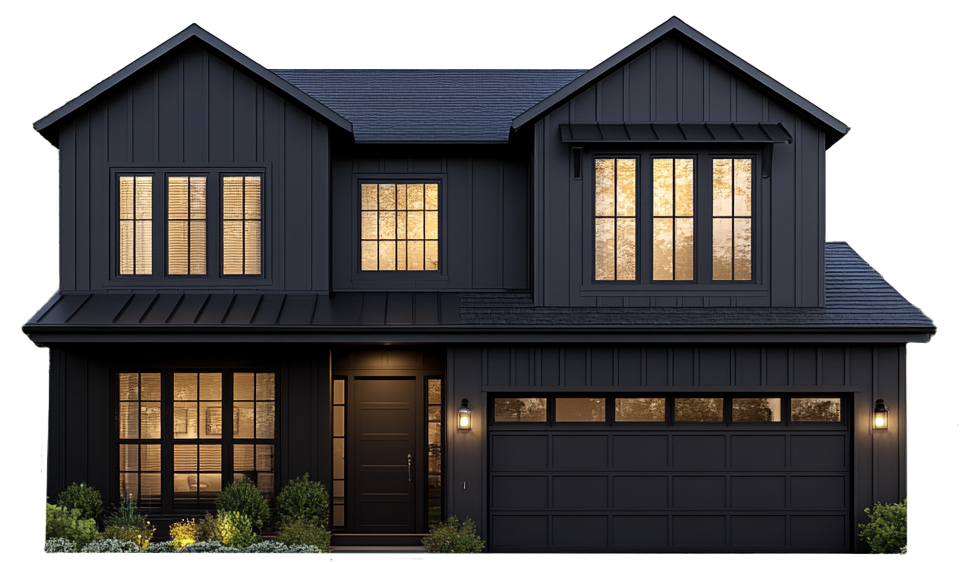
*Offer expires September 30, 2026
Try Our 3D Home Design Visualizer!
Excited to explore new possibilities for your home? Snap a photo to kickstart your journey with our online design tool or get inspired by our sample homes.
Start Designing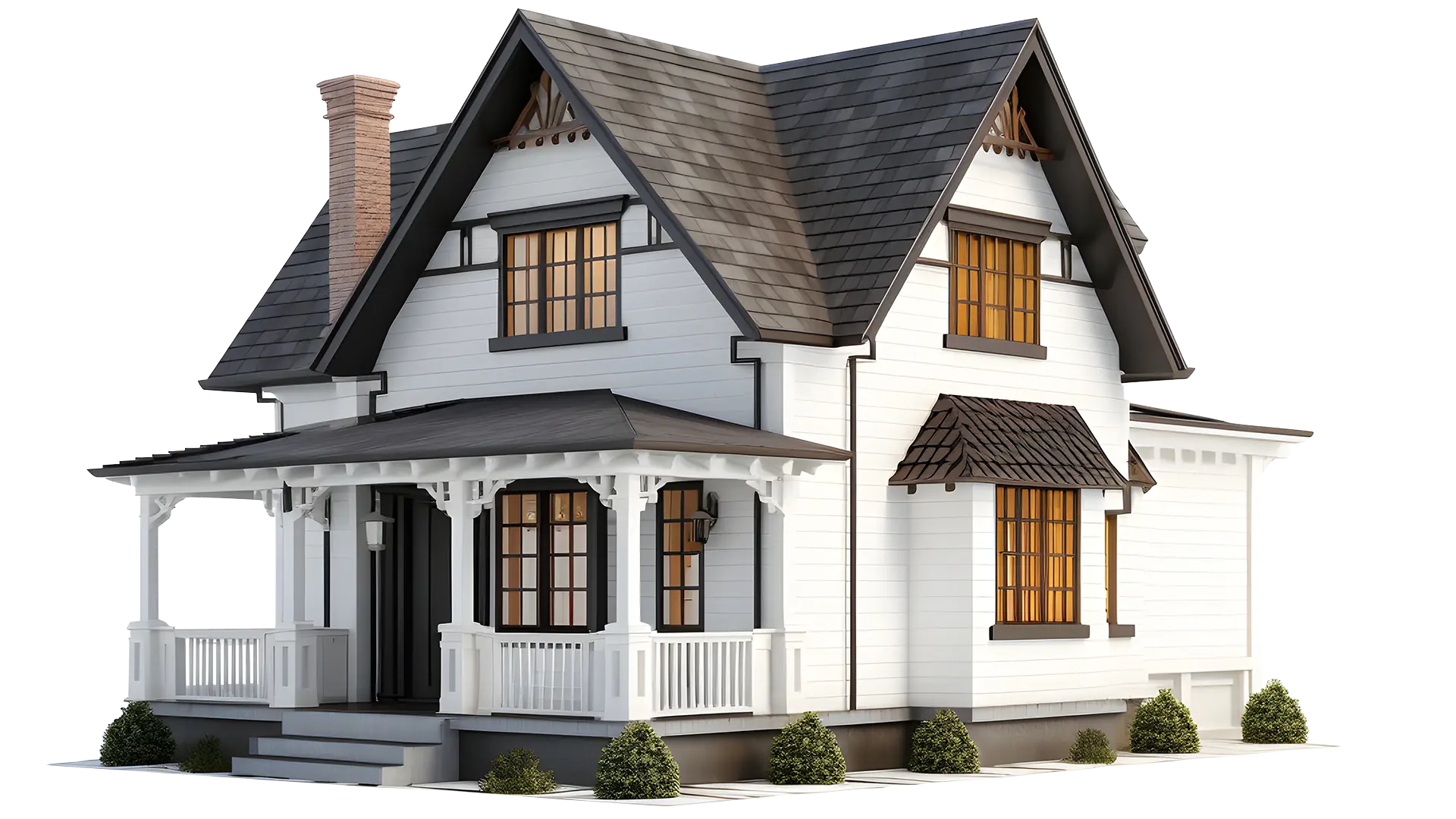
Why Choose Us?
Top Rated Siding & Window Experts
- FREE, Detailed Estimates
Receive clear, detailed quotes on-site, with no hidden fees.
- Fire Resistant Products
Enjoy peace of mind with quality materials like James Hardie siding and Anlin Windows.
- Local, Family-Owned Company
Decades of unparalleled expertise. No subcontractors!
- Licensed, Certified & Insured
We are fully licensed and certified, guaranteeing top-notch craftsmanship.
- Old-school Professionalism
Thorough cleanup and dependable follow-through with every siding and window project.


Start Transforming Your Home with Half Moon Bay Fiber Cement Siding Today!
Discover the benefits of Half Moon Bay Fiber Cement Siding today! Don't wait, reach out to us for more information now!
Get StartedWhy Us
- Free Quotes, Competitive Pricing
- On-Time Service
- Local, Family-Owned & Operated
- Reliable, Experienced, Certified
- Licensed & Certified
- Elite Preferred Contractor
- Family Owned & Operated
Replacement Windows
© 2026 Bay Area Siding Company, Inc. All Rights Reserved.Full-Service Siding & Window Experts in Bay Area. Bay Area Siding Company rated 5 / 5 based on 150 reviews.