Family Owned & Operated
Licensed & Certified
Free Estimates


Grass Valley Fiber Cement Siding
Ensure durability and exceptional looks for your Grass Valley home with our Fiber Cement Siding services at Bay Area Siding Company. Invest in superior quality now!


Schedule Your Consultation Today & Save Up to $1,500!
Request Free Pricing Today for Your Exterior Renovation Needs!


Fiber cement has become the default recommendation for a lot of Grass Valley re-sides, and the reasons are practical rather than fashionable. It is a cement-based cladding — portland cement, sand, and cellulose fiber pressed into lap boards, panels, and shingle-look products — and the traits that make it a national favorite happen to line up with what a Nevada County foothill lot demands: it will not burn, it will not rot, insects have no interest in it, and it barely moves as the weather swings from a baking July afternoon to a freezing January night. Bay Area Siding Company installs fiber cement throughout the Sierra Gold Country, and this page is about the material category itself — what it is, who it suits here, and how to choose among the brands that make it.
Weighing a re-side for a foothill home? Request an estimate or call (415) 619-5167 and we'll talk through whether fiber cement is the right call for your walls.
What the material actually solves in this climate
Grass Valley asks two different things of a wall in the same year. The summers are hot and dry, with hard afternoon sun that cooks south- and west-facing elevations and shortens the life of any finish. The winters turn cold and wet, occasionally snowy at foothill elevation, and that moisture works into every seam it can reach. Fiber cement answers both. Because it is dimensionally stable, it does not cup, swell, or open its joints the way plywood-based and hardboard siding do after a few wet-winter cycles. Because it holds a coating well, it stands up to the UV load on the sunny walls far longer than raw wood. And because it is a mineral product, the summer heat that softens and warps some materials simply does not affect it.
Then there is fire, which for many parcels here is the deciding factor. A meaningful share of Grass Valley and the surrounding foothills sits in mapped fire hazard severity zones, and Cal Fire refreshed its Local Responsibility Area maps in 2025. Fiber cement is noncombustible, which places it among the cladding types that fit an ignition-resistant wall assembly under California Building Code Chapter 7A. Whether and how 7A governs your project is always a function of your specific parcel designation and the scope of work — we confirm that with the City of Grass Valley rather than assume it — but for an owner on a wooded lot, a wall that will not carry flame is often reason enough to rule wood out early.
A note on the right product line
The leading fiber-cement maker engineers its boards for different climates, and the distinction matters up here. For a cold, wet, snow-touched foothill zone, the cold-climate line built for freeze-thaw and moisture (the HZ5 engineering) is the appropriate one — not the formulation aimed at hot, humid, low-elevation coastal markets. When we spec fiber cement for a Grass Valley home, we spec the line built for a cold zone.
The honest trade-offs
Fiber cement is not a free lunch. It is heavy, and it rewards skilled cutting, fastening, and gapping — a careless install can undercut an otherwise excellent product, so this is not the material to hand to whoever bids lowest. It costs more up front than vinyl. And however well the board resists moisture, it is still only one layer: the assembly behind it depends on a sound water-resistive barrier and correct flashing. Those are all arguments for installing it properly, not for avoiding it.
Choosing among the fiber-cement brands
"Fiber cement" names a category, not one product. The brands you will run into:
- James Hardie — the dominant name, with lap siding, panels, shingle-look products, and a factory ColorPlus finish; brand-level detail lives on our Grass Valley James Hardie page.
- Allura — a competing fiber-cement line with a comparable range of profiles.
- Nichiha — known for architectural panel systems and texture-forward facades.
They share the same core material science and differ mainly in profiles, finish programs, and warranty structure. If you want the brand-specific breakdown on Hardie, read that page. If you are comparing fiber cement against entirely different materials, the Grass Valley siding replacement overview lays out the full field, and the fiber cement hub covers the category across our service area. Prefer a warmer, lighter, real-wood texture? LP SmartSide is the engineered-wood alternative many owners weigh alongside it.
How the job goes, and who permits it
Grass Valley is an incorporated city, so exterior work is permitted through the City of Grass Valley Building Division (part of Community Development), which runs its permitting through the Accela online system under the current California Building Code and California Energy Efficiency Standards. We assess the walls, write a scope, pull the permit, remove the old cladding down to the sheathing and substrate so the water-resistive barrier and flashing can be inspected and corrected, then install the fiber cement to the manufacturer's specification — trim, finish, and a walkthrough to close. If your home is in or near the historic core, additional design review can apply, so it is worth raising early.
What drives the cost
We don't post prices, because no two of these jobs measure out the same. The real drivers are the size and shape of the home, how much concealed rot or substrate repair the tear-off exposes, the profile and finish you choose, the brand and product line, whether your parcel's fire designation calls for a particular assembly, and access on a sloped or tree-tight lot. A walkthrough is the only honest way to price it.
FAQ
Is fiber cement required on my Grass Valley parcel? Not as a blanket rule. But if your parcel carries a fire-hazard designation, Chapter 7A steers toward noncombustible or ignition-resistant assemblies, and fiber cement qualifies. We confirm your parcel's designation and scope with the City of Grass Valley before speccing anything.
How does fiber cement handle the summer heat and winter wet better than wood? It is dimensionally stable and doesn't absorb water the way solid wood or plywood-based siding does, so the wet-winter, dry-summer cycle doesn't cup, split, or delaminate it — and it won't rot, which is what usually ends a wood wall. The heat that warps some materials doesn't affect a mineral board.
Which fiber-cement brand should I pick? It depends on the look and finish you want. James Hardie has the widest finish program; Allura and Nichiha are strong alternatives. We install fiber cement and walk you through the differences in person rather than steering you to one label.
Does fiber cement need repainting up here? Factory-finished boards arrive pre-coated and hold color well against foothill UV. Field-painted installs will eventually need a repaint like any siding — but far less often than raw wood, which is a real maintenance saving over the years.
Get a fiber-cement plan for your home
Call (415) 619-5167 or request an estimate, and we'll look at the walls, check your parcel context with the City, and lay out fiber-cement options against the alternatives. Doing windows in the same project? See Grass Valley window replacement. We serve the Sierra region, and finished work is in the project gallery.
Serviced ZIP Codes: 95945, 95949
- Alamo Fiber Cement Siding
- Albany Fiber Cement Siding
- American Canyon Fiber Cement Siding
- Angels Camp Fiber Cement Siding
- Antioch Fiber Cement Siding
- Apple Hill Fiber Cement Siding
- Arnold Fiber Cement Siding
- Belmont Fiber Cement Siding
- Benicia Fiber Cement Siding
- Berkeley Fiber Cement Siding
- Blackhawk Fiber Cement Siding
- Bodega Bay Fiber Cement Siding
- Brentwood Fiber Cement Siding
- Burlingame Fiber Cement Siding
- Calistoga Fiber Cement Siding
- Cambrian Park Fiber Cement Siding
- Campbell Fiber Cement Siding
- Castro Valley Fiber Cement Siding
- Chico Fiber Cement Siding
- Clayton Fiber Cement Siding
- Clear Lake Fiber Cement Siding
- Concord Fiber Cement Siding
- Cordelia Fiber Cement Siding
- Corte Madera Fiber Cement Siding
- Cotati Fiber Cement Siding
- Cupertino Fiber Cement Siding
- Daly City Fiber Cement Siding
- Danville Fiber Cement Siding
- Discovery Bay Fiber Cement Siding
- Dixon Fiber Cement Siding
- Dublin Fiber Cement Siding
- East Bay Fiber Cement Siding
- El Cerrito Fiber Cement Siding
- El Sobrante Fiber Cement Siding
- Emeryville Fiber Cement Siding
- Fairfax Fiber Cement Siding
- Fairfield Fiber Cement Siding
- Foster City Fiber Cement Siding
- Fremont Fiber Cement Siding
- Galt Fiber Cement Siding
- Gilroy Fiber Cement Siding
- Grass Valley Fiber Cement Siding
- Half Moon Bay Fiber Cement Siding
- Hayward Fiber Cement Siding
- Hercules Fiber Cement Siding
- Hidden Valley Lake Fiber Cement Siding
- Isleton Fiber Cement Siding
- Jackson Fiber Cement Siding
- Kentfield Fiber Cement Siding
- Lafayette Fiber Cement Siding
- Lakeport Fiber Cement Siding
- Larkspur Fiber Cement Siding
- Livermore Fiber Cement Siding
- Los Altos Fiber Cement Siding
- Los Gatos Fiber Cement Siding
- Lower Lake Fiber Cement Siding
- Manteca Fiber Cement Siding
- Marin City Fiber Cement Siding
- Martinez Fiber Cement Siding
- Menlo Park Fiber Cement Siding
- Mill Valley Fiber Cement Siding
- Millbrae Fiber Cement Siding
- Milpitas Fiber Cement Siding
- Moraga Fiber Cement Siding
- Morgan Hill Fiber Cement Siding
- Mountain View Fiber Cement Siding
- Murphys Fiber Cement Siding
- Napa Fiber Cement Siding
- North Bay Fiber Cement Siding
- Novato Fiber Cement Siding
- Oakland Fiber Cement Siding
- Oakley Fiber Cement Siding
- Orinda Fiber Cement Siding
- Pacifica Fiber Cement Siding
- Palo Alto Fiber Cement Siding
- Paradise Fiber Cement Siding
- Petaluma Fiber Cement Siding
- Piedmont Fiber Cement Siding
- Pinole Fiber Cement Siding
- Pittsburg Fiber Cement Siding
- Pleasant Hill Fiber Cement Siding
- Pleasanton Fiber Cement Siding
- Pollock Pines Fiber Cement Siding
- Rancho Calaveras Fiber Cement Siding
- Redwood City Fiber Cement Siding
- Richmond Fiber Cement Siding
- Rio Vista Fiber Cement Siding
- Rodeo Fiber Cement Siding
- Rohnert Park Fiber Cement Siding
- Roseland Fiber Cement Siding
- San Andreas Fiber Cement Siding
- San Anselmo Fiber Cement Siding
- San Bruno Fiber Cement Siding
- San Carlos Fiber Cement Siding
- San Jose Fiber Cement Siding
- San Leandro Fiber Cement Siding
- San Mateo Fiber Cement Siding
- San Pablo Fiber Cement Siding
- San Rafael Fiber Cement Siding
- San Ramon Fiber Cement Siding
- Santa Clara Fiber Cement Siding
- Santa Cruz Fiber Cement Siding
- Santa Rosa Fiber Cement Siding
- Saratoga Fiber Cement Siding
- Sausalito Fiber Cement Siding
- Scotts Valley Fiber Cement Siding
- Sebastopol Fiber Cement Siding
- Sonoma Fiber Cement Siding
- South Bay Fiber Cement Siding
- South Lake Tahoe Fiber Cement Siding
- South San Francisco Fiber Cement Siding
- St. Helena Fiber Cement Siding
- Stanford Fiber Cement Siding
- Stockton Fiber Cement Siding
- Suisun City Fiber Cement Siding
- Sunnyvale Fiber Cement Siding
- Sutter Creek Fiber Cement Siding
- Tiburon Fiber Cement Siding
- Tracy Fiber Cement Siding
- Truckee Fiber Cement Siding
- Union City Fiber Cement Siding
- Vacaville Fiber Cement Siding
- Vallejo Fiber Cement Siding
- Valley Springs Fiber Cement Siding
- Walnut Creek Fiber Cement Siding
- Windsor Fiber Cement Siding
- Yountville Fiber Cement Siding
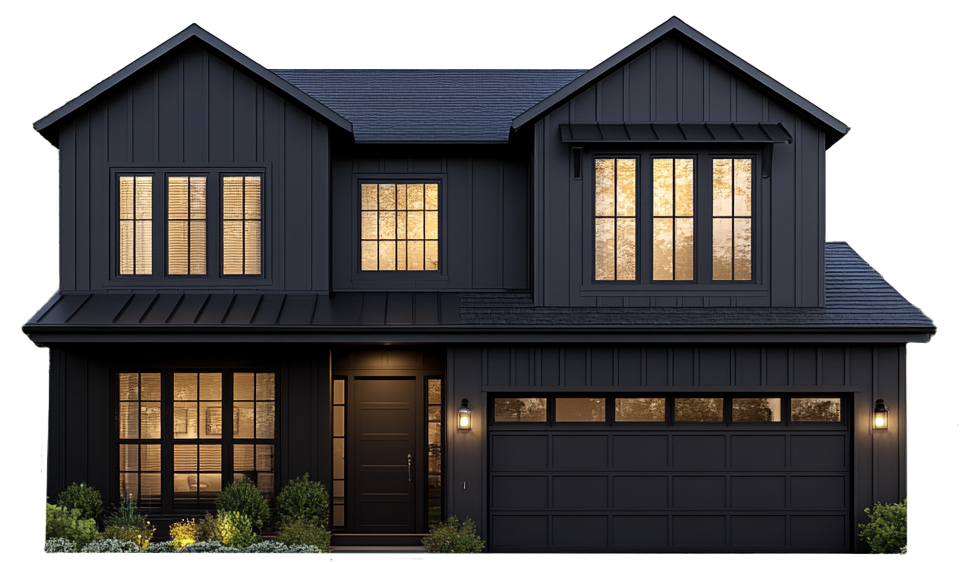
*Offer expires September 30, 2026
Try Our 3D Home Design Visualizer!
Excited to explore new possibilities for your home? Snap a photo to kickstart your journey with our online design tool or get inspired by our sample homes.
Start Designing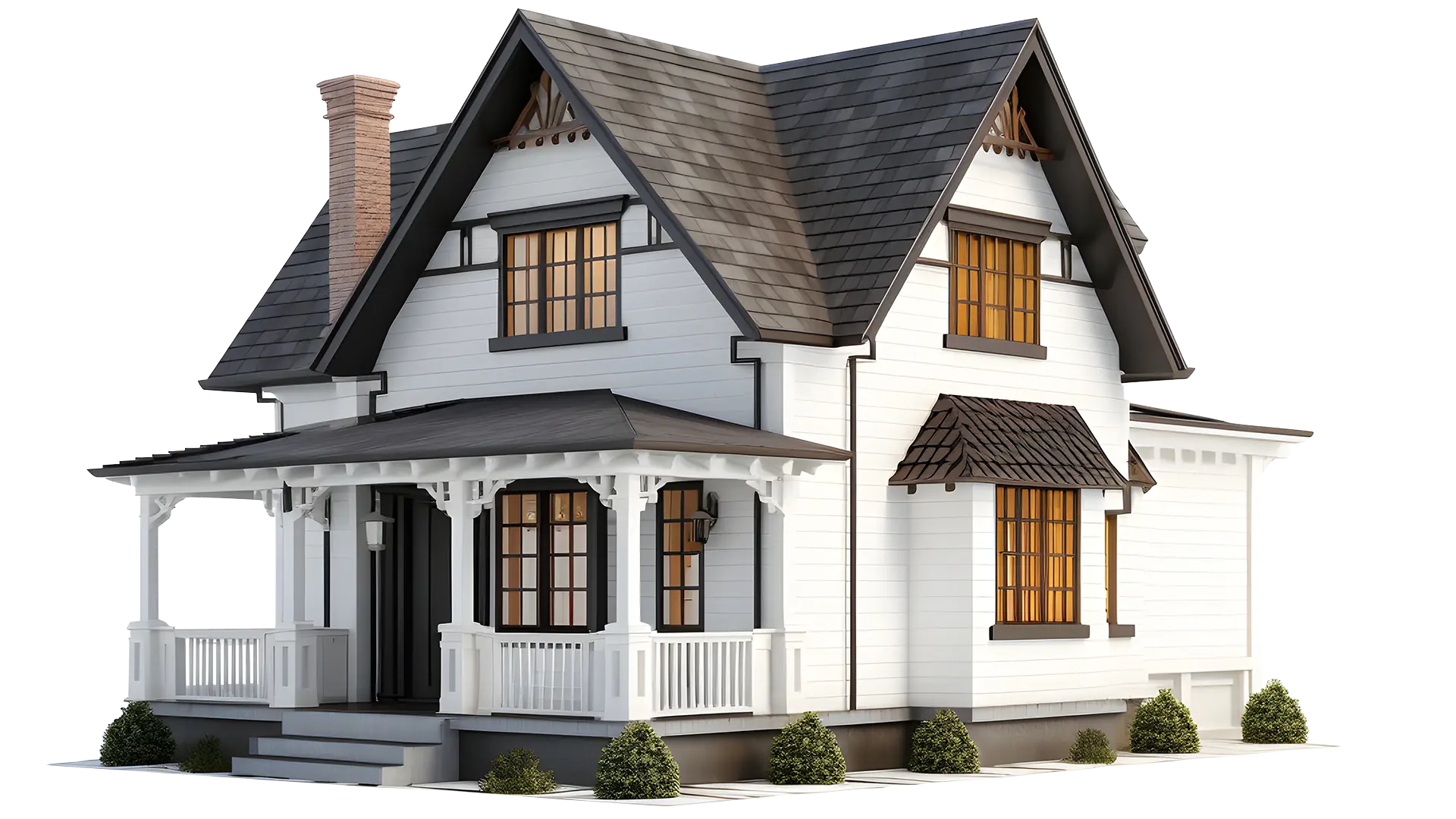
Why Choose Us?
Top Rated Siding & Window Experts
- FREE, Detailed Estimates
Receive clear, detailed quotes on-site, with no hidden fees.
- Fire Resistant Products
Enjoy peace of mind with quality materials like James Hardie siding and Anlin Windows.
- Local, Family-Owned Company
Decades of unparalleled expertise. No subcontractors!
- Licensed, Certified & Insured
We are fully licensed and certified, guaranteeing top-notch craftsmanship.
- Old-school Professionalism
Thorough cleanup and dependable follow-through with every siding and window project.


Start Transforming Your Home with Grass Valley Fiber Cement Siding Today!
Discover the benefits of Grass Valley Fiber Cement Siding today! Don't wait, reach out to us for more information now!
Get StartedWhy Us
- Free Quotes, Competitive Pricing
- On-Time Service
- Local, Family-Owned & Operated
- Reliable, Experienced, Certified
- Licensed & Certified
- Elite Preferred Contractor
- Family Owned & Operated
Replacement Windows
© 2026 Bay Area Siding Company, Inc. All Rights Reserved.Full-Service Siding & Window Experts in Bay Area. Bay Area Siding Company rated 5 / 5 based on 150 reviews.