
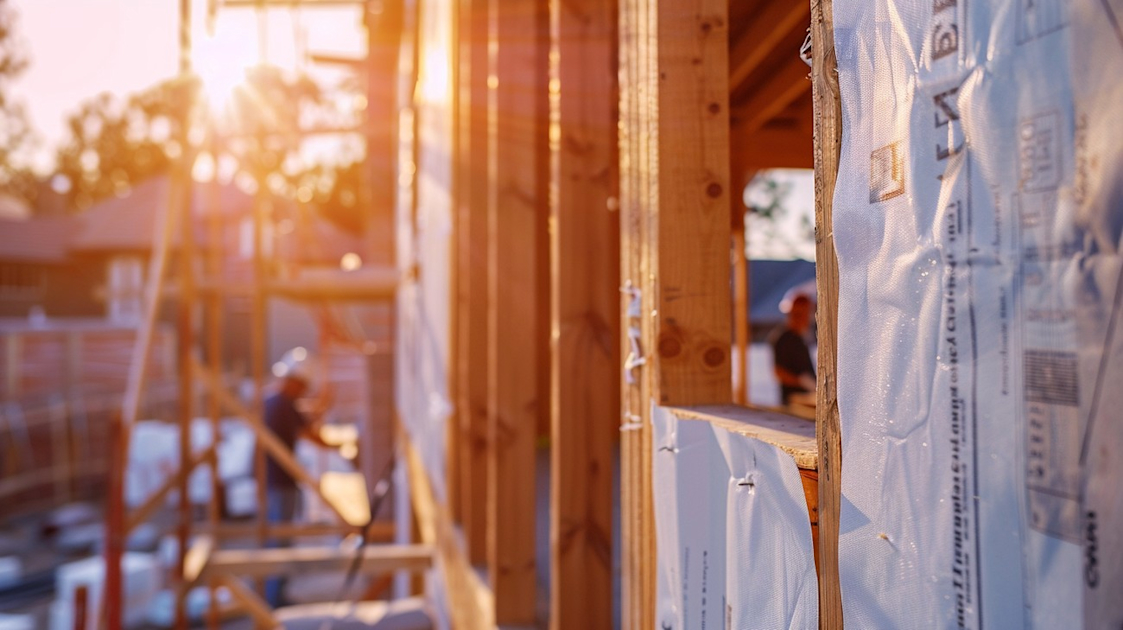


Tyvek house wrap has long been hailed as a revolutionary solution in the construction industry, offering protection, energy efficiency, and longevity to homes and buildings across the globe. In this article, we delve into the intricacies of Tyvek house wrap, its benefits, installation process, and much more. Whether you're a construction professional or a DIY enthusiast, this information-packed guide will provide valuable insights into how Tyvek can enhance your building projects.
What is Tyvek House Wrap?
Tyvek house wrap is a brand of synthetic material manufactured by DuPont that serves as a breathable barrier, aimed at protecting homes from the elements while allowing moisture to escape. This revolutionary material is made from high-density polyethylene fibers, which are randomly laid and bonded together, providing it with unique properties that are crucial in modern construction.
The Functionality of Tyvek
The primary purpose of Tyvek house wrap is to act as a weather-resistant barrier. It is designed to prevent air and water infiltration, thus preserving the structural integrity of the building. Yet, its breathability allows moisture vapor to escape from wall cavities, reducing the risk of mold and water damage.
Why Choose Tyvek House Wrap?
When it comes to building or renovating a home, choosing the best materials is critical. Tyvek house wrap stands out among its competitors due to several compelling reasons.
Superior Protection Against the Elements
Tyvek offers unmatched defense against wind and rain, ensuring that the interior of your home remains safe and dry. Its unique design allows it to be highly effective as a weather-resistant barrier.
Enhanced Energy Efficiency
By reducing air leakage, Tyvek house wrap helps maintain consistent indoor temperatures, making heating and cooling systems more efficient. This can lead to significant savings on energy bills.
Durability and Longevity
Tyvek is renowned for its durability. It can withstand harsh weather conditions over time, providing homeowners with peace of mind that their investment in quality construction materials was wisely made.
Installing Tyvek House Wrap
Proper installation is key to maximizing the benefits of Tyvek house wrap. Here's a concise guide to help you through the process:
Preparing Your Materials
Before you begin, gather the necessary tools and materials:
- Tyvek house wrap roll
- Utility knife
- Staple gun or cap nails
- Seam tape
- Measuring tape
- Ladder
Step-by-Step Installation
Start From the Bottom: Begin installation from the bottom of the wall, working your way up. This layering technique ensures that any water that penetrates the wrap will be directed down and out.
Overlap Seams: Overlaps should be a minimum of 6 inches horizontally and 12 inches vertically to provide maximum protection.
Secure the Wrap: Use a staple gun or cap nails to attach the wrap to the sheathing, ensuring it is taut without any wrinkles or sagging.
Seal the Seams: Apply seam tape to all horizontal and vertical seams to ensure a complete barrier against water and air infiltration.
Trim Excess Material: Use a utility knife to trim away any excess wrap, ensuring a clean, neat finish around windows, doors, and other openings.
Common Mistakes to Avoid
- Failing to overlap seams sufficiently can compromise the barrier's effectiveness.
- Skipping seam taping can lead to air and moisture leaks.
- Over-stretching the wrap can cause tears, affecting performance.
How Tyvek Contributes to Sustainable Building
In an era where sustainability is more important than ever, Tyvek house wrap plays a vital role in creating energy-efficient homes. By minimizing air leaks, it reduces a building's carbon footprint and makes it easier for homeowners to maintain comfortable living conditions while using less energy.
Key Sustainable Features
- Recyclability: Tyvek's materials are recyclable, aligning with eco-friendly building practices.
- Lifetime Performance: It maintains its effectiveness for decades, reducing the need for frequent replacements.
Variants and Customization
Tyvek understands that no two building projects are the same. As a result, it offers a range of house wrap products tailored to different needs, climates, and construction practices.
Popular Tyvek Products
- Tyvek HomeWrap: The standard option for residential applications.
- Tyvek StuccoWrap: Specially designed for use under stucco facades.
- Tyvek DrainWrap: Offers enhanced drainage for areas prone to moisture accumulation.
Maintenance and Care
To ensure your Tyvek house wrap offers optimal performance, it's crucial to regularly inspect the material. Pay attention to any tears or damage caused by weather or construction activities and repair them promptly to maintain the integrity of the barrier.
Routine Maintenance Tips
- Regular Inspection: Check for signs of wear and tear, especially after severe weather events.
- Prompt Repairs: Make necessary repairs immediately using appropriate sealing and patching materials.
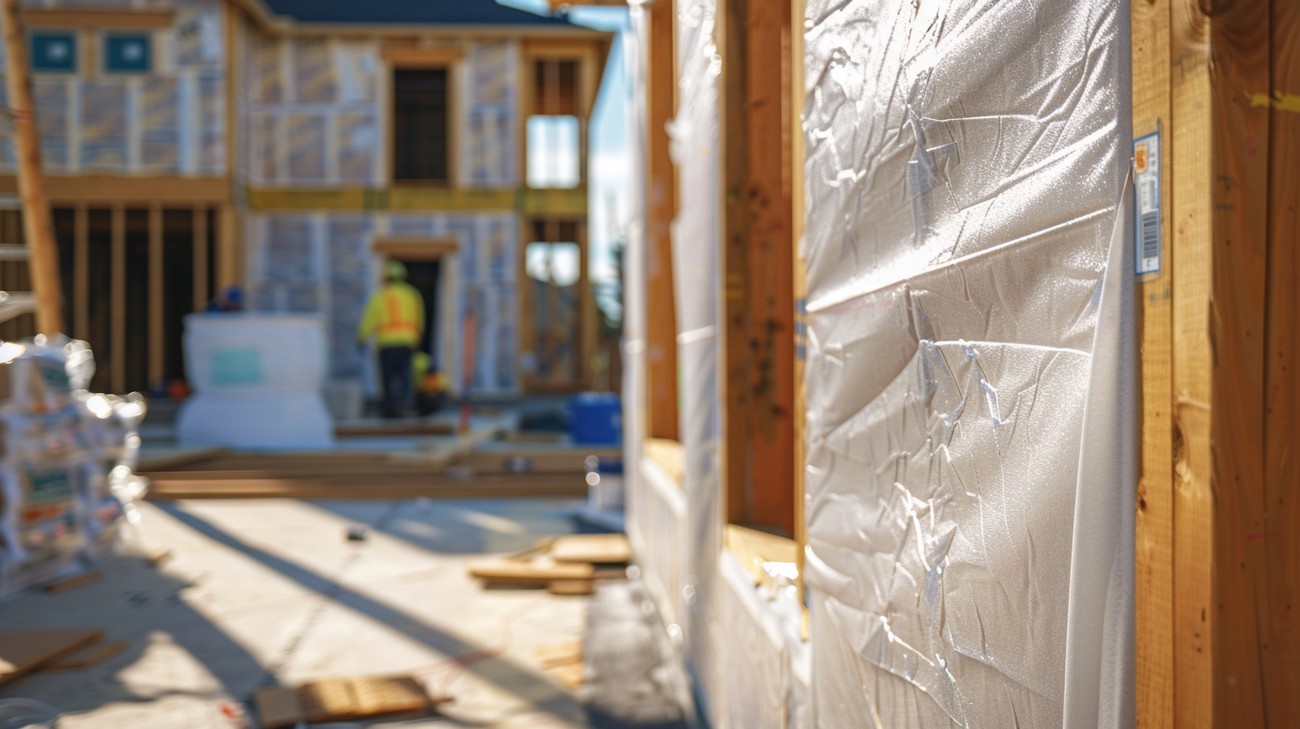
Frequently Asked Questions About Tyvek House Wrap
How does Tyvek house wrap work?
Tyvek house wrap functions as a protective barrier that is installed over the sheathing of a building, under the exterior siding. Made from a high-density polyethylene material, it is designed to repel moisture from the outside while allowing water vapor to escape from within. This innovative design helps prevent water intrusion and related issues such as mold and mildew, ensuring that the structural integrity of the building is maintained. By permitting breathability, Tyvek helps in optimizing the energy efficiency of homes by reducing drafts and aiding in temperature regulation.
Can Tyvek house wrap be used with various types of siding?
Yes, Tyvek house wrap is incredibly versatile and is compatible with a wide range of siding materials, including vinyl, wood, brick, stucco, and stone. It serves as an effective weather-resistant barrier regardless of the siding type it is paired with. The flexibility of Tyvek allows for expansion and contraction, which tends to occur naturally in different materials and environmental conditions, thereby maintaining its protective functions under a broad spectrum of exterior applications.
Is it necessary to use a special tape or fasteners with Tyvek house wrap?
To achieve optimal performance, it's recommended to use Tyvek tape and fasteners specifically designed for use with the house wrap. These accessories ensure that seams and overlaps are adequately sealed, enhancing the weatherproofing properties of the wrap. The specialized tape and fasteners are engineered to withstand various weather conditions and UV exposure, contributing to the long-term durability of the house wrap system.
How long can Tyvek house wrap be exposed to weather conditions during construction?
Tyvek house wrap can be exposed to the elements for up to four months before the installation of the exterior siding. This exposure timeframe is longer than many other house wraps available on the market, providing greater flexibility during the construction process. It is essential, however, to adhere to this exposure limit to ensure the wrap continues to perform as intended, protecting the home from moisture and air intrusion.
Does Tyvek house wrap contribute to energy efficiency in homes?
Absolutely, Tyvek house wrap significantly contributes to a home's energy efficiency. By providing a continuous barrier against drafts and moisture infiltration, it helps maintain consistent indoor temperatures. This, in turn, can lead to reduced reliance on heating and cooling systems, resulting in lower energy consumption and utility bills. The breathability of Tyvek also assists in managing moisture levels, which can further foster a comfortable and energy-efficient living environment.
Can Tyvek house wrap be installed by a DIY enthusiast?
While it's possible for a skilled DIY enthusiast to install Tyvek house wrap, it is generally recommended to have it installed by professionals. Proper installation is crucial to ensure that the house wrap performs effectively, and professionals have the experience to manage installation challenges, such as working around windows, doors, and corners. However, if you opt to install it yourself, careful attention to detail and adherence to manufacturer guidelines are critical.
What maintenance does Tyvek house wrap require once installed?
Tyvek house wrap is designed to be maintenance-free once correctly installed beneath the siding. Its durable composition means it doesn't degrade or require regular upkeep. However, it's a good practice during seasonal inspections of your home's exterior to check that the siding remains intact and that no tears or damages have occurred that could compromise the wrap’s protective layer underneath. If damages are identified, they should be repaired promptly to maintain the effectiveness of the overall weather barrier system.
How does Tyvek compare to other house wrap materials?
Tyvek house wrap is often favored over other materials due to its unique properties and high-performance levels in protecting homes against moisture and air infiltration. Unlike traditional tar paper or felt liners, Tyvek offers superior breathability and tear resistance. Its high-density polyethylene construction ensures durability and longevity, making Tyvek a preferred choice for many builders and contractors looking for reliable, long-lasting weather protection solutions. Additionally, Tyvek is lightweight and easy to handle, further setting it apart from bulkier alternatives.
Exploring the Pros and Cons of Tyvek House Wrap
Pros
Outstanding Weather Resistance
Tyvek house wrap is known for its excellent weather-resistant properties. It acts as a barrier against wind and moisture while allowing water vapor to escape, preventing moisture from building up inside your walls. This attribute is crucial in maintaining the structural integrity of your home, as it helps ward off mold, rot, and other moisture-related issues.
Lightweight and Easy to Install
One of the beauties of Tyvek is its lightweight nature. This feature makes it incredibly easy to handle and install, even for those who aren't seasoned DIYers. Because it's so manageable, labor costs can be reduced, and the installation process becomes more efficient and faster.
Breathability Factor
Tyvek scores high on breathability. It allows the house to "breathe," ensuring that water vapor doesn't get trapped inside your walls. This is particularly important for reducing the risk of mold and mildew, contributing to a healthier living environment.
Energy Efficiency
By reducing air infiltration, Tyvek helps improve a home's overall energy efficiency. It keeps conditioned air inside, which means your heating and cooling systems don’t have to work as hard to maintain a comfortable indoor environment. As a result, you might notice a decrease in your utility bills, which is always a welcome bonus.
Durable and Long-Lasting
Once installed, Tyvek is known for its durability. It’s tough enough to withstand harsh weather conditions and doesn’t tear easily, which means it can serve your home well for many years, safeguarding against weather elements and contributing to the longevity of your home’s structure.
Versatility in Application
Tyvek is versatile enough to be used in various building projects, from residential homes to larger commercial structures. It’s compatible with a wide range of siding materials, giving you the flexibility to choose the look you want without worrying about compatibility issues.
Cons
Cost Considerations
While Tyvek offers numerous benefits, it does come at a higher price point compared to other house wraps. For those on a tight budget, the initial investment might be a bit of a stretch. However, many consider the long-term benefits and savings in energy costs to be worth the upfront expense.
Requires Careful Installation
Even though Tyvek is easy to install, it demands meticulous attention during the installation process. If not properly installed, it can compromise the entire system's effectiveness. Seams, overlaps, and fasteners need to be managed carefully to prevent any gaps that could allow moisture to infiltrate.
UV Exposure
While Tyvek is relatively resistant to UV damage, prolonged exposure without coverage by siding could lead to deterioration. Manufacturers usually recommend that it should be covered within a few months of installation to maintain its protective qualities. This means that construction schedules should be adhered to closely to avoid potential issues.
Not a Standalone Waterproof Barrier
It’s important to note that Tyvek is not entirely waterproof. It serves as a water-resistant barrier, but in heavy rain or when water pressure is significant, it can be penetrated. Therefore, it’s not a substitute for proper roofing and siding, but rather a complementary layer that enhances overall protection.
Limited Availability in Some Areas
In some regions, Tyvek might not be as readily available as other types of house wraps. This could potentially lead to delays in construction if the product needs to be sourced from afar, adding to shipping costs and lead times.
Final Thoughts
Using tyvek house wrap is a smart choice for enhancing your home's energy efficiency and protecting it from moisture. This durable barrier helps ensure that your home stays comfortable all year round while also minimizing the risk of mold and structural damage, particularly in the unique climate we experience in Bay Area, CA. Investing in proper installation can make a significant difference in the longevity of your building's exterior.
If you're ready to take the next step and safeguard your home, we encourage you to reach out to us at Bay Area Siding Company. We’re here to answer your questions and discuss the benefits of tyvek house wrap tailored to your specific needs. Schedule a consultation or request a free estimate today, and let us help you enhance your home’s protection and efficiency.
The information provided here is intended for general reference and should not be considered professional advice. Before starting any project, consult a licensed contractor. Product features, specifications, and warranties may have been updated since this was published. Any mention of brands or products reflects personal opinion and does not constitute an endorsement or warranty.