
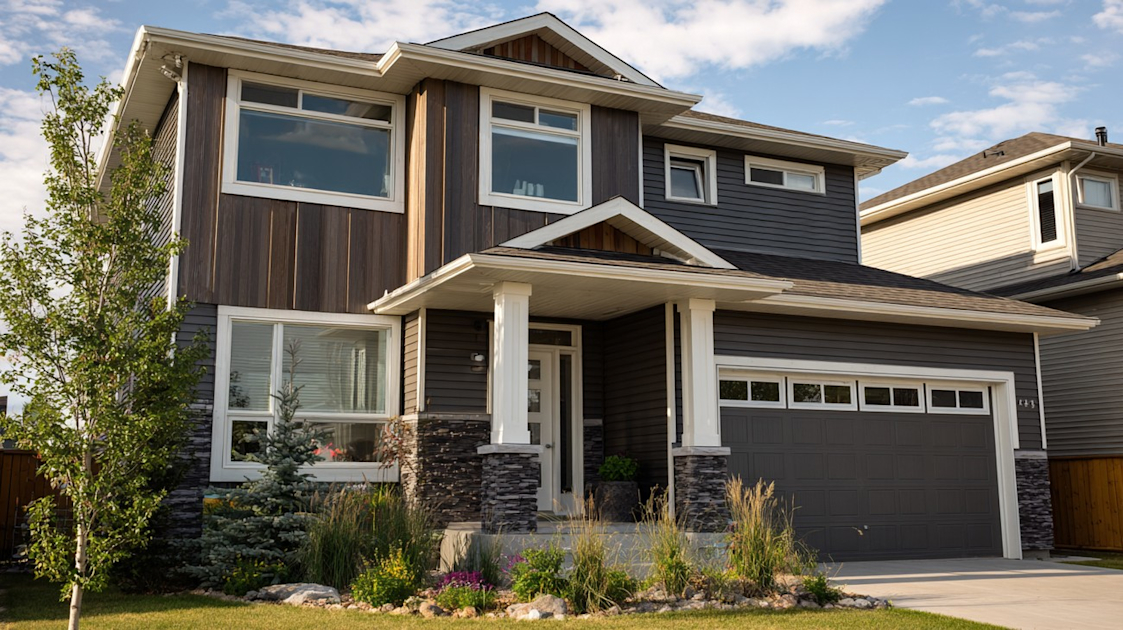


Vinyl siding is a popular choice for homeowners seeking a durable, cost-effective, and aesthetically pleasing option for their house exteriors. Understanding the cost factors involved in vinyl siding can help you make informed decisions while planning your home improvement projects. This comprehensive guide delves into the detailed aspects of vinyl siding costs, providing you with essential insights for budgeting efficiently.
What is Vinyl Siding?
Vinyl siding is a type of plastic exterior cladding used for weatherproofing and decorating a building's exterior. It is primarily made from PVC (polyvinyl chloride) resin, which contributes to its durability and low-maintenance features. Available in a variety of colors, styles, and textures, vinyl siding can mimic the appearance of wood, stone, or other conventional materials, offering versatility and uniqueness to each project.
Key Factors Affecting Vinyl Siding Costs
When considering the cost of vinyl siding, there are several key factors to take into account. These factors significantly influence the overall expense, helping you determine the best options according to your budget.
1. Material Quality
Vinyl siding comes in different grades or qualities, ranging from economy to premium. Economy-grade vinyl is thinner and more affordable, making it a budget-friendly choice. However, premium-grade vinyl is thicker and offers better durability, which often translates into a longer lifespan.
2. Siding Thickness
The thickness of vinyl siding plays a crucial role in determining the cost. Thicker siding provides better insulation and increased resistance to impact and weather conditions. This means higher upfront costs but potential savings on energy and maintenance in the long run.
3. Insulation
Insulated vinyl siding incorporates a layer of foam material, enhancing its thermal performance and energy efficiency. Though more expensive than traditional non-insulated options, insulated siding can reduce energy bills by maintaining home temperatures.
4. Labor Costs
Professional installation costs contribute significantly to the overall expense of vinyl siding. Factors influencing labor costs include the complexity of the project, local labor rates, and the reputation and experience of the installation company.
5. Geographic Location
Your geographic location impacts the cost of materials and labor for vinyl siding installation. Areas with harsh weather conditions may require high-performance products, thereby increasing costs. Additionally, labor rates vary from one location to another, affecting overall pricing.
Estimating Vinyl Siding Costs
To provide you with a better understanding of potential costs, here's a breakdown of the estimated expenses associated with vinyl siding installation:
- Material Costs: $1 - $10 per square foot, depending on quality, thickness, and insulation.
- Labor Costs: $2 - $5 per square foot, varying by project complexity and location.
- Total Installation Cost: $3 - $15 per square foot, depending on previous factors.
Additional Expenses to Consider
Beyond the initial costs, several other expenses may arise during a vinyl siding project. Being aware of these can help you budget more accurately.
1. Removal of Old Siding
If your house has existing siding that needs removal, this can add to the overall expense. Removal and disposal usually cost between $1 - $2 per square foot.
2. Repairs and Preparations
Before installing new siding, you might need to repair or replace damaged areas of your home’s exterior. This could involve replacing rotten wood, fixing water damage, or making other necessary enhancements.
3. Customization and Accessories
Customized elements, such as special trims, custom colors, or unique design features, will increase costs. Additionally, the installation of accessories like shutters, soffits, and fascia should be accounted for.
Benefits of Investing in Vinyl Siding
While reviewing costs is essential, understanding the benefits of vinyl siding can justify the expense and highlight why it's a worthy investment.
- Durability: Vinyl siding is weather-resistant and can withstand harsh elements, leading to fewer repairs and replacements over time.
- Low Maintenance: It requires minimal upkeep, typically just an occasional wash with soap and water.
- Energy Efficiency: Insulated vinyl siding can enhance your home’s energy efficiency, cutting down on heating and cooling costs.
- Boosted Curb Appeal: With numerous styles and colors, vinyl siding can greatly enhance your home's exterior aesthetic.

Frequently Asked Questions about Vinyl Siding Cost
Are there different types of vinyl siding, and how do they affect the cost?
Yes, there are several types of vinyl siding, each affecting the overall cost. Traditional smooth or standard types may be less expensive, while insulated vinyl siding provides better energy efficiency but at a higher price. Woodgrain styles or designer vinyl sidings also increase costs. Moreover, thickness is a cost determinant – thicker vinyl is sturdier and offers better insulation, commanding a steeper price. Deciding on the right type involves balancing aesthetics, durability, and your budget.
How does the quality of vinyl siding influence its cost?
The quality of vinyl siding significantly influences its cost. Higher-quality sidings come with numerous benefits such as increased durability, fade resistance, and longer warranties. Premium brands usually offer siding with superior UV protection and enhanced performance in extreme weather conditions. Although premium options come with a higher upfront cost, they can lead to long-term savings with reduced maintenance and replacement needs. It's advisable to consider both immediate and future expenses when choosing the quality of your siding.
Can the season affect vinyl siding installation costs?
Seasonal effects can indeed influence the cost of installing vinyl siding. Many homeowners opt for renovations during warmer months, leading to increased demand, which can cause a rise in prices. In contrast, opting for installation during the off-peak seasons, such as late fall or winter, might result in lower labor charges due to the reduced demand. However, weather conditions during these times can complicate installation efforts. Contractors may offer discounts or more competitive rates during slower periods.
How does location affect vinyl siding costs?
Geographical location can significantly impact vinyl siding costs due to variations in labor rates and material availability. Urban areas typically experience higher labor costs due to the increased cost of living and demand for skilled workers. Conversely, rural areas might offer lower prices but could incur increased material transportation costs. Additionally, certain regions might have a limited selection of materials or contractors, affecting pricing flexibility. Always factor in location when setting your budget for vinyl siding.
Can existing siding be a factor in the cost of vinyl siding installation?
Yes, the condition and type of existing siding can affect your vinyl siding cost. If your current siding needs removal or repair before the new vinyl can be installed, this can add labor time and therefore cost. Some contractors may charge extra for removing and disposing of old siding, especially if it involves hazardous materials like asbestos. Preparing a clean, compatible surface ensures that new vinyl siding is properly installed, affecting not just costs but also long-term performance.
How much does labor contribute to the total cost of vinyl siding?
Labor is a significant portion of the total vinyl siding cost, often making up 30%-50% of the project budget. While vinyl is generally simple to install compared to other materials, factors such as the complexity of your home's architecture, the time of year, and contractor availability can influence labor costs. Skilled labor might cost more but ensures a high-quality installation that can extend the life of your siding, potentially saving money on repairs and maintenance long-term.
Are there any hidden costs associated with vinyl siding?
Indeed, there can be hidden costs when installing vinyl siding. One potential cost is the repair of underlying structural damage uncovered during installation. Also, additional trim, soffit, or veneer modifications might be needed, adding to the expense. Permits might be required by local regulations, contributing to cost. Furthermore, if new insulation is needed for better energy efficiency, its inclusion could increase the overall price. Asking your contractor for a detailed estimate can help uncover these potential hidden costs.
Does the color of vinyl siding impact its cost?
The color selection does affect vinyl siding cost primarily through manufacturing and demand factors. Popular or neutral colors might cost less due to their widespread production and availability. In contrast, custom or rare colors could require special manufacturing processes, increasing their costs. Moreover, darker shades might incur an additional charge because they often require more UV protection to prevent fading. When choosing a color, consider not only aesthetic appeal but also potential cost implications.
How do energy savings from insulated vinyl siding offset initial costs?
Insulated vinyl siding can help offset its initial higher cost through energy savings. This type of siding often features a foam backing that improves a home's thermal efficiency by reducing heat loss in winter and keeping interior temperatures stable in summer. Over time, this can significantly reduce energy bills, providing a return on your investment. Additionally, insulated siding may qualify for energy tax credits or rebates, further improving its financial appeal.
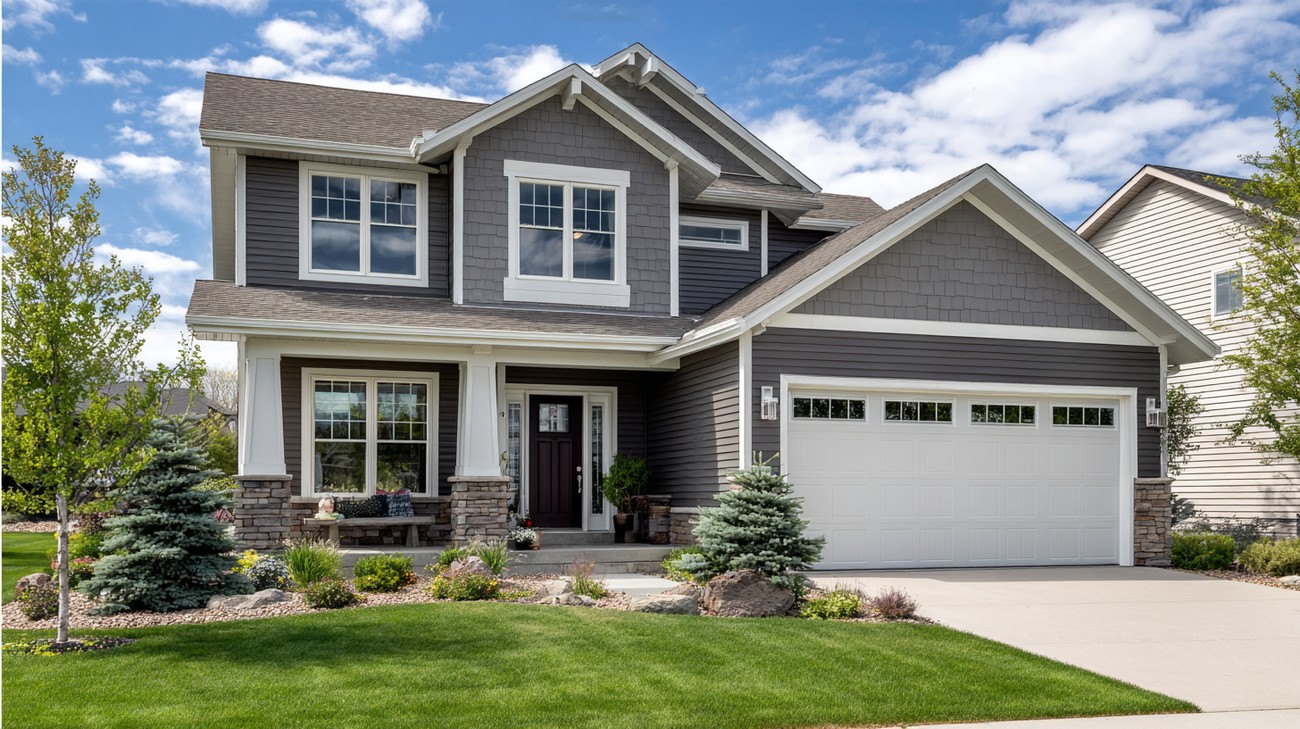
Cost Breakdown
Deciding to install vinyl siding on your home is a big decision, not just for the aesthetic and protective benefits it offers, but also for the impact it has on your wallet. Let's break down the costs involved so you can make an informed choice without stressing over unexpected expenses.
Typical Price Ranges
Vinyl siding costs can vary based on different factors, but on average, homeowners can expect to spend between $3 to $8 per square foot for materials and installation. This means if your home requires 2,000 square feet of siding, the total cost might range from a modest $6,000 to a heftier $16,000. Remember, these numbers are averages, and your total cost can swing outside these figures based on unique circumstances.
Factors That Affect Cost
Several elements can influence how much you'll end up paying for vinyl siding. Here’s what to consider:
Quality of Siding: Basic vinyl siding costs less than higher-end, insulated options. Expect higher-end materials to reach the top of the price range.
Home Size and Complexity: Larger homes naturally require more materials. Complex architectural features such as gables, intricate trims, or unique shapes can also add to labor costs.
Location: Labor costs vary by region due to differences in cost of living and demand. Urban areas might see higher labor rates than rural locations.
Installation: Whether you choose professional installation or go the DIY route significantly impacts costs. Professional installation provides expertise and often comes with guarantees but at a higher cost.
Cost Comparison: Budget vs Premium Options
If you’re weighing your options between budget-friendly and premium siding, consider these differences:
Budget Options: Basic, non-insulated vinyl siding, typically priced at around $3 to $4 per square foot, is perfect for those looking to refresh a home’s look without breaking the bank. It’s durable enough for most situations but lacks some of the benefits of higher-tier products.
Premium Options: High-end choices like insulated vinyl or designer styles can cost up to $8 or more per square foot. While more expensive, they offer better insulation, energy savings, and often carry longer warranties. They can also mimic the appearance of wood or other materials, giving your home a high-end look.
Hidden Costs to Consider
Don’t forget about additional expenses that might not be evident initially:
Removal of Old Siding: If your home already has siding, tearing it off and disposing of it can add a couple of thousand dollars to your project.
Repairs: Any damage found beneath your old siding, such as rotting wood or structural issues, needs fixing before new siding goes up, which can ramp up costs.
Permits and Inspections: Your local government may require permits, costing anywhere from $100 to $500.
Ways to Save Money
Time it Right: Contractors are often less busy in late fall or early spring, and you might negotiate lower rates during these off-peak seasons.
Bulk Purchases: Buying materials in larger quantities can sometimes earn you a discount. Check with suppliers for bulk pricing.
Negotiate: Don’t shy away from negotiating with contractors. Many are willing to offer price breaks or discounts, especially for larger projects.
DIY Installation: If you have the skills and tools, installing vinyl siding yourself can save on labor costs. However, this is only advisable if you're confident in your craftsmanship.
By understanding these aspects, you can better prepare financially for your vinyl siding project, ensuring it aligns with your budget and expectations.
The information provided here is intended for general reference and should not be considered professional advice. Before starting any project, consult a licensed contractor. Product features, specifications, and warranties may have been updated since this was published. Any mention of brands or products reflects personal opinion and does not constitute an endorsement or warranty.