
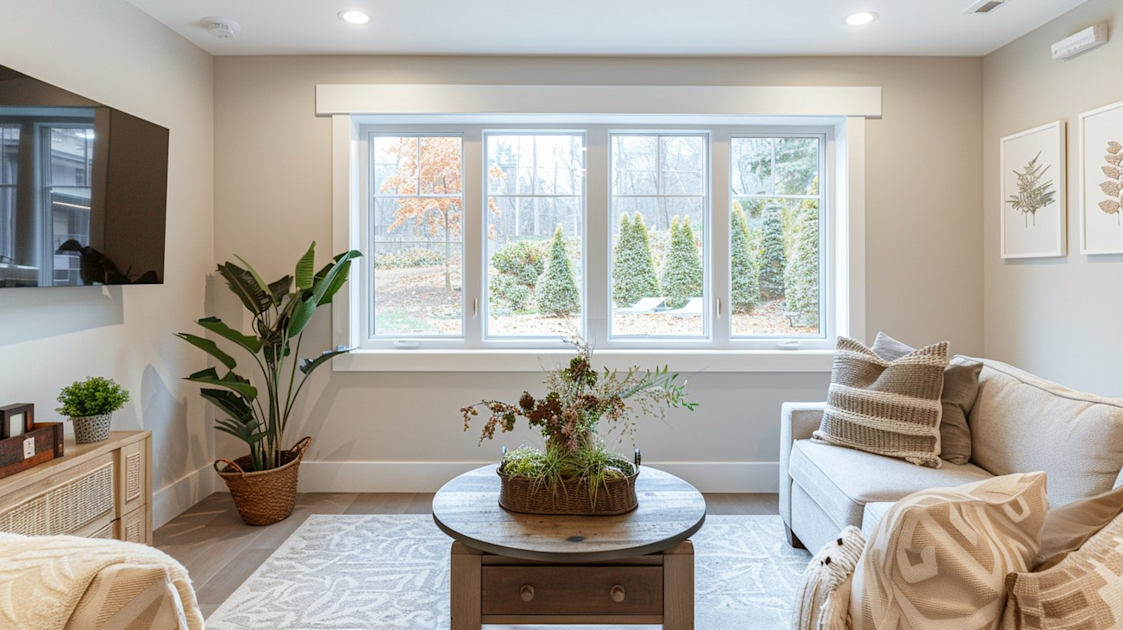


In the world of home improvement and safety, egress windows play a critical role. They are not only a valuable addition to basements and below-ground rooms but also a regulatory necessity in many areas. This comprehensive guide will walk you through the essential egress window requirements, ensuring you’re equipped with the knowledge needed for proper installation and compliance with local building codes.
What is an Egress Window?
An egress window is a window large enough to allow entry or exit in an emergency. It serves as an escape route during emergencies such as fires and provides natural light and ventilation to lower levels, typically basements. Understanding and adhering to egress window requirements is crucial for the safety and functionality of your home.
Why Egress Windows Matter
Safety cannot be overstated when talking about egress windows. In emergency situations, every second counts, and having a properly installed egress window can make a life-saving difference. They also:
- Enhance Home Value: Homes with finished basements that include egress windows are generally valued higher.
- Provide Comfort: They allow natural light and air to flow into otherwise dark and musty spaces.
- Ensure Legal Compliance: Many municipalities require them for bedroom areas, especially below ground.
Egress Window Size Specifications
Width and Height
The window opening must be large enough for a person to easily escape or for a firefighter to enter while wearing full gear. The International Residential Code (IRC) specifies that:
- The total openable area must be at least 5.7 square feet.
- Minimum width of the opening: 20 inches.
- Minimum height of the opening: 24 inches.
Net Clear Opening
The net clear opening is the actual usable space available when the window is fully opened. The IRC mandates specific dimensions to ensure this:
- Exit openings with a sill height below grade (below the basement floor) can have a reduced net clear opening of 5 square feet. This exception is primarily for windows that open into a window well.
Egress Window Well Requirements
If your egress window is below grade, you'll need a window well to provide a clear escape route. Key window well specifications include:
- Depth: Ensure the depth allows the window to open fully, often needing at least 9 inches to 12 inches of clearance from the window glass.
- Ladder Requirement: If window well depth exceeds 44 inches, a permanent ladder or steps must be installed. This ladder should not obstruct the window opening or the escape route.
- Horizontal Area: A minimum horizontal area of 9 square feet, with a width and length summing to at least 36 inches. This space allows occupants to move freely to escape.
Local Building Codes and Compliance
Building codes can vary dramatically depending on your location. It is essential to:
- Consult local building codes and guidelines.
- Obtain necessary permits before installation.
- Work with certified professionals who are familiar with local standards.
Meeting these codes not only ensures safety but also prevents potential legal issues when selling your home.
Choosing the Right Type of Egress Window
Depending on your home's style and your personal preferences, there are several types of egress windows you might consider:
- Casement Windows: Known for their ease of use and their ability to fully swing open, providing maximum clearance.
- Sliding Windows: These offer a more traditional look and are great for narrow opening spaces.
- Double-Hung Windows: Typically used above ground, they can be utilized if they meet the size requirements. They feature two operable sashes that move up and down.
- Awning Windows: Ideal for spaces where horizontal clearance is limited, although not commonly used for egress due to size restrictions.
Installation Tips for Egress Windows
Proper egress window installation is paramount to ensure they function as expected in emergencies, and they comply with codes. Here are some tips:
- Hire a Professional: Working with experienced installers ensures compliance with all regulations.
- Check for Water Management Solutions: Since egress windows are often below grade, water ingress can be an issue. Consider drainage solutions like gravel beds or drain tiles.
- Material Choice: Opt for weather-resistant materials that enhance longevity and maintenance ease. Vinyl is popular for its durability and lower maintenance needs.
- Regular Maintenance: Keep the window and well clear of debris and test the functionality regularly to ensure easy operation.
Enhancing the Aesthetic Appeal
While functionality is paramount, there's no reason egress windows can't also be attractive. Consider incorporating:
- Decorative Wells or Covers: Enhance the appearance of window wells with materials such as stone or composite overlays.
- Landscaping: Integrate your egress windows into your landscape design with plants or rock gardens.
Egress Window Requirements: Frequently Asked Questions
What are egress windows, and why are they important?
Egress windows are large openings that provide an emergency exit in case of a fire or other emergencies. They are essential because they offer a safe exit route if doorways are blocked and provide ventilation and natural light to basement areas. Building codes require egress windows in specific rooms like bedrooms and basements to ensure occupants' safety.
How does an egress window differ from a regular window?
An egress window is designed specifically to serve as an emergency escape route, which means it has to meet specific size and operability standards set by local building codes. Unlike regular windows, egress windows must open fully without obstructions, providing a clear path for escape. This difference ensures quick and safe exit during emergencies, unlike standard windows, which might be too small or not easily accessible.
What are the general size requirements for an egress window?
The size requirements for egress windows can vary depending on local building codes, but there are general guidelines. Typically, an egress window should be at least 24 inches high and at least 20 inches wide. Additionally, the opening should have a minimum net clear area of 5.7 square feet. These dimensions ensure that individuals can safely pass through the window during an emergency.
Do basement egress windows have special requirements?
Yes, basement egress windows often have additional requirements. Apart from meeting standard size requirements, they must also have a window well if they are below ground level. The window well must allow the window to open fully, and if deeper than 44 inches, it needs a permanent ladder or steps. These regulations ensure safe egress and are a crucial consideration when installing basement windows.
Can any window be converted into an egress window?
Not all windows can be converted into egress windows due to specific size and opening requirements. To convert a window, it must meet the minimum dimensions of an egress window and have a full, unobstructed opening. Structural changes might be necessary to meet these requirements, such as enlarging the opening or modifying adjacent structural elements. Consulting with a professional can help determine if conversion is feasible.
Are there exceptions to egress window requirements in older homes?
Egress window requirements can sometimes have exceptions in older homes, but this largely depends on local codes and regulations. Often, older homes may not be required to retroactively meet current standards unless major renovations are being made to the building. However, for safety, it's typically advised to update older homes to meet current egress requirements whenever possible, providing enhanced safety for occupants.
How often do building codes for egress windows change?
Building codes for egress windows can change based on updates to safety standards, technology advancements, or new findings in fire safety research. It's vital to check with your local building authority or a professional contractor to get the most current standards. Keeping up-to-date with any changes ensures that your property maintains compliance and maximizes safety for its occupants.
Can egress windows add value to a home?
Yes, egress windows can enhance a home's value significantly. They look attractive, provide natural light to otherwise dim areas, and ensure legal compliance for habitable rooms. Prospective buyers and appraisers often regard homes with updated egress windows favorably, knowing they meet safety standards and are suitable living spaces. Consequently, they can be a worthwhile investment in improving a property's appeal and marketability.
Are egress windows required for all bedrooms?
In modern homes, building codes require egress windows for all bedrooms to ensure a secondary escape route in emergencies. This requirement is not just for basement bedrooms but applies to upper floors as well. Having a compliant egress window in each bedroom can significantly increase safety and aligns with current regulations for residential safety standards.
What materials are typically used for egress windows?
Egress windows use a variety of materials to offer durability, strength, and aesthetic appeal. Common materials include vinyl, wood, aluminum, and fiberglass. Vinyl egress windows are particularly popular due to their low maintenance and cost-effectiveness. Wood offers a traditional look, while aluminum provides robustness and longevity. The choice often depends on the climate, design preferences, and budget considerations.
How do I install an egress window in my basement?
Installing an egress window in a basement involves several critical steps, requiring professional assessment and workmanship. First, the area must be excavated to make space for the window well. After measuring and cutting the opening, the window is installed with care to ensure proper sealing and water drainage. It's essential to comply with local building codes throughout the process, which often necessitates permits and inspections. Consulting a contractor experienced in egress window installations is highly recommended to achieve a safe and compliant outcome.
Standards & Regulations
Relevant Building Codes
In the United States, the International Residential Code (IRC) serves as a model code that many jurisdictions adopt, with specific amendments tailored to local needs. According to IRC Section R310, egress windows in sleeping rooms or basements must have a minimum net clear opening of 5.7 square feet—except for windows located at ground level, which can be a minimum of 5 square feet. The window opening height must be at least 24 inches, and the width no less than 20 inches. Additionally, the bottom of the egress window opening cannot exceed 44 inches from the floor.
Legal Requirements
Legally, installing an egress window often requires obtaining local building permits. Depending on the jurisdiction, failing to secure these permits can lead to fines or being forced to reverse non-compliant work. It's essential to consult with the local building department or a certified contractor familiar with the mandates in your area to ensure compliance with all legal requirements. In Canada, the National Building Code (NBC) 2015 outlines similar requirements, and provincial regulations might further define specifics.
Industry Standards
Industry standards are another lens to view egress window requirements. The American Society for Testing and Materials (ASTM) has standards, such as ASTM E1996 for windows, concerning the building material's resilience, and resistance to impact, which can be critical for egress windows required to enhance safety during emergencies. These standards often dictate the quality of products used, ensuring they are up to par with safety and performance expectations.
Permit Requirements
Securing a building permit is generally a prerequisite before commencing work on egress window installation. The process typically involves submitting plans and specifications that demonstrate compliance with local building codes and standards. Some jurisdictions might require inspections during and after construction, ensuring the work has been completed correctly and safely. Usually, the local building department offers guidelines and resources to simplify permit acquisition.
Compliance Considerations
Compliance isn't limited to initial construction—it also means ensuring that egress windows are maintained and function correctly over their lifespan. Homeowners should perform regular checks to verify that windows open smoothly and effortlessly and that wells and ladders (if applicable) remain free of obstructions. It's crucial to keep documentation of compliance and inspections, as they may be required in property transactions or insurance assessments.
Warranty/Insurance Implications
Installing an egress window that meets the current regulatory standards can potentially impact your home insurance premiums favorably, as it enhances the overall safety of the home. Some insurance companies may offer discounts for homes with safety features like egress windows, yet they'll often require proof of compliance and installation by a licensed professional. Additionally, warranties for the products used are typically contingent on proper installation and adherence to building codes—underscoring the importance of working with experienced, knowledgeable contractors.
Final Thoughts
Understanding egress window requirements is crucial for ensuring the safety and comfort of your home, particularly in areas like Bay Area, CA. These regulations not only help provide a means of exit during emergencies but also signal to potential buyers that your home meets essential safety standards. As we discussed, it’s important to plan for proper sizing, placement, and accessibility to ensure compliance and peace of mind.
If you have any questions about how to meet these requirements or need assistance with installation, don't hesitate to reach out to us at Bay Area Siding Company. We’re here to serve homeowners in Bay Area, CA, and can help guide you through the process, ensuring that your home is safe and up to code. Schedule a consultation with us today, and let’s make your home as safe and welcoming as possible!
The information provided here is intended for general reference and should not be considered professional advice. Before starting any project, consult a licensed contractor. Product features, specifications, and warranties may have been updated since this was published. Any mention of brands or products reflects personal opinion and does not constitute an endorsement or warranty.