Family Owned & Operated
Licensed & Certified
Free Estimates


Bay Area Mobile Home Siding
Experience top-tier Mobile Home Siding with Bay Area Siding Company. We carry a diverse range of styles and options, ensuring a look that complements your home perfectly.


Get Started Today & Save Up to $1,500!
Request Free Pricing Today for Your Exterior Renovation Needs!


Mobile & Manufactured Home Siding in the Bay Area
A manufactured home isn't a small stick-built house, so its walls, attachment points and permitting path need their own approach.
Bay Area Siding Company re-sides manufactured and mobile homes across the Bay Area, from coastal parks to hot inland valleys. We start by learning how your home was built, then recommend a material and detailing plan that suits those walls. We don't start from a product we'd like to sell.
Planning to re-side a manufactured home? Request an estimate and we'll look at the walls first.
Call (415) 619-5167How mobile-home siding differs from a site-built house
Most manufactured homes built since mid-1976 were built in a factory to the federal HUD code, not to the California Building Code that governs a site-built house. Wall framing, sheathing and how the original siding was attached all follow factory practice, and that practice has changed over the decades. On many older units, the original cladding is lap metal or an early vinyl. That cladding is often fastened over a thinner substrate than you'd find on a comparable site-built wall. Newer homes vary widely by manufacturer and model. The honest answer to "what's under my siding?" is that we confirm it on site before we price or specify anything.
That matters because siding is only as good as what it's fastened to. When older siding comes off, a common finding is a substrate that is serviceable in most areas but softened near the bottom edge, around window corners, or where the roof meets the wall. The water-resistive barrier (WRB) behind it may be patchy, brittle or missing in spots. Window flashing on factory-built walls is often minimal compared with current field practice. None of this is unusual, and none of it is a reason to panic. Each of these conditions just has to be found and corrected before new cladding goes on.
Weight and fastening are the other big differences. Vinyl is light and flexible, which is part of why it has long been the default on manufactured homes. Fiber cement and engineered wood are heavier and need solid fastening into structure at manufacturer-specified spacing. On a manufactured home, we check whether the wall framing and substrate can accept that fastening pattern before recommending them. Trim, skirting, and the transition where the wall meets the skirting also deserve attention. That joint is a place where water and pests can get in if it isn't detailed carefully.
Finally, the permitting path can be different. In California, the enforcement agency for manufactured homes, especially those in mobilehome parks, is often the state Department of Housing and Community Development (HCD) rather than the city or county building department. Some local agencies have taken over that role. We confirm which agency has jurisdiction, and what it requires, at permit time.
Questions to settle before you re-side
Vinyl suits budget-conscious projects where low maintenance and lower upfront cost matter. It's also light, which keeps demands on the wall modest, and it's forgiving of slight wall irregularities. Fiber cement offers a noncombustible board, strong paint-holding and a more substantial look. The trade-off is added weight and more demanding fastening and handling. Engineered wood such as LP SmartSide is another option: it's lighter than fiber cement, gives a real-wood appearance, resists impact well and is easy to work. Which one fits depends on your walls, your budget and your park or HOA rules.
Often, yes. Many mobilehome parks and manufactured-home communities have rules on exterior materials, colors and even skirting. It's worth checking your park rules or asking management before choosing a product, and we're glad to help you put together the information they ask for.
If your windows are original or leaking, replacing them while the walls are open lets new flashing tie properly into the new WRB. That is harder to do well after the siding is on. Manufactured-home windows often come in specific sizes and mounting styles, so we confirm what fits before ordering. Re-skirting at the same time gives a cleaner transition at the base of the wall.
Some Bay Area parks and rural parcels sit in areas mapped on Cal Fire's fire hazard severity zone maps. In those areas, ignition-resistant requirements can apply to exterior wall coverings and certain openings and vents. We check the maps and confirm the specifics with the enforcing agency, since that can shape the material choice.
What shapes the cost of re-siding a manufactured home
- Material choice. Vinyl, engineered wood and fiber cement differ in product cost, labor and trim requirements.
- Substrate and WRB condition. Softened substrate, missing barrier or poor flashing found at tear-off adds correction work.
- Home size and configuration. Single-, double- or triple-section homes, plus add-ons like porches, carports and awnings that tie into the walls, all affect scope.
- Windows, doors and skirting. Bundling these adds scope but avoids reopening the walls later.
- Old siding removal. Removing and disposing of metal or older vinyl cladding, and the condition it's in, is part of the scope.
- Permitting and fire-zone requirements. The enforcing agency and any ignition-resistant requirements affect materials and paperwork.
Our installation process
- Consultation and wall assessment. We walk the home, check park or HOA rules with you, look at how the existing siding is attached, and discuss materials that suit the construction.
- Permitting. We confirm whether HCD or the local building department has jurisdiction, check Cal Fire hazard mapping, and file for the required approvals.
- Careful removal. We remove the existing siding and trim down to the sheathing/substrate, protecting windows, utilities and landscaping as we go.
- Inspect substrate, WRB and flashing. We check the substrate for soft or damaged areas and assess the WRB. We also look closely at flashing at windows, doors, roof-to-wall joints and the base of the wall.
- Corrections and repairs. We replace deteriorated substrate sections and review any additional repairs with you before proceeding, so the scope stays clear.
- New WRB and flashing detailing. The new barrier is installed shingle-fashion so water sheds outward. Window and door flashing is integrated into it, and the wall-to-skirting transition is detailed to shed water.
- Installation to manufacturer spec, then walkthrough. We fasten and gap the cladding per the manufacturer's instructions (for example, vinyl hung loose enough to expand and contract) and finish trim and skirting. Then we walk the job with you.
Why homeowners choose Bay Area Siding Company
Manufactured homes need a contractor who looks at the wall before recommending the cladding. That's how we work.
We treat the substrate, WRB and flashing as the real job, with the siding as the finish over a sound wall.
If vinyl is the right fit for your walls and budget, we'll say so. The same goes for fiber cement or engineered wood, and each gets a clear, written scope.
We're based in Larkspur, serve the Bay Area, and you can reach us directly at (415) 619-5167.
Other services we offer
Learn more about the materials and services that often come up on manufactured-home projects.
Mobile Home Siding FAQ
Can you install new siding over my old metal siding?
Covering old siding hides whatever is going on underneath, including damaged substrate or missing WRB. It can also create fastening and flashing problems. We generally recommend removal so the wall can be inspected and properly prepared, and we'll explain our reasoning for your specific home.
Is fiber cement too heavy for a manufactured home?
Not automatically. It depends on the wall framing, the substrate and whether the manufacturer's fastening requirements can be met. We assess this on site, and if the walls aren't a good match, we'll say so and discuss lighter options.
Does coastal or inland Bay Area weather change the recommendation?
It can. Near the coast, marine-layer moisture and salt air put a premium on careful WRB and flashing work and on corrosion-appropriate fasteners and trim. Inland, strong sun and heat make UV fade and vinyl's thermal movement more important, so color choice and correct fastening matter more there.
Who issues the permit for a manufactured home re-side?
For many manufactured homes, particularly in mobilehome parks, the enforcing agency is California's HCD. In some areas the local building department handles it. We confirm which agency applies and its current requirements when we pull the permit.
Ready to talk through siding options for your manufactured home? Schedule a consultation with our team.
Call (415) 619-5167
*Offer expires September 30, 2026
Try Our 3D Home Design Visualizer!
Excited to explore new possibilities for your home? Snap a photo to kickstart your journey with our online design tool or get inspired by our sample homes.
Start Designing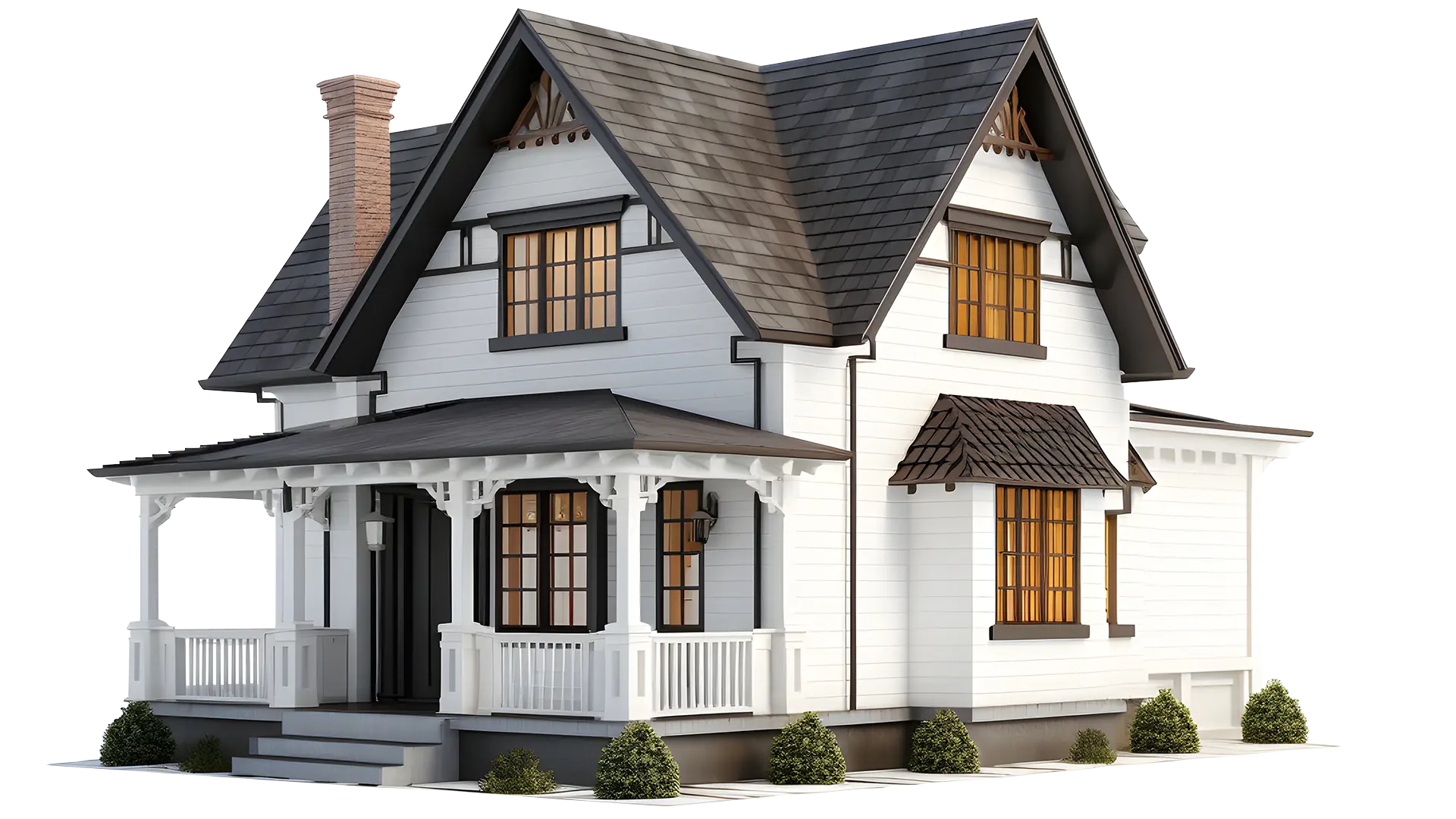
Why Choose Us?
Top Rated Siding & Window Experts
- FREE, Detailed Estimates
Receive clear, detailed quotes on-site, with no hidden fees.
- Fire Resistant Products
Enjoy peace of mind with quality materials like James Hardie siding and Anlin Windows.
- Local, Family-Owned Company
Decades of unparalleled expertise. No subcontractors!
- Licensed, Certified & Insured
We are fully licensed and certified, guaranteeing top-notch craftsmanship.
- Old-school Professionalism
Thorough cleanup and dependable follow-through with every siding and window project.


Essential Soffit Repair Tips for Homeowners
February 14th, 2026 by Daniel

Understanding Soffit Vents: Essential for Your Home
February 5th, 2026 by Daniel

Understanding California Title 24 Compliance Requirements
November 28th, 2025 by Daniel

OSB Sheathing: A Comprehensive Guide and Benefits
June 23rd, 2025 by Eugene Hampton

Vinyl Shingle Siding: A Comprehensive Guide
May 5th, 2025 by Eugene Hampton

Everything You Need to Know About Vertical Vinyl Siding
March 10th, 2025 by Eugene Hampton


Enhance Your Mobile Home's Appeal with Bay Area Siding
Learn more about Mobile Home Siding and how we can help. Contact us today!
Get StartedWhy Us
- Free Quotes, Competitive Pricing
- On-Time Service
- Local, Family-Owned & Operated
- Reliable, Experienced, Certified
- Licensed & Certified
- Elite Preferred Contractor
- Family Owned & Operated
Replacement Windows
© 2026 Bay Area Siding Company, Inc. All Rights Reserved.Full-Service Siding & Window Experts in Bay Area. Bay Area Siding Company rated 5 / 5 based on 150 reviews.