Family Owned & Operated
Licensed & Certified
Free Estimates


San Rafael James Hardie Siding
Let Bay Area Siding Company enhance your San Rafael home with James Hardie Siding. Our selection guarantees superior durability, stunning aesthetics, and weather resistance.


Schedule Your Consultation Today & Save Up to $1,500!
Request Free Pricing Today for Your Exterior Renovation Needs!


Re-siding San Rafael homes
San Rafael is Marin's largest city and its county seat. It has no single typical house. Terra Linda has mid-century Eichler tracts. Gerstle Park and the blocks around downtown hold older homes. Sun Valley and the neighborhoods climbing the hills have wooded lots and hillside houses. Newer infill sits between them. Each of these homes wears different siding and ages differently, and each raises its own questions when you re-side with James Hardie fiber cement.
Bay Area Siding Company works out of Larkspur, a short drive down the 101. We install James Hardie on San Rafael homes of every era. We start every job by asking three things:
- What is the house?
- What is the lot exposed to?
- Which agency issues the permit?
That last question matters here. Addresses inside city limits go through the City of San Rafael Building Division. Many homes with a San Rafael mailing address, such as parts of Lucas Valley, Marinwood, and Santa Venetia, are actually in unincorporated Marin. Those permits run through the Marin County Community Development Agency. We confirm the correct jurisdiction before anything else is scoped.
Considering fiber cement for your home? Request an estimate or call (415) 619-5167.
Marin climate & hillside fire zones
San Rafael's weather is marine-moderated. Winters are wet and mild, and summers are dry. Morning fog reaches some neighborhoods, while inland pockets and south-facing slopes get real afternoon sun. None of that is extreme, but it has predictable effects on cladding:
- Shaded, north-facing walls under tree cover dry slowly after winter rain. That slow drying is where wood siding and trim tend to soften first.
- Sun-facing elevations take the most UV. Field-applied paint breaks down fastest there.
Fire exposure is the bigger variable, and it depends on the parcel. Under SB 63, the state's 2025 Fire Hazard Severity Zone update mapped Moderate, High, and Very High zones in Local Responsibility Areas, including in San Rafael. The City has noted that these maps largely track its existing Wildland-Urban Interface boundaries, which already carried building requirements. San Rafael also enforces vegetation management standards citywide.
Where a designation applies, California Building Code Chapter 7A governs specific exterior assemblies and openings. These include exterior wall coverings, eaves and soffits, vents, and windows. It does not blanket the whole house. Whether it reaches your project depends on:
- your parcel's designation, and
- the scope of work.
We check your address against Cal Fire's mapping and confirm the requirements with the permitting authority before we specify anything.
Why James Hardie holds up in Marin
Fiber cement is made from cement, sand, and cellulose fibers. That composition drives the benefits that matter on San Rafael houses.
- Noncombustible. James Hardie siding won't ignite or add fuel to a fire. On a hillside parcel in a mapped zone, that makes it one of the recognized cladding options for Chapter 7A wall requirements. It does not make the whole assembly compliant by itself; trim, soffits, and vents still have to be detailed correctly.
- Moisture, rot, and pest resistance. On shaded lots where wood stays damp for weeks, fiber cement doesn't rot or feed insects the way organic siding can. It still needs a correctly flashed wall behind it, because no cladding substitutes for the water-resistive barrier.
- Dimensional stability and paint adhesion. Fiber cement stays flat and holds a finish well. James Hardie builds products to regional specs. California falls under the HZ10 line, engineered for our mix of sun, dry spells, and seasonal moisture.
- Factory finish option. ColorPlus is a baked-on factory finish carrying a 15-year limited finish warranty. The boards themselves carry a transferable 30-year non-prorated substrate limited warranty. Both warranties depend on installation to James Hardie's specifications.
- Profiles that fit the housing stock. HardiePlank lap siding suits traditional and early-20th-century homes. Vertical HardiePanel, including board-and-batten looks, can echo the vertical-grooved lines of Terra Linda's mid-century homes. HardieShingle and HardieTrim fill in details.
The honest trade-off is weight. Fiber cement is heavier than vinyl or engineered wood. It has to be cut with dust control, handled carefully, and fastened to the manufacturer's schedule. It rewards skilled installation and punishes shortcuts.
Tear-off & what it reveals (WRB/flashing)
A proper re-side removes the old cladding down to the sheathing or substrate. It does not remove the framing. That exposes the water-resistive barrier and flashing so they can be inspected and corrected. Framing only comes into play if the sheathing itself has failed and has to be replaced, which is a larger scope.
A common finding when older siding comes off a Marin home is that the barrier behind it has degraded or was never lapped correctly. Typical problems include:
- window and door flashing that directs water behind the siding instead of out
- deteriorated building paper at wall bases and deck ledgers
- localized sheathing damage at old leaks
Hillside homes deserve a close look where walls meet grade, retaining walls, or roof lines, because runoff concentrates there.
Once repairs are made, the rest of the process follows in order:
- A continuous WRB goes on.
- Every opening, penetration, and transition is flashed shingle-style, so water always laps outward.
- The Hardie goes up with the required clearances to ground, roofing, decks, and hardscape.
- Joints and fasteners are placed per James Hardie's instructions.
On a parcel where Chapter 7A applies, the trim, soffit, and vent details get the same attention as the field siding.
If you're replacing windows at the same time, doing both together makes for cleaner flashing integration. See our San Rafael window replacement page.
Hardie vs. wood & vinyl (fair comparison)
Fiber cement isn't the right answer for every San Rafael house. Here is how the three most common choices compare.
Natural wood (cedar, redwood).
- Strengths: Nothing matches its grain and warmth. It is renewable and can be repaired board by board, which matters on older homes where matching original profiles is the priority.
- Trade-offs: It needs regular painting or staining. It is vulnerable to rot on damp, shaded walls, and it is combustible.
- Fire-zone parcels: Some wood products and assemblies are tested for ignition resistance and may be acceptable. That path needs to be confirmed with the permitting authority. See wood siding.
Vinyl.
- Strengths: It is the most budget-friendly option. It never needs repainting, comes in a wide range of colors and profiles, and insulated versions add rigidity.
- Trade-offs: It can distort under intense or reflected heat, and it reads less premium than wood or fiber cement. It is not a noncombustible product, which usually takes it off the table where Chapter 7A wall requirements apply.
- Unmapped parcels: On a flatland lot with no designation, vinyl is a legitimate, economical choice. See vinyl siding.
James Hardie fiber cement.
- Strengths: It combines a painted-wood look with noncombustibility, rot resistance, and a long-lived finish.
- Trade-offs: It costs more than vinyl and requires heavier, more exacting installation.
If you're still weighing the whole re-side decision, our San Rafael siding replacement page covers every material we install, including LP SmartSide and other fiber cement brands.
Cost drivers
We don't publish prices, because San Rafael houses vary too much for a number to mean anything. These are the factors that move the cost of a James Hardie project:
- Size and access. Wall area and number of stories set the baseline. Steep hillside lots, tight side yards, and long carries add staging and labor.
- Tear-off and disposal. Removing and hauling the old siding is part of every re-side. Older homes may have lead-based paint or asbestos-cement siding, which changes how removal is handled and can require testing first.
- Substrate and flashing repairs. Sheathing, barrier, and flashing problems found at tear-off are addressed before new siding goes on.
- Product and finish. Profile choice (lap, panel, shingle), trim and soffit scope, and ColorPlus versus field painting.
- Code scope. Permit requirements, and Chapter 7A detailing where your parcel is mapped.
FAQ + next steps
Does San Rafael require a permit for James Hardie siding? A full re-side generally requires a building permit. If you're inside city limits, it goes through the City of San Rafael Building Division. If your "San Rafael" address is in unincorporated Marin, it goes through the Marin County Community Development Agency. We confirm which one applies and handle the process.
How do I know if my San Rafael home is in a fire hazard zone? Check your address against Cal Fire's Fire Hazard Severity Zone maps and the City's WUI mapping. We do this as part of scoping and confirm any Chapter 7A requirements for your specific project with the permitting authority.
Can Hardie work on a Terra Linda Eichler? Often, yes. Vertical HardiePanel profiles can carry the clean vertical lines many mid-century homes are known for. We'll talk through profile, reveal, and trim so the result respects the architecture rather than fighting it.
Is ColorPlus worth it over painting on site? ColorPlus is a factory-applied finish with its own 15-year limited warranty, and it reduces future repainting. Field painting offers unlimited color choice and is easy to touch up. Both are sound. The right choice depends on your color goals and maintenance plans.
Next steps: Browse finished exteriors in our project gallery, see our full Marin County service area, or start with the James Hardie siding hub.
Ready to talk through your San Rafael re-side? Call Bay Area Siding Company at (415) 619-5167.
Serviced ZIP Codes: 94901, 94903, 94912, 94913, 94915
- Alamo James Hardie Siding
- Albany James Hardie Siding
- American Canyon James Hardie Siding
- Angels Camp James Hardie Siding
- Antioch James Hardie Siding
- Apple Hill James Hardie Siding
- Arnold James Hardie Siding
- Belmont James Hardie Siding
- Benicia James Hardie Siding
- Berkeley James Hardie Siding
- Blackhawk James Hardie Siding
- Bodega Bay James Hardie Siding
- Brentwood James Hardie Siding
- Burlingame James Hardie Siding
- Calistoga James Hardie Siding
- Cambrian Park James Hardie Siding
- Campbell James Hardie Siding
- Castro Valley James Hardie Siding
- Chico James Hardie Siding
- Clayton James Hardie Siding
- Clear Lake James Hardie Siding
- Concord James Hardie Siding
- Cordelia James Hardie Siding
- Corte Madera James Hardie Siding
- Cotati James Hardie Siding
- Cupertino James Hardie Siding
- Daly City James Hardie Siding
- Danville James Hardie Siding
- Discovery Bay James Hardie Siding
- Dixon James Hardie Siding
- Dublin James Hardie Siding
- East Bay James Hardie Siding
- El Cerrito James Hardie Siding
- El Sobrante James Hardie Siding
- Emeryville James Hardie Siding
- Fairfax James Hardie Siding
- Fairfield James Hardie Siding
- Foster City James Hardie Siding
- Fremont James Hardie Siding
- Galt James Hardie Siding
- Gilroy James Hardie Siding
- Grass Valley James Hardie Siding
- Half Moon Bay James Hardie Siding
- Hayward James Hardie Siding
- Hercules James Hardie Siding
- Hidden Valley Lake James Hardie Siding
- Isleton James Hardie Siding
- Jackson James Hardie Siding
- Kentfield James Hardie Siding
- Lafayette James Hardie Siding
- Lakeport James Hardie Siding
- Larkspur James Hardie Siding
- Livermore James Hardie Siding
- Los Altos James Hardie Siding
- Los Gatos James Hardie Siding
- Lower Lake James Hardie Siding
- Manteca James Hardie Siding
- Marin City James Hardie Siding
- Martinez James Hardie Siding
- Menlo Park James Hardie Siding
- Mill Valley James Hardie Siding
- Millbrae James Hardie Siding
- Milpitas James Hardie Siding
- Moraga James Hardie Siding
- Morgan Hill James Hardie Siding
- Mountain View James Hardie Siding
- Murphys James Hardie Siding
- Napa James Hardie Siding
- North Bay James Hardie Siding
- Novato James Hardie Siding
- Oakland James Hardie Siding
- Oakley James Hardie Siding
- Orinda James Hardie Siding
- Pacifica James Hardie Siding
- Palo Alto James Hardie Siding
- Paradise James Hardie Siding
- Petaluma James Hardie Siding
- Piedmont James Hardie Siding
- Pinole James Hardie Siding
- Pittsburg James Hardie Siding
- Pleasant Hill James Hardie Siding
- Pleasanton James Hardie Siding
- Pollock Pines James Hardie Siding
- Rancho Calaveras James Hardie Siding
- Redwood City James Hardie Siding
- Richmond James Hardie Siding
- Rio Vista James Hardie Siding
- Rodeo James Hardie Siding
- Rohnert Park James Hardie Siding
- Roseland James Hardie Siding
- San Andreas James Hardie Siding
- San Anselmo James Hardie Siding
- San Bruno James Hardie Siding
- San Carlos James Hardie Siding
- San Jose James Hardie Siding
- San Leandro James Hardie Siding
- San Mateo James Hardie Siding
- San Pablo James Hardie Siding
- San Rafael James Hardie Siding
- San Ramon James Hardie Siding
- Santa Clara James Hardie Siding
- Santa Cruz James Hardie Siding
- Santa Rosa James Hardie Siding
- Saratoga James Hardie Siding
- Sausalito James Hardie Siding
- Scotts Valley James Hardie Siding
- Sebastopol James Hardie Siding
- Sonoma James Hardie Siding
- South Bay James Hardie Siding
- South Lake Tahoe James Hardie Siding
- South San Francisco James Hardie Siding
- St. Helena James Hardie Siding
- Stanford James Hardie Siding
- Stockton James Hardie Siding
- Suisun City James Hardie Siding
- Sunnyvale James Hardie Siding
- Sutter Creek James Hardie Siding
- Tiburon James Hardie Siding
- Tracy James Hardie Siding
- Truckee James Hardie Siding
- Union City James Hardie Siding
- Vacaville James Hardie Siding
- Vallejo James Hardie Siding
- Valley Springs James Hardie Siding
- Walnut Creek James Hardie Siding
- Windsor James Hardie Siding
- Yountville James Hardie Siding
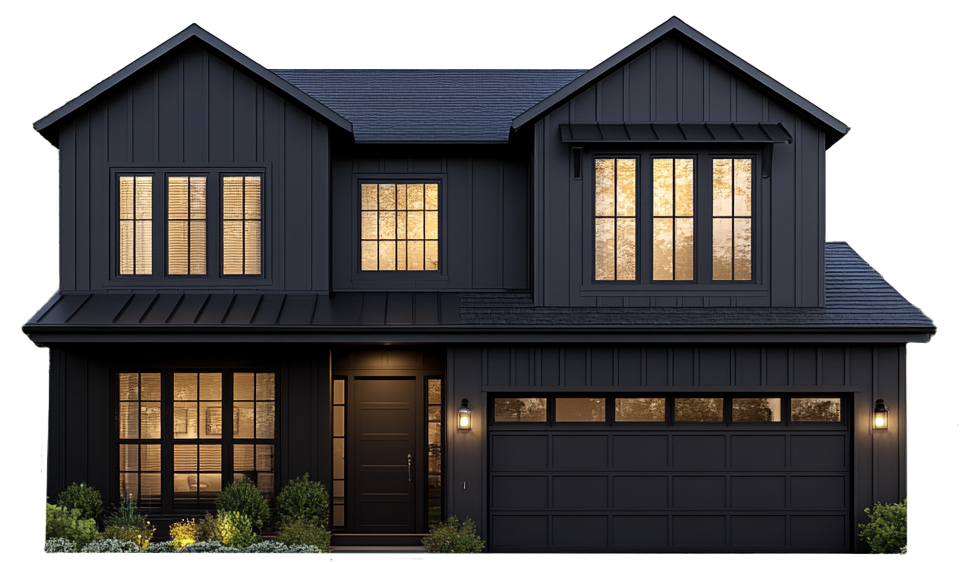
*Offer expires September 30, 2026
Try Our 3D Home Design Visualizer!
Excited to explore new possibilities for your home? Snap a photo to kickstart your journey with our online design tool or get inspired by our sample homes.
Start Designing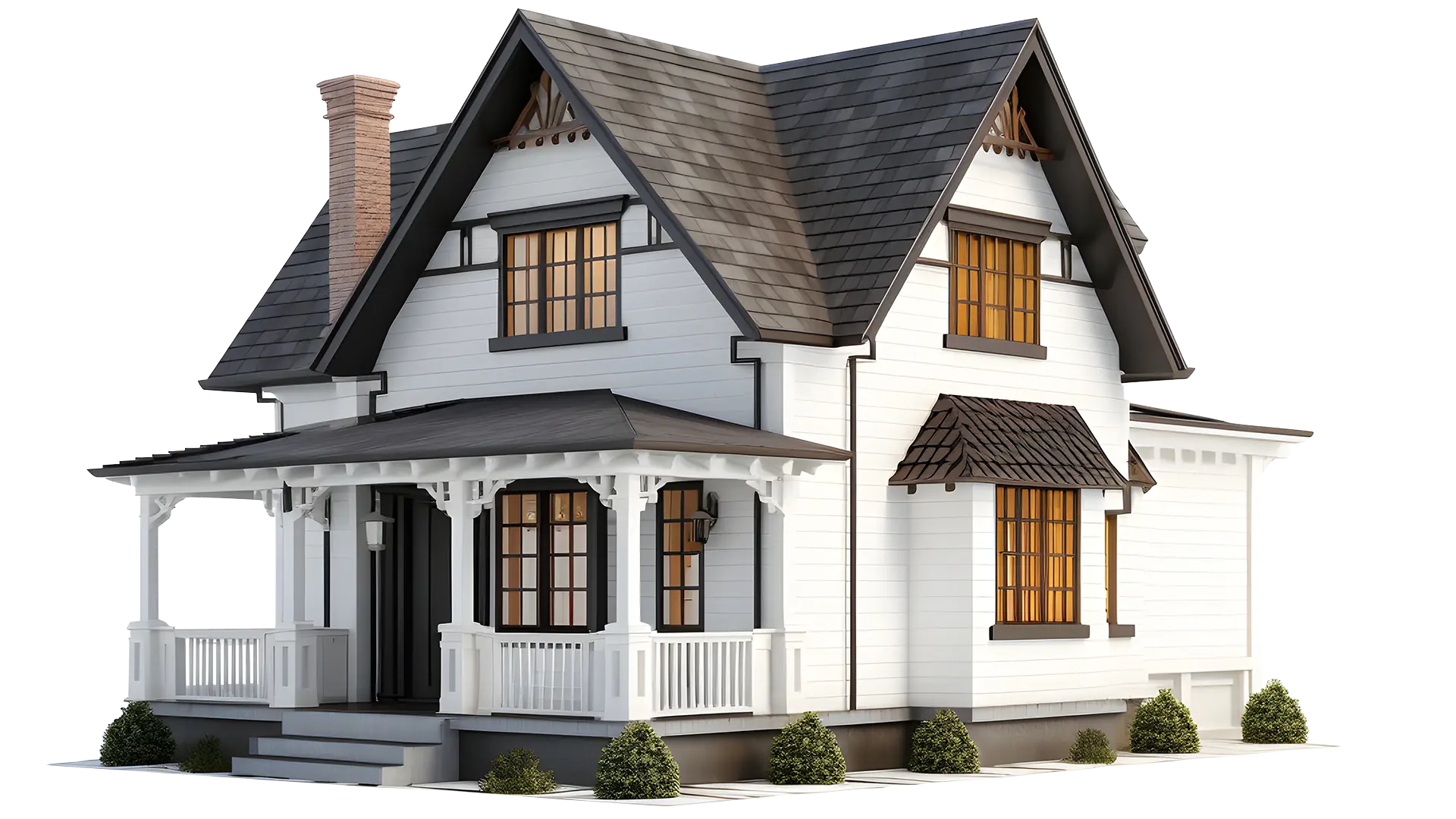
Why Choose Us?
Top Rated Siding & Window Experts
- FREE, Detailed Estimates
Receive clear, detailed quotes on-site, with no hidden fees.
- Fire Resistant Products
Enjoy peace of mind with quality materials like James Hardie siding and Anlin Windows.
- Local, Family-Owned Company
Decades of unparalleled expertise. No subcontractors!
- Licensed, Certified & Insured
We are fully licensed and certified, guaranteeing top-notch craftsmanship.
- Old-school Professionalism
Thorough cleanup and dependable follow-through with every siding and window project.


Start Transforming Your Home with San Rafael James Hardie Siding Today!
Don't wait to elevate your San Rafael home with James Hardie Siding. Reach out today for further details!
Get StartedWhy Us
- Free Quotes, Competitive Pricing
- On-Time Service
- Local, Family-Owned & Operated
- Reliable, Experienced, Certified
- Licensed & Certified
- Elite Preferred Contractor
- Family Owned & Operated
Replacement Windows
© 2026 Bay Area Siding Company, Inc. All Rights Reserved.Full-Service Siding & Window Experts in Bay Area. Bay Area Siding Company rated 5 / 5 based on 150 reviews.