Family Owned & Operated
Licensed & Certified
Free Estimates


Hayward James Hardie Siding
Let Bay Area Siding Company enhance your Hayward home with James Hardie Siding. Our selection guarantees superior durability, stunning aesthetics, and weather resistance.


Schedule Your Consultation Today & Save Up to $1,500!
Request Free Pricing Today for Your Exterior Renovation Needs!


For a lot of Hayward homeowners, James Hardie fiber cement lands where two concerns meet: keeping a foothill home defensible against wildfire, and giving an aging tract or bungalow a durable exterior that stops eating up weekends of repainting. Hardie is noncombustible, built in a California-specific line, and — installed correctly — holds up across Hayward's range, from the milder bay-side flats to the hotter, drier hillsides. This page covers where it fits in Hayward, how the local fire-zone picture shapes the decision, and what a proper installation actually involves.
Thinking about fiber cement? Request an estimate or call (415) 619-5167.
Quick answer: In Hayward's designated fire-hazard areas — largely the eastern hills and foothills — California Building Code Chapter 7A calls for exterior walls built of noncombustible or tested ignition-resistant assemblies. Fiber cement is noncombustible, which is why it's a common choice for re-sides on that side of town, where standard cedar or redwood usually isn't a fit. Whether Chapter 7A applies to your home depends on your parcel's designation and the scope of work, so confirm both before you spec.
Where the foothills change the material conversation
Hayward isn't one landscape. The eastern hills and foothills sit within a Fire Hazard Severity Zone under the Local Responsibility Area maps the state refreshed in 2025, while much of the flatter western and central city carries a lower designated hazard. That split is exactly why cladding isn't a one-size question here.
Where a fire-hazard designation applies, Chapter 7A governs the exterior wall covering — and it treats the wall as a system, not just the visible boards. Trim, soffits, and the water-resistive barrier layered behind everything are all part of compliance. Fiber cement is noncombustible and is one of the recognized compliant materials; untreated wood siding generally is not. None of that is automatic, though: the specific requirement still turns on the product, the assembly, your parcel's designation, and the scope, which is why the honest first move is to confirm your address rather than guess from a map.
Keeping the house's character while hardening it
The tension for a hillside Hayward homeowner is usually keeping a home that reads right for the neighborhood while making it genuinely more fire-resilient. Fiber cement is one of the few materials that does both — a noncombustible wall that can still carry the lap, shingle, or panel look of the original house. The payoff only shows up if the profile and finish are chosen with intent and the whole assembly is detailed correctly beneath the surface, so the hardening is real rather than skin-deep.
The right Hardie spec for Hayward's climate
James Hardie builds to regional specifications through its HardieZone system, and California falls in HZ10 — the line engineered for hot, dry stretches with strong UV and seasonal moisture swings, as opposed to the HZ5 products meant for freeze-thaw regions. HZ10 is the correct baseline for a Hayward home. Microclimate still nudges the details: homes toward the bay flats catch more marine moisture and reward careful drainage and clearance detailing, while foothill homes take more heat and UV, where fiber cement's dimensional stability and the factory ColorPlus finish hold color far better than field-applied paint on wood.
A note on ground movement
The Hayward Fault runs through the city, and long-term ground movement is simply part of building here. It's worth mentioning for one practical reason: fiber cement is installed with specified fastening and joint detailing, and getting those right — rather than nailing tight and hoping — is what lets the wall accommodate normal movement without telegraphing cracks. It's another argument for installing to Hardie's published spec instead of cutting corners.
What a quality re-side involves on a Hayward home
Taking the old siding off, rather than covering it, is what surfaces the problems that otherwise stay hidden:
- Tear-off and substrate inspection. Only with the cladding removed can sheathing condition, hidden dry rot around windows or at wall bases, and any past water intrusion be found and repaired.
- Water-resistive barrier and flashing. A compliant WRB and correct flashing at windows, doors, penetrations, and transitions is the system that actually keeps the wall dry — this detailing matters more than the brand on the box.
- Clearances and fastening. Hardie specifies ground, roof, and deck clearances plus fastening and joint details, and the product warranty depends on installing to those published specs.
- Window and trim integration. Many re-sides pair siding with new windows, and the flashing has to be sequenced correctly between the two trades.
- Hillside access. Foothill lots can mean tight staging and access that shape the schedule.
James Hardie versus the alternatives on a fire-zone lot
| Consideration | James Hardie (fiber cement) | Standard wood (cedar/redwood) | Vinyl | |---|---|---|---| | Fire-zone (Chapter 7A) | Noncombustible — a compliant option | Untreated wood generally not compliant | Not noncombustible | | California climate | HZ10 line built for it | Needs ongoing sealing and paint | Can distort in high heat | | Maintenance | Low; long repaint cycle | Higher | Low | | Look on older homes | Profiles closely mimic wood | Authentic | Least authentic |
On a designated fire-zone parcel, the practical shortlist usually narrows to fiber cement, a tested ignition-resistant assembly, or stucco — which is why Hardie comes up so often for foothill projects.
Warranty
James Hardie backs its siding, trim, and soffit with a transferable 30-year, non-prorated substrate limited warranty, and its ColorPlus Technology finish carries a 15-year limited warranty covering paint and labor against peeling, cracking, and chipping. These are manufacturer warranties, and they're contingent on installation to James Hardie's published specifications.
What drives cost
The real cost drivers on a Hayward Hardie project are tear-off complexity and any concealed substrate repair found at inspection; number of stories and hillside access; window and trim integration; the Hardie product line and finish (ColorPlus versus primed); and fire-zone assembly detailing on a foothill parcel. A walkthrough is the only way to price it accurately.
Frequently asked questions
Does James Hardie meet Hayward's fire-zone requirements? Fiber cement is noncombustible, and noncombustible wall coverings are among the compliant options under California Building Code Chapter 7A, which applies in designated fire-hazard areas — largely the Hayward hills and foothills. Whether it applies to your home depends on your parcel's designation and the project scope, which we confirm with the City.
Which James Hardie line is right for Hayward? The HZ10 line, engineered for California's climate. The specific products, profiles, and colors depend on your home's style and exposure.
Can fiber cement keep the look of my older Hayward home? Yes — with deliberate profile and finish selection, Hardie can hold the character of a bungalow or a tract ranch while ending the repaint cycle that wood demands.
Is standard wood siding allowed in the Hayward hills? In a designated fire-hazard zone, untreated cedar or redwood generally doesn't meet Chapter 7A's noncombustible or ignition-resistant requirement. Fiber cement is one compliant alternative; we verify your parcel before speccing.
What warranty comes with James Hardie siding? A transferable 30-year non-prorated limited product warranty on the fiber cement, and a 15-year limited finish warranty on ColorPlus, when installed to James Hardie's specifications.
Get started
We'll assess your Hayward home's siding, substrate condition, and any fire-zone requirements, then lay out a Hardie spec that fits. Explore related work through our East Bay service area and project gallery, or handle the rest of the envelope with siding replacement and window replacement in Hayward. Request an estimate or call (415) 619-5167.
Serviced ZIP Codes: 94541, 94542, 94544, 94545, 94546, 94552
- Alamo James Hardie Siding
- Albany James Hardie Siding
- American Canyon James Hardie Siding
- Angels Camp James Hardie Siding
- Antioch James Hardie Siding
- Apple Hill James Hardie Siding
- Arnold James Hardie Siding
- Belmont James Hardie Siding
- Benicia James Hardie Siding
- Berkeley James Hardie Siding
- Blackhawk James Hardie Siding
- Bodega Bay James Hardie Siding
- Brentwood James Hardie Siding
- Burlingame James Hardie Siding
- Calistoga James Hardie Siding
- Cambrian Park James Hardie Siding
- Campbell James Hardie Siding
- Castro Valley James Hardie Siding
- Chico James Hardie Siding
- Clayton James Hardie Siding
- Clear Lake James Hardie Siding
- Concord James Hardie Siding
- Cordelia James Hardie Siding
- Corte Madera James Hardie Siding
- Cotati James Hardie Siding
- Cupertino James Hardie Siding
- Daly City James Hardie Siding
- Danville James Hardie Siding
- Discovery Bay James Hardie Siding
- Dixon James Hardie Siding
- Dublin James Hardie Siding
- East Bay James Hardie Siding
- El Cerrito James Hardie Siding
- El Sobrante James Hardie Siding
- Emeryville James Hardie Siding
- Fairfax James Hardie Siding
- Fairfield James Hardie Siding
- Foster City James Hardie Siding
- Fremont James Hardie Siding
- Galt James Hardie Siding
- Gilroy James Hardie Siding
- Grass Valley James Hardie Siding
- Half Moon Bay James Hardie Siding
- Hayward James Hardie Siding
- Hercules James Hardie Siding
- Hidden Valley Lake James Hardie Siding
- Isleton James Hardie Siding
- Jackson James Hardie Siding
- Kentfield James Hardie Siding
- Lafayette James Hardie Siding
- Lakeport James Hardie Siding
- Larkspur James Hardie Siding
- Livermore James Hardie Siding
- Los Altos James Hardie Siding
- Los Gatos James Hardie Siding
- Lower Lake James Hardie Siding
- Manteca James Hardie Siding
- Marin City James Hardie Siding
- Martinez James Hardie Siding
- Menlo Park James Hardie Siding
- Mill Valley James Hardie Siding
- Millbrae James Hardie Siding
- Milpitas James Hardie Siding
- Moraga James Hardie Siding
- Morgan Hill James Hardie Siding
- Mountain View James Hardie Siding
- Murphys James Hardie Siding
- Napa James Hardie Siding
- North Bay James Hardie Siding
- Novato James Hardie Siding
- Oakland James Hardie Siding
- Oakley James Hardie Siding
- Orinda James Hardie Siding
- Pacifica James Hardie Siding
- Palo Alto James Hardie Siding
- Paradise James Hardie Siding
- Petaluma James Hardie Siding
- Piedmont James Hardie Siding
- Pinole James Hardie Siding
- Pittsburg James Hardie Siding
- Pleasant Hill James Hardie Siding
- Pleasanton James Hardie Siding
- Pollock Pines James Hardie Siding
- Rancho Calaveras James Hardie Siding
- Redwood City James Hardie Siding
- Richmond James Hardie Siding
- Rio Vista James Hardie Siding
- Rodeo James Hardie Siding
- Rohnert Park James Hardie Siding
- Roseland James Hardie Siding
- San Andreas James Hardie Siding
- San Anselmo James Hardie Siding
- San Bruno James Hardie Siding
- San Carlos James Hardie Siding
- San Jose James Hardie Siding
- San Leandro James Hardie Siding
- San Mateo James Hardie Siding
- San Pablo James Hardie Siding
- San Rafael James Hardie Siding
- San Ramon James Hardie Siding
- Santa Clara James Hardie Siding
- Santa Cruz James Hardie Siding
- Santa Rosa James Hardie Siding
- Saratoga James Hardie Siding
- Sausalito James Hardie Siding
- Scotts Valley James Hardie Siding
- Sebastopol James Hardie Siding
- Sonoma James Hardie Siding
- South Bay James Hardie Siding
- South Lake Tahoe James Hardie Siding
- South San Francisco James Hardie Siding
- St. Helena James Hardie Siding
- Stanford James Hardie Siding
- Stockton James Hardie Siding
- Suisun City James Hardie Siding
- Sunnyvale James Hardie Siding
- Sutter Creek James Hardie Siding
- Tiburon James Hardie Siding
- Tracy James Hardie Siding
- Truckee James Hardie Siding
- Union City James Hardie Siding
- Vacaville James Hardie Siding
- Vallejo James Hardie Siding
- Valley Springs James Hardie Siding
- Walnut Creek James Hardie Siding
- Windsor James Hardie Siding
- Yountville James Hardie Siding
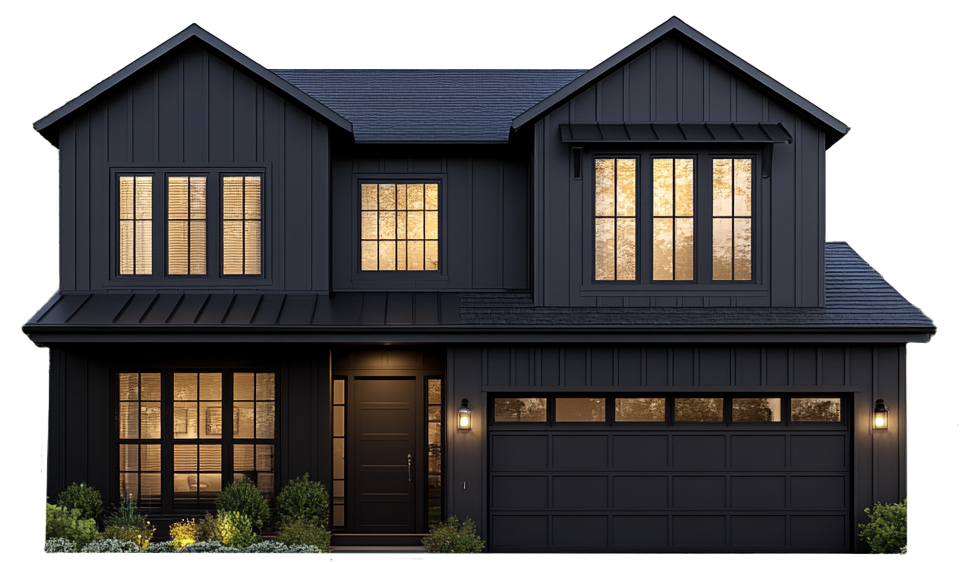
*Offer expires September 30, 2026
Try Our 3D Home Design Visualizer!
Excited to explore new possibilities for your home? Snap a photo to kickstart your journey with our online design tool or get inspired by our sample homes.
Start Designing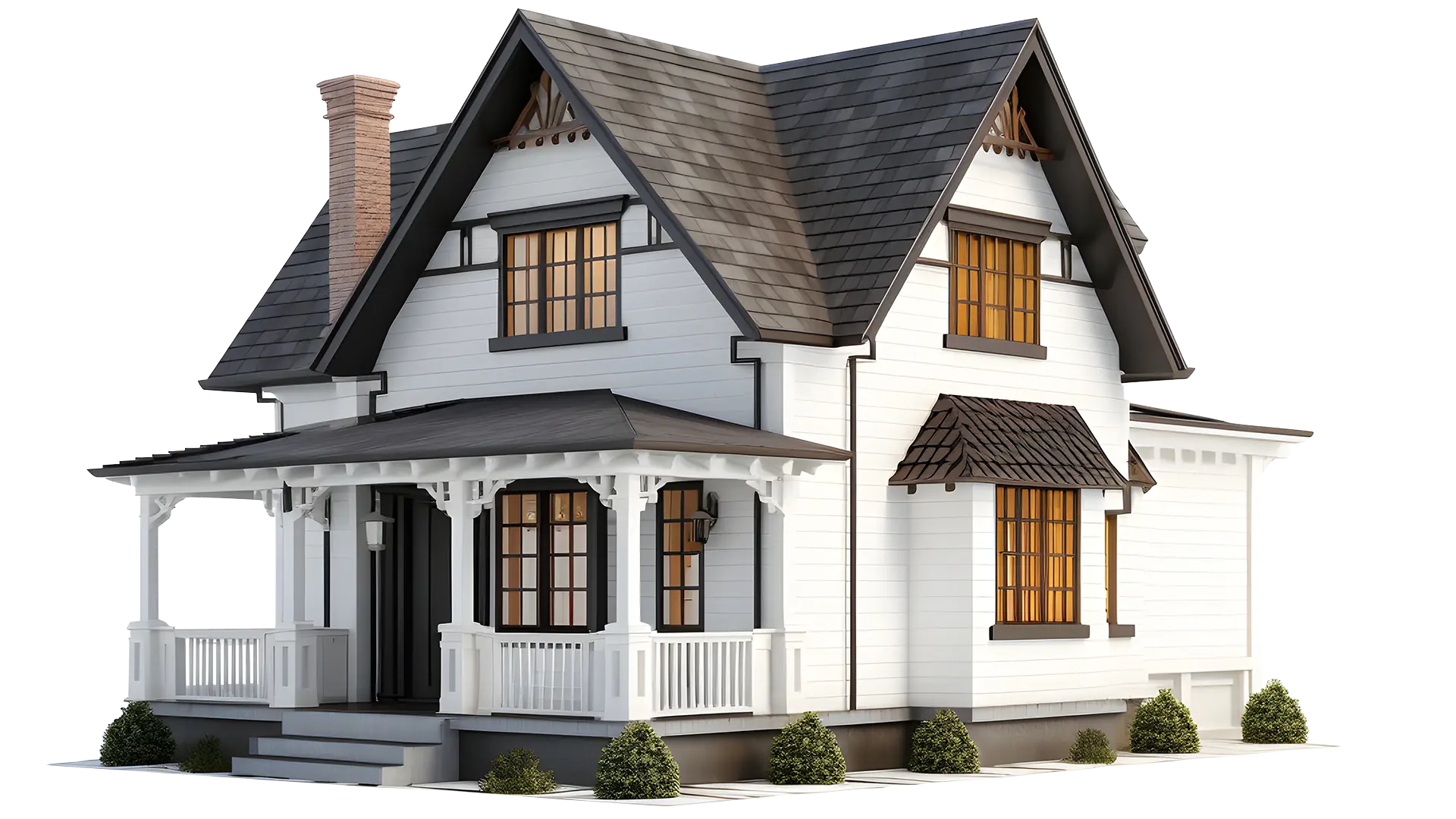
Why Choose Us?
Top Rated Siding & Window Experts
- FREE, Detailed Estimates
Receive clear, detailed quotes on-site, with no hidden fees.
- Fire Resistant Products
Enjoy peace of mind with quality materials like James Hardie siding and Anlin Windows.
- Local, Family-Owned Company
Decades of unparalleled expertise. No subcontractors!
- Licensed, Certified & Insured
We are fully licensed and certified, guaranteeing top-notch craftsmanship.
- Old-school Professionalism
Thorough cleanup and dependable follow-through with every siding and window project.


Start Transforming Your Home with Hayward James Hardie Siding Today!
Don't wait to elevate your Hayward home with James Hardie Siding. Reach out today for further details!
Get StartedWhy Us
- Free Quotes, Competitive Pricing
- On-Time Service
- Local, Family-Owned & Operated
- Reliable, Experienced, Certified
- Licensed & Certified
- Elite Preferred Contractor
- Family Owned & Operated
Replacement Windows
© 2026 Bay Area Siding Company, Inc. All Rights Reserved.Full-Service Siding & Window Experts in Bay Area. Bay Area Siding Company rated 5 / 5 based on 150 reviews.