
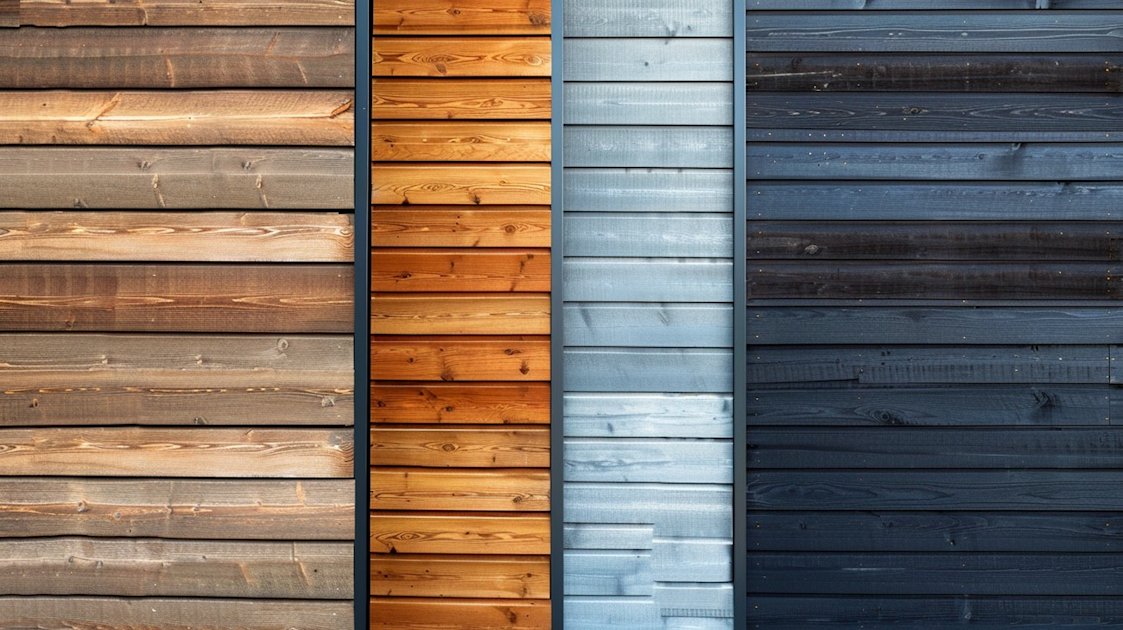


In the world of home exterior design, wood siding definitely stands out as a timeless and classic choice. Its natural beauty and versatility make it a favored option for many homeowners. But when it comes to choosing the right wood siding type, the sheer variety can be overwhelming. Let's explore the different types of wood siding, each with its unique characteristics and appeal.
The Allure of Wood Siding
Wood siding has been a preferred choice for centuries. With its warm and inviting look, it effortlessly enhances a home's aesthetic appeal. Not only does it offer beauty, but wood siding also offers durability and insulation when properly maintained.
However, it's important to pick the right kind of wood that matches your style, budget, and maintenance willingness. Here's where understanding different wood siding types becomes crucial.
Common Wood Siding Types
1. Clapboard
Clapboard siding, sometimes known as bevel or lap siding, is a traditional choice that features long, narrow boards overlapping each other. This horizontally laid siding is a staple in colonial-style homes and lends a classic yet understated elegance.
- Material Choices: Common wood species for clapboard include cedar, pine, and spruce.
- Installation: Boards are thicker at the bottom and thin at the top, creating a “lap” that provides protection and helps shed water efficiently.
2. Shingles
Shingles are another popular wood siding option. Known for their uniform appearance, they create a neat and tidy look for any home.
- Material Choices: Cedar is often used because it is naturally resistant to rot and insects.
- Installation: Shingles are typically cut to a uniform size and shape and are laid in rows, overlapping one another.
3. Shake Siding
Similar to shingles but less uniform, shakes provide a more rustic appearance. Shakes are thicker and have a rougher finish.
- Material Choices: Undoubtedly, cedar shakes are the most common due to the wood’s resilience.
- Appearance: They give a textured and rustic charm that can convey a nature-inspired aesthetic.
4. Board and Batten
Board and batten siding offers a distinctive look with its alternating wide boards and narrow wooden strips, known as battens, that cover the seams.
- Appearance: It provides an appealing and somewhat traditional look that works well with both modern and rustic designs.
- Installation: Typically installed vertically, with wide boards spaced with a batten covering the seams.
5. Log Siding
For those aiming for a log cabin aesthetic, log siding is an excellent choice. It’s perfect for giving homes a warm and rustic look.
- Material Choices: Typically crafted from cedar, pine, or spruce.
- Design: Mimics the appearance of actual logs and is particularly favored in mountainous or forested areas.
Wood Siding Finishes and Treatments
Natural Finish
Preserving the wood's natural beauty is often desirable, and a transparent sealant can bring out its grains and textures while providing protection.
Paint
Color selection can complement your home's overall look. Painted wood siding can dramatically change a home’s aesthetic and reflects the owner's personal taste.
Stains
Stains penetrate the wood, enhancing its grain patterns and providing a variety of finishes from transparent to solid color. They add longevity and style to wood siding.
Maintenance and Longevity
Regular Inspection and Repairs
Regular inspection helps in identifying any issues like rot, insect infestation, or water damage early on. Prompt repairs can significantly extend the life of wood siding.
Sealing and Painting
- Sealant: Apply a protective sealant every few years to keep moisture out.
- Repainting: A fresh coat of paint not only revitalizes the look but also acts as a protective layer against the elements.
Cleaning
Regular cleaning keeps mold, mildew, and dirt at bay. A mild detergent and a soft brush or pressure washer used at a low setting can do the trick.
Factors to Consider When Choosing Wood Siding
Choosing the right wood siding type involves weighing several factors, including:
- Climate: What works in humid climates might not be suitable for dry areas.
- Budget: Cost varies across wood types and installation options.
- Aesthetic Preferences: Consider the overall look and feel you want for your home.
- Maintenance: Consider how much time and effort you're willing to invest in upkeep.
Frequently Asked Questions About Wood Siding Types
What are some common types of wood siding?
Common types of wood siding include cedar, redwood, pine, spruce, and engineered wood. Each type offers distinct characteristics. Cedar is beloved for its natural resistance to decay and distinct aroma, while redwood is known for its natural durability and beautiful color. Pine and spruce are typically more affordable and can be treated for enhanced durability. Engineered wood siding, although not entirely natural, offers the appearance of wood with added resistance to the elements and often comes pre-primed and ready to paint.
How does cedar siding compare to other wood siding types?
Cedar siding stands out among wood siding types due to its natural oils, which make it resistant to decay and insect damage. It offers outstanding stability, meaning it is less prone to warping and splitting compared to other types. Its distinct earthy aroma can be appealing, and it ages gracefully, developing a silvery-gray patina if left untreated. While generally more expensive than pine or spruce, its durability often justifies the investment. Cedar siding can also be painted or stained, providing flexibility in aesthetic options to match any architectural style.
What maintenance is required for wood siding?
All types of wood siding require some level of maintenance to preserve their appearance and longevity. Regular cleaning to remove dirt and mildew, along with periodic sealing or painting, is essential to protect wood siding from the elements. Inspections for signs of damage, such as rot or insect infestation, should be conducted annually. Depending on the type of wood, re-staining or repainting is usually necessary every 3 to 5 years to maintain a fresh and polished look, which helps prolong the life of the siding.
Is engineered wood siding a good alternative to natural wood?
Engineered wood siding is a popular alternative to natural wood, offering the aesthetic appeal of wood with enhanced performance. Made from wood fibers mixed with resins and wax, this type of siding is designed to be more resilient to moisture and extreme weather conditions. It's often more cost-effective than natural wood siding and requires less maintenance, providing a great solution for homeowners who seek low-maintenance exterior options. Engineered wood siding typically comes pre-primed, which means it can be easily customized with paint to match your home's color scheme.
How does climate affect the choice of wood siding types?
Choosing the right wood siding type is significantly influenced by your local climate. For damp or humid areas, wood siding like cedar or redwood, which have natural insect-repelling properties and resistance to rotting, is ideal. In regions with fluctuating temperatures, choosing a wood siding known for its stability, such as cedar, is beneficial as it is less susceptible to expansion and contraction. It is also important to select a type of wood siding that can be easily treated or sealed to enhance its resilience against the local climate conditions.
Are there any sustainable options among wood siding types?
Yes, among the wood siding types, cedar and redwood are considered sustainable choices when sourced from responsibly managed forests. Both types grow relatively quickly and are often available from suppliers who take part in reforestation initiatives. Engineered wood siding can also be considered an environmentally friendly option because it makes use of wood by-products, reducing waste and maximizing resource efficiency. Always look for certifications like the Forest Stewardship Council (FSC) label to ensure that your wood siding comes from sustainably managed sources.
Can wood siding be used in combination with other materials?
Absolutely, wood siding can be beautifully combined with other materials to achieve a unique architectural style or design aesthetic. It's common to mix wood siding with stone, brick, or stucco to add texture and visual interest to a home’s exterior. This approach not only enhances curb appeal but can also improve the structural integrity and insulation properties of a building. Mixing materials allows for creative expression and the opportunity to highlight different sections of the home, creating a more dynamic appearance.
How does the installation process vary among different wood siding types?
The installation process can vary depending on the type of wood siding. Traditional wood siding, such as beveled or clapboard styles, typically requires nails or screws for secure attachment, with precise measuring and cutting for tight, interlocking seams. Shingle siding might involve a more labor-intensive process of individually positioning and securing each shingle. Engineered wood siding usually involves interlocking pieces that can be installed with greater ease and speed. Regardless of the type, proper sealing and weatherproofing techniques are critical during installation to prevent moisture damage and ensure longevity.
Exploring the Ups and Downs of Different Wood Siding Types
Cedar Siding
Cedar is a popular choice for wood siding, cherished for its appearance and durability. But it's not without its drawbacks. Let's break it down.
Pros
Natural Beauty
Cedar siding offers a stunning natural aesthetic that's hard to match. Its rich tones and textures add character to any home, making it an excellent choice for those who appreciate rustic charm.
Durability
Cedar is known for its durability. Naturally resistant to rot, decay, and insect infestations, it can last for decades with proper maintenance.
Insulating Properties
Cedar siding offers natural insulation properties, which can help in reducing energy costs over time. It keeps homes warmer in winter and cooler in summer.
Environmentally Friendly
Cedar is a renewable resource that is biodegradable, making it an environmentally friendly option compared to some other siding materials.
Cons
Cost
Cedar siding can be on the pricier side, both for initial installation and ongoing maintenance. It requires regular staining or painting to maintain its integrity and appearance.
Prone to Weathering
Despite its durability, cedar can be susceptible to weathering over time if not adequately cared for. This can result in a grayish tone, which some people appreciate, but others might not.
Pine Siding
Pine siding is another popular choice, often loved for its affordability and versatility. Let's walk through its merits and potential pitfalls.
Pros
Affordability
Pine is generally more affordable than cedar or redwood, making it a great option for those looking to achieve the classic wood siding look without breaking the bank.
Workability
Pine is easy to work with, thanks to its soft nature. This makes it simpler for installations and customizations, which can be appealing for DIY enthusiasts.
Cons
Maintenance
Pine siding requires regular upkeep to prevent rot and insect damage. Without consistent maintenance, it can deteriorate more quickly than other wood types.
Susceptibility to Pests
Pine isn't naturally pest-resistant. Without treatment, it can be more prone to termites and other wood-boring insects.
Redwood Siding
Redwood siding offers a luxurious aesthetic that's hard to pass up. However, it's important to weigh both sides of the equation.
Pros
Premium Appearance
Redwood is known for its rich color and elegant appearance. It’s perfect if you're after a high-end look that stands out.
Natural Durability
This wood type is naturally resistant to warping and shrinking, maintaining its shape over time, which is a fantastic quality for longevity.
Weather Resistance
Redwood has natural weather-resistant properties, which means it can handle harsh weather conditions better than some other options.
Cons
High Initial Cost
The luxurious nature of redwood does come at a price. It tends to be more expensive than cedar or pine, which can be a limiting factor for some budgets.
Limited Availability
Because of its premium nature and environmental restrictions on harvesting, redwood can sometimes be harder to source, which might complicate your planning process.
Engineered Wood Siding
Engineered wood siding has become increasingly popular due to its versatility and durability. Even so, it's not without some concerns. Let’s explore both sides.
Pros
Versatility
Engineered wood can mimic the appearance of traditional wood siding while offering more variety in terms of styles and finishes. It’s highly versatile, allowing for a range of design possibilities.
Enhanced Durability
It's designed to resist many of the downsides of natural wood, such as rot, termites, and weathering, often requiring less maintenance than its natural counterparts.
Cost-Effective
Compared to natural wood options, engineered wood siding is often more budget-friendly and may offer better long-term value due to lower maintenance needs.
Cons
Appearance
While engineered wood siding can look highly realistic, some purists feel that it lacks the authentic texture and warmth of natural wood.
Susceptibility to Moisture
If the protective surface of engineered wood is compromised, it can be susceptible to moisture damage, which is an important consideration for areas with heavy rain or humidity.
Conclusion
Choosing the right type of wood siding involves considering a variety of factors, from budget and maintenance levels to local climate conditions and aesthetic preferences. While each type of wood siding offers distinct advantages, they also come with their own sets of challenges. Taking the time to weigh these pros and cons will ensure that you make the best decision for your home's exterior needs, leading to a happy and stylish home for years to come.
Final Thoughts
Choosing the right wood siding types for your home is crucial, as they not only enhance curb appeal but also protect your property from the elements. With various options like cedar, pine, and redwood available, it’s important to consider factors like durability, maintenance, and aesthetics that align with your vision and local climate here in Bay Area, CA.
If you're ready to explore the best options for your home, our team at Bay Area Siding Company is here to help. We’d love to guide you through the selection process, answer any questions you have, and provide a free estimate tailored to your needs. By partnering with us, you can ensure that your siding not only looks great but is also built to last.
The information provided here is intended for general reference and should not be considered professional advice. Before starting any project, consult a licensed contractor. Product features, specifications, and warranties may have been updated since this was published. Any mention of brands or products reflects personal opinion and does not constitute an endorsement or warranty.