
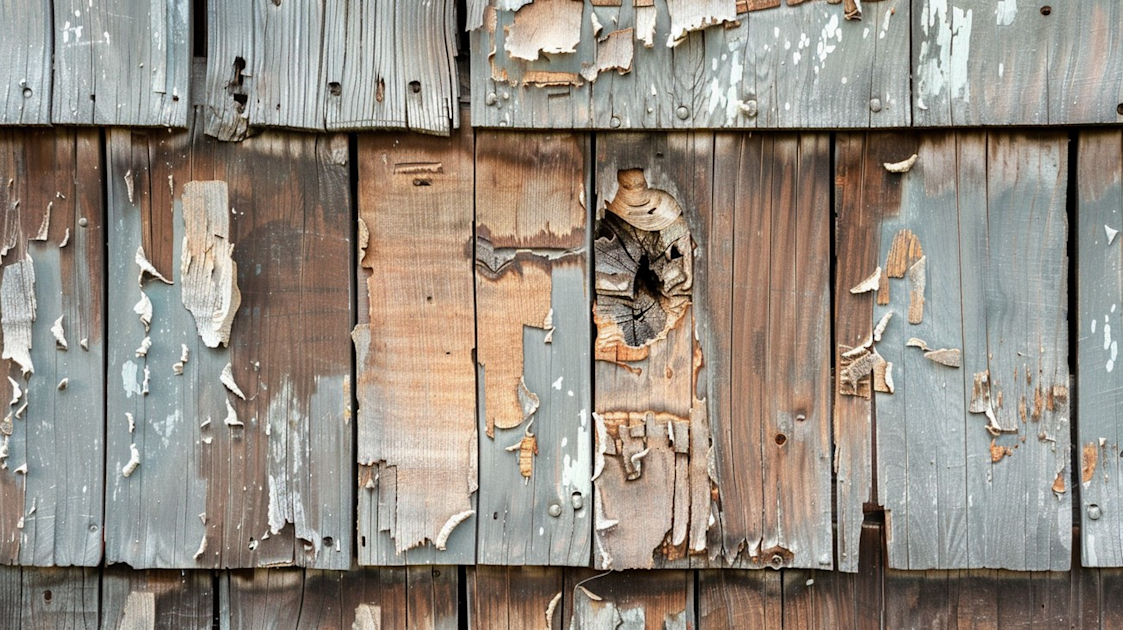


When it comes to exterior home maintenance, wood siding can be both a blessing and a challenge. Its natural look is undeniably charming, enhancing the aesthetic appeal of any property. However, wood siding is also susceptible to damage from various pests. If left unchecked, pest infestations can compromise both the appearance and structural integrity of your home. This guide dives into everything you need to know about wood siding pest damage and offers tips on prevention and repair.
Understanding Wood Siding Pest Damage
Wood siding serves as an attractive and durable option for many homeowners. However, like any natural product, it can fall prey to an array of pests that see your siding as their next meal or home. Identifying the early signs of pest damage is crucial for maintaining the durability and look of your exterior.
Common Pests Affecting Wood Siding
Different pests can affect your wood siding in various ways. Knowing the main culprits will allow you to take preemptive or corrective measures.
Termites
Termites are infamous for their wood-eating habits. They are the silent destroyers, often causing significant damage before they are even detected. When termites attack wood siding, they can compromise the structural integrity from the inside out.
Carpenter Ants
Unlike termites, carpenter ants do not eat wood. Instead, they burrow through it to create tunnels for their nests. Over time, this burrowing can lead to significant damage, weakening the siding.
Woodpeckers
While not insects, woodpeckers can cause notable damage to wood siding. These birds can create unsightly holes as they peck in search of insects or to establish nesting cavities. Over time, these holes can lead to broader entry points for other pests as well.
Powderpost Beetles
These beetles lay their eggs in wood, and the emerging larvae bore through, creating a powder-like waste. This can lead to significant weakening of the wood over time.
Signs of Pest Damage
Identifying pest damage early can save you from extensive and expensive repairs. Here are some key signs to watch out for:
- Visible Holes or Tunnels: Look for any small holes or the presence of tunnels in the wood.
- Frass: This fine, powdery substance is left behind by insects like termites and powderpost beetles.
- Noise: Listen for clicking sounds, especially during nighttime, which could indicate the presence of termites.
- Structural Changes: Noticeable bowing or warping could indicate pest damage beneath the surface.
- Woodpecker Activity: Observe any repeated visits from woodpeckers, which may suggest an underlying insect infestation.
Prevention Strategies
Preventing pest damage is key to preserving your wood siding. A proactive approach will ensure your home remains beautiful and structurally sound.
Regular Inspections
Conduct regular inspections of your wood siding to identify any early signs of damage or pest activity. Look for visible holes, sawdust, or changes in the texture and color of the wood.
Seal and Paint
Ensure that your wood siding is properly sealed and painted. A good sealant acts as a barrier, preventing moisture from penetrating the wood, which makes it less attractive to many pests.
Manage Moisture
Ensure proper drainage around your home and avoid excessive watering near the wood siding. Standing water or persistent moisture makes wood susceptible to both insect and mold damage.
Prune Vegetation
Trim nearby trees and shrubs away from the siding to minimize the pathways pests have to your home. Keeping a clear perimeter discourages insects like termites from finding easy access.
Use Preventative Treatments
Consider using chemical treatments or natural repellents that deter pests from nesting in your siding. Options range from commercial pesticides to natural oils like neem, which can be applied directly to the wood.
Repairing Pest Damage
When pest damage occurs, quick repairs can prevent further deterioration and save on future expenses.
Replace Damaged Sections
For severe damage, you may need to replace entire sections of wood siding. Choose a matching wood type and professional installation to maintain the integrity and appearance.
Fill Holes
Small holes and tunnels can often be repaired with wood filler or putty. After filling, sand the surface smooth and apply a matching paint or sealant.
Reinforce and Protect
In areas prone to repetitive hits from woodpeckers or similar pests, consider reinforcing with metal flashing or protective screens. These can deter future attacks while adding a layer of defense.
Frequently Asked Questions About Wood Siding Pest Damage
How can I identify pest damage on wood siding?
Pest damage on wood siding often manifests as small holes, tunnels, or grooves in the wood, which are signs of nuisance pests like termites, carpenter ants, or wood-boring beetles. You might also notice sawdust-like frass near the damaged areas or even the presence of live insects. Over time, the wood may appear warped, bulge, or become discolored. By keeping an eye out for these signs, you can catch pest problems early before they cause significant damage.
What are the common pests that affect wood siding?
Wood siding can become a target for various pests, with the most common culprits including termites, carpenter ants, and wood-boring beetles. Termites are notorious for their ability to silently consume wood from the inside out, while carpenter ants and beetles bore into the wood to create their nests or as part of their life cycle. Each pest poses a unique threat, but all can compromise the structural integrity and appearance of your wood siding if not addressed promptly.
Why is pest damage more prevalent in certain areas?
Pest damage is often more severe in warm, humid climates where conditions are ideal for pests like termites and ants. Wooden structures near wooded areas are also more susceptible, as these pests naturally thrive in outdoor environments. Furthermore, inadequate maintenance, like failing to seal or paint wood siding regularly, can create vulnerable entry points for pests. Understanding these factors can help you take preventive measures to protect your siding.
How do termites specifically affect wood siding?
Termites primarily cause damage by consuming the cellulose in wood, which is a vital structural component. They create extensive networks of tunnels within the wood, weakening its internal structure while leaving the outer surface largely intact. This clandestine activity often goes unnoticed until severe damage has occurred. If you suspect termite activity in your wood siding, it’s crucial to engage a pest control professional without delay to assess the situation.
Can pest damage to wood siding be prevented?
Yes, you can take several steps to prevent pest damage to your wood siding. Regularly inspecting your siding for signs of wear or damage is key. Ensure your home's exterior is well-sealed to prevent pests from finding entry points, and keep plant growth away from your siding to minimize moisture. Treating the wood with repellents or preservatives can also deter insects, and scheduling regular pest inspections can catch early signs of infestation before substantial damage occurs.
What are the repair options for pest-damaged wood siding?
Repairing pest-damaged wood siding can range from minor to extensive, depending on the extent of the damage. For minimal damage, filling holes and repainting may suffice. However, significant damage often necessitates removing and replacing affected boards. In severe cases, you may need to engage contractors to restore the structural integrity of your home. Always consider addressing the root cause, i.e., the pest, before repairs to ensure that the problem does not recur.
Who should I consult for addressing wood siding pest damage?
If you suspect or identify pest damage, it's wise to consult both a pest control expert and a siding professional. A pest control specialist can assess the extent of the infestation and recommend appropriate treatment options, while a siding contractor can evaluate structural damage and provide repair or replacement solutions. Working with these experts ensures a comprehensive approach that not only mitigates pest issues but also restores the aesthetics and function of your wood siding.
What costs are associated with repairing pest damage in wood siding?
The cost of repairing pest damage to wood siding varies. Minor repairs, such as replacing a few boards, might cost a few hundred dollars. However, more extensive damage might require structural repairs or replacing large sections of siding, potentially costing thousands. Additionally, pest treatment itself can add to the expense. Investing in regular inspections and preventive treatments can ultimately be more cost-effective compared to addressing significant pest damage.
Is there a difference between pest damage and weather damage on wood siding?
Yes, pest damage and weather damage present differently on wood siding. Pest damage often features small, precise holes and tunnels, indicating insect activity, whereas weather damage is characterized by more extensive issues such as warping, rotting, or cracking due to moisture, temperature changes, or sunlight exposure. Distinguishing between these can guide you in pursuing the correct solutions, whether pest removal, weatherproofing, or other repairs.
How does moisture contribute to wood siding pest damage?
Moisture creates a conducive environment for several types of pests, especially termites and carpenter ants, as it softens the wood, making it easier for these insects to breach. Moist wood can also develop fungi or mold, attracting pests or exacerbating damage. Ensuring proper drainage and ventilation around your home, caulking regularly, and addressing leaks promptly can help mitigate moist conditions that might otherwise invite pest damage to your wood siding.
Troubleshooting Guide
1. Termite Infestation
Symptoms: Look for small piles of sawdust near the base of your wood siding, hollow-sounding wood when tapped, or mud tubes on exterior walls.
Likely Causes: Termites are attracted to wood and moisture. Poor yard maintenance and unchecked moisture issues can lead to infestations.
Step-by-step Fixes:
- Inspect the surrounding area for termites.
- Set termite bait stations around your property.
- Apply a liquid termiticide for a more immediate effect.
- Repair any plumbing or roof leaks to reduce moisture.
When to Call a Professional: If the infestation is severe or you notice structural damage, contact a pest control service promptly.
Prevention Tips: Schedule annual termite inspections and ensure proper yard drainage. Keep firewood and wood debris away from your home.
2. Carpenter Ants Damage
Symptoms: Listen for rustling noises inside the walls and notice frass (wood shavings) near holes or cracks.
Likely Causes: Carpenter ants are attracted to damp, decaying wood and areas with easy access to food or water.
Step-by-step Fixes:
- Locate and seal entry points like cracks or holes in the siding.
- Bait the ants using a sugar-based gel or poisoned bait.
- Trim any vegetation touching your home to reduce access points.
- Repair and replace any water-damaged wood.
When to Call a Professional: If you cannot locate the nest or if the damage spreads further, it's time to get professional help.
Prevention Tips: Keep trees and shrubs trimmed back and repair any leaks that can lead to wood decay.
3. Carpenter Bees
Symptoms: Round, smooth holes approximately half an inch wide in wood surfaces, accompanied by yellow or brown coatings beneath openings.
Likely Causes: These bees prefer unpainted or weathered structures with softwoods like cedar.
Step-by-step Fixes:
- Carefully fill and seal existing holes with wood putty after treating them with an insecticidal spray.
- Repaint or varnish the affected area to discourage further nesting.
- Use a natural deterrent like citrus oil to keep bees away.
When to Call a Professional: Should infestations recur yearly or the problem expands, consider hiring a pest professional.
Prevention Tips: Keep your wood siding painted or sealed and regularly inspect for new drill holes. Use hardwoods when possible for better resistance.
4. Wood Borer Beetles
Symptoms: Tiny holes in the wood surface, powdered wood residue nearby, and sometimes a ticking noise from infested wood.
Likely Causes: Poorly seasoned timber and high humidity create an ideal environment for these beetles.
Step-by-step Fixes:
- Identify all affected areas and isolate them.
- Apply a residual insecticide to the afflicted wood.
- Increase ventilation to lower the moisture content within the walls.
- Replace severely damaged wood sections.
When to Call a Professional: Extensive infestations require the expertise of pest management professionals.
Prevention Tips: Use kiln-dried wood for construction and maintain low indoor humidity through regular ventilation.
5. Powderpost Beetles
Symptoms: Fine, powdery dust near small holes on the wood's surface, indicating ongoing beetle activity.
Likely Causes: These pests infest wood with high moisture levels and insufficient sealing or treatment.
Step-by-step Fixes:
- Sand the affected area to remove the outer layer and some larvae.
- Treat the wood with a residual borate-based insecticide.
- Ensure that moisture levels remain low to deter future infestations.
When to Call a Professional: Extensive infestations in structural wood require professional intervention.
Prevention Tips: Apply sealants to avoid moisture absorption and conduct regular inspections.
6. Fungus Gnats
Symptoms: Black flies hovering near windows and boards, often mistaken as just a nuisance but signal rotting wood.
Likely Causes: High moisture content in the wood due to leaks or inadequate ventilation.
Step-by-step Fixes:
- Fix any leaks around windows, roofs, or gutters to eliminate excess moisture.
- Utilize fungicidal treatments to treat infected areas.
- Enhance airflow by opening vents or using dehumidifiers.
When to Call a Professional: If mold is extensive or structural damage is present, seek professional assessment.
Prevention Tips: Regularly inspect for and repair any leaks immediately, and keep the wood siding dry.
7. Squirrels and Rodents
Symptoms: Gnawed wood and entry points along the wooden siding, often accompanied by nesting materials.
Likely Causes: Wood siding offers an accessible entry to warm and dry nesting sites.
Step-by-step Fixes: When to Call a Professional: If rodents become a recurring issue, especially within walls or roofs, contact a wildlife control expert.
Final Thoughts
Addressing wood siding pest damage early can save homeowners from costly repairs down the line. Staying vigilant and regularly inspecting your siding for signs of pests will help maintain its integrity and longevity. If you do discover signs of infestation, acting swiftly will minimize the damage and ensure your home stays protected.
We understand that dealing with these issues can feel overwhelming, especially here in the Bay Area, CA, where the right conditions can attract various pests. If you're concerned about your wood siding, we're here to help. At Bay Area Siding Company, we offer expert assessments and tailored solutions to keep your home safe from unwanted guests. Don't hesitate to reach out to us for a consultation or a free estimate—we're always ready to assist our local homeowners.
The information provided here is intended for general reference and should not be considered professional advice. Before starting any project, consult a licensed contractor. Product features, specifications, and warranties may have been updated since this was published. Any mention of brands or products reflects personal opinion and does not constitute an endorsement or warranty.