
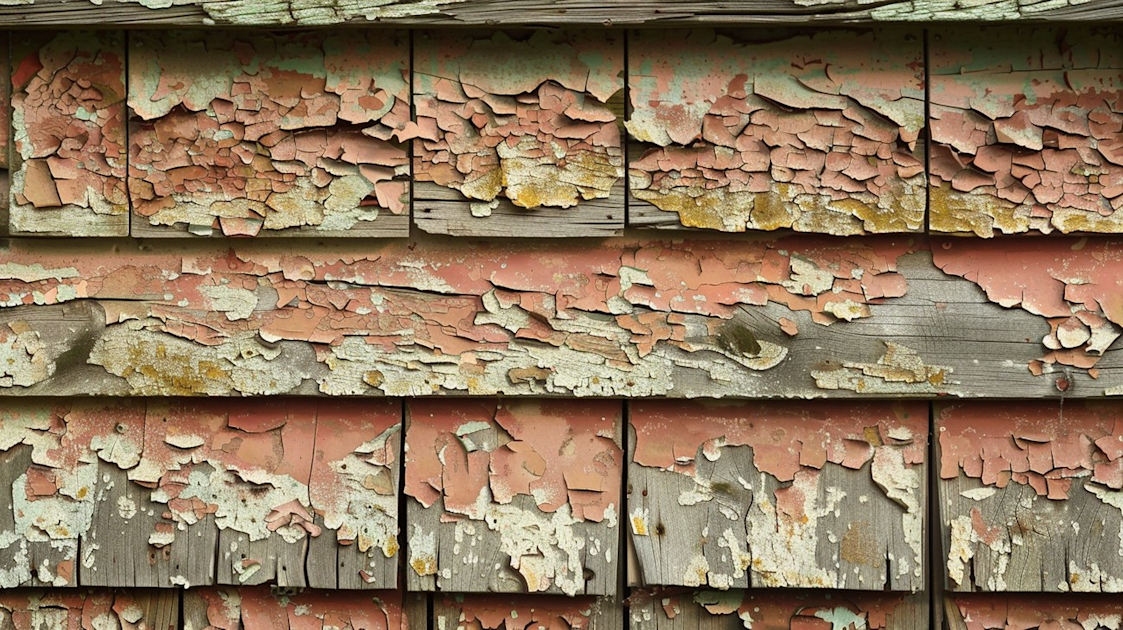


Painting your home's siding offers a fresh, vibrant finish that significantly enhances curb appeal. Yet, over time, many homeowners face the challenge of fading siding paint, which diminishes the exterior's aesthetic appeal. In this article, we will delve deep into understanding why siding paint fades and explore best practices to either prevent or remedy it.
The Science Behind Siding Paint Fading
Fading is a gradual loss of pigment intensity, usually due to environmental factors like sunlight, weather, and pollution. Understanding the primary causes can help homeowners take preventive measures.
Key Causes of Paint Fading
Ultraviolet (UV) Light Exposure
- UV rays from the sun are the most common culprit of fading. Prolonged sun exposure can break down the chemical bonds in paint, leading to color deterioration.
Weather Conditions
- Rain, snow, and extreme temperature fluctuations can cause paint to lose its luster. Water can seep into inadequately sealed painting, causing it to wash out over time.
Poor Paint Quality
- Utilizing low-quality paint is an initial saving but can become costly in the long run. High-quality paint contains UV-resistant components that retain color better and longer.
Pollution and Environmental Factors
- Airborne pollutants and acid rain can contribute to paint fading by chemically reacting with the paint surface.
Choosing the Right Paint for Longevity
Selecting the right paint is crucial in combating siding paint fading and making your home's exterior more resilient to environmental stresses.
Characteristics of Durable Siding Paint
- UV Resistance: Choose paint specifically formulated with UV inhibitors to defend against sun damage.
- Weatherproofing: Ensure the paint offers water resistance and can withstand varied climatic conditions.
- High-Quality Binders and Resins: These elements hold the pigment together and provide robust adhesion, reducing the potential for fading.
Steps to Prevent Siding Paint Fading
Prevention starts with preparation, choice, and application. Here’s how to effectively prepare and protect your siding paint from fading.
Prepare the Surface
- Cleaning: Thoroughly clean the siding to remove dirt, mold, and mildew. This ensures better paint adhesion.
- Priming: Use a quality primer to provide a stable base and enhance paint performance.
Apply Properly
Follow Manufacturer's Instructions
- Adhere to the instructions on the paint can for drying times and additional coats.
Use Proper Tools
- Employ brushes, rollers, or sprayers designed for your specific siding material for even application.
Choose Optimal Weather Conditions
- Apply paint when temperatures and humidity levels are within the recommended range to improve adherence and drying.
Maintenance Tips for Long-Lasting Paint
Regular maintenance can greatly extend the life and vibrancy of your siding paint. Here's a checklist to keep your paint looking fresh:
- Annual Cleaning: Conduct regular washing to prevent dirt buildup that can degrade paint.
- Inspect and Touch-up: Regularly inspect for chips or cracks and apply touch-up paint to prevent further damage.
- Reapply Clear Sealant: Every few years, apply a clear, UV-resistant sealant to enhance color retention.
Solutions for Faded Siding Paint
If your siding paint has already faded, there are effective ways to restore its look without completely repainting.
Refresh with a New Coat
- Color Consultation: Consult with a professional to choose the best possible color options that offer better durability.
- Repainting: Sand down any imperfections and apply a fresh coat of high-quality paint.
Alternative Options
- Siding Replacement: Consider materials like vinyl or fiber cement that offer fade-resistant benefits.
- Exterior Enhancements: Incorporate elements like shading or reflective window films to reduce sun exposure on painted surfaces.
Frequently Asked Questions about Siding Paint Fading
Why does siding paint fade over time?
Siding paint fading occurs primarily due to prolonged exposure to the sun's ultraviolet (UV) rays. Over time, these rays can break down the paint's pigments and binding elements, leading to a loss of color vibrancy. Weather conditions, such as rain and snow, also contribute to this process by washing away the outer layers of paint, while fluctuating temperatures can cause the siding material to expand and contract, promoting further paint degradation. This natural weathering process is why your siding might not look as vibrant as it once did.
Can all types of siding experience paint fading?
Yes, all types of siding can experience paint fading, though the extent and rate of fading can vary depending on the material. Vinyl siding, for example, is more prone to color fading under UV exposure compared to aluminum or wood. However, even treated or specially coated sidings designed to resist fading will eventually show signs of wear after many years. Regular maintenance and protective treatments can help slow down this inevitable process.
How does environmental pollution impact siding paint fading?
Environmental pollution significantly impacts siding paint fading. Pollutants like dust, smoke, and airborne chemicals can settle on the surface of your siding, leading to a dull appearance over time. Acid rain, resulting from industrial emissions, further exacerbates the issue by chemically reacting with the paint, causing it to deteriorate more rapidly. Routine cleaning can help remove these pollutants and protect your paint from accelerated fading.
Are certain paint colors more susceptible to fading?
Yes, darker paint colors are generally more susceptible to fading than lighter shades. Dark colors absorb more heat, increasing the rate at which UV rays break down the paint's pigments. Bright colors like reds and deep blues are particularly prone to quick fading. In contrast, whites and light pastels tend to hold their color longer under exposure to sunlight, providing a practical advantage in regions with intense sun exposure.
What are some tips to prevent siding paint from fading?
To prevent siding paint from fading, consider using high-quality, UV-resistant paint designed specifically for exterior use. Applying a protective clear coat can also offer an additional barrier against the sun's rays. Regularly washing your siding to remove dirt and pollutants will help maintain its appearance. Also, planting trees or installing awnings could provide natural shade, further protecting your siding from constant direct sunlight. Regular inspections and touch-ups as needed can help maintain color integrity.
Is it possible to restore faded siding paint to its original color?
Restoring faded siding paint to its original color can be challenging, but not impossible. A fresh coat of high-quality exterior paint or a vinyl refinishing product designed to restore color can rejuvenate faded siding. It's important to thoroughly clean and prepare the surface before applying any new paint to ensure the best results. In some cases, you might need to strip the old paint completely if it has deteriorated significantly. Consulting with a professional can provide more options tailored to your specific situation.
How often should I repaint my siding to address fading?
Repainting frequency depends on several factors, including the type of siding, the quality of the paint used, and the environmental conditions in your area. Typically, wood siding might need repainting every 3-7 years, while materials like fiber cement can go 10-15 years. Using high-quality, UV-resistant paint can extend these intervals. Regular inspections can help identify areas that may need touch-ups before a full repaint becomes necessary.
Does the quality of paint affect how quickly siding paint fades?
Absolutely, the quality of paint significantly influences how quickly your siding paint fades. High-quality paints contain superior binders and pigments that resist UV radiation and withstand harsh weather conditions more effectively. Investing in a reputable brand that offers UV-resistant features will ensure a longer-lasting color life. While these paints might be more expensive upfront, they can offer savings in the long run through reduced maintenance and repainting needs.
Can faded siding paint lead to other issues?
Faded siding paint doesn’t just affect aesthetics—it can also signal underlying problems that may require attention. Fading paint can be an initial sign of siding material degradation, leading to cracks or warping if left unaddressed. Over time, this wear can compromise the siding's ability to protect your home against the elements, potentially resulting in water ingress or pest infestations. Keeping an eye on paint fading allows you to address these issues early.
Are there any innovative solutions to minimize siding paint fading?
Yes, there are several innovative solutions to minimize siding paint fading. Many manufacturers now offer advanced paint formulas with nano-coating technologies that increase UV resistance. Reflective pigments are also being integrated into siding products, which can effectively decrease heat absorption, thereby reducing fading. Additionally, self-cleaning paints that repel dirt and grime have become popular for maintaining color vibrancy without frequent maintenance. Exploring these innovative options can provide long-standing protection to your siding.
Can I DIY painting my siding to reduce fading, or should I hire a professional?
While DIY painting your siding can be cost-effective and satisfying, the task requires careful preparation and application to ensure long-lasting results. If you choose to undertake the project yourself, make sure you have the right tools and follow the manufacturer's instructions for paint application. However, hiring a professional can guarantee a more durable finish, as they bring expertise and access to high-quality materials. A professional can also properly assess the condition of your existing siding and recommend the best solutions to minimize future fading.
Troubleshooting Guide
1. Poor Quality Paint
Symptoms:
- Paint starts to lose its shine shortly after application.
- Discoloration occurs in patches rather than evenly.
Likely Causes:
- Using low-quality or non-exterior paint that cannot withstand weather conditions.
Step-by-Step Fixes:
- Identify Problem Areas: Inspect the siding for fading patterns.
- Sand the Surface: Use fine-grit sandpaper to remove the damaged paint.
- Choose the Right Paint: Obtain high-quality exterior paint suitable for your siding material.
- Repaint Siding: Apply a fresh coat following the manufacturer's instructions.
When to Call a Professional:
- If you're unsure about the type of paint or prep work needed.
Prevention Tips:
- Always choose top-grade, UV-resistant paints intended for outdoor use.
2. Excessive Sun Exposure
Symptoms:
- Uneven fading, more pronounced on walls that get direct sunlight.
Likely Causes:
- Natural UV radiation breaking down paint pigments.
Step-by-Step Fixes:
- Set Up Shade Tools: Install awnings or plant trees to block direct sunlight.
- Repaint Affected Areas: Use UV-resistant paint for areas most exposed to the sun.
When to Call a Professional:
- For painting large or difficult-to-access surfaces.
Prevention Tips:
- Position new structures to minimize direct sun exposure on siding.
3. Moisture Intrusion
Symptoms:
- Bubbling or peeling paint on exterior surfaces.
- Fading accompanied by mold or mildew.
Likely Causes:
- Poor sealing or gaps in siding allowing moisture penetration.
Step-by-Step Fixes:
- Inspect and Repair: Seal gaps with caulking and repair damaged areas.
- Apply a Primer: Use a moisture-resistant primer before painting.
- Repaint Surface: Use high-quality paint suitable for humid climates.
When to Call a Professional:
- If there's extensive water damage or mold that requires specialized treatment.
Prevention Tips:
- Regularly check and seal any new gaps or cracks in your siding.
4. Chemical Reactions
Symptoms:
- Chalking or powdery residue on the paint surface.
Likely Causes:
- Chemical reactions from environmental pollutants or improper paint mixing.
Step-by-Step Fixes:
- Clean the Surface: Use a solution of water and mild detergent to wash off residues.
- Check for Paint Compatibility: Consult paint specifications for chemical resistivity.
- Repaint Using Compatible Products: Avoid mixing brands unless recommended by dealers.
When to Call a Professional:
- You're dealing with widespread chemical damage or hazardous chemicals.
Prevention Tips:
- Use paint specific to your environmental conditions, considering local air pollutants.
5. Poor Paint Application
Symptoms:
- Uneven color and premature fading in some sections.
Likely Causes:
- Incorrect preparation or application techniques during the painting process.
Step-by-Step Fixes:
- Strip and Prime: Thoroughly strip off the poorly applied paint.
- Prep Properly: Sand and clean the surface thoroughly before painting.
- Repaint Correctly: Apply paint with the right tools and at the recommended thickness.
When to Call a Professional:
- If you've attempted to repaint but still see poorly covered areas.
Prevention Tips:
- Follow manufacturers’ guidelines and use proper tools for paint application.
6. Natural Aging and Wear
Symptoms:
- General fading even under ideal conditions over time.
Likely Causes:
- General wear and tear due to long-term exposure to the elements.
Step-by-Step Fixes:
- Regular Maintenance: Annually inspect siding and apply maintenance coatings if necessary.
- Choose Advanced Paints: Use paints with longer warranties and durability ratings.
When to Call a Professional:
- If siding needs extensive repainting or restoration beyond simple touch-ups.
Prevention Tips:
- Schedule regular maintenance inspections and touch-ups every few years to prolong siding life.
Final Thoughts
Siding paint fading is a natural occurrence that can impact the overall look of your home, but with proper care and timely maintenance, you can keep your exterior looking fresh and vibrant for years. It’s essential to choose high-quality paints and be mindful of your home’s exposure to the elements, especially here in Bay Area, CA, where the coastal climate can be a factor in how your paint holds up over time.
If you’re concerned about siding paint fading or are due for a refresh, we’re here to help. At Bay Area Siding Company, we specialize in offering trusted advice and expert services tailored to the unique needs of homeowners in our area. Feel free to reach out, and we can discuss your options, schedule a consultation, or provide a free estimate. Let’s work together to keep your home looking its best!
The information provided here is intended for general reference and should not be considered professional advice. Before starting any project, consult a licensed contractor. Product features, specifications, and warranties may have been updated since this was published. Any mention of brands or products reflects personal opinion and does not constitute an endorsement or warranty.