


When it comes to maintaining your home's exterior, one of the critical concerns that homeowners face is dealing with moisture behind siding. This issue not only affects the aesthetic appeal of your home but, more critically, can lead to significant structural damage over time. Let's dive into a comprehensive guide about moisture behind siding, exploring its causes, consequences, detection methods, and solutions, ensuring your property remains in top shape for years to come.
What Causes Moisture Behind Siding?
Moisture accumulation behind siding can result from various factors. Understanding these causes is the first step in preventing and addressing the problem. Here are some common culprits:
- Poor Installation: Incorrectly installed siding can allow water to seep through gaps. This often happens when the siding is not appropriately sealed or when flashing is missing.
- Damaged Siding: Cracks, holes, or warping in siding materials can facilitate water infiltration. Damage can occur due to age, harsh weather conditions, or physical impacts.
- Improper Ventilation: Inadequate ventilation around your home can trap moisture within the walls, leading to condensation build-up behind the siding.
- Faulty Gutters: Gutters that are clogged or improperly sealed can overflow, directing water against the siding and potentially leading to water penetration.
Recognizing Signs of Moisture Behind Siding
Early detection is vital in minimizing damage from moisture behind siding. Here’s what to look out for:
- Warped or Buckled Siding: This is often an indication that moisture has penetrated the material, causing it to expand and deform.
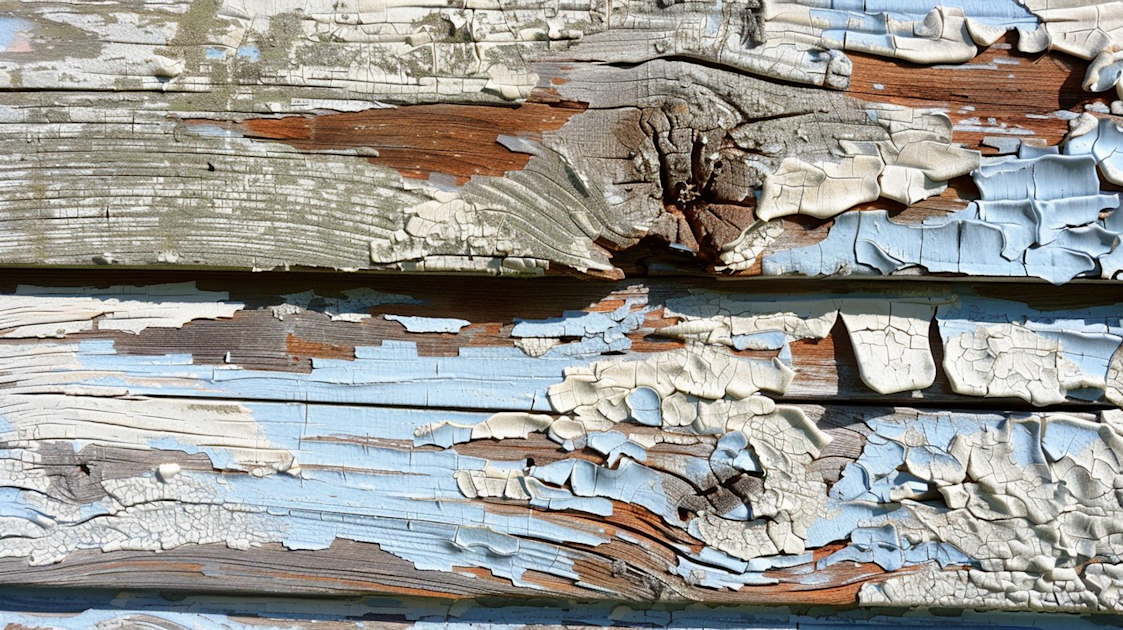
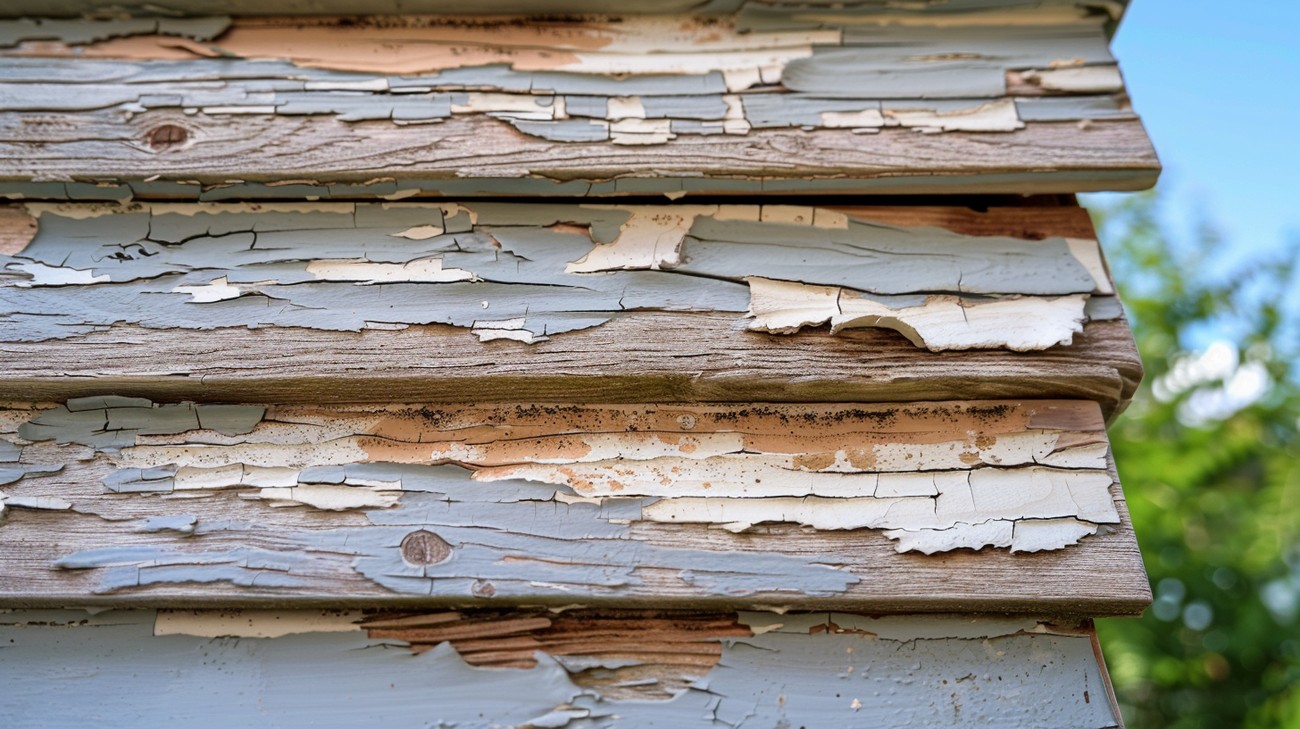
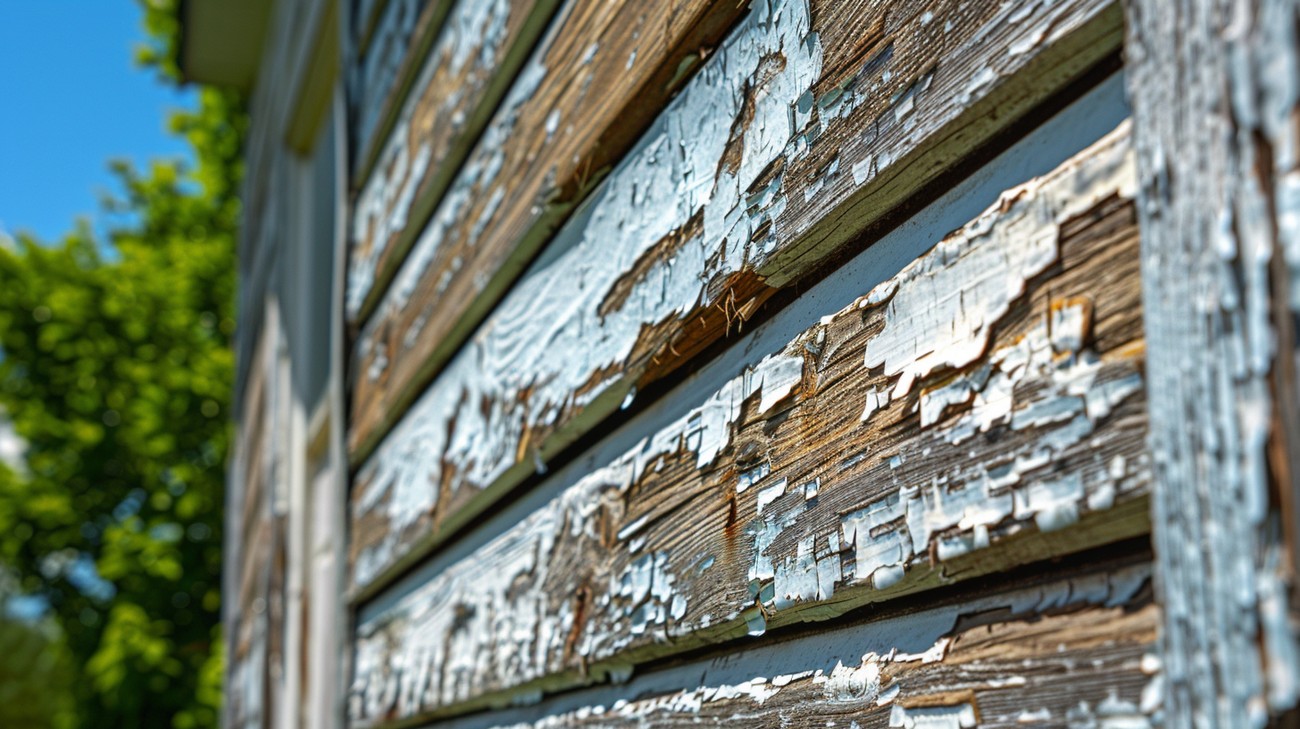
- Peeling Paint: If you notice paint peeling on walls adjacent to the siding, it may suggest trapped moisture attempting to escape.
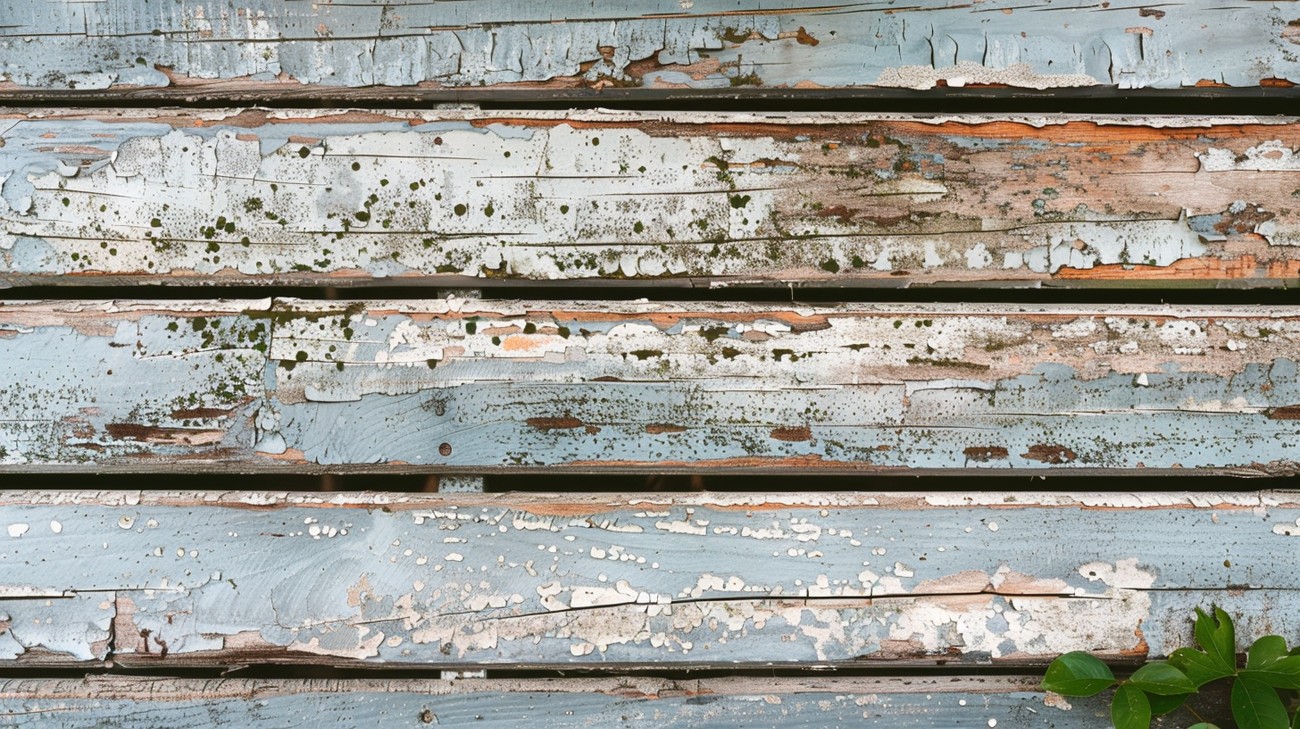
- Visible Mold or Mildew: The presence of mold or mildew on the siding or inside the home can indicate continuous moisture exposure.
- Discoloration and Stains: Unexplained stains or discoloration on siding can be a sign of moisture issues.
Consequences of Moisture Behind Siding
Ignoring moisture problems behind siding can lead to severe consequences, both financially and structurally. Here are some potential outcomes:
- Structural Damage: Continuous moisture exposure can rot the framing of your house, leading to compromised structural integrity.
- Insulation Damage: Moisture can ruin insulation within the walls, reducing your home's energy efficiency and increasing utility bills.
- Health Hazards: Mold growth resulting from moisture problems can pose health risks to you and your family, including respiratory issues and allergic reactions.
Preventing Moisture Problems
Prevention is always better than cure. Implement these strategies to minimize the risk of moisture problems with your siding:
- Regular Maintenance: Inspect your siding regularly for any signs of damage or wear and perform necessary repairs promptly.
- Clean Gutters and Downspouts: Ensure gutters and downspouts are free from debris and effectively channel water away from your home's exterior.
- Proper Ventilation: Enhance home ventilation by installing vents or exhaust fans where necessary to prevent moisture buildup.
- Quality Installation: Hire experienced professionals for siding installation, ensuring proper sealing and flashing are applied during the process.
Steps to Fix Moisture Behind Siding
What if prevention falls short, and you suspect existing moisture issues? Here’s a plan to tackle the problem:
- Assess and Investigate: Begin by performing a thorough examination of both the interior and exterior of your home for any signs of moisture damage.
- Repair Damages: Repair or replace any damaged siding panels or sections. Be sure to address the root cause of the damage to prevent recurrence.
- Improve Waterproofing: Enhance water-resistance by applying waterproof barriers, sealants, or flashing, especially in vulnerable areas.
- Enhance Drainage Systems: Ensure your gutter system is working efficiently to keep water directed away from the siding.
Materials and Tools for Resolving Moisture Problems
Taking effective steps requires the right tools and materials. When addressing moisture issues, consider using:
- Sealants and Caulk: For sealing gaps and cracks in old or damaged siding.
- Moisture Barriers: Effective for adding an extra layer of protection behind your siding.
- Flashing Materials: Vital for deflecting water away from vulnerable joints and edges.
Moisture Behind Siding: Frequently Asked Questions
How does moisture get behind siding?
Moisture can seep behind siding through various means such as cracks, gaps, or improperly sealed joints. It can also infiltrate through damaged or missing flashing, particularly around windows and doors. Weather conditions like heavy rainfall, wind-driven rain, or excess humidity can exacerbate these issues, allowing water to find its way behind the siding. Regular maintenance can help identify potential entry points for moisture, but environmental factors and natural wear and tear often play significant roles.
What are the signs of moisture behind siding?
Identifying moisture behind siding can often be tricky without dismantling the siding itself, but there are several noticeable signs. Look for evidence of warping, peeling, or blistering in the siding. You might also notice discoloration or staining, which can indicate water damage. Inside your home, be alert for signs like mold, mildew, or a musty odor, which can suggest a moisture problem behind the walls. It's crucial to address these signs promptly to prevent further damage.
Can moisture behind siding cause mold?
Yes, moisture behind siding is a common catalyst for mold growth. When moisture accumulates and creates a damp environment, it becomes ideal for mold spores to thrive. Mold can spread quickly and compromise indoor air quality, causing health issues for residents. It's vital to address moisture issues promptly and remove any existing mold to prevent it from spreading or causing extensive damage to your home’s structural integrity.
How does moisture affect the structural integrity of a home?
Moisture behind siding can lead to various structural issues over time. When water seeps behind insulation, wood framing, or sheetrock, it can cause these materials to weaken or rot. This degradation can compromise the structural integrity of the building, potentially leading to sagging floors, cracked walls, or even foundational issues. Timely identification and remediation of moisture-related problems are essential to protect your home from long-term damage.
What role does insulation play in preventing moisture problems?
Insulation acts as a barrier that can help minimize temperature fluctuations and prevent condensation inside walls, which can lead to moisture buildup. Properly installed and maintained insulation can also create an extra layer of protection against water intrusion. However, if moisture does get behind your siding, insulation can absorb and retain water, which could compound the problem. Regular checks and maintenance can help ensure insulation continues to function effectively.
Are there specific types of siding that better prevent moisture accumulation?
Certain types of siding are better equipped to handle moisture and prevent water accumulation. Fiber cement, vinyl, and composite sidings are generally more moisture-resistant than wood. They offer better protection against rot and are often treated or designed to repel water. However, no material is entirely waterproof, and proper installation is crucial. The use of moisture barriers and adequate drainage systems during the installation can also significantly lessen the risk of moisture problems.
How often should I inspect my siding for moisture problems?
It's advisable to inspect your siding at least twice a year, typically in the spring and fall, to identify any potential moisture issues. Look for visible signs of damage such as cracks, warping, or mildew. In addition, after severe weather events like heavy storms or high winds, it's wise to conduct an inspection to ensure that no damage occurred that could lead to moisture infiltration. Regular inspections help catch problems early, which can save time and repair costs.
Can new siding installation help solve existing moisture issues?
Installing new siding can help address and solve some existing moisture issues, especially when the old siding is failing and allowing moisture to seep through. During a new siding installation, you can introduce additional protection layers such as house wrap or improve the flashing, which can enhance moisture resistance. However, if there is already significant water damage within the walls, it's critical to address these issues before installing new siding to prevent further complications.
What steps can I take to prevent moisture from getting behind my siding?
To prevent moisture from getting behind your siding, ensuring proper installation with sealed joints and effective flashing around windows and doors is essential. Regularly inspecting for and repairing any damage can prevent moisture entry. Additionally, ensuring your home’s drainage system is functioning correctly can help manage water runoff and prevent moisture buildup around your home’s foundation. Employing moisture barriers and ventilated space behind the siding can also significantly help in preventing water issues.
Is professional maintenance necessary for managing moisture in siding?
Professional maintenance can be highly beneficial in managing moisture issues behind siding. Experts have the experience and tools to thoroughly inspect and identify potential problems that homeowners may overlook. They can provide targeted solutions, such as repairing or replacing damaged siding, improving ventilation, and ensuring proper sealing techniques are employed. While regular D.I.Y. checks are valuable, professional services can provide a more comprehensive approach to moisture management.
Troubleshooting Guide
Problem 1: Leaky Gutters
Symptoms: Water stains or dampness on the siding, especially near the roofline.
Likely Causes: Clogged or damaged gutters are spilling water onto the siding instead of directing it away.
Fixes:
- Inspect your gutters for debris and clear out any leaves, twigs, or dirt.
- Check for leaks or damage along the gutter system and repair using gutter sealant.
- Ensure your gutters are securely attached and properly sloped to direct water to the downspout.
- When to call a professional: If gutters need realignment or replacement, contact a gutter specialist.
- Prevention Tips: Regularly clean gutters and install gutter guards to minimize debris buildup.
Problem 2: Improper Flashing
Symptoms: Moisture intrusion at doors, windows, or roof junctions.
Likely Causes: Ineffective or improperly installed flashing allows water to seep behind siding.
Fixes:
- Examine flashing around all windows, doors, and roof lines for signs of damage or poor installation.
- Re-seat or replace flashing using a waterproof sealant and ensure it's angled correctly to shed water away.
- When to call a professional: Complicated or extensive flashing repairs may need a contractor's expertise.
- Prevention Tips: Opt for high-quality flashing materials and double-check installation during any new construction or renovations.
Problem 3: Siding Gaps
Symptoms: Visible gaps or warps in siding panels, sometimes accompanied by mold or mildew.
Likely Causes: Siding has gaps from improper installation or material contraction/expansion.
Fixes:
- Inspect for gaps or warping in the siding.
- Replace damaged panels or use a caulk specifically designed for siding to seal minor gaps.
- Consider re-securing panels that have come loose.
- When to call a professional: If you're dealing with widespread warping or installation flaws, professional siding installers can help.
- Prevention Tips: Regular inspection and maintenance of siding during seasonal changes can catch minor issues early.
Problem 4: Roof Overhang Issues
Symptoms: Moisture damage concentrated near the roof line.
Likely Causes: Inadequate roof overhang allows rain to splash back onto the siding.
Fixes:
- Inspect the roof overhang for adequacy in protecting the siding from rain.
- Install or extend drip edge or additional overhang materials.
- Verify that existing extensions are effectively directing water away.
- When to call a professional: Significant structural changes to the roofline require skilled carpentry and possibly a roofer.
- Prevention Tips: Ensure ample roof overhang during the roofing process or renovation.
Problem 5: Poor Waterproofing
Symptoms: Chronic dampness, musty odors, and frequent mold or mildew appearances on the siding.
Likely Causes: Insufficient waterproofing or aging protective layers under the siding.
Fixes:
- Apply a high-quality water-repellent paint or sealant to the siding.
- Inspect and improve the waterproofing barrier underneath, replacing if necessary.
- Seal all joints, seams, and any penetrations (like vents) thoroughly.
- When to call a professional: If the moisture problem persists after DIY waterproofing, a professional inspection can identify hidden issues.
- Prevention Tips: Regularly renew paint or sealant and ensure proper installation of underlayment materials.
Problem 6: Soil Grading
Symptoms: Lower parts of siding showing moisture damage, particularly after rain.
Likely Causes: Ground level slopes towards the foundation, allowing water to pool at the base of the siding.
Fixes:
- When to call a professional: Complex drainage systems or severe grading issues might require an excavation expert.
- Prevention Tips: Ensure proper grading from the start of any new construction, and maintain it by regularly checking for erosion or settling.
Common Mistakes to Avoid
1. Ignoring Early Signs of Moisture
Why it happens: Many homeowners overlook the early signs of moisture, thinking it's not a serious issue or hoping it’ll resolve itself. Common signs include peeling paint, warped siding, or a musty odor.
How to avoid it: Regularly inspect your siding, looking for any signs of damage or moisture retention. Use your senses; sometimes, strange smells can indicate trapped moisture.
What to do if you've already made the mistake: If you've ignored early signs, prioritize repairing the damage—remove any affected siding, assess the internal wall condition, and replace as needed.
Expert recommendations: Experts recommend scheduling annual inspections of your home's exterior. Early detection can save you from costly repairs.
2. Inadequate Flashing Installation
Why it happens: Poor installation or lack of flashing allows water to seep behind the siding, leading to moisture buildup.
How to avoid it: Install flashing correctly during initial construction or any home renovations. Ensure that all joints and seams are properly sealed.
What to do if you've already made the mistake: Reassess and reinstall proper flashing where needed. Consider consulting a professional if you’re unsure about the installation process.
Expert recommendations: Use high-quality flashing materials and hire a professional for installations, especially in tricky roof-to-wall transitions.
3. Skipping the Use of Building Wrap
Why it happens: Sometimes, building wrap is skipped as a cost-saving measure during minor renovations or additions.
How to avoid it: Always include a weather-resistant barrier behind your siding. It acts as a crucial defense against moisture infiltration.
What to do if you've already made the mistake: Retrofitting building wrap can be challenging but necessary. Consult a professional to help install a moisture barrier effectively.
Expert recommendations: Invest in quality building wrap; it can significantly enhance moisture protection and prolong the life of your siding.
4. Poor Maintenance Practices
Why it happens: Many homeowners lack the knowledge or underestimate the need for regular siding upkeep.
How to avoid it: Implement a routine maintenance schedule. Clean your siding annually and check for cracks, gaps, or damage.
What to do if you've already made the mistake: Begin a maintenance routine immediately. Address any damage quickly to prevent further issues.
Expert recommendations: Use gentle cleaning solutions and a soft-bristle brush to clean your siding, avoiding high-pressure washing that can force water behind the siding.
5. Selecting the Wrong Siding Material
Why it happens: Homeowners sometimes choose siding based on aesthetics rather than practicality and moisture resistance.
How to avoid it: Consider your climate and environment when choosing siding material. Opt for materials known for durability and moisture resistance, like fiber cement or engineered wood.
What to do if you've already made the mistake: Evaluate your options for replacing or upgrading your siding material. You may need to consult a siding expert to choose the right material.
Expert recommendations: Balance aesthetics with practicality. Experts suggest materials that can withstand local weather conditions while still providing curb appeal.
6. Inadequate Ventilation
Why it happens: Proper ventilation is often neglected, especially in older homes or during renovations that don’t prioritize air flow.
How to avoid it: Ensure that your home's design includes adequate ventilation to prevent moisture accumulation. Install vents where necessary.
What to do if you've already made the mistake: Retrofit ventilation solutions to enhance airflow behind the siding. This may require consulting with a specialist.
Expert recommendations: Use ridge vents, soffit vents, or similar solutions to improve air circulation and reduce moisture buildup.
7. Delaying Professional Assessment
Why it happens: Some homeowners delay calling in experts due to cost concerns or disbelief that the problem requires professional attention.
How to avoid it: Don't hesitate to seek expert advice when you notice potential moisture issues. Earlier intervention can prevent more severe problems.
What to do if you've already made the mistake: Contact a professional immediately for an assessment and remediation plan. Delays can lead to structural damage and increased costs.
Final Thoughts
Addressing moisture behind siding is crucial for the longevity of your home. By staying vigilant about signs of moisture intrusion and ensuring proper installation and ventilation, you can prevent costly damage and maintain your home's integrity. Regular inspections can make all the difference, especially in our Bay Area, CA climate, where humidity can play a significant role in siding performance.
If you’re noticing any potential issues or simply want to be proactive, we recommend reaching out to us at Bay Area Siding Company. Our team is here to help you with a thorough assessment of your siding and can offer tailored solutions that fit your needs. Plus, we'd be happy to discuss how we can enhance your home's protection from moisture and keep everything looking great for years to come.
The information provided here is intended for general reference and should not be considered professional advice. Before starting any project, consult a licensed contractor. Product features, specifications, and warranties may have been updated since this was published. Any mention of brands or products reflects personal opinion and does not constitute an endorsement or warranty.