
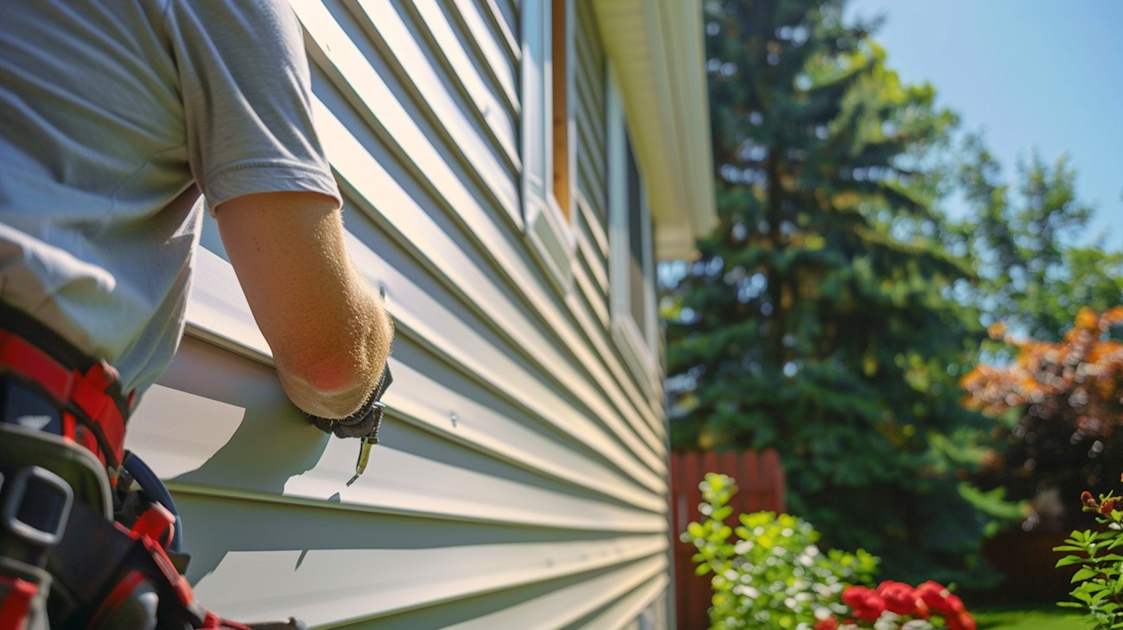


If you're a homeowner, particularly in the United States, you might be familiar with aluminum siding as a popular exterior home covering. Over time, even the most durable siding can show wear and tear. That's where aluminum siding repair comes in. Whether you're new to home repair or an experienced DIY enthusiast, understanding how to effectively repair aluminum siding can save you time and money. In this guide, we'll cover everything you need to know about aluminum siding repair in a detailed and SEO-friendly manner.
Understanding Aluminum Siding
Aluminum siding has been a mainstay in the construction industry since the mid-20th century, known for its durability, light weight, and resistance to rust and corrosion. It's a favorite for homeowners looking for a low-maintenance exterior that can withstand various weather conditions. However, like any exterior material, it can suffer damage from impacts, weather, and aging.
Common Issues with Aluminum Siding
Aluminum siding, while robust, is not immune to issues. Here are some of the common problems homeowners encounter:
- Denting: Aluminum is a soft metal, so it can easily dent from impacts such as hail, falling branches, or accidental bumps.
- Fading: Over time, exposure to sunlight can cause the color of aluminum siding to fade, leading to a less vibrant appearance.
- Corrosion: Although aluminum is resistant to rust, it can still oxidize, leading to a chalky white residue on its surface.
- Loosening: Sections of siding can become loose or dislodged due to weather, wind, or age.
Essential Tools for Repair
Before diving into repairs, gather the necessary tools. Having the right equipment makes the repair process smoother and more effective.
- Hammer
- Pry bar
- Tin snips
- Utility knife
- Caulk gun
- Paintbrush
- Measuring tape
Repairing Dented Aluminum Siding
Dented siding is one of the most common issues and, fortunately, one of the easier problems to tackle. Here’s how you can address dents in your aluminum siding:
Step-by-Step Dent Repair
- Assess the Damage: Identify the extent of the dent. For small dents, you might be able to press it out manually.
- Apply Heat: Use a hairdryer or a heat gun to warm the area, making the metal more malleable.
- Use a Block of Wood: Press a block of wood on the opposite side of the dent while gently tapping from the outside with a rubber mallet.
- Smooth out: Once the dent is mostly popped out, gently smooth it using sandpaper or a metal file.
Fixing Faded and Corroded Siding
Over time, aluminum siding may show signs of chalking due to oxidation or fading. While this doesn't affect its structural integrity, it can detract from its appearance.
Cleaning and Repainting
- Washing: Use a soft-bristle brush and a mixture of detergent and water to clean the surface.
- Neutralizing Oxidation: Apply a vinegar solution to neutralize the white, chalky residue from oxidation.
- Painting: Choose a high-quality, exterior acrylic paint. Sand the surface lightly before applying primer and paint to ensure adhesion and durability.
Addressing Loose Siding
Loose or rattling siding can often lead to further damage if not attended to promptly.
Steps to Secure Aluminum Siding
- Inspect for Loose Sections: Walk around your home, gently tapping the siding to identify areas that need resecuring.
- Secure the Panels: Using a pry bar, gently remove the panels around the loose section. Re-secure each piece with aluminum nails to prevent rust.
- Seal the Edges: Use a high-quality silicone caulk to seal any edges and minimize future loosening. This also prevents water from getting in and causing damage.
Preventing Future Issues
Prevention is key to prolonging the life of your aluminum siding. Regular maintenance can prevent minor issues from becoming major repairs.
- Routine Inspection: Regularly check for any signs of damage, loosened siding, or oxidation.
- Clean Annually: Wash your siding at least once a year to remove dirt and debris that can lead to staining and oxidation.
- Repaint when Necessary: Repainting your siding every 10-15 years can give it a fresh appearance and provide an additional layer of protection.
Frequently Asked Questions About Aluminum Siding Repair
How do I know if I need aluminum siding repair?
If you notice dents, fading, or any form of warping on your aluminum siding, it's time for a repair. Other signs include increased energy bills due to insulation loss and visible seams or moisture buildup. Regular inspection is key in identifying these issues early.
What are the common causes of damage requiring aluminum siding repair?
Aluminum siding can be damaged by several factors such as extreme weather conditions, accidental impacts, and age-related wear and tear. Hail storms and high winds can cause dents, while accidental hits from lawn equipment can result in more direct damage. Over time, the paint can also fade or chalk, requiring attention.
Can I perform aluminum siding repair myself?
Yes, you can perform minor aluminum siding repairs yourself if you're handy with tools. Things like replacing a single panel or patching small holes are doable. However, for extensive damages, or if you're unsure about the process, it's advisable to hire a professional to ensure quality work and safety.
What tools will I need for aluminum siding repair?
For a successful aluminum siding repair, you'll need a few basic tools. A hammer, utility knife, siding unlock tool, pry bar, nails, and a replacement panel are essential. Having some matching paint may also be necessary for aesthetic touch-ups. Always ensure safety gear like gloves and goggles are on hand.
How can I match the new siding to the existing one during repair?
Matching new aluminum siding to the existing color can be challenging, especially if the siding has faded over time. It's best to take a sample of your current siding to a supplier to find the closest match. Alternatively, paint the new siding to match the rest, which can cover slight color discrepancies.
How much does professional aluminum siding repair typically cost?
The cost of professional aluminum siding repair varies depending on the extent of the damage and your location. On average, homeowners might spend between $300 to $600 for minor repairs. For more extensive damage requiring partial replacements, costs can run higher, sometimes reaching $1,000 or more.
How long does aluminum siding repair take?
The duration of an aluminum siding repair depends on the extent of the damage. Simple repairs, such as fixing minor dents, could take a few hours. Meanwhile, more substantial repairs that include replacing panels may take a full day or more, especially if detailed painting or multiple fixes are involved.
What maintenance can prevent the need for aluminum siding repair?
Regular maintenance can go a long way in preventing the need for aluminum siding repairs. Wash your siding annually with mild soap and water to remove dirt and grime. Inspect your siding periodically, especially after storms, to catch any issues early. Painting every few years can also protect your siding and prolong its life.
Is aluminum siding repair environmentally friendly?
When it comes to environmentally friendly solutions, aluminum siding repair can be a good choice. Repairing rather than replacing siding reduces waste. Additionally, aluminum is recyclable, which means any damaged panels can be taken to a recycling center rather than a landfill, contributing to eco-friendly practices.
Can insurance cover the costs of aluminum siding repair?
Homeowners' insurance may cover the costs of aluminum siding repairs if the damage results from a covered peril, such as storms or accidents. Review your insurance policy or consult with your insurance provider to understand coverage details and confirm whether your repair work qualifies for a claim.
Are there color options available for aluminum siding repair?
Yes, there are numerous color options available for aluminum siding repair. As aluminum siding is paintable, you can choose a color that matches your current siding or opt for a complete color refresh. Consult with your supplier or a professional painter to ensure that the new paint color will hold up well over time.
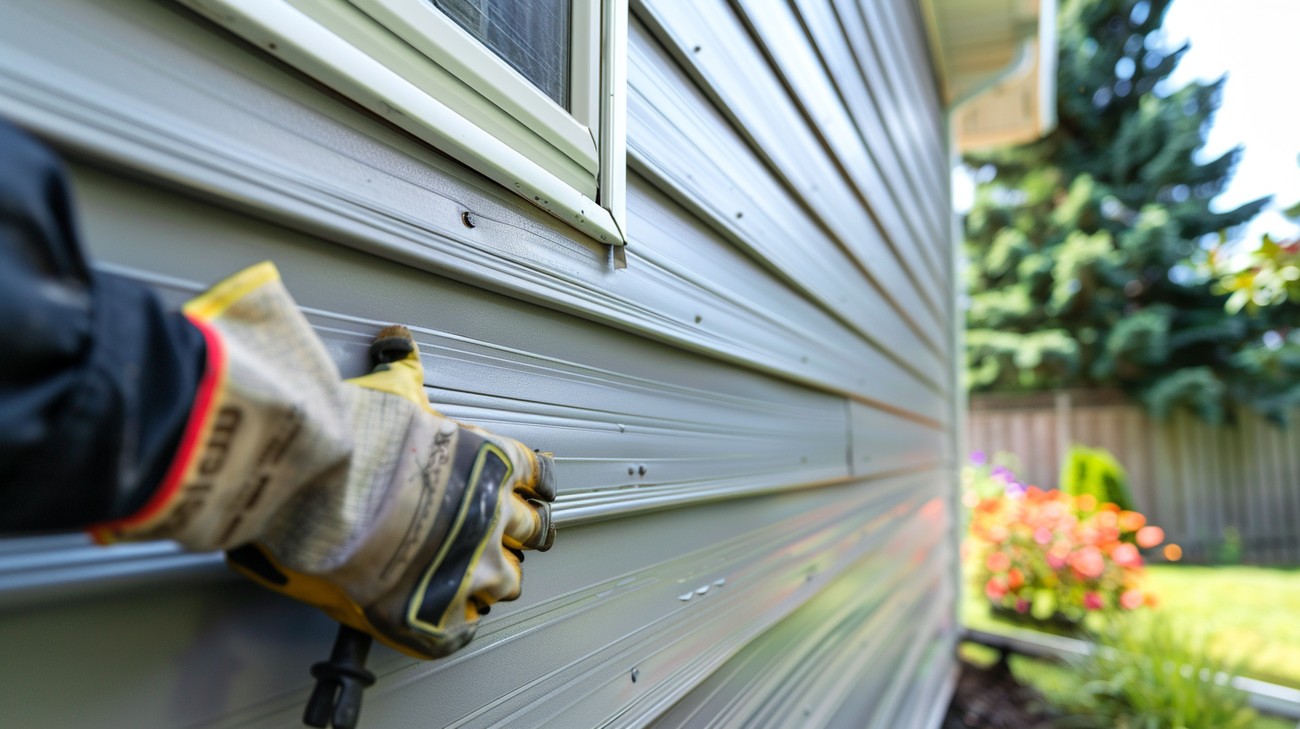
Troubleshooting Guide
1. Dents in Aluminum Siding
- Symptoms: Visible small to medium-sized dents on the siding.
- Likely Causes: Impact from hailstones, stones, or other hard objects striking the siding.
- Step-by-step Fixes:
- Clean the area with soap and water to remove debris and dirt.
- Use a hairdryer to heat the dent for a few minutes, making the aluminum more malleable.
- Immediately place a piece of aluminum foil over the dent.
- Rub dry ice over the foil for a minute to contract the metal.
- Remove the foil and watch the dent pop back into place.
- When to Call a Professional: If the dent is deep or not responding to DIY techniques.
- Prevention Tips: Install protective barriers, like bushes or rock deflectors, near the house to absorb impact.
2. Fading Color
- Symptoms: The once-vibrant color appears dull or washed out.
- Likely Causes: Sun exposure, age, or environmental factors.
- Step-by-step Fixes:
- Wash the siding with a gentle detergent and soft-bristle brush.
- Consider using a specialized siding cleaner with UV protection.
- Apply a high-quality paint designed for aluminum siding.
- When to Call a Professional: If unsure about painting techniques or the siding requires significant cleaning and preparation.
- Prevention Tips: Regular cleaning and applying UV-protection treatments can extend the life of the finish.
3. Loose Panels
- Symptoms: Panels are hanging off or rattling in the wind.
- Likely Causes: Improper installation, wear and tear, or severe weather conditions.
- Step-by-step Fixes:
- Inspect the siding for loose nails or screws.
- Tighten any loose fasteners.
- Apply silicone or a suitable adhesive where panels are loose.
- Ensure the siding overlaps correctly on adjoining panels.
- When to Call a Professional: If the entire panel needs reattachment or if you're unfamiliar with handling siding.
- Prevention Tips: Conduct periodic checks and make slight adjustments as needed to prevent extensive loosening.
4. Corrosion Spots
- Symptoms: Visible pitting or small holes in the siding.
- Likely Causes: Chemical reactions from pollutants, saltwater in coastal areas, or age.
- Step-by-step Fixes:
- Scrub the corroded area with a non-abrasive cleaner.
- Rinse thoroughly and dry it.
- Apply a primer designed for metals.
- Paint over to match the existing siding.
- When to Call a Professional: If corrosion is widespread or affects the structural integrity of the siding.
- Prevention Tips: Regular cleaning and applying protective coatings to prevent exposure to corrosive elements.
5. Water Stains
- Symptoms: Dark streaks or spots on the siding.
- Likely Causes: Gutter leaks, poor drainage, or high humidity.
- Step-by-step Fixes:
- Identify and fix gutter or drainage issues.
- Clean the affected area with a vinegar and water solution.
- Rinse thoroughly and let dry.
- Apply a water-repellent sealant over the cleaned area.
- When to Call a Professional: When dealing with recurring stains that could indicate deeper water issues.
- Prevention Tips: Maintain gutters and ensure proper drainage around the house.
6. Missing Siding Pieces
- Symptoms: Gaps or missing sections in the siding.
- Likely Causes: Severe weather, physical damage, or poor initial installation.
- Step-by-step Fixes:
- Find replacement siding that matches the existing color and style.
- Remove any damaged panels carefully.
- Install the new panels, ensuring they are securely fastened.
- Overlap seams effectively to prevent water intrusion.
- When to Call a Professional: If replacing large sections or unable to find an exact match for replacements.
- Prevention Tips: Regular maintenance checks will help catch minor damages before panels go missing.
7. Chalky Residue
- Symptoms: Powdery residue left when brushing against siding.
- Likely Causes: Oxidation from the aluminum surface due to UV light exposure.
- Step-by-step Fixes:
Final Thoughts
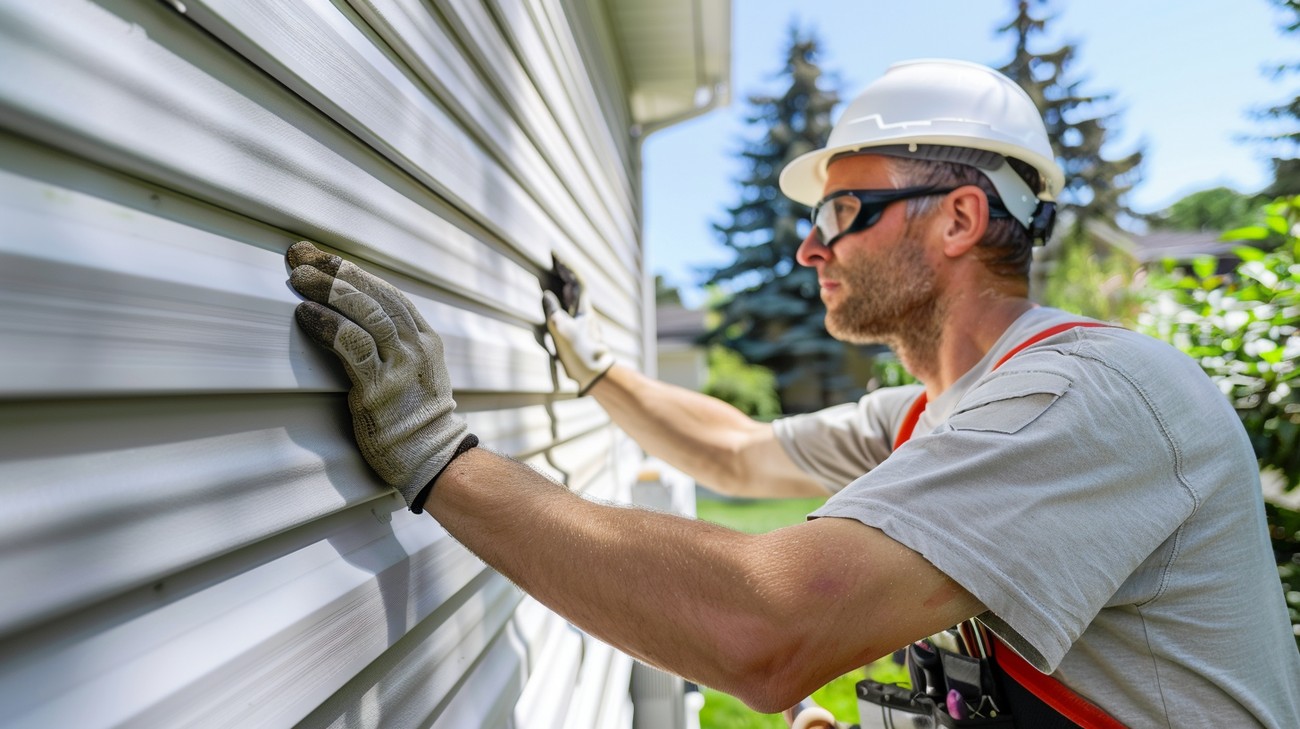
Aluminum siding repair is an essential task for keeping your home beautiful and protected from the elements. By addressing issues like dents, scratches, and fading promptly, you not only enhance your home's curb appeal but also prolong the lifespan of your siding. Taking a few simple steps can often make a difference, and paying attention to your siding's needs will save you time and money in the long run.
If you’re based in Bay Area, CA, and need expert assistance, our team at Bay Area Siding Company is here to help with all your aluminum siding repair needs. We pride ourselves on providing top-notch service and would love to assist you in maintaining your home's exterior. Reach out to us for a consultation or to get a free estimate—we're just a call away and ready to ensure your siding is in the best shape possible!
The information provided here is intended for general reference and should not be considered professional advice. Before starting any project, consult a licensed contractor. Product features, specifications, and warranties may have been updated since this was published. Any mention of brands or products reflects personal opinion and does not constitute an endorsement or warranty.